

Commentary
Why Pakistan, Saudi Arabia, and Turkey are joining forces on regional security.
Alper Coşkun, Amr Hamzawy
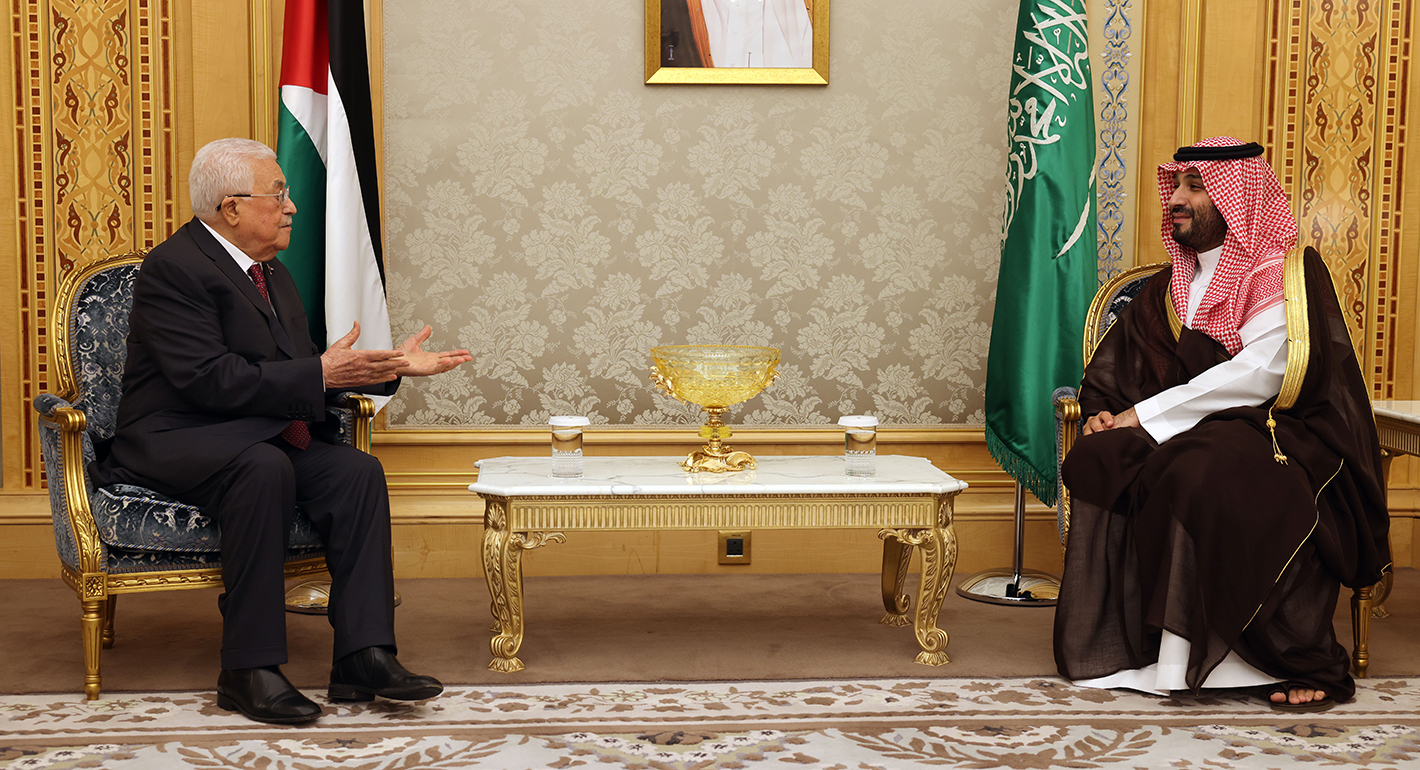
Source: Getty
The U.S. midterm elections signal the opening of a narrow window for bold Saudi diplomacy on Palestine.
Saudi policy on Palestine/Israel is officially set by the Arab Peace Initiative (API) of 2002, which offered normalization between Israel and the Arab world in exchange for Palestinian statehood and a just settlement for Palestinian refugees. Under Crown Prince Mohammed bin Salman (MBS), however, the kingdom has maintained greater ambiguity about its ultimate aims, publicly asserting support for the API while privately entertaining the idea of Saudi Arabia–Israel normalization. For a time, this ambiguity served Saudi Arabia by encouraging successive U.S. administrations to court the kingdom with various sweeteners. As the kingdom has recognized, any deal would still require a face-saving Palestinian component, which could be spun as preserving Palestinian national aspirations. However, Saudi Arabia would not insist on full statehood as a precondition.
This ambiguity is no longer in Saudi interests—or those of regional peace and stability, if it ever has been. The strategic landscape of the Middle East has shifted in the wake of the Hamas-led attacks on October 7, 2023; Israel’s military response, including what the Saudi government and MBS subsequently labeled a genocide; and the U.S.-Israeli war with Iran. Scenes of devastation in Gaza and Lebanon have inflamed Arab (and Saudi) public opinion, while years of Israeli belligerence toward the country’s neighbors and dismissiveness toward Saudi Arabia have called into question the direct value of normalization. Nor is it clear that normalization would add much to Saudi-U.S. ties. The kingdom has already secured significant economic and security advantages from the United States even in the absence of normalization, including support for a civil nuclear program.
Ambiguity is no longer in Saudi interests—or those of regional peace and stability, if it ever has been.
Despite this reality, supporters of normalization still argue that the United States should either encourage or coerce Saudi Arabia to establish ties with Israel. U.S. President Donald Trump, for example, intervened last-minute to condition a bilateral nuclear technology deal on the kingdom joining the Abraham Accords, the framework that established open ties between Israel and Bahrain and the United Arab Emirates (UAE) in 2020. Proponents of normalization invariably dismiss the significance of Palestinian statehood, either by arguing that Saudi Arabia will settle for less or by ignoring Palestinians entirely. A whisper campaign from anonymous U.S. and Israeli sources has also suggested Saudi Arabia may need Israeli security assistance to confront Houthi forces in Yemen.
These arguments misread new Saudi red lines regarding the kingdom’s support for Palestinian national aspirations and its concerns about Israeli and Iranian regional belligerence. Even MBS may now value Palestinian statehood in its own right, rather than as a bargaining chip with the United States or as a public relations talking point within the Arab world. Changing regional realities, as well as public opinion shifts in the United States and abroad, make a clear statement of Saudi aims and interests more advantageous. By working to shape the diplomatic agenda on Palestinian statehood, Saudi Arabia can both reinforce its credibility and demonstrate its commitment to Palestinian self-determination.1
Definitive Saudi action now could help redraw the geopolitical map and remove a major driver of Middle East conflicts, whereas simply playing defense against Iranian, Israeli, U.S., and Houthi aims cannot. Flipping the script on normalization, by putting the Trump administration on notice of Saudi Arabia’s requirement that Israel first end its occupation over the Palestinian territories, is certain to cause short-term Saudi-U.S. tension. The alternative, however, means accepting Israel’s campaign to ethnically cleanse Gaza and much of the West Bank, strengthening the legitimacy of political actors in Sanaa and Tehran, and undermining Saudi Arabia’s credibility.
The kingdom has a limited window to seize the initiative between election dynamics in the United States and Israel, the mounting costs of war in the Gulf, and Israeli efforts to establish new facts on the ground in Palestine. Close coordination with Palestinian leadership is essential to both the political success of the project and its perceived legitimacy in the eyes of other regional actors and Arab constituencies. The kingdom could achieve diplomatic traction by partnering with other stakeholders in Europe and the region through existing mechanisms such as the Global Alliance for the Implementation of the Two-State Solution. A broad coalition, buoyed by international frustration over the U.S.-Israeli war with Iran, could provide political cover and seasoned diplomacy in addressing one of the region’s thorniest and longest-standing challenges. While overtly pressing for Palestinian statehood is not risk-free, Saudi Arabia is well positioned to argue that a true “grand bargain” would both neutralize an important Iranian talking point and offer a better chance for Trump to claim a diplomatic win by the end of his term—so long as he is willing to deploy pressure on Israel.
Definitive Saudi action now could help redraw the geopolitical map and remove a major driver of Middle East conflicts.
Understand the world with the latest from our scholars around the world.
From the outset of U.S.-Saudi relations through the mid-2010s, the kingdom’s policy toward the Palestinian issue was a balancing act: signaling enough support for the cause to court domestic and regional audiences, while also indicating enough pragmatism to keep the issue from hindering growing security ties with the United States.2 Still, through the early 1970s, the kingdom generally played a less prominent role than the so-called frontline states of Egypt, Syria, and Jordan. After 1948, Saudi rulers generally treated Israel’s existence as an established fact in private, while making contributions to the United Nations Relief and Works Agency in support of Palestinian refugees and (after its formation in 1964) the Palestine Liberation Organization (PLO).3
Developments in the 1970s pushed Saudi Arabia to play a more prominent regional role, while generating expectations among Palestinian leaders that the kingdom could wield significant leverage on their behalf. Having tested the efficacy of an oil embargo amid the 1967 Arab-Israeli War, various Arab states again deployed that leverage in response to U.S. support for Israel during the 1973 Arab-Israeli War. While Saudi Arabia’s King Faisal initially resisted joining in, he eventually became the public face of “the oil weapon.”4 The Arab oil embargo proved to Arab constituencies across the Middle East—in particular, Palestinians within the occupied territories and in host Arab countries—that Saudi Arabia and the Gulf states had meaningful agency on the world stage, if they chose to deploy it.
For the time being, however, Saudi Arabia adopted the role of regional coordinator, working to maintain the Arab consensus on the Palestinian issue while signaling its “pragmatism” toward the United States. After the Camp David Accords established diplomatic relations between Egypt and Israel, this meant bowing to other Arab states in boycotting Egypt and relocating the Arab League headquarters to Tunisia as punishment. Saudi Crown Prince Fahad also offered his own proposal for addressing Palestinian national aspirations, which held out the possibility of “peace between all states of the region” conditioned on what would become the API formulation: an end to the occupation, support for the right of return, and the establishment of an independent Palestinian state.
Decades later, the Saudi-backed API would offer “normal relations” between Israel and all Arab states in exchange for the establishment of an independent Palestinian state. Jordan had tried advancing a similar plan years earlier. However, it was the second Palestinian uprising against the Israeli occupation (following Israeli prime minister Ariel Sharon’s provocative tour of the Al Aqsa mosque compound in 2000) and the ensuing violence that would give the offer of Arab normalization with Israel in exchange for an end to the occupation some urgency.5 Support for the API also provided Saudi Arabia a way to begin to repair the damage done to the kingdom on the international stage by the role some Saudi citizens played in the 9/11 terrorist attacks on U.S. soil.
Saudi officials were also motivated by concern at the reaction of Arab (and Saudi) public opinion to images of embattled Muslims in Jerusalem—broadcast region-wide by Qatar’s newly established Al Jazeera television station. Even before the 9/11 attacks, Saudi Crown Prince Abdullah privately accused the George W. Bush administration of setting the U.S. national interest “100-percent based on Sharon” and doing little to restrain Israeli violence, especially in Jerusalem. Championing the API was thus a way for the Saudi monarchy to demonstrate regional leadership and burnish its legitimacy at home.
Saudi support for ending Israeli occupation, however, remained limited to broad proposals and occasional efforts to mediate intra-Palestinian disputes. Crown Prince Abdullah helped secure collective Arab support for the API and subsequently lobbied Bush on its importance, ensuring that the U.S. administration’s subsequent road map for a comprehensive resolution to the Arab-Israeli conflict referenced “the initiative of Saudi Crown Prince Abdullah” as part of the basis for a just settlement. At the same time, Abdullah’s advisors made it clear that Saudi lobbying would not be backed up with overt pressure like the “oil weapon.” The farthest Abdullah would go, in 2007, was to host the two main Palestinian political factions, Hamas and Fatah, for a meeting aimed toward a reconciliation agreement—much to the frustration of U.S. officials eager to sideline Hamas.
In the early 2000s, Saudi commitments to the Palestinian cause rested more than ever on the personal beliefs of individual rulers.
Furthermore, Saudi fears about Iran’s regional influence began to rival any concerns over the fallout from the ongoing Israeli occupation. The U.S.-led overthrow of Saddam Hussein’s Ba‘athist regime in Iraq removed a powerful counterweight to the Islamic Republic of Iran, empowering what King Abdullah of Jordan dubbed a Shi‘a “crescent” of Iranian-aligned regimes and non-state actors such as Hezbollah in Lebanon. Hezbollah’s show of force against Israel in the 2006 Lebanon war “rang alarm bells” for numerous Gulf decisionmakers, leading to initial hints of intelligence coordination with Israel.6 The revolutions and civil wars of the Arab Spring exacerbated these fears, with Iran perceived as benefiting from the weakening of traditional Arab powers (in Egypt), exploiting political divisions amid regime change (in Yemen), and expanding its control over closely aligned governments (in Syria and Iraq). Israeli officials shared Gulf concerns about Iran, with some even speaking of an “unofficial alliance” with the Gulf states on that basis.
The pursuit of a nuclear deal with Iran by U.S. president Barack Obama between 2013 and 2015 spurred quiet engagement between Israel and the Gulf states (including Saudi Arabia). Israeli Prime Minister Benjamin Netanyahu and various Gulf leaders, including those of Saudi Arabia, opposed the Joint Comprehensive Plan of Action (JCPOA), convinced that it represented a U.S. intent to abandon security partnerships in the Middle East. Public signs of coordination between Saudi Arabia and Israel would soon ensue.7 At the same time, the Israel-Palestine issue slipped further down the U.S. agenda; not wanting to further antagonize Israel, Obama failed to empower then secretary of state John Kerry amid high-level talks between Israel and the PLO.
In the early 2000s, Saudi commitments to the Palestinian cause rested more than ever on the personal beliefs of individual rulers. Despite his strident opposition to Iran, Saudi Arabia’s King Abdullah was personally invested in the Palestinian cause, establishing various funds to benefit Palestinians and reportedly clashing with U.S. administrations over lack of progress on Israeli-Palestinian negotiations. Abdullah’s successor, King Salman, had headed various committees collecting donations for Palestinian families dating as far back as 1967, and received the Star of Jerusalem award from Yasser Arafat in recognition of donations collected in support of the First Intifada. Yet as hinted by long-serving Saudi ambassador to the United States Prince Bandar bin Sultan, younger generations of Saudi royals already held a wider range of views on the Palestinian cause.
The death of Saudi Arabia’s King Abdullah brought these new views to the fore, as MBS—with his father’s help—quickly became the kingdom’s de facto ruler. Born in 1985, MBS grew up with limited direct experience of the Palestinian cause or concern about Israel’s regional role compared to his father, born in 1935, or preceding kings. Like younger royals in neighboring Bahrain and the UAE, MBS instead experienced Iran as the prevailing regional threat; accordingly, he embraced an openly confrontational posture toward Tehran as part of his rise to power. This included advocating a military intervention against an Iranian-linked faction in neighboring Yemen, detaining the sitting prime minister of Lebanon as leverage against Iran within Lebanese politics, and telling a U.S. media outlet that Iran’s supreme leader “makes Hitler look good.” MBS also pursued greater U.S.-Saudi alignment against Iran, particularly given incoming president Trump’s pledge to tear up the JCPOA and force a “better deal” on Iran.
Born in 1985, MBS grew up with limited direct experience of the Palestinian cause or concern about Israel’s regional role.
A quieter aspect of MBS’s appeals to the first Trump administration was the suggestion that Saudi Arabia could normalize ties without meaningful resolution of the Palestinian issue—setting aside the API. An MBS-linked delegation visited the United States soon after Trump’s 2016 election, reporting back on the political importance of Trump’s son-in-law Jared Kushner and the delegation’s sense that “the Israeli-Palestinian conflict was among the most important issues to draw Kushner’s attention.” Kushner in turn cultivated a relationship with MBS over the course of 2017, coinciding with the Saudi royal’s sidelining of key rivals and elevation to the position of crown prince. Soon, U.S. media outlets and think tanks began to relay stories of MBS’s private frustrations with Palestinians and openness to normalization. Reports also circulated of Saudi Arabia gradually reducing foreign aid to the Palestinian Authority (PA).
To be sure, both the Trump administration and MBS initially understood normalization as requiring at least some Israeli-Palestinian component. Trump was keen to achieve such an agreement, which he dubbed the “Deal of the Century”; Saudi counterparts believed they could at least secure limited benefits for Palestinians. MBS asked PA officials whether they would accept a deal that entailed U.S. recognition of Palestine while deferring questions of borders and sovereignty over Jerusalem; a temporary Palestinian capital could be sited near the Holy City. PA President Mahmoud Abbas responded with his standard red lines: a state with pre–June 4, 1967, borders (albeit with land swaps) and East Jerusalem as its capital.
Saudi policy toward Palestine proceeded on parallel tracks—continued official support for the Palestinian cause alongside MBS’s greater openness on normalization.
The U.S. rejection of Abbas’s position, and subsequent recognition of Jerusalem as Israel’s capital (exact borders to be determined), in turn triggered years of acrimony between the Saudi crown prince and the Palestinian president. MBS felt that Abbas had misled him on how U.S. counterparts would approach negotiations, and had undermined him by appealing directly to King Salman. Hence, despite Salman’s private assurances to Abbas, Saudi Arabia continued to limit financial support to the PA, while MBS continued to signal frustrations with the PA to private audiences. During a subsequent visit to the United States, he commented to leaders of Jewish organizations that Palestinian leaders had “missed one opportunity after the other” and should either engage with proposals on the table or “shut up and stop complaining.”
Saudi policy toward Palestine thus proceeded on parallel tracks—continued official support for the Palestinian cause alongside MBS’s suggestions of greater openness and flexibility on normalization. In 2017, Salman bluntly warned the United States against moving its embassy to Jerusalem; MBS, by contrast, drew the lesson that Arab publics were broadly indifferent to the Palestinian cause, given the lack of public protests in Saudi Arabia or elsewhere. In April of 2018, Salman both reiterated Saudi support for Palestinian statehood in a phone call with Trump and opened an Arab League summit aimed at affirming Palestinian sovereignty over East Jerusalem and backing up Abbas’s political positions. Yet during remarks on tour in the United States that same year, MBS insisted to the Atlantic that Israelis—no less than Palestinians—“have the right to have their own land.” Beyond his personal views, and greater concern with the threat posed by Iran, MBS’s position was informed by two main factors.
First was the belief that the Palestinian cause no longer resonated with the broad Saudi public. Any remaining critics of normalization could be coerced into silence, courted as potential allies, or convinced that maintaining Saudi support for Palestine wasn’t worth sacrificing other foreign policy priorities. Saudi television shows and newspaper columns began to reflect MBS’s private views. When the Trump administration finally released its so-called Deal of the Century in early 2020, for example, official Saudi responses praised “positive elements” but stressed that Palestinian leaders had rejected the plan and noted Saudi Arabia’s “duty to support the Palestinians.” Many social-media influencers and newspaper columnists, however, suggested that Saudi Arabia had done enough for the Palestinian cause, and that the PA should take what it could get.
The second factor was MBS’s calculation that his support for normalization increased his (and Saudi Arabia’s) political value in the eyes of the Trump administration and the United States more generally. MBS’s political survival amid the fallout from the murder of Jamal Khashoggi, reportedly at his behest, reinforced this view, with Netanyahu defending MBS and Trump couching his own defense of MBS at least partly in terms of Israel’s security. The fanfare surrounding the Abraham Accords further suggested an enthusiastic U.S. reception for any Arab country that normalized ties with Israel. Saudi official silence was supplemented by commentators’ praise for the UAE’s diplomatic breakthrough, as well as continued criticism of Palestinians for yet more missed opportunities. That October, Prince Bandar even appeared on Saudi television to denounce Palestinians’ criticisms of the Abraham Accords, prompting consternation among PA officials.
As the region emerged from the COVID-19 pandemic, and a new U.S. administration took office, the idea of Saudi Arabia–Israel normalization again took hold in Washington. Concerns about oil market stability eventually overcame Democratic president Joe Biden’s initial labeling of Saudi Arabia as a “pariah” over the murder of Khashoggi and a disastrous military intervention in Yemen. Saudi officials once again hinted at normalized ties with Israel, mindful of U.S. officials’ desire to surpass Trump and Kushner in striking a major Middle East peace deal. Saudi Arabia embraced these overtures with small but significant signals like allowing commercial flights from Israel to use Saudi airspace and facilitating visits to the kingdom by Israeli commercial delegations. By mid-2023, these negotiations had begun to sketch out a “grand bargain” whereby Saudi Arabia would receive substantial U.S. security guarantees and other policy concessions—such as access to U.S. nuclear technology—in exchange for normalizing ties with Israel.
As for Palestine, the kingdom’s public and private positions again diverged. Official policy remained clear; Foreign Minister Faisal bin Farhan stated in 2023 that normalization “requires giving the Palestinians a state.” MBS likely expected at least some concessions from Israel toward Palestinians—which would have enabled him both to argue that any move toward normalization was in Palestinians’ own interest, and to demonstrate that Saudi Arabia could outdo the UAE in extracting commitments from Israel. Private signaling by other Saudi leaders, however, suggested that Saudi Arabia expected little more than token steps by Israel. Visiting U.S. think tank delegations reported Saudi officials making “dismissive” comments about Palestinians, while anonymous Saudi officials hinted at ongoing concerns about Iran and openness to security cooperation with Israel. “If Hamas builds a relationship with Iran to protect themselves, then why don’t we have a relationship with Israel against Iran to protect ourselves?” said one Saudi official.
PA officials seemed resigned to normalization between Israel and Saudi Arabia as a clear possibility. With the Biden administration reversing few Trump-era policies toward the PA and maintaining pressure in pursuit of a trilateral deal, Abbas reluctantly concluded that his political position was too weak to insist on the API as the basis for any talks with Israel. Political adviser Hussein al-Sheikh conveyed Palestinian requests to Saudi National Security Adviser Musaed al-Aiban by early summer, focused on slight shifts in territorial control and diplomatic representation while relinquishing Palestinian statehood as a precondition. U.S.-Palestinian and Saudi-Palestinian diplomacy accelerated, with Palestinian and Saudi diplomatic delegations trading visits in September of 2023. Riyadh sought to reassure PA officials that it would not “abandon” the Palestinian cause, taking steps like naming its first-ever ambassador to Palestine (expanding the responsibilities of its ambassador to Jordan) and raising the possibility of restoring funding to the PA.
On the eve of October 7, 2023, many Saudi officials likely assumed that the Palestinian issue could be safely left on the back burner.
Although it is impossible to know MBS’s precise plans for the fall of 2023, September also brought indications that he sought to prepare the Saudi public for eventual normalization. To be sure, the Saudi delegation at the United Nations in turn continued to promote the API in coordination with European and Arab diplomats, contradicting claims by U.S. and even some Saudi sources. Still, in an interview with Fox News, MBS for the first time referred directly to “real” and “serious” talks with the Biden administration about normalization with Israel, noting that “every day we get closer” to a deal. While noting that “for us, the Palestinian issue is very important,” MBS spoke only of Israeli concessions that would “ease the life of Palestinians”—mirroring language used by Israeli officials. Just days later, Netanyahu’s speech at the United Nations General Assembly talked up the possibility of normalization with Saudi Arabia, while insisting that “we must not give the Palestinians a veto over new peace treaties with Arab states.”
A domestic Saudi media campaign drove home the idea that the kingdom should put its own interests first and address Palestinian concerns later. Abdulrahman al-Rashed, a well-connected columnist at the Saudi newspaper Al-Sharq al-Awsat, explicitly warned that “the Saudi approach may not achieve a Palestinian state,” and that a defense agreement with the United States was a higher priority for Saudi Arabia. Other established commentators soon chimed in on a similar note (often a sign of official talking points circulating behind the scenes) to insist on Saudi Arabia’s limited ability to advance the Palestinian cause. Numerous articles repeated talking points about Palestinian miscalculations, while committing Saudi Arabia only to securing Palestinian “necessities,” enabling a “real and verifiable framework for peace,” or merely offering “a step in the right direction.”
On the eve of October 7, 2023, many Saudi officials likely assumed—as did their U.S. and Israeli counterparts—that the Palestinian issue (and especially Gaza) could be safely left on the back burner, or at least sidelined amid direct economic and security cooperation. Yet Hamas leaders in the Gaza Strip also believed that Saudi-Israeli talks were “progressing significantly,” and that normalization between the countries would lead to the lasting marginalization of the Palestinian cause. While Hamas had been planning a major attack on Israel for years, Hamas’s Gaza chief Yahya Sinwar—in a meeting shortly before October 7—emphasized the need for an “extraordinary attack” to derail normalization talks.
Despite the Biden administration’s efforts to salvage some form of the grand bargain during his term, MBS steadily backed away from the possibility of normalized ties. While Saudi Arabia immediately called for Israeli de-escalation after the October 7 attacks and suspended normalization talks a week later, initial Saudi media coverage framed the attacks as a disastrous mistake by Hamas. As Israel’s attacks continued, however, Saudi officials condemned the devastation of Gaza in increasingly harsh terms—hosting an Arab-Islamic summit on the subject in November 2023 (with Iranian officials in attendance), re-asserting the necessity of Palestinian statehood by early 2024, and describing Israeli actions as “genocidal” by May of 2024. MBS himself used ever more strident language as well, from decrying “Israeli aggression” in a late 2023 speech, to calling for an end to “heinous crimes” against Palestinians in an annual Hajj address in June 2024, to condemning Israel’s “collective genocide” against the Palestinian people at a second Arab-Islamic summit on the crisis in November 2024.
Public backlash over devastation in Gaza was a clear motivation for the backtracking. Saudi officials were no doubt mindful that years of government messaging had mostly suppressed criticism of Israel instead of building meaningful support for normalization. In available polling (see figure 1), support for normalization never exceeded 12 percent, while the aftermath of October 7 undermined even already limited support for economic cooperation between Saudi Arabia and Israel. By the summer of 2024, MBS was telling U.S. policymakers that he feared assassination if he pursued normalization.
While Saudi Arabia outwardly welcomed Donald Trump back to the U.S. presidency in 2025, it did not return to its pre–October 7 positioning on Palestine. Nevertheless, the shifting emphasis on the importance of Palestinian statehood has contributed to continued U.S. beliefs that a “less-than” deal can prevail.
The result has been a balancing act between playing up the economic potential of closer U.S.-Saudi ties to court the Trump administration and periodically risking Trump’s ire to make some efforts toward Palestinian statehood. Almost as soon as Trump took office, for example, MBS was quick to pledge almost $600 billion in new investments in the United States. But Trump’s subsequent comments about displacing Palestinians from Gaza (and insistence that Saudi Arabia would be “very helpful” on regional politics even without a Palestinian state) triggered a blunt response from the Saudi foreign ministry, restating Saudi Arabia’s “firm and unwavering” position on the issue. Later that year, the kingdom hosted Trump for a return visit to Riyadh that focused mainly on new technology deals between U.S. firms and the Saudi state; on regional politics, Saudi officials prioritized the stabilization of post-Assad Syria during the visit. Yet while Palestine was scarcely mentioned during the visit, Saudi diplomats continued to work with European counterparts on addressing the Palestinian issue.
While Saudi Arabia outwardly welcomed Donald Trump back to the U.S. presidency in 2025, it did not return to its pre–October 7 positioning on Palestine.
These efforts bore fruit over the summer of 2025, as Saudi diplomats worked with French counterparts to build new diplomatic momentum behind Palestinian statehood. Already, the kingdom had joined the European Union and Norway to spearhead the new Global Alliance for the Implementation of the Two-State Solution, co-chairing several high-level summits on the International Court of Justice’s advisory opinion condemning Israeli occupation of Palestinian land. Combined Saudi and French efforts culminated in a major July conference hosted by the UN, which put forward a framework to first achieve a ceasefire in Gaza and then ensure “tangible, timebound, and irreversible steps” to establish a Palestinian state and resolve all claims between Israel and the Palestinians by way of a two-state solution. Despite vocal opposition from the U.S. and Israeli governments, Saudi diplomats continued to advance efforts to recognize Palestine through the September meeting of the United Nations General Assembly, marshalling support for Palestinian statehood from almost all states present and securing adoption of the New York declaration in favor of a two-state solution.
Saudi narratives framed these efforts as offering Israel and the United States alike an alternative to international condemnation or perpetual violence. For Faisal Abbas, editor-in-chief of the Saudi newspaper Arab News, the New York declaration offered a “way out” for Israel that could lay the groundwork for regional peace while sidelining Hamas. Abdulrahman Al-Rashed, the Al-Sharq al-Awsat columnist, likewise portrayed Saudi Arabia’s diplomatic efforts as providing an alternative to Israeli and Hamas intransigence alike—siding with the international community in defense of Palestinian rights while offering a positive vision for the region in contrast to Hamas’ “sabotage.” Other prominent Saudi commentators offered strategic logic for the move, such as the importance of ending Israeli occupation to ensure “long elusive regional stability.” Once the Trump administration finally pressured Netanyahu into accepting a ceasefire in Gaza, however, Saudi Arabia (along with many other signatories of the New York declaration) readily accepted the U.S.-backed “Comprehensive Plan to End the Gaza Conflict” despite its many contradictions.
On the eve of the U.S.-Israeli war with Iran, Saudi policy on Palestine and Israel once again prioritized the kingdom’s commitment to Palestinian statehood above normalization with Israel, though the kingdom had done little to encourage the United States or pressure the Israelis to act beyond lending its support for ill-defined PA “administrative reforms.” While criticism of Israel flared up periodically in the domestic Saudi media scene, typically as part of a mounting dispute with the neighboring UAE, Saudi officials were sensitive to U.S.-based criticism that Saudi Arabia is reverting to its “Islamic” past or opposed to U.S. interests in the region. This balancing act is reflected even in Saudi Arabia’s approach to the Trump-backed Board of Peace: signing on to support the effort, yet dragging its heels when it comes to providing meaningful funding.
On the eve of the U.S.-Israeli war with Iran, Saudi policy once again prioritized the kingdom’s commitment to Palestinian statehood.
Since the outbreak of the U.S.-Israeli war on Iran and Iran’s wide-ranging attacks on the Arab Gulf monarchies, the Palestinian cause has fallen in priority for Saudi officials. It has probably fallen even further down the Saudi agenda amid renewed fighting with Houthi (or Ansar Allah) forces in Yemen, given the direct economic and security fallout for Saudi Arabia.
Yet leaving this issue on the back burner risks squandering Saudi Arabia’s diplomatic interventions on behalf of Palestine and miring Saudi policy in the hopeless task of trying to advance ill-defined Palestinian reforms that are unlikely ever to satisfy the United States or Israel. Palestinian self-determination and statehood is deeply unpopular among Israelis across the political spectrum. Even Gadi Eisenkot, the preferred candidate in the upcoming elections for those hopeful about a post-Netanyahu Israel, vowed, “there is no Palestinian state, and under the government we establish, there will be no Palestinian state.”
Worse, Saudi focus on reformism feeds into policymakers’ perceptions in the United States and Israel that sooner or later MBS will return to his pre–October 7 focus on face-saving measures toward Palestinians rather than genuine steps toward statehood. Unsurprisingly, Saudi struggles in deterring or ending Houthi attacks have renewed calls from within the United States and Israel for Saudi normalization as a foundation for security cooperation against the group and other actors in the region.
However, any return to the “grand bargain” framing would be a strategic mistake for Saudi Arabia. Even a Senate-ratified treaty binding Washington to Riyadh’s defense would hold little value at a time when the United States has exhausted its realistic military options against Iran and is unwilling to restrain Israel’s destabilizing activities in the rest of the region or to do much about the threat posed by the Houthis. Nor is access to U.S. nuclear technology worth the reputational damage of seeming to fully abandon the Palestinian cause—especially not as the kingdom is struggling to deliver on the economic promise of its Vision 2030 reforms.
By contrast, successfully advancing Palestinian statehood or other means of ending Israeli occupation would pay both popular and strategic dividends for Saudi Arabia: blunting a major theme of Iranian propaganda messaging against the kingdom and other Gulf monarchies, defusing a constant driver of regional conflicts, and paving the way for more peaceful relations between Israel and surrounding states. Regional peace is also a foundational step to enact Saudi Arabia’s ambitious development goals, including its interest in driving international tourism to the kingdom, which would be benefited by Saudi Arabia’s active support for Palestinians.
Saudi Arabia should seize its opportunity in the next two years to lobby the Trump administration to prioritize “tangible, timebound, and irreversible” steps toward Palestinian statehood. The president desperately needs a foreign policy win to burnish his legacy as a dealmaker and distract from the enduring quagmire posed by the endless confrontation with Iran. Rather than simply trying to weather Trump’s occasional outbursts regarding normalization, Saudi diplomats resident in Washington or visiting from Riyadh should consistently point to Israeli intransigence on the slightest concessions toward Palestinians as the obstacle to normalization. Trump is also willing and able to use pressure on Israeli leaders whenever their actions clash with his own priorities. Trump has proven adept at managing critics within the Republican Party and the right-wing media ecosystem in the United States and is well positioned to put greater pressure on Israel to engage in negotiations. Democrats would be hard pressed to mount any opposition to such an effort given the level of frustration they have recently shown against Israeli actions.
Successfully advancing Palestinian statehood or other means of ending Israeli occupation would pay both popular and strategic dividends for Saudi Arabia.
The U.S. midterm elections in November 2026 are likely to produce a Congress with fewer supporters of Trump and substantially more Democrats. Such a Congress is likely to impose more constraints on Trump as he enters his final two years in office, leaving him with fewer opportunities for “quick wins” to burnish his reputation. Congressional representatives will also be all too familiar with the public opinion shifts that have left Israel viewed unfavorably by large segments of the U.S. electorate—including a majority of younger Americans who identify as Republican. Tangible progress on the Israel-Palestine issue will likely meet with less Congressional resistance, further incentivizing the president to seek a foreign policy accomplishment in this area as expensive wars, costly trade policies, and corrupt dealings come under greater scrutiny.
Seizing these opportunities will mean unifying Saudi messaging across different levels. Saudi officials in Washington can lean into telling their audiences what they want to hear, playing up the eventual possibility of normalized ties with Israel while downplaying the concessions Israel will have to make toward Palestinians to make this a reality. While aimed at blunting criticism of the kingdom, this dual message has the effect of undermining any statements that the Saudi foreign minister or even MBS himself make about the importance of Palestinian statehood. Strategic ambiguity regarding Saudi Arabia’s Palestine policy is no longer strategic, and mainly serves to allow other actors to project their own preferred policies onto Riyadh’s intentions. Saudi Arabia need not risk backlash from outright coercion or threats to consciously and consistently reshape the narrative around normalization from something that the United States and Israel are “owed” to something that is possible if Palestinian statehood is once again within reach.

Nonresident Scholar, Middle East Program
Andrew Leber is a nonresident scholar in the Carnegie Middle East Program.
Senior Fellow, Middle East Program
Zaha Hassan is a human rights attorney, policy analyst, and senior fellow at the Carnegie Endowment for International Peace.
Carnegie does not take institutional positions on public policy issues; the views represented herein are those of the author(s) and do not necessarily reflect the views of Carnegie, its staff, or its trustees.
Why Pakistan, Saudi Arabia, and Turkey are joining forces on regional security.

Alper Coşkun, Amr Hamzawy
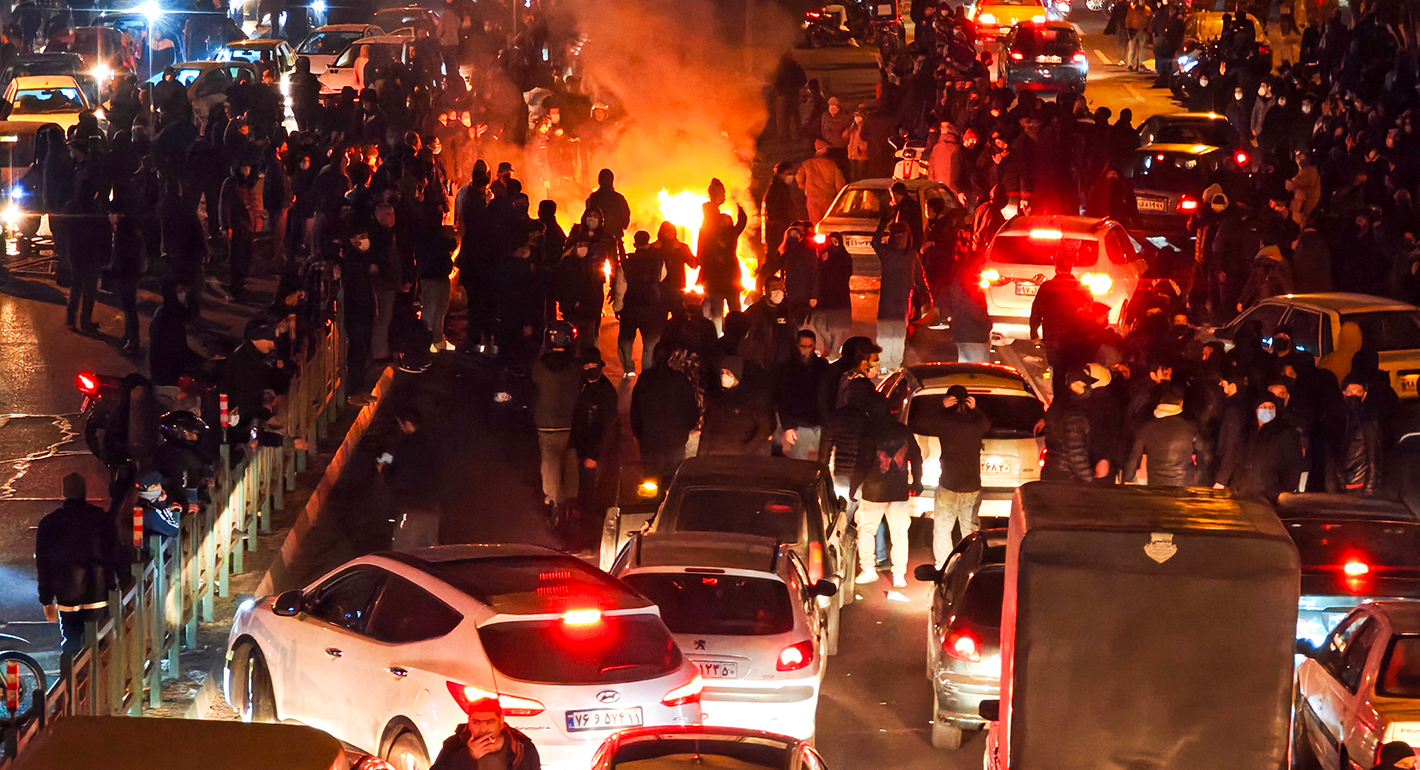
Protests in Iran follow a similar pattern: Economic grievances turn into political protests that spread nationwide. But increased state repression has begun to shift the arrangement.

Eric Lob
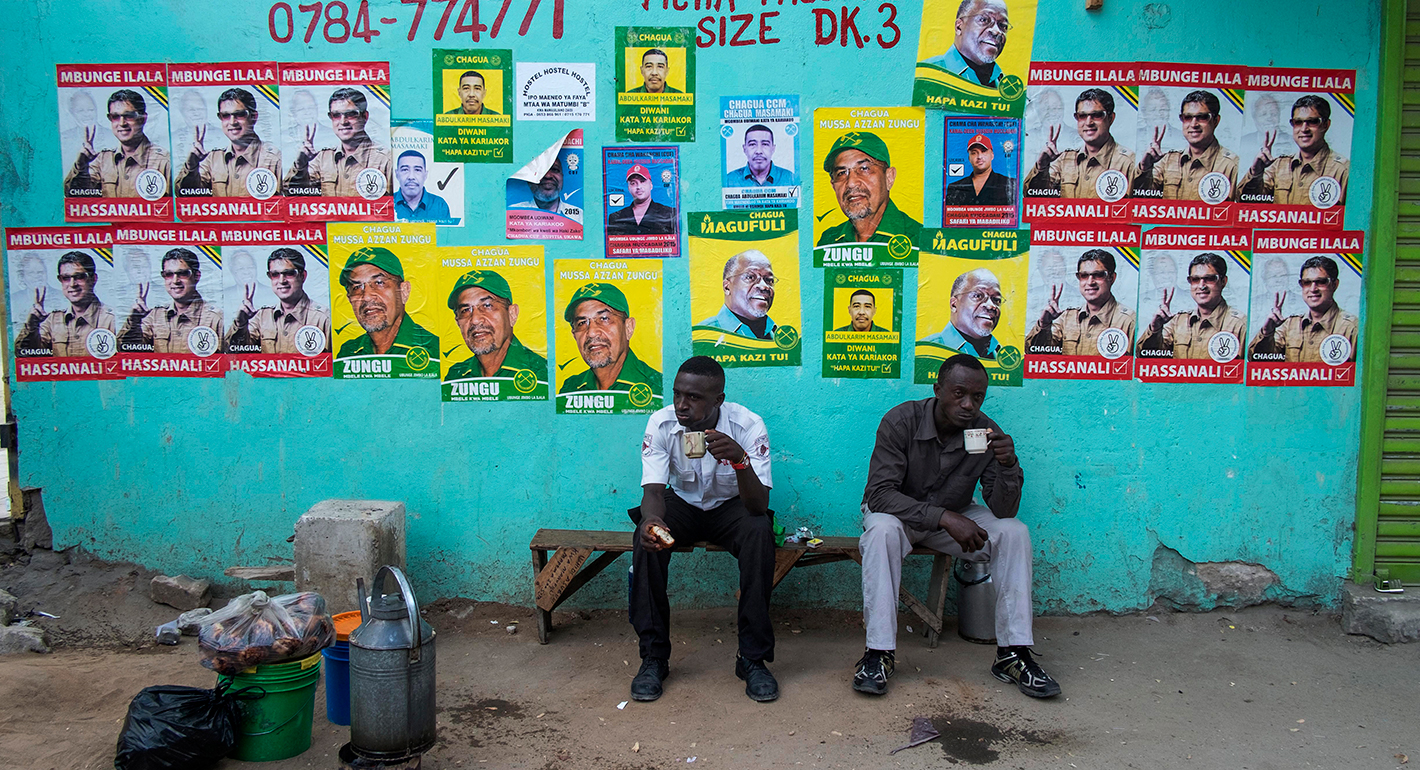
Today’s global democratic recession is partly rooted in a common perception that democracies have a delivery problem, with many citizens in both autocracies and democracies alike now believing that strongmen can achieve better governance outcomes. But a study of four countries in Africa reveals that democratic-leaning governments have demonstrated better governance performance than autocratic governments.
Sarah Yerkes, Natalie Triche, Amr Hamzawy
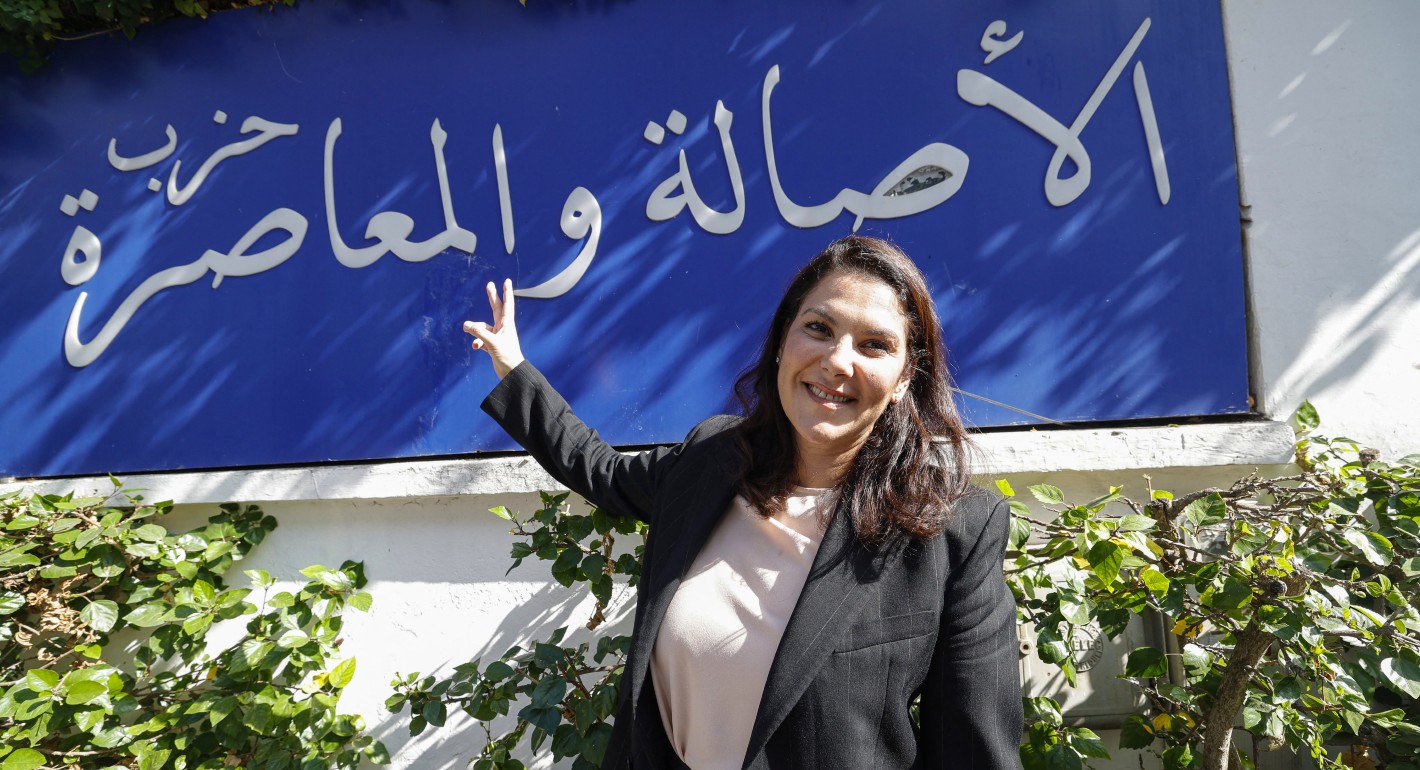
Fatima El Mansouri is the country’s first female prime minister. She’s also a privileged insider in a largely ceremonial position.
Sarah Yerkes
Soft power on its own is insufficient to meet U.S. national security needs, but hard power also has its limits. Soft power allows for more effective and efficient use of hard power than hard power alone, as it encourages cooperation and compliance which deters the need for hard power.
Sarah Yerkes