

Commentary
Syria's transition promised a fresh start. But are old habits of power making a comeback? This analysis looks at the warning signs and what it will take to build a more accountable state.
Sima Beitinjaneh
{
  "authors": [
    "Jane Kinninmont"
  ],
  "type": "commentary",
  "blog": "Sada",
  "centerAffiliationAll": "",
  "centers": [
    "Carnegie Endowment for International Peace"
  ],
  "collections": [],
  "englishNewsletterAll": "",
  "nonEnglishNewsletterAll": "",
  "primaryCenter": "Carnegie Endowment for International Peace",
  "programAffiliation": "",
  "programs": [],
  "projects": [],
  "regions": [
    "Bahrain"
  ],
  "topics": [
    "Political Reform"
  ]
}

REQUIRED IMAGE
It is almost one year since al-Wefaq National Islamic Society, Bahrain’s largest legal opposition group, ended its boycott of parliament and won seventeen of forty seats in November 2006 elections. Compared to the repressive era of the 1990s, it is a remarkable achievement--for the group and for King Hamad’s program of gradual political liberalization.
It is almost one year since al-Wefaq National Islamic Society, Bahrain’s largest legal opposition group, ended its boycott of parliament and won seventeen of forty seats in November 2006 elections. Compared to the repressive era of the 1990s, it is a remarkable achievement--for the group and for King Hamad’s program of gradual political liberalization--that al-Wefaq’s leader Sheikh Ali Salman, a former political prisoner and longtime exile, is now the head of a recognized parliamentary opposition. As yet, however, al-Wefaq has few clear gains to show from political participation. Differences are reported to be arising within the group, which also faces criticism from al-Haqq, an opposition group that broke with al-Wefaq.
Al-Wefaq's MPs have little real legislative power within Bahrain’s current parliamentary system, in which the limited powers of the forty elected MPs are largely counterbalanced by those of forty royally appointed MPs. Al-Wefaq, whose constituents mainly belong to the country’s Shi’a majority, has no ministers in the cabinet, where Sunni ruling family members hold most of the key posts. Nevertheless, al-Wefaq can claim to have influenced government policy in several areas. The government is increasing investment in public-sector housing, a priority for al-Wefaq’s constituents in a country where land and mortgage financing are scarce. The government is also trying to reduce unemployment, disproportionately high among the Shi’a. It will soon introduce the country’s first ever unemployment benefits, which will be funded with an unpopular 1 percent levy on salaries--essentially Bahrain's first income tax. Pressure from al-Wefaq MPs also seems to have contributed to the recent dismissal of Health Minister Nada Haffad.
Although it is likely that al-Wefaq has contributed modestly to shifts in government policy, signs of dissatisfaction with its parliamentary experiment are increasing. Sheikh Salman hinted on October 8 that he is considering resigning, suggesting he might be more influential from the outside. The Bahraini press has since reported widespread disagreement within al-Wefaq about whether to finish out the current parliamentary term (ending in 2010) or to withdraw sooner in order to shore up al-Wefaq’s credibility with the public. (The group denies these differences.)
At the same time, al-Wefaq faces relentless criticism from al-Haqq, a protest movement that disputes any gains from political participation. For example, when Sheikh Salman intervened with the government to procure the release of three non-Wefaq opposition leaders, including al-Haqq’s leader Hassan Mushaima, in February 2006, al-Haqq dismissed the idea that Salman’s mediation had been effective, ascribing the activists’ release instead to riots and protests by Shi’i villagers on their behalf. In the end, it is quite possible that the government’s moves have been motivated by a combination of al-Wefaq’s polite pressure from inside parliament and the noisier demands of al-Haqq from without, with al-Haqq essentially playing the bad cop.
Among the challenges al-Wefaq faces is how to make the transition from an opposition movement to a parliamentary bloc, as shown in the income tax law episode. Al-Wefaq’s MPs initially approved the law, badly misjudging the public mood. Many al-Wefaq constituents were angered by the introduction of even a small income tax when the government budget is in surplus and prices for essentials are rising. Moreover, the country’s leading Shi’i cleric, Sheikh Issa Qassim, declared the tax to be un-Islamic, arguing that wealth should be taxed rather than income. Al-Wefaq then belatedly tried to oppose the bill that it had already approved, with a predictable lack of success. The law went forward over al-Wefaq’s objections, although the government did agree to a 15 percent rise in public sector salaries.
Meanwhile, al-Haqq and other activists press for government concessions through street protests and other forms of direct action. When a local landowner deployed fish traps that prevented Shi’i villagers from fishing the waters off Malkiya village in August, opposition activists removed them by force. Clashes with police ensued, but the King eventually ordered the traps to be removed. Access to the sea is an issue that resonates in the tiny island of Bahrain, where many beaches are privately owned, and supporters of direct action have publicized the Malkiya incident as a victory for their approach.
Al-Wefaq’s participation in politics is still young, and it would be unfair to judge its success purely on legislative grounds. The group's entry into parliament is not just a means to opposition ends; it is also a signal of conciliation to the ruling establishment at a time when regional tensions are rekindling fears that the country’s Shi’i opposition groups are a potential fifth column for Iran. Meanwhile, al-Wefaq will face the challenges of a ruling establishment that resists significant concessions to the Shi’a, internal arguments about how to proceed, and a rival opposition group that threatens to draw al-Wefaq’s supporters away from electoral politics and into the streets to make their demands heard.
Jane Kinninmont is a Middle East editor and economist at the London-based Economist Intelligence Unit.

Jane Kinninmont
European Leadership Network
Jane Kinninmont is the director of impact at the European Leadership Network.
Carnegie does not take institutional positions on public policy issues; the views represented herein are those of the author(s) and do not necessarily reflect the views of Carnegie, its staff, or its trustees.
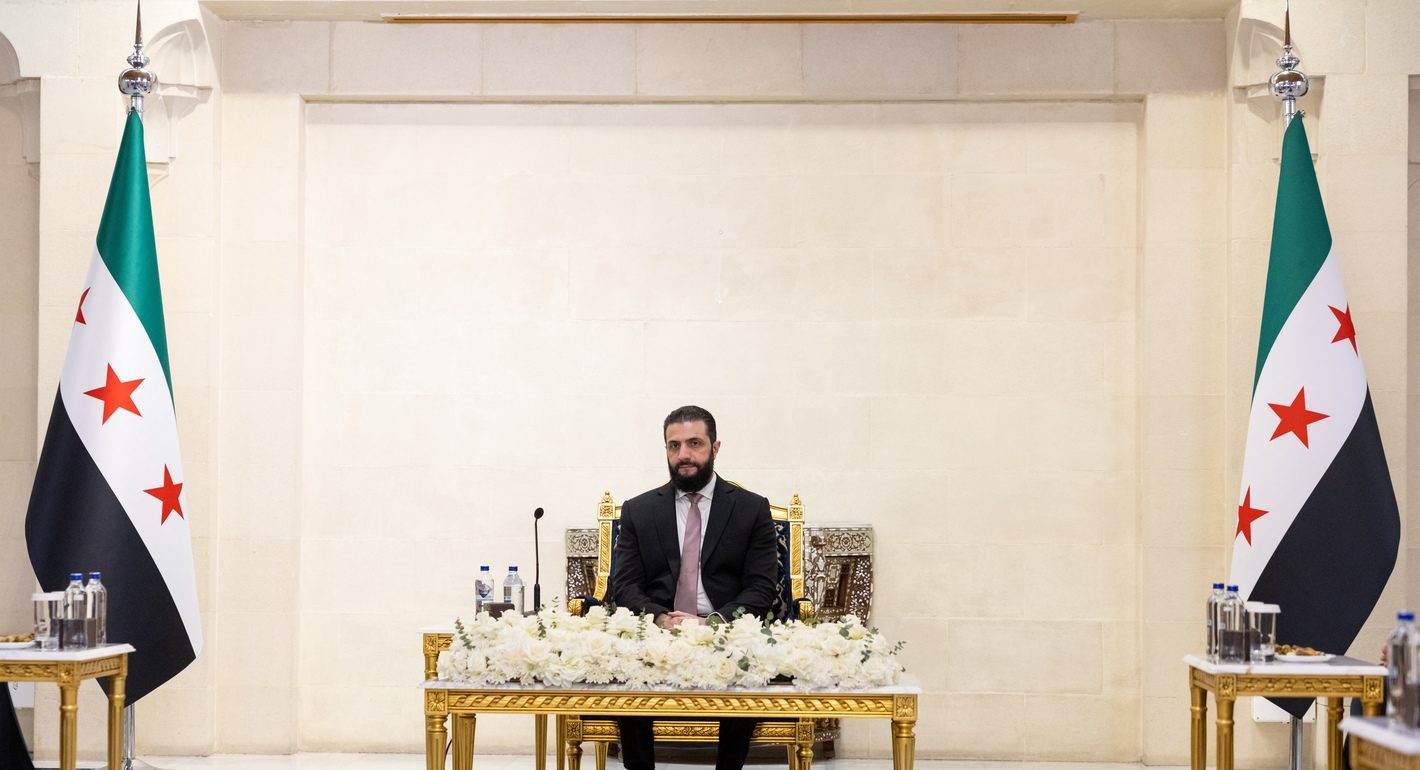
Syria's transition promised a fresh start. But are old habits of power making a comeback? This analysis looks at the warning signs and what it will take to build a more accountable state.
Sima Beitinjaneh
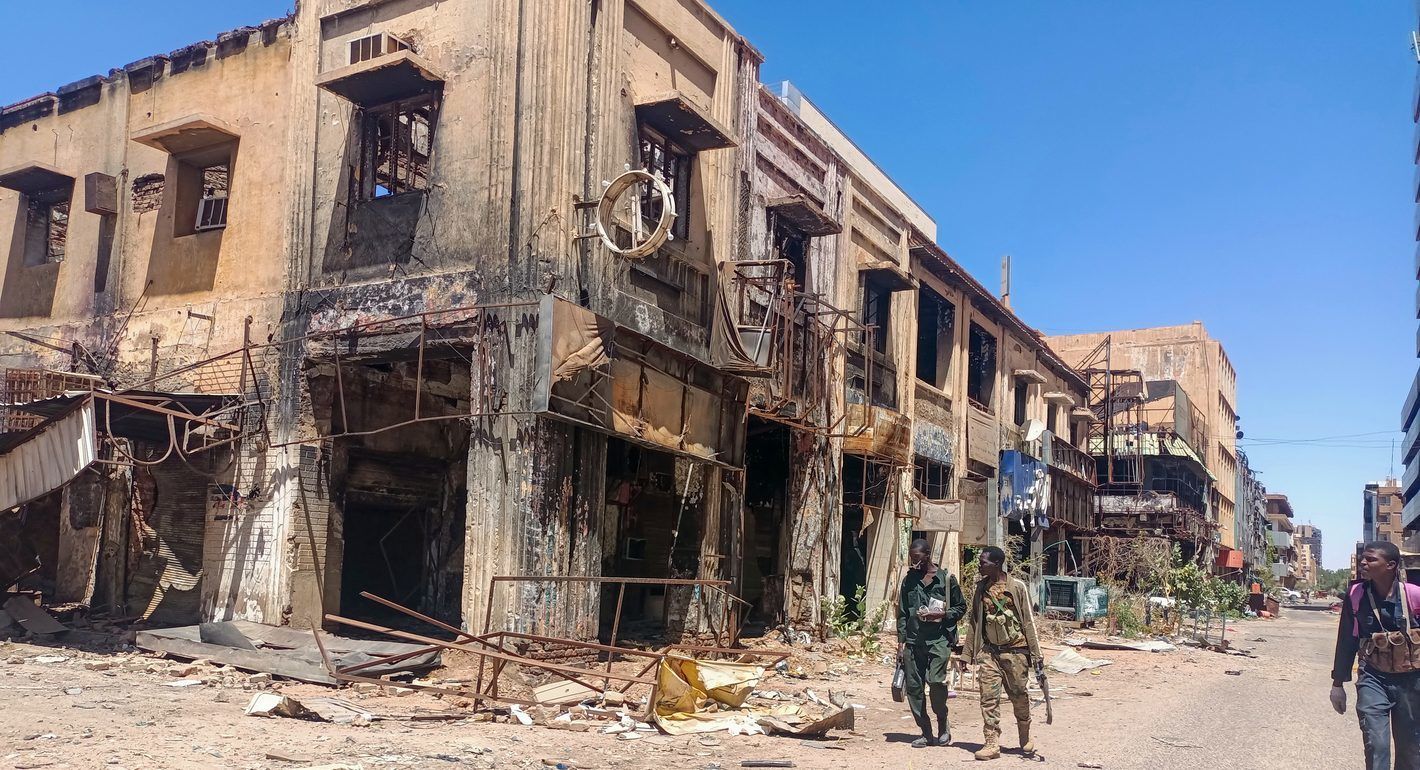
Hate speech has spread across Sudan and become a key factor in worsening the war between the army and the Rapid Support Forces. The article provides expert analysis and historical background to show how hateful rhetoric has fueled violence, justified atrocities, and weakened national unity, while also suggesting ways to counter it through justice, education, and promoting a culture of peace.
Samar Sulaiman
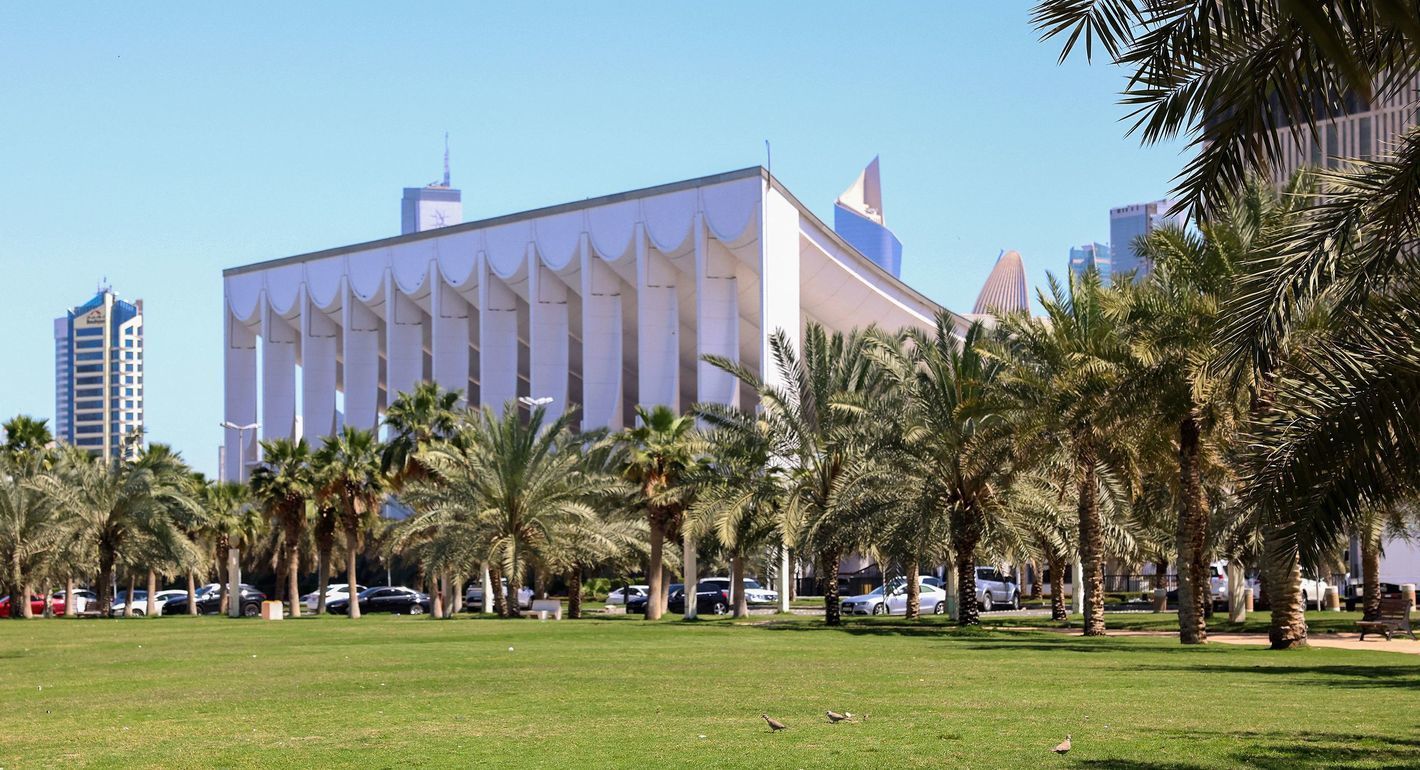
Kuwait’s government has repeatedly launched ambitious reforms under Kuwait Vision 2035, yet bureaucratic inefficiency, siloed institutions, and weak feedback mechanisms continue to stall progress. Adopting government analytics—real-time monitoring and evidence-based decision-making—can transform reform from repetitive announcements into measurable outcomes.
Dalal A. Marafie
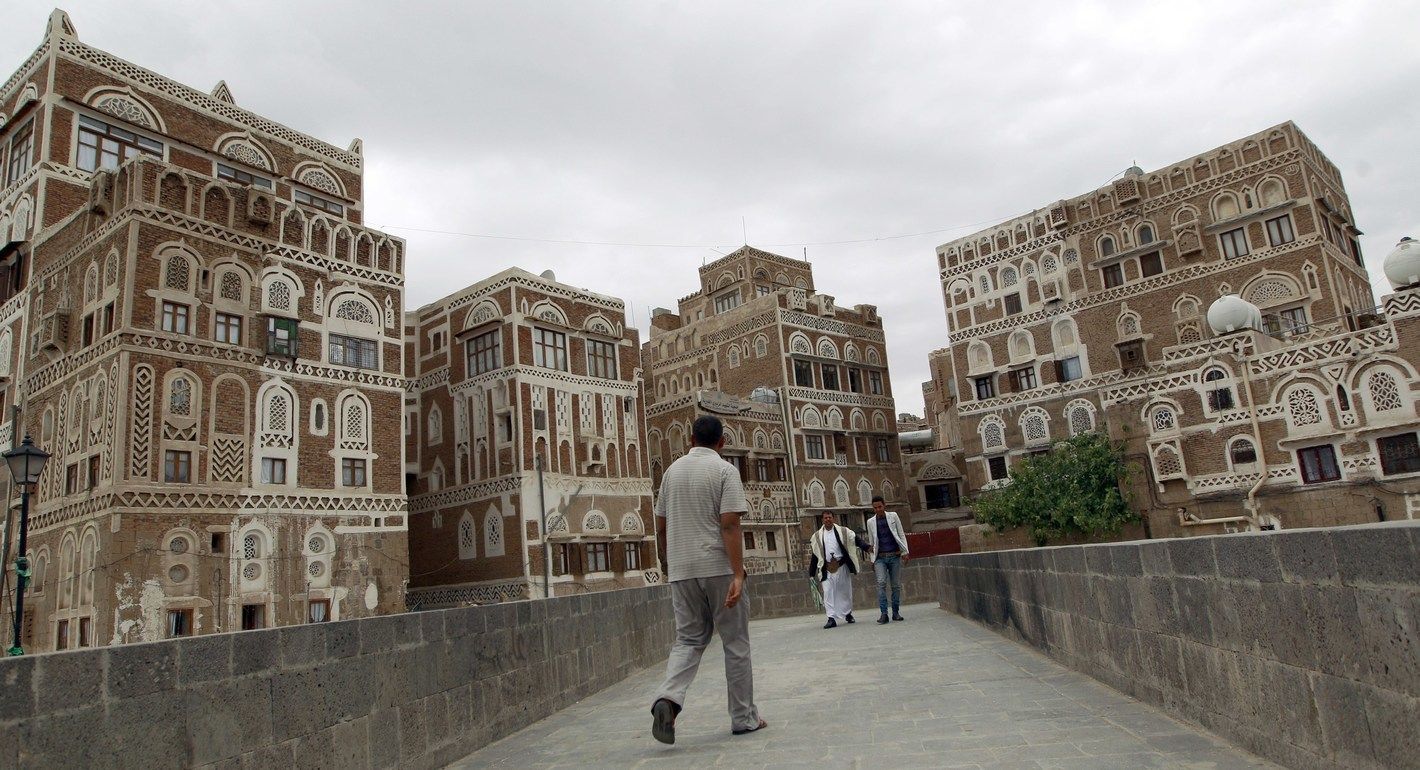
The chaos of street naming in Sana’a reflects the deep weakness of the Yemeni state and its failure to establish a unified urban identity, leaving residents to rely on informal, oral naming systems rooted in collective memory. This urban disorder is not merely a logistical problem but a symbolic struggle between state authority and local community identity.
Sarah Al-Kbat
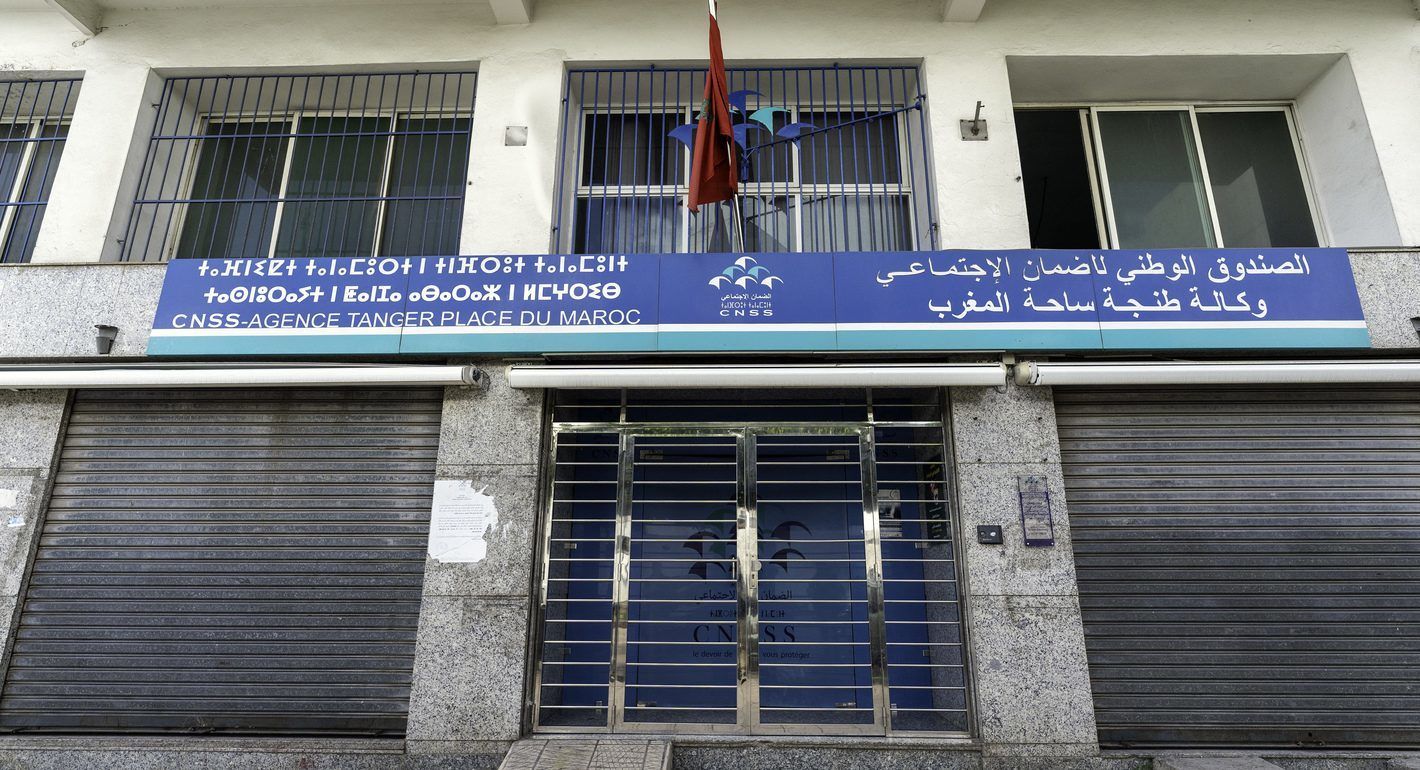
While Morocco’s shift to a digitized social targeting system improves efficiency and coordination in social programs, it also poses risks of exclusion and reinforces austerity policies. The new system uses algorithms based on socioeconomic data to determine eligibility for benefits like cash transfers and health insurance. However, due to technical flaws, digital inequality, and rigid criteria, many vulnerable families are unfairly excluded.
Abderrafie Zaanoun