

Commentary
Syria's transition promised a fresh start. But are old habits of power making a comeback? This analysis looks at the warning signs and what it will take to build a more accountable state.
Sima Beitinjaneh
{
  "authors": [
    "Laurence Louër"
  ],
  "type": "commentary",
  "blog": "Sada",
  "centerAffiliationAll": "",
  "centers": [
    "Carnegie Endowment for International Peace"
  ],
  "collections": [],
  "englishNewsletterAll": "",
  "nonEnglishNewsletterAll": "",
  "primaryCenter": "Carnegie Endowment for International Peace",
  "programAffiliation": "",
  "programs": [],
  "projects": [],
  "regions": [
    "Bahrain"
  ],
  "topics": [
    "Political Reform"
  ]
}

REQUIRED IMAGE
Since taking power in 1999, the King of Bahrain, Sheikh Hamad bin Isa Al Khalifa, has engaged in a vast program of reforms aimed at transforming his country from an emirate into a constitutional monarchy in which the Al Khalifa family's supremacy would be balanced by an elected parliament.
Since taking power in 1999, the King of Bahrain, Sheikh Hamad bin Isa Al Khalifa, has engaged in a vast program of reforms aimed at transforming his country from an emirate into a constitutional monarchy in which the Al Khalifa family's supremacy would be balanced by an elected parliament. The reforms have dramatically improved Bahrain's political climate. However, in a country where 70 percent of the population is Shiite but the key political positions remain controlled by Sunnis, especially by the royal family, the reforms have done little to address Bahrain's underlying socio-political problems.
Political reform is essential in Bahrain. When Sheikh Hamad came to power, political participation was frozen and repression was widespread. His father, Sheikh Isa bin Salman Al Khalifa, had imposed a state of emergency in 1974 and suspended Bahrain's elected parliament in 1975. Massive unrest occurred throughout the 1990s as Bahrain experienced its own Shiite-led Intifada. The country also faces a serious economic crisis. Its oil resources have run out, while population growth has outstripped economic growth and available jobs. Economic conditions are especially severe among Shiites, who constitute Bahrain's underclass and among whom unemployment may be as high as 30 percent. The country has no choice but to diversify its economy by attracting foreign investment. This can be achieved only by securing political stability. Accordingly, soon after coming to power, King Hamad made numerous conciliatory moves, including granting amnesty for political opponents, allowing freedom of speech and association, drafting a national charter for reform and a new constitution, and holding municipal and parliamentary elections.
There was widespread popular enthusiasm when the king submitted his reform program to a popular referendum in February 2001. But disappointment surfaced a year later when he unilaterally promulgated a new constitution stipulating that the legislative powers of the parliament would be greatly limited by a consultative council whose members he would directly appoint. Protesting that the new parliament would have even less power than the one dissolved in 1975, four opposition organizations (parties are illegal) boycotted the October 2002 parliamentary elections, foremost among them the Islamist Shiite group Al Wifaq. Prior to the elections, the regime redrew parliamentary constituencies to benefit Sunni candidates and granted citizenship to Gulf Cooperation Council (GCC) citizens and to several thousand foreigners serving in the Bahraini military and security forces—all of them Sunnis. Not surprisingly, many Shiites interpreted such moves as ploys to reduce their demographic dominance.
Thus it is no surprise that the elected Parliament, with its 28 Sunni members (mostly Islamists) and 12 Shiite members (mostly individuals with close ties to the government), does not reflect the socio-political reality of the country. In fact, rather than diminishing the sectarian character of Bahraini politics and easing the gap between Shiite demographic and political power, the elections have exacerbated them.
So far, the self-imposed exile of major Shiite groups from official national politics has not brought an end to Shiite opposition leaders' reconciliation with the ruling family. But it has exposed divisions within the Shiite movement. Most of the cadres of Al Wifaq and the other Shiite organizations favored electoral participation. Weakened by years of repression and by the loss of the support of Iran, which no longer seeks to export its Islamic revolution to the GCC states, these leaders believe their only realistic political strategy at this point is cooperation with the regime. But ascendant young Shiite militants view such cooperation as capitulation. They refuse to abandon the Intifada's original goals of a totally free political life, an empowered parliament, and economic rights. They denounce corruption among the old political establishment, led by the prime minister. They stress that the economic problems faced by most Shiites cannot be solved by cosmetic reforms that would, in their view, represent just a truce between the cadres of opposition and the Al Khalifa family and not a genuine political solution.
Caught between the contradictory demands of their militants and the regime, the Shiite movement's leaders have chosen to stand openly by the former while discreetly assuring the latter of their readiness to compromise. In adopting this balancing act, they have sought to prevent a more radical leadership from emerging. As a next step, the leadership may use peaceful mass mobilization, along with international advocacy by Bahraini opposition figures residing in London, to pressure the regime. But continuing tension inside the Shiite movement's ranks, along with the potential for further economic deterioration, could jeopardize the country's still-fragile political equilibrium. An additional factor that King Hamad surely never envisioned when he launched his reform program—the ascendancy of a Shiite-led regime in Iraq—could radicalize Bahrain's Shiites by sparking conflict between Sunni and Shiite Islamists in the Kingdom.
Laurence Louër is a research fellow at the Centre for International Studies and the Research Institute of Political Studies in Paris.
Laurence Louër
Laurence Louër is Associate Professor at the Centre for International Studies (CERI), Sciences.
Carnegie does not take institutional positions on public policy issues; the views represented herein are those of the author(s) and do not necessarily reflect the views of Carnegie, its staff, or its trustees.
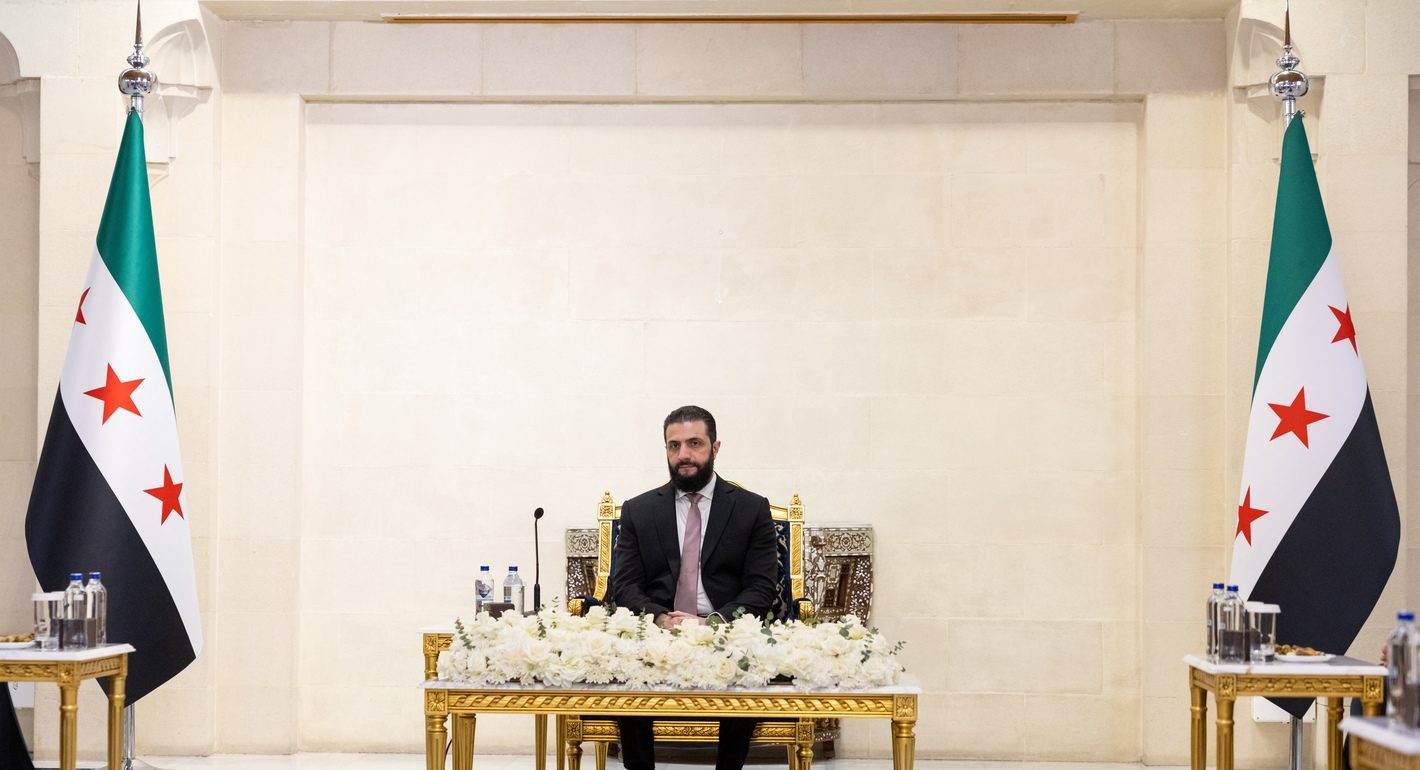
Syria's transition promised a fresh start. But are old habits of power making a comeback? This analysis looks at the warning signs and what it will take to build a more accountable state.
Sima Beitinjaneh
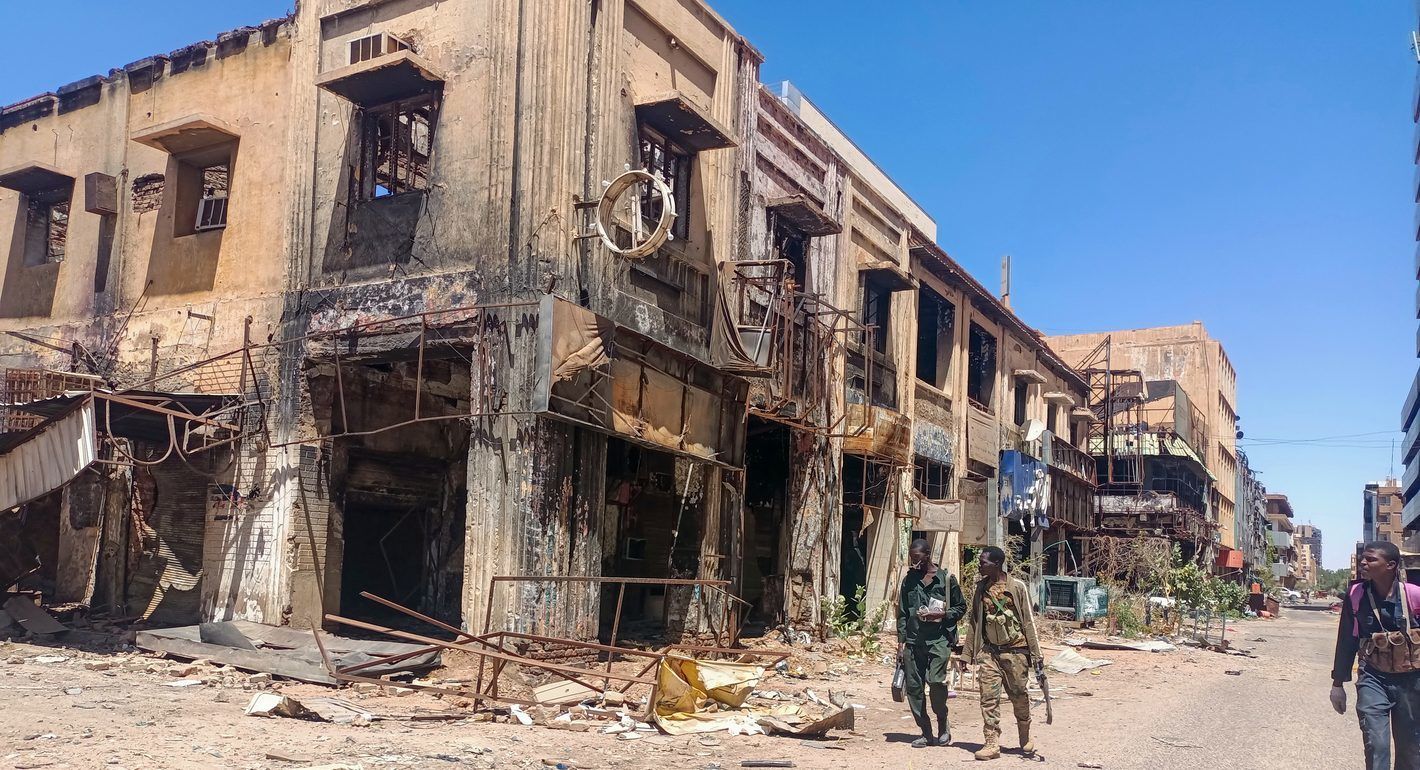
Hate speech has spread across Sudan and become a key factor in worsening the war between the army and the Rapid Support Forces. The article provides expert analysis and historical background to show how hateful rhetoric has fueled violence, justified atrocities, and weakened national unity, while also suggesting ways to counter it through justice, education, and promoting a culture of peace.
Samar Sulaiman
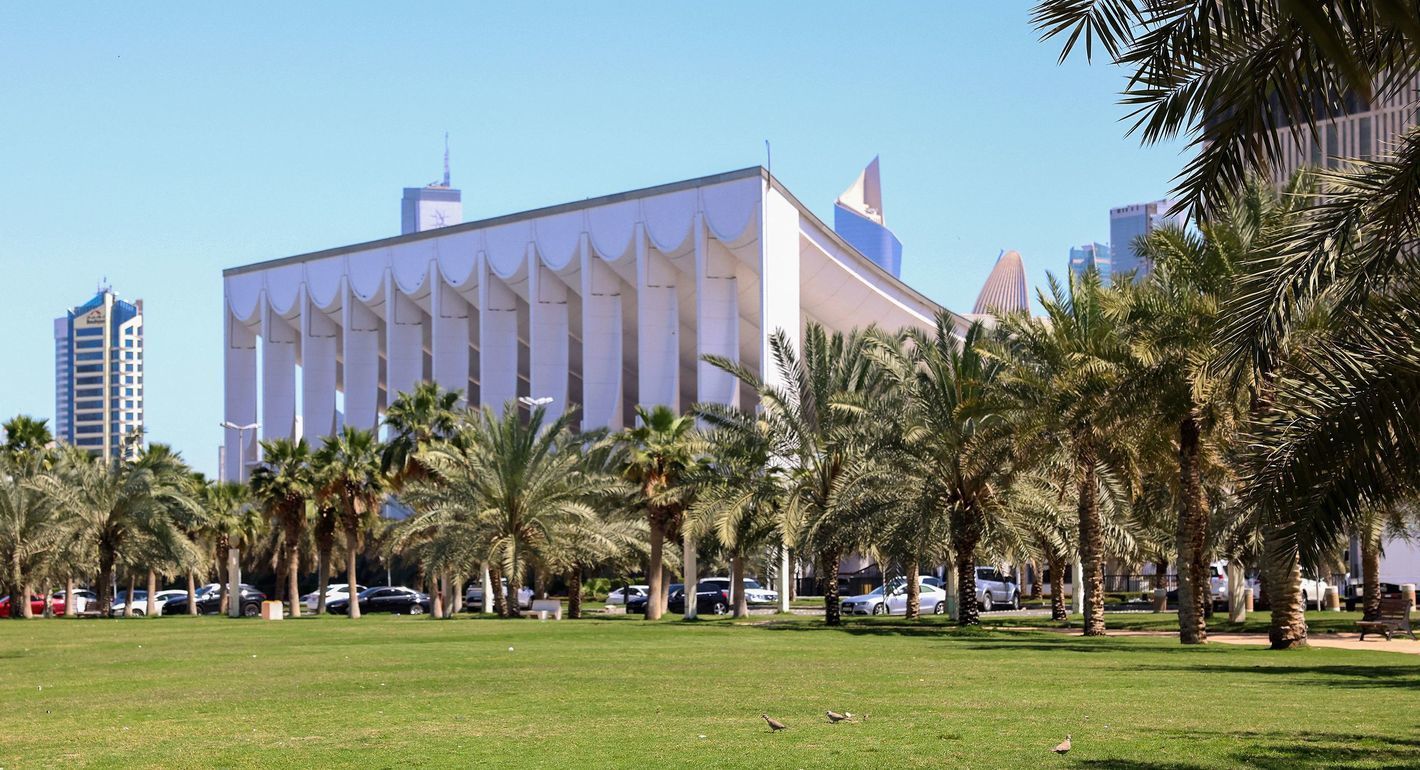
Kuwait’s government has repeatedly launched ambitious reforms under Kuwait Vision 2035, yet bureaucratic inefficiency, siloed institutions, and weak feedback mechanisms continue to stall progress. Adopting government analytics—real-time monitoring and evidence-based decision-making—can transform reform from repetitive announcements into measurable outcomes.
Dalal A. Marafie
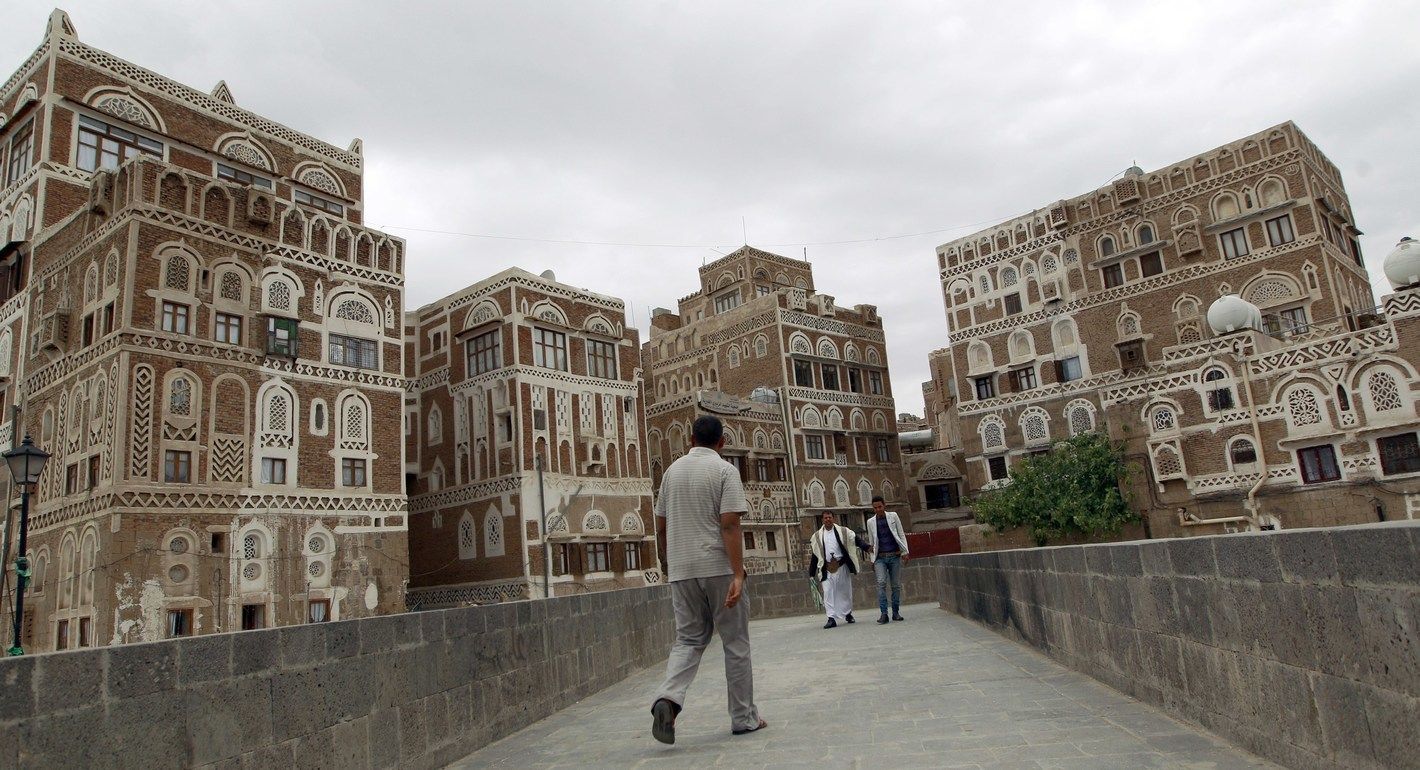
The chaos of street naming in Sana’a reflects the deep weakness of the Yemeni state and its failure to establish a unified urban identity, leaving residents to rely on informal, oral naming systems rooted in collective memory. This urban disorder is not merely a logistical problem but a symbolic struggle between state authority and local community identity.
Sarah Al-Kbat
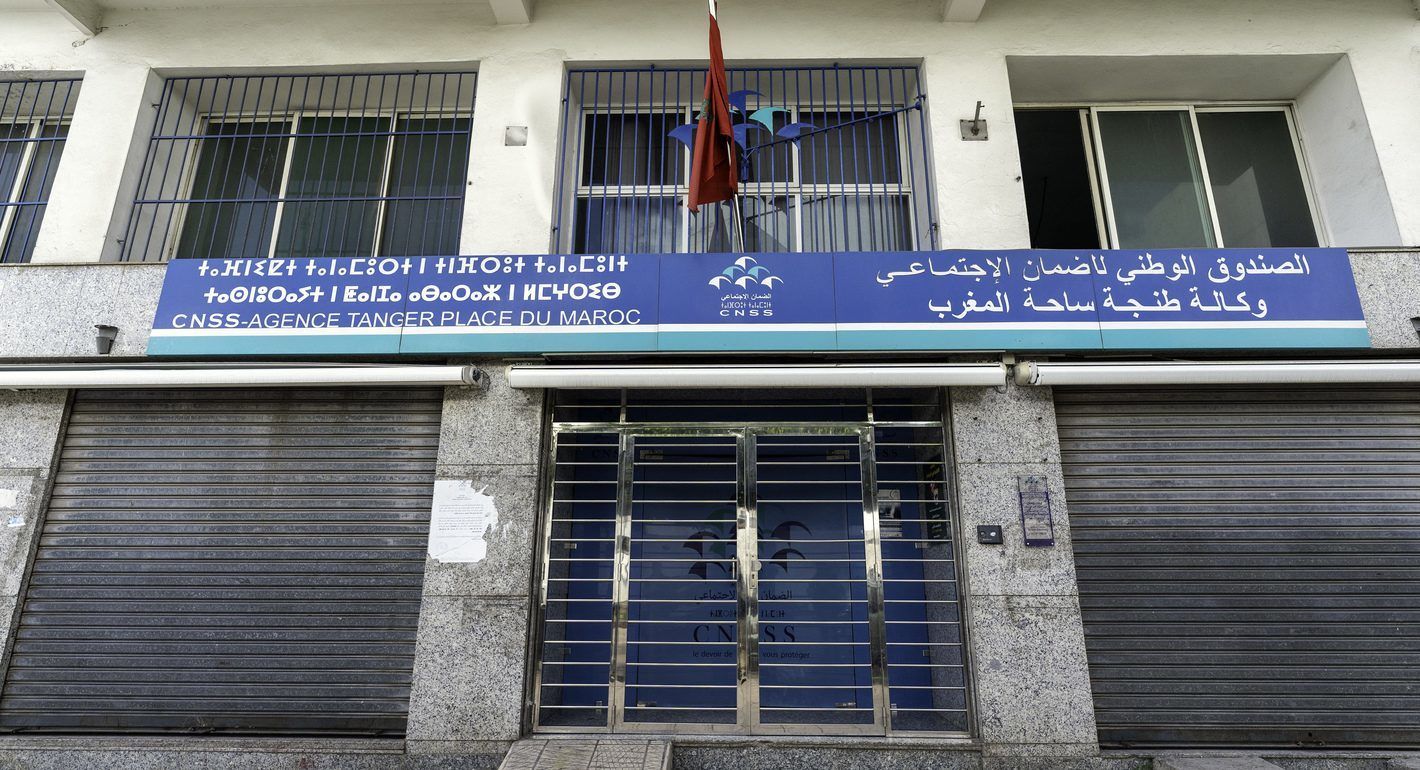
While Morocco’s shift to a digitized social targeting system improves efficiency and coordination in social programs, it also poses risks of exclusion and reinforces austerity policies. The new system uses algorithms based on socioeconomic data to determine eligibility for benefits like cash transfers and health insurance. However, due to technical flaws, digital inequality, and rigid criteria, many vulnerable families are unfairly excluded.
Abderrafie Zaanoun