

Commentary
Syria's transition promised a fresh start. But are old habits of power making a comeback? This analysis looks at the warning signs and what it will take to build a more accountable state.
Sima Beitinjaneh
{
  "authors": [
    "Abdulhadi Khalaf"
  ],
  "type": "commentary",
  "blog": "Sada",
  "centerAffiliationAll": "",
  "centers": [
    "Carnegie Endowment for International Peace"
  ],
  "collections": [],
  "englishNewsletterAll": "",
  "nonEnglishNewsletterAll": "",
  "primaryCenter": "Carnegie Endowment for International Peace",
  "programAffiliation": "",
  "programs": [],
  "projects": [],
  "regions": [
    "Bahrain"
  ],
  "topics": [
    "Political Reform"
  ]
}

REQUIRED IMAGE
Since the October 2002 elections that reinstated Bahrain's parliament after a 27-year suspension, its deputies have been trying to carve out a meaningful role for themselves. Their recent unsuccessful attempt to supervise the actions of the executive branch illustrates the difficulty of their quest.
Since the October 2002 elections that reinstated Bahrain's parliament after a 27-year suspension, its deputies have been trying to carve out a meaningful role for themselves. Their recent unsuccessful attempt to supervise the actions of the executive branch illustrates the difficulty of their quest.
The constitution promulgated by King Hamad bin Isa Al Khalifa in February 2002 places constraints upon parliament's role as a counterweight to the executive branch. The constitution divides parliament into two chambers with equal powers: the directly-elected Council of Deputies, and the Shura Council, whose members are appointed by the King. The constitution states that while deputies may prepare proposals for draft laws, only the government may bring draft laws to a vote, and that the King has the final word in any legislative dispute. In addition, a July 2002 royal decree forbids parliament from deliberating on any action taken by the executive branch prior to December 14, 2002—the date of parliament's inaugural session. (King Hamad issued 56 such decrees between the promulgation of the new constitution and the opening of parliament).
These legal limitations, the deputies' inexperience and thin popular support base, and the government's occasional subtle threats to 'end the democratic experiment' together have made the deputies hesitant to play a vigorous oversight role. Instead, they have concentrated on lobbying ministers to secure jobs and housing loans for their constituents.
In April 2003, however, the impending collapse of two government-managed pension funds gave the deputies an opportunity to stand up to the government in defense of the public interest. Since nearly all Bahraini employees in the private and public sectors had invested in these funds, outrage was widespread. Over the government's objections, deputies formed an ad hoc commission to investigate allegations of irregularities in the funds' management.
On January 10, 2004, the commission submitted a 1,200-page report to the full Council of Deputies that detailed extensive mismanagement and corruption by the funds' senior staff. The report recommended that the deputies question the Minister of Finance and the Minister of Labor, who oversee the pension funds, as well as the Minister of State, who previously served as Minister of Labor. This would be the first step before a vote of no-confidence in an individual minister. The government moved quickly to prevent the parliamentary exercise from going any further. It worried that deputies might use the opportunity to try to subject the Prime Minister, Khalifa bin Salman Al Khalifa, to unprecedented questioning. Al Khalifa, the King's uncle, has controlled all instruments of power since Bahrain gained independence from Britain in 1971 and is considered politically untouchable.
In an attempt to dissuade deputies from launching the questioning procedure, the government promised to rescue the two pension funds and to compensate members for their losses. The compensation package included some 16 million Bahraini dinars ($38 million) in cash, and several plots of land in an expensive area of the capital, Manama. The Speaker of the Council of Deputies, Khalifa Al Dhahrani, a protégé of the Prime Minister, warned his colleagues 'not to rock the boat'—a thinly-veiled reference to the government's 1975 dissolution of Bahrain's first parliament after deputies attempted to block a controversial security law.
To their credit, most deputies held their ground. On April 14, the Council summoned the three ministers for questioning. By way of an informal agreement with the government, deputies limited their questions to the role each minister played in the administration of the pension funds. Deputies also agreed to restrict their questions to issues directly related to the two funds' financial woes. Yet, the exercise was of historical significance because it helped, as one deputy put it, to "establish parliamentary traditions" without "souring the relations between the executive and the legislative powers." In another first, the government-controlled satellite television station aired portions of the debate, albeit heavily edited.
The three ministers emerged from three weeks of serious, often heated, questioning and debates with their jobs intact. The government relied on several legal technicalities to gain the upper hand over the deputies. By invoking article 145 of the Council's own by-laws, which stipulates that ministers cannot be held accountable for actions performed when they held portfolios other than their current ones, the government managed to limit questioning of the Minister of State. It also invoked article 45 of the July 2002 royal decree, which effectively exempted the Minister of Finance from scrutiny. The Minister of Labor, appointed in November 2003, was deemed too new to the job to be held accountable. The episode reflected poorly on the government as a whole, however, as the commission's report revealed that losses incurred by the pension funds resulted from bad investment decisions, mismanagement, and corruption.
The defeat of the deputies' first serious attempt to establish governmental accountability may lead parliament to assume a largely ceremonial role. On the other hand, by consolidating the opposition's view that Bahrain has a long way to go before it is truly the 'modern constitutional monarchy' that King Hamad proclaimed it to be in February 2002, the pension fund episode may invigorate the struggle for democracy in the country.
Abdulhadi Khalaf teaches sociology at University of Lund, Sweden.
Abdulhadi Khalaf
Carnegie does not take institutional positions on public policy issues; the views represented herein are those of the author(s) and do not necessarily reflect the views of Carnegie, its staff, or its trustees.
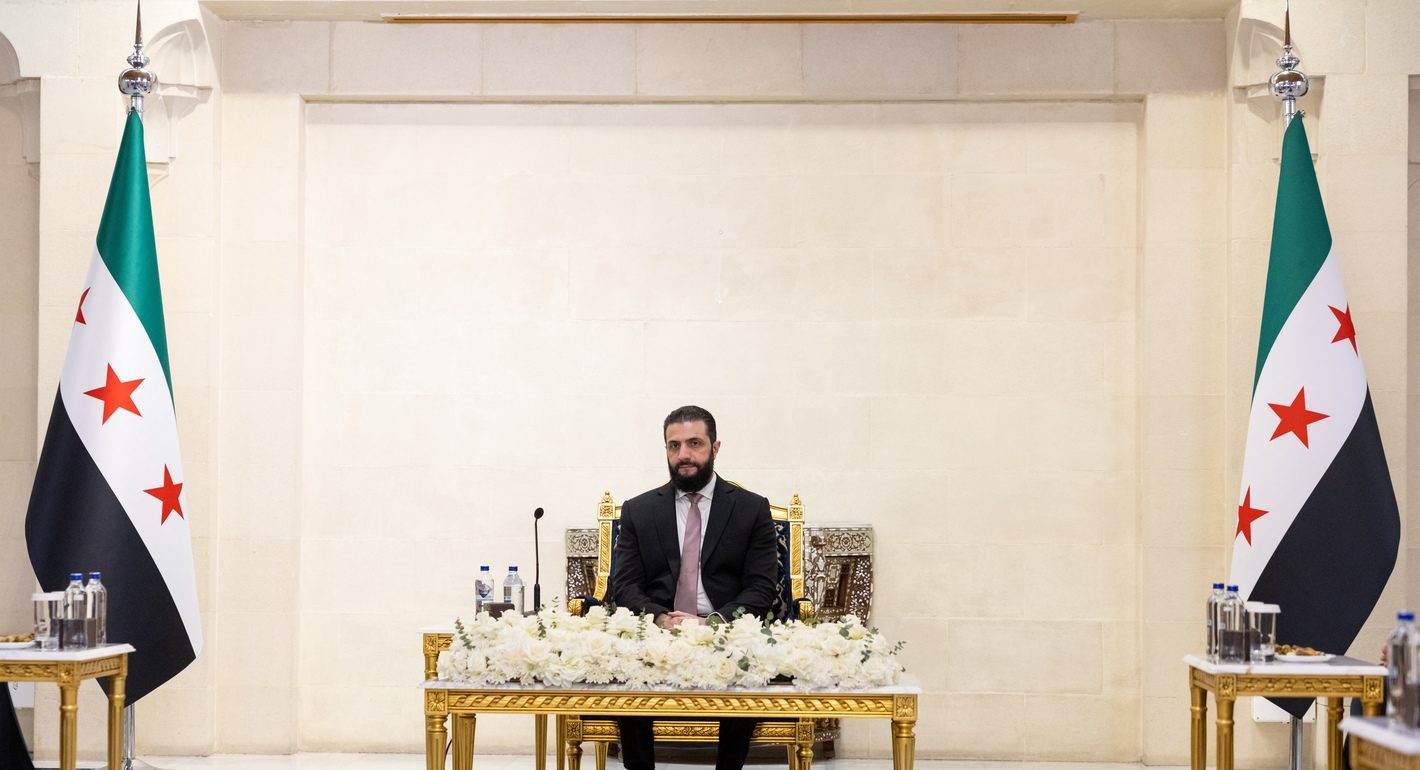
Syria's transition promised a fresh start. But are old habits of power making a comeback? This analysis looks at the warning signs and what it will take to build a more accountable state.
Sima Beitinjaneh
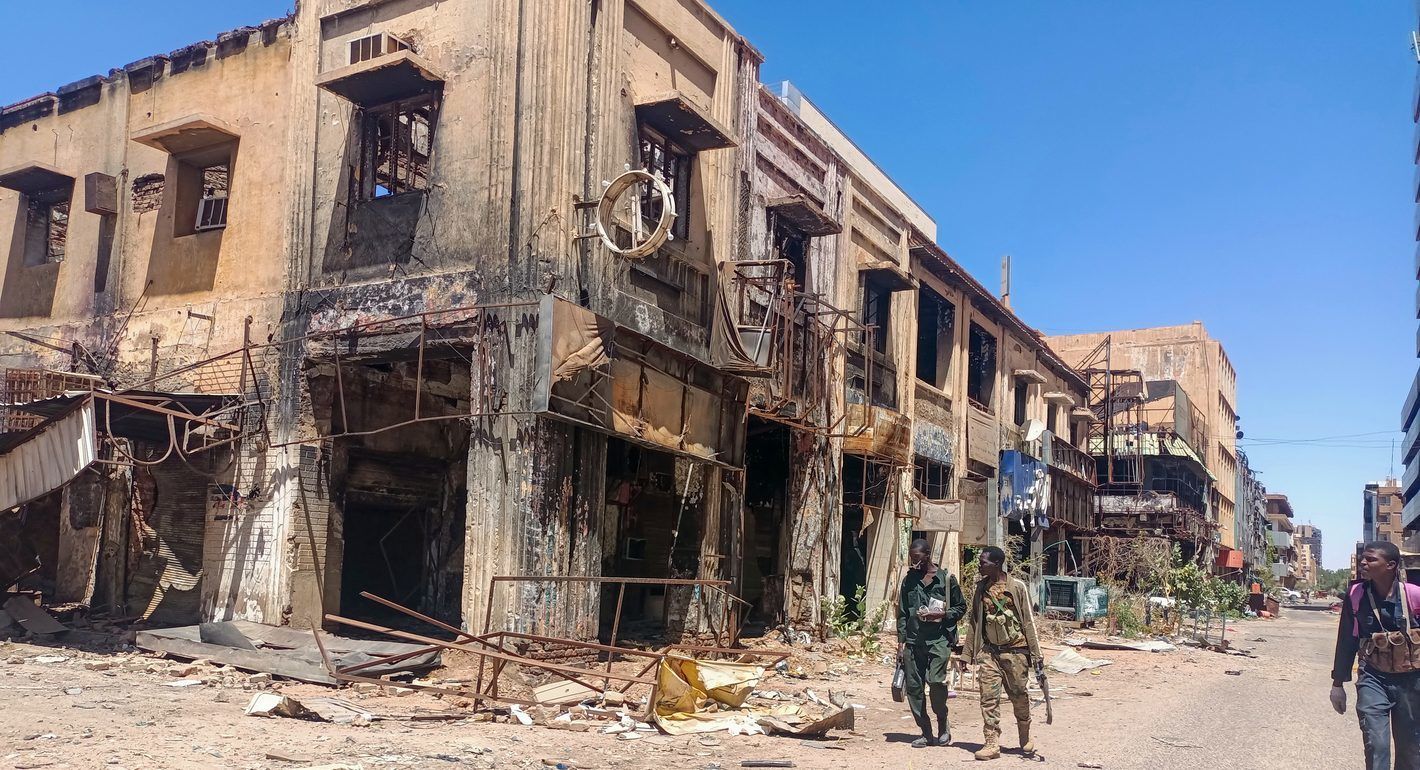
Hate speech has spread across Sudan and become a key factor in worsening the war between the army and the Rapid Support Forces. The article provides expert analysis and historical background to show how hateful rhetoric has fueled violence, justified atrocities, and weakened national unity, while also suggesting ways to counter it through justice, education, and promoting a culture of peace.
Samar Sulaiman
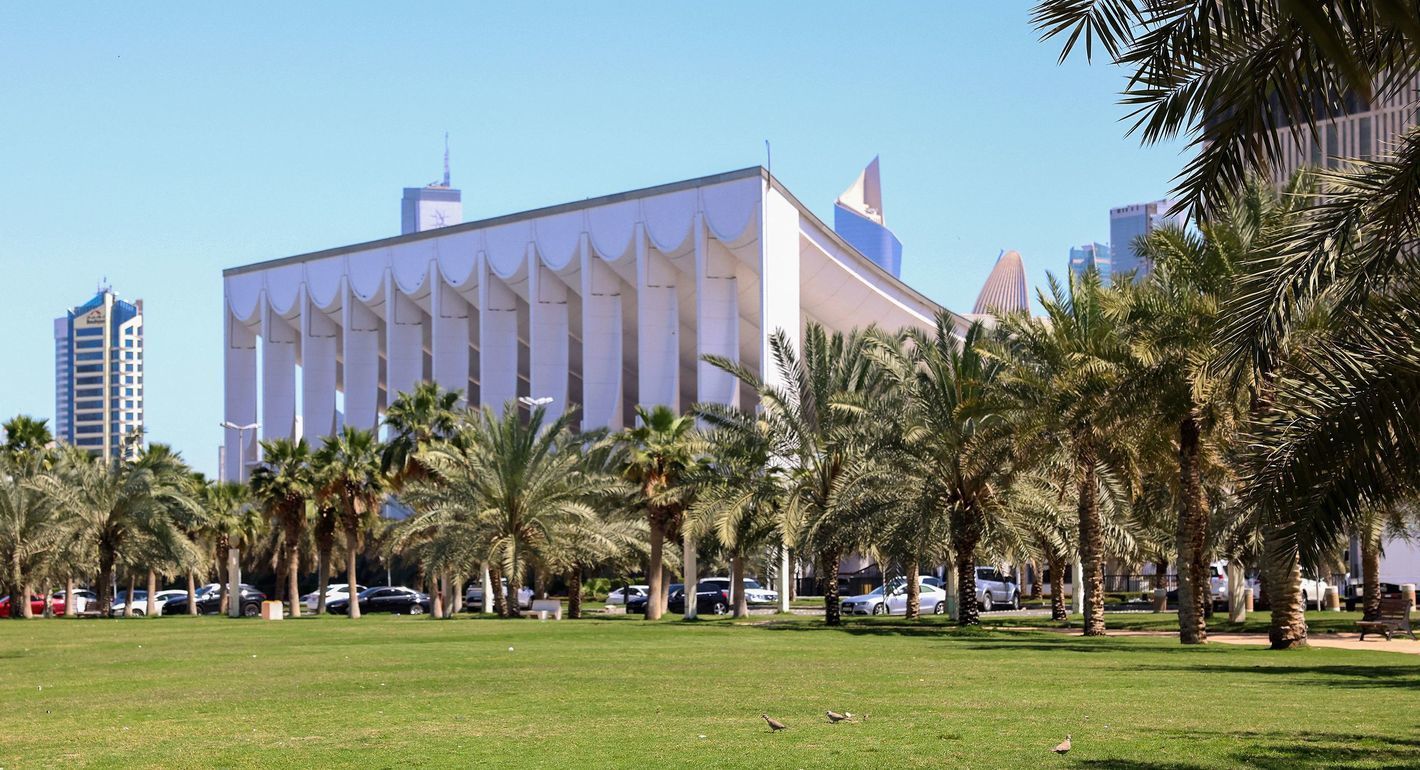
Kuwait’s government has repeatedly launched ambitious reforms under Kuwait Vision 2035, yet bureaucratic inefficiency, siloed institutions, and weak feedback mechanisms continue to stall progress. Adopting government analytics—real-time monitoring and evidence-based decision-making—can transform reform from repetitive announcements into measurable outcomes.
Dalal A. Marafie
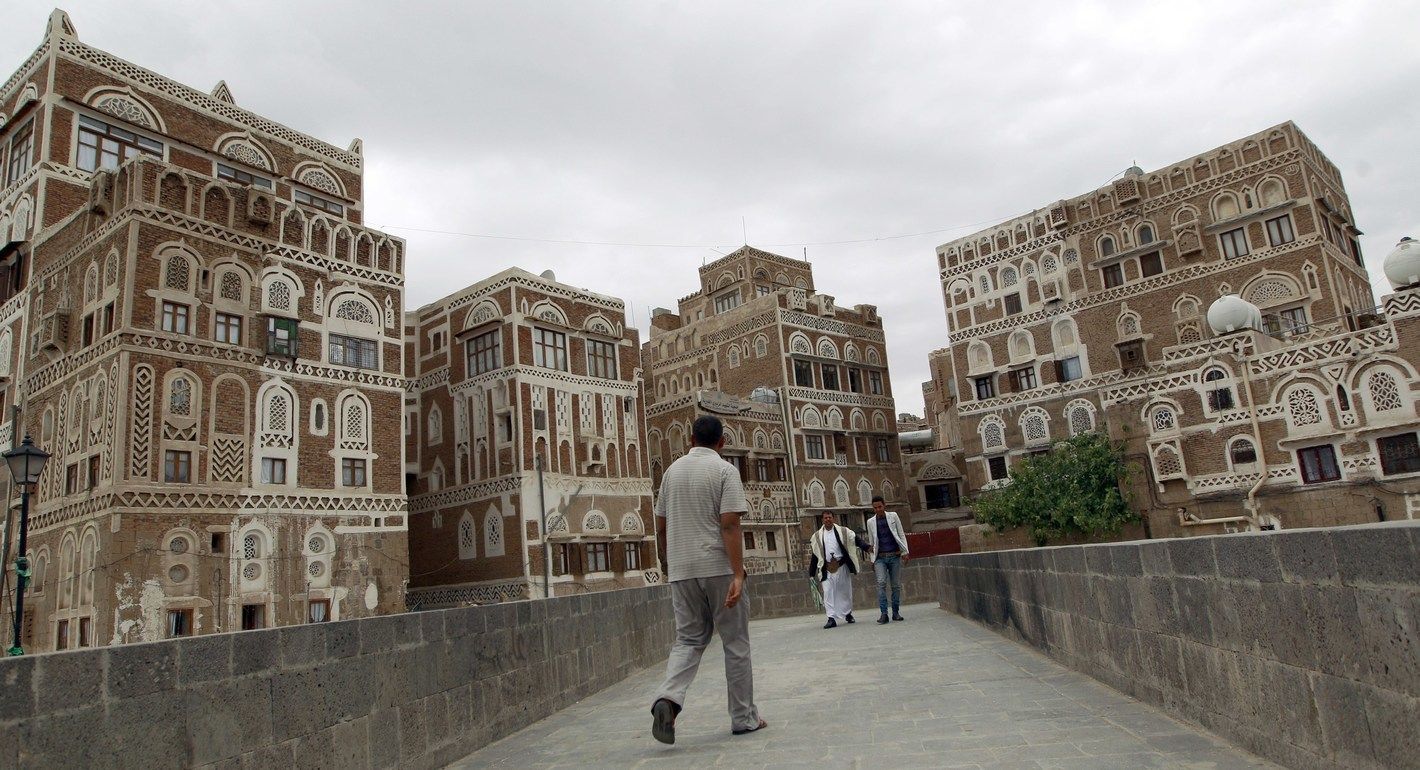
The chaos of street naming in Sana’a reflects the deep weakness of the Yemeni state and its failure to establish a unified urban identity, leaving residents to rely on informal, oral naming systems rooted in collective memory. This urban disorder is not merely a logistical problem but a symbolic struggle between state authority and local community identity.
Sarah Al-Kbat
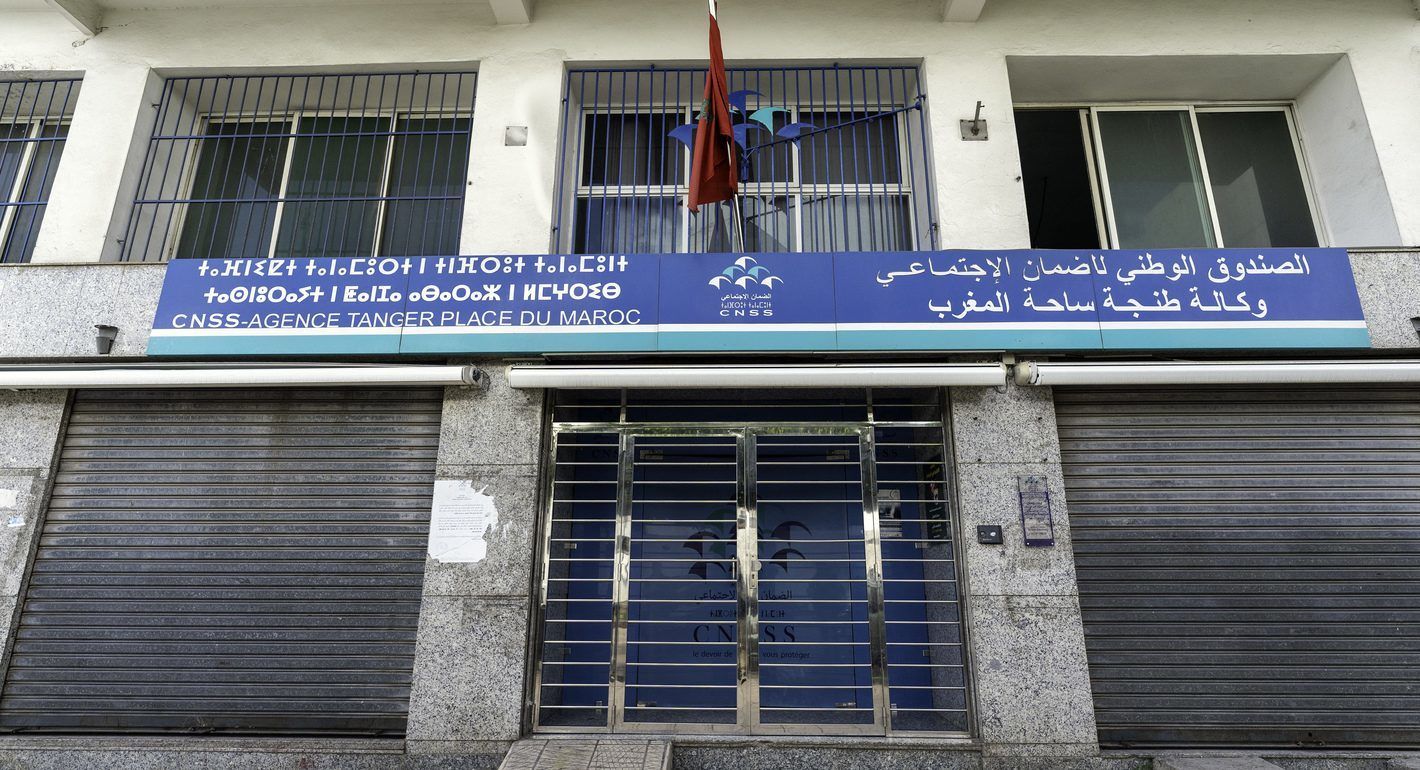
While Morocco’s shift to a digitized social targeting system improves efficiency and coordination in social programs, it also poses risks of exclusion and reinforces austerity policies. The new system uses algorithms based on socioeconomic data to determine eligibility for benefits like cash transfers and health insurance. However, due to technical flaws, digital inequality, and rigid criteria, many vulnerable families are unfairly excluded.
Abderrafie Zaanoun