

Commentary
Syria's transition promised a fresh start. But are old habits of power making a comeback? This analysis looks at the warning signs and what it will take to build a more accountable state.
Sima Beitinjaneh
{
  "authors": [
    "Toby Jones"
  ],
  "type": "commentary",
  "blog": "Sada",
  "centerAffiliationAll": "",
  "centers": [
    "Carnegie Endowment for International Peace"
  ],
  "collections": [],
  "englishNewsletterAll": "",
  "nonEnglishNewsletterAll": "",
  "primaryCenter": "Carnegie Endowment for International Peace",
  "programAffiliation": "",
  "programs": [],
  "projects": [],
  "regions": [
    "Bahrain"
  ],
  "topics": [
    "Political Reform"
  ]
}

REQUIRED IMAGE
A political showdown is looming in Bahrain this year. Intensifying domestic and regional pressures—including frustration over Bahrain's disappointing experiment in political reform, escalating social problems, and aggravated sectarian tensions—grip the country. The moment of truth will come in October 2006, when elections to the national parliament are scheduled to be held.
A political showdown is looming in Bahrain this year. Intensifying domestic and regional pressures—including frustration over Bahrain's disappointing experiment in political reform, escalating social problems, and aggravated sectarian tensions—grip the country. The moment of truth will come in October 2006, when elections to the national parliament are scheduled to be held.
Four years ago, frustrated by the promulgation of what they correctly viewed as a flawed constitution, the country's four main political societies joined in rejecting the unilateral changes handed down to them by a ruling family more interested in protecting its power than sharing it. Technically political parties remain illegal, but political societies such as Al Wefaq (“Concord,” Bahrain's largest and predominantly Shiite political society) have decided to end their boycott and field candidates for the October elections. Despite this change in tactics, the opposition societies remain committed to pursuing their long-established goal of rewriting the constitution to bring it into line with their vision of Bahrain as a constitutional monarchy. In addition, largely as a result of the galvanizing influence of the Bahrain Center for Human Rights in drawing attention to the charged issues of unemployment and predominant poverty in the Shiite community, Al Wefaq has branched out to turn some of its attention to addressing these crises.
The prospect of political competition has raised uncomfortable questions as well as the possibility of an escalation of tensions. Even though opposition political societies enjoy considerable support in Bahrain, they are unlikely to capture even half of the parliament's 40 elected seats. The government guaranteed that the Shiites would remain underrepresented when it gerrymandered openly discriminatory electoral districts in 2002, a system that remains unchanged today. At best, Al Wefaq and the rest of the opposition, who will not compete against each other in individual parliamentary races, hope to capture between 15 and 18 seats.
Opposition leaders also face the possibility of having to quit parliament if the government refuses to address their key grievances, as well as the fact that rapidly emerging alternatives could drain away their support if they misstep. A number of members split from Al Wefaq and formed the Haqq (“Justice”) society in late 2005, mostly as a result of their conviction that by deciding to participate in the system Al Wefaq was lending credibility to an illegitimate government. Haqq gained public attention recently when it circulated a petition calling for the United Nations to intervene in Bahrain and compel the writing of a new constitution. Should the opposition fail in parliament, Haqq might well benefit, as could more populist and confrontational organizations that orbit around the outlawed but omnipresent Bahraini Center for Human Rights, groups that have already demonstrated their willingness to provoke and endure the violent tactics employed by the state.
Cognizant of all these risks, opposition leaders nonetheless hope that their decision to participate will exert more pressure on the government than the boycott did. With regard to reform, state leaders have for over four years proven not only resistant to compromise and unwilling to negotiate a middle ground with its critics, but reluctant even to engage in dialogue. The October elections will prove an important litmus test. It is likely that the country's leaders will be tempted to declare victory with the end of the boycott, pointing to the opposition's participation as a sign of weakness and refusing to address seriously the long list of opposition critiques. Another possibility, one that has taken shape as a rumor, is that King Hamad will postpone the elections in order to delay a test of strength. Either of these two courses could lead to a radicalization of politics.
The elephant in the room is the problem of sectarianism. Shiites make up approximately 70 percent of the country's indigenous population, and many have grown restive in recent years as a result of government-led discrimination. The bombing of the Askariyya Shrine in Iraq in February 2005 led to the largest public protests in Bahrain's history, with as many as 100,000 Shiites taking to the streets the Friday following the attack. Demonstrators downplayed sectarian strife, but the event was clearly a show of Shiite force. Widespread sectarian violence is unlikely for now even with Iraq's slide toward civil war. But that could easily change. Bahrain's leaders have historically proven more adept at inflaming sectarian anxieties than soothing them and can even now be seen as periodically maneuvering Sunnis and Shiites against one another. If Bahrain's Sunni leadership reacts to rising Shiite power throughout the region by becoming more intransigent in dealing with sectarian problems and stalling reforms, this year's political showdown may prove to be a prelude to a more ominous one later on.
Toby Jones, most recently the Persian Gulf analyst with the International Crisis Group, will be a Mellon post-doctoral fellow in History at Swarthmore College from 2006-2008.
Toby Jones
Carnegie does not take institutional positions on public policy issues; the views represented herein are those of the author(s) and do not necessarily reflect the views of Carnegie, its staff, or its trustees.
Syria's transition promised a fresh start. But are old habits of power making a comeback? This analysis looks at the warning signs and what it will take to build a more accountable state.
Sima Beitinjaneh
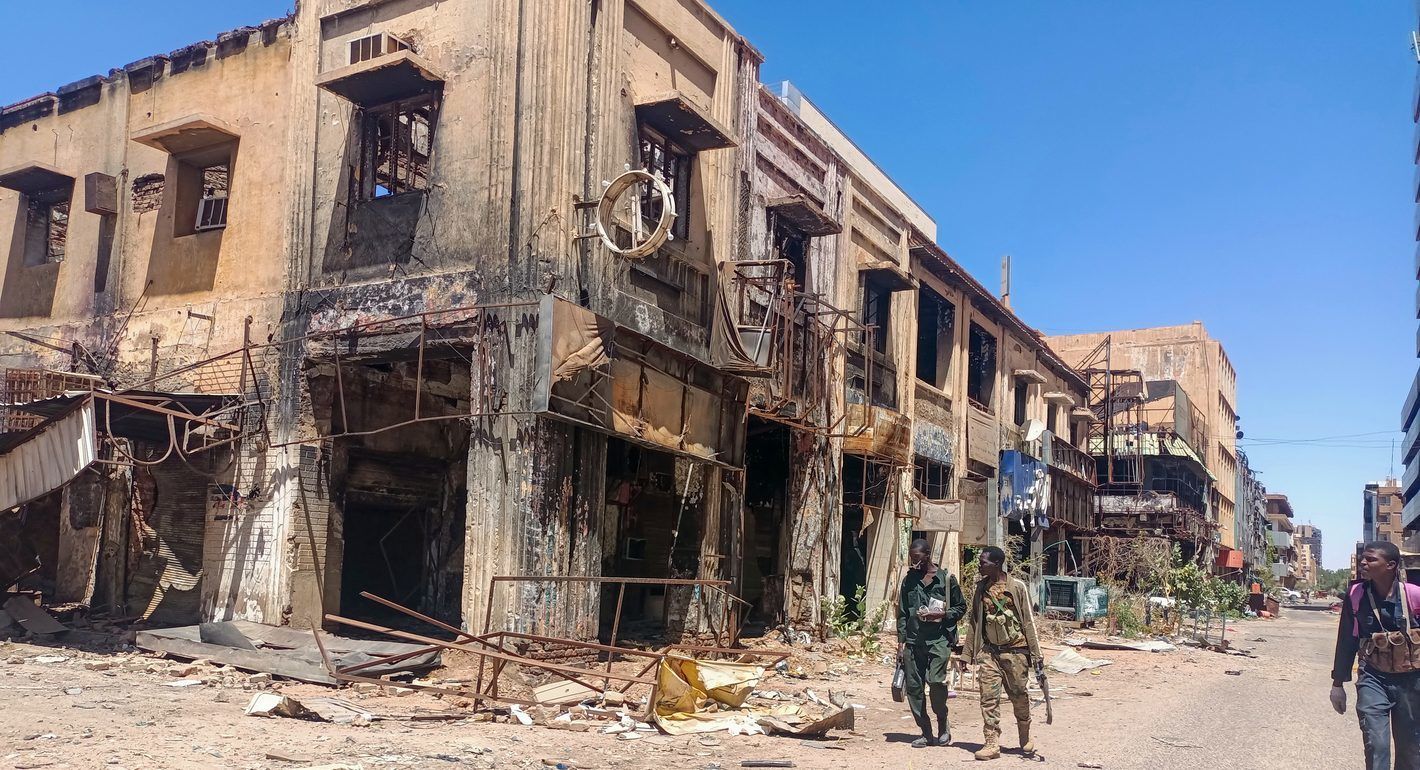
Hate speech has spread across Sudan and become a key factor in worsening the war between the army and the Rapid Support Forces. The article provides expert analysis and historical background to show how hateful rhetoric has fueled violence, justified atrocities, and weakened national unity, while also suggesting ways to counter it through justice, education, and promoting a culture of peace.
Samar Sulaiman
Kuwait’s government has repeatedly launched ambitious reforms under Kuwait Vision 2035, yet bureaucratic inefficiency, siloed institutions, and weak feedback mechanisms continue to stall progress. Adopting government analytics—real-time monitoring and evidence-based decision-making—can transform reform from repetitive announcements into measurable outcomes.
Dalal A. Marafie
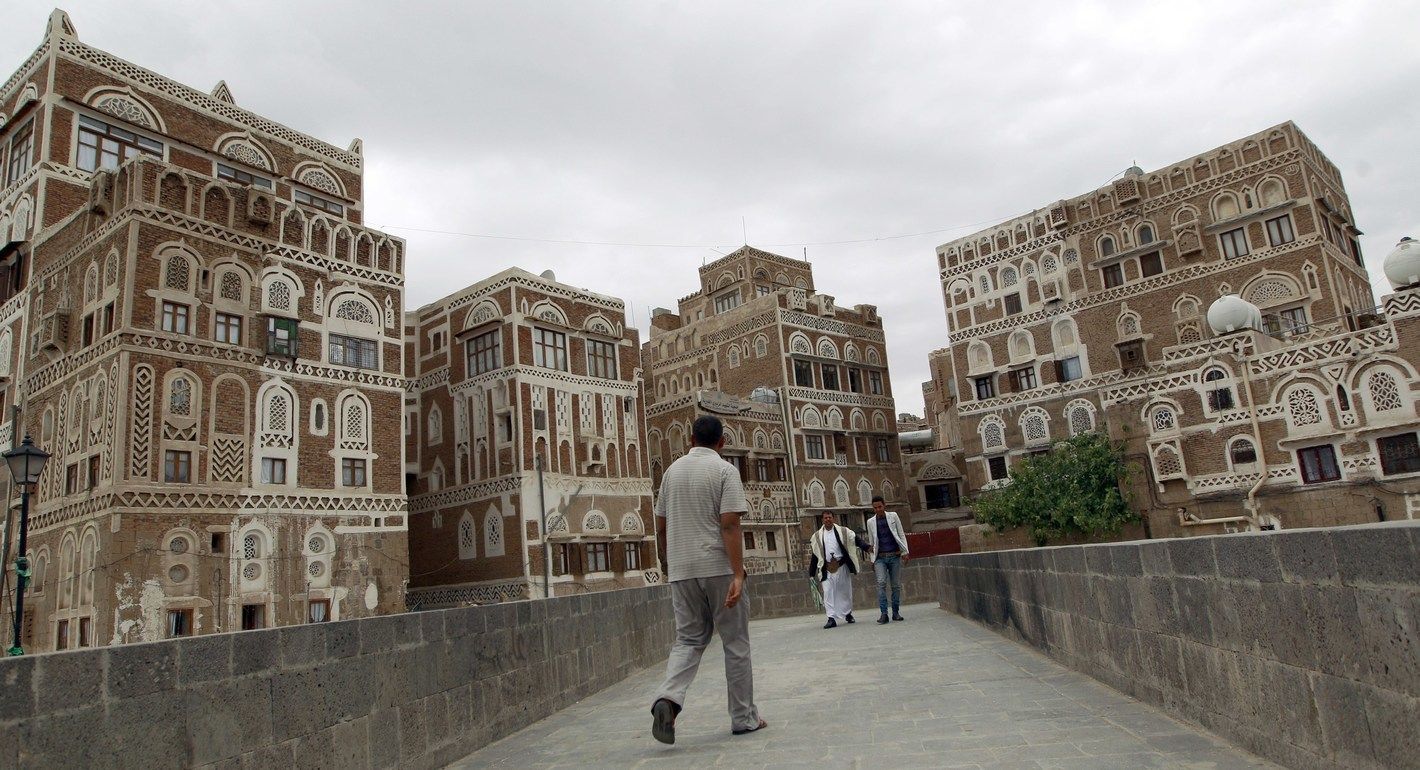
The chaos of street naming in Sana’a reflects the deep weakness of the Yemeni state and its failure to establish a unified urban identity, leaving residents to rely on informal, oral naming systems rooted in collective memory. This urban disorder is not merely a logistical problem but a symbolic struggle between state authority and local community identity.
Sarah Al-Kbat
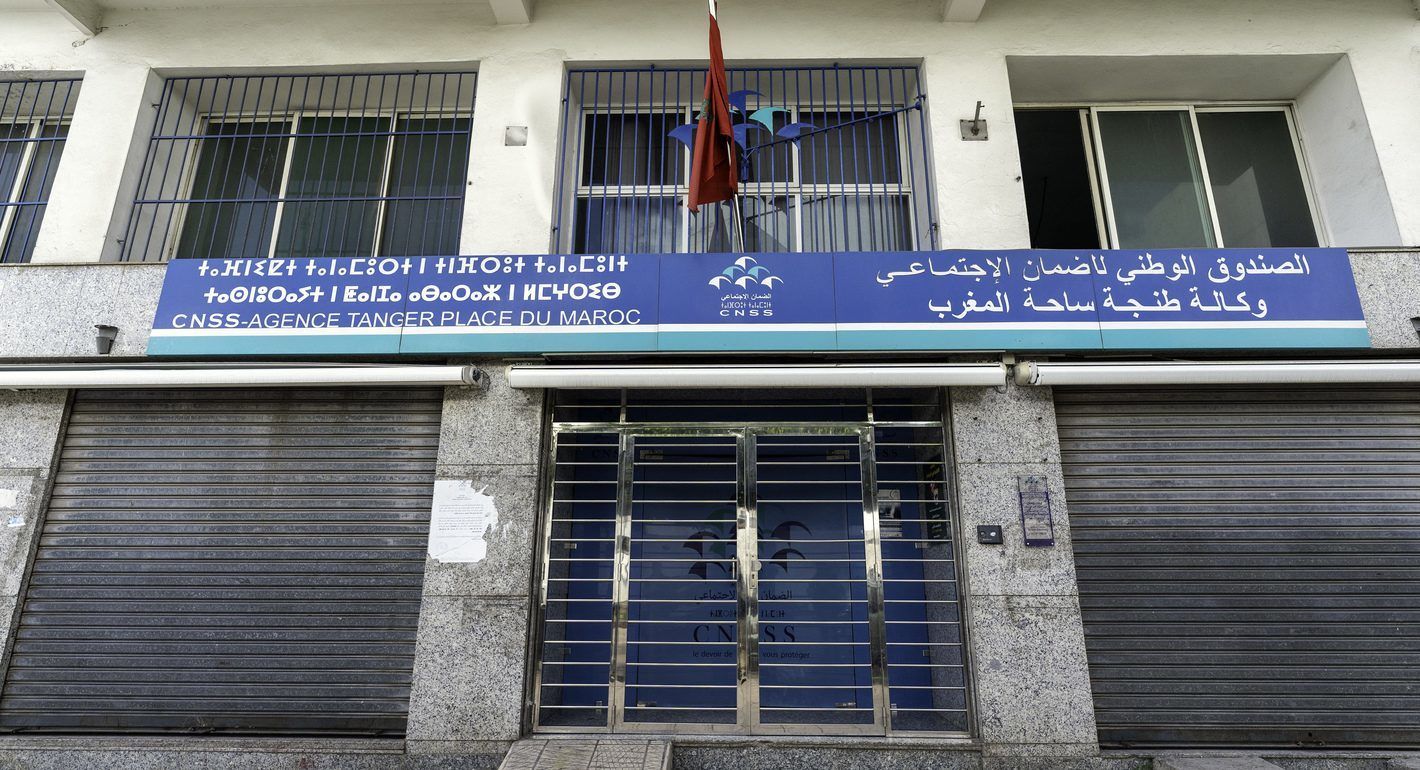
While Morocco’s shift to a digitized social targeting system improves efficiency and coordination in social programs, it also poses risks of exclusion and reinforces austerity policies. The new system uses algorithms based on socioeconomic data to determine eligibility for benefits like cash transfers and health insurance. However, due to technical flaws, digital inequality, and rigid criteria, many vulnerable families are unfairly excluded.
Abderrafie Zaanoun