• Research
  • Emissary
  • About
  • Experts
Carnegie Global logoCarnegie lettermark logo
DemocracyIran
  • Donate
{
  "authors": [
    "Abdullah Alshayeji"
  ],
  "type": "commentary",
  "blog": "Sada",
  "centerAffiliationAll": "",
  "centers": [
    "Carnegie Endowment for International Peace"
  ],
  "collections": [],
  "englishNewsletterAll": "",
  "nonEnglishNewsletterAll": "",
  "primaryCenter": "Carnegie Endowment for International Peace",
  "programAffiliation": "",
  "programs": [],
  "projects": [],
  "regions": [
    "Kuwait"
  ],
  "topics": [
    "Political Reform"
  ]
}
Attribution logo
REQUIRED IMAGE

REQUIRED IMAGE

Commentary
Sada

Beyond Women’s Suffrage in Kuwait

In what will be remembered as the year of the woman in Kuwait, Prime Minister Sabah Ahmad Al Sabah on June 12 appointed Massouma Almubarak as Minister of Planning and Administrative Development. Just one month earlier, the feisty Kuwaiti parliament gave women the vote after having resisted the Emir's initiative since 1999. These steps have changed politics in Kuwait permanently.

Link Copied
By Abdullah Alshayeji
Published on Aug 20, 2008
Sada

Blog

Sada

Sada is an online journal rooted in Carnegie’s Middle East Program that seeks to foster and enrich debate about key political, economic, and social issues in the Arab world and provides a venue for new and established voices to deliver reflective analysis on these issues.

Learn More

In what will be remembered as the year of the woman in Kuwait, Prime Minister Sabah Ahmad Al Sabah on June 12 appointed Massouma Almubarak as Minister of Planning and Administrative Development. Just one month earlier, the feisty Kuwaiti parliament gave women the vote after having resisted the Emir's initiative since 1999. These steps have changed politics in Kuwait permanently. Other Gulf countries are undergoing similar transformations—Bahrain, Qatar, Oman, and the United Arab Emirates also now have female cabinet members—but the achievement of women's political rights was even more significant in Kuwait, where it was the result of intensive political and social debate rather than executive fiat.

The appointment of Minister Almubarak, a liberal Shiite academic with a degree from the University of Denver, served several purposes at once for the Kuwaiti government. In addition to addressing the longstanding aspirations of Kuwaiti women, the choice of Almubarak also mollified Shiites, who had been disgruntled since the only Shiite minister resigned from the cabinet in January 2005. The fact that Almubarak wore a headscarf also served to blunt criticism of her appointment by Islamists, who had inserted into the recent suffrage bill a clause calling for women politicians to abide by Islamic law. And of course the move won Kuwait high marks from the international community on the eve of U.S. Secretary of State Rice's visit to Kuwait and the Kuwaiti Prime Minister's visit to Washington.

For Kuwaiti women now, the immediate challenge is how to mobilize themselves and translate their newfound rights into effective political participation. The battle of political awareness is upon us, and the burden falls squarely on Kuwaiti women's organizations and their supporters to prove wrong those who opposed suffrage on the grounds that women were not prepared to exercise such rights.

While some in Kuwait hope that women's suffrage will mark the end of the road for reform, most believe it is only the first step toward greater political involvement and power sharing. Now the long-postponed discussion of political reforms can begin. One issue likely to emerge is redrawing electoral districts from the current 25 to ten or even five districts in order to make them more broadly representative (and less based on sectarian or tribal factors) and to discourage vote buying and changing residency. Furthermore, debate is likely to resume on the issue of lowering the voting age from 21 to 18, an initiative supported by most members of parliament (including the Interior and Armed Services Committees) but so far opposed by the government.

The huge influx of women voters—which will increase eligible Kuwaitis from 140,000 to 350,000 for the 2007 parliamentary elections—will also lead to serious discussion of legalizing political parties. If in addition the voting age is lowered to 18 and military personnel are enfranchised, the current voter base would be tripled. In this situation, there will be an urgent need for political parties (until now forbidden) to organize and channel participation. Parties will also be needed to improve women's chances of being elected to parliament, because in the absence of quotas few will be elected as independents. In any case, the era of independent candidates is over in Kuwait for men as well as women.

Women's suffrage might have another salutary effect on Kuwaiti politics in that it is serving to shift the focus of politics from personal, tribal, and sectarian factors to a broader and more comprehensive national political sphere. Thus Kuwaitis with better professional qualifications might be attracted to run for office, whereas in the past many shied away due to the consuming demands of personal patronage. Until now, such personalized politics have undermined checks and balances as well as accountability and oversight in the Kuwaiti system.

Since its inception over four decades ago, the Kuwaiti parliamentary experience has been the harbinger and beacon for other Gulf states. With the full participation of all its citizens, Kuwait now becomes more important than ever before as an indigenous model. As such, the fate of the Kuwaiti experiment is no longer solely a domestic issue but one of regional significance.

Abdullah Alshayeji is Professor of Political Science at Kuwait University.

About the Author

Abdullah Alshayeji

Abdullah Alshayeji
Political ReformKuwait

Carnegie does not take institutional positions on public policy issues; the views represented herein are those of the author(s) and do not necessarily reflect the views of Carnegie, its staff, or its trustees.

More Work from Sada

  • Commentary
    Sada
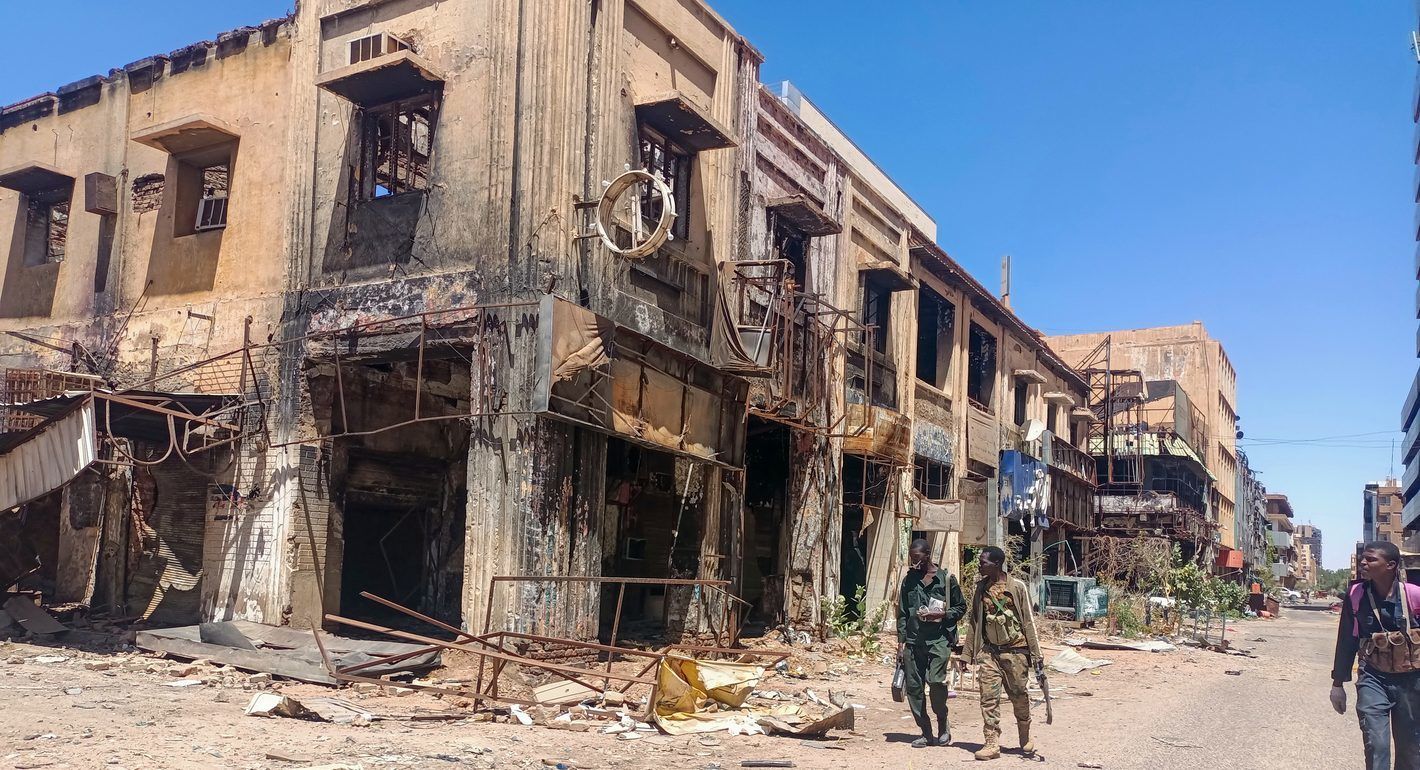
    A War Fueled by Hate Speech: Sudan’s Fall into Fragmentation

    Hate speech has spread across Sudan and become a key factor in worsening the war between the army and the Rapid Support Forces. The article provides expert analysis and historical background to show how hateful rhetoric has fueled violence, justified atrocities, and weakened national unity, while also suggesting ways to counter it through justice, education, and promoting a culture of peace.

      Samar Sulaiman

  • Commentary
    Sada
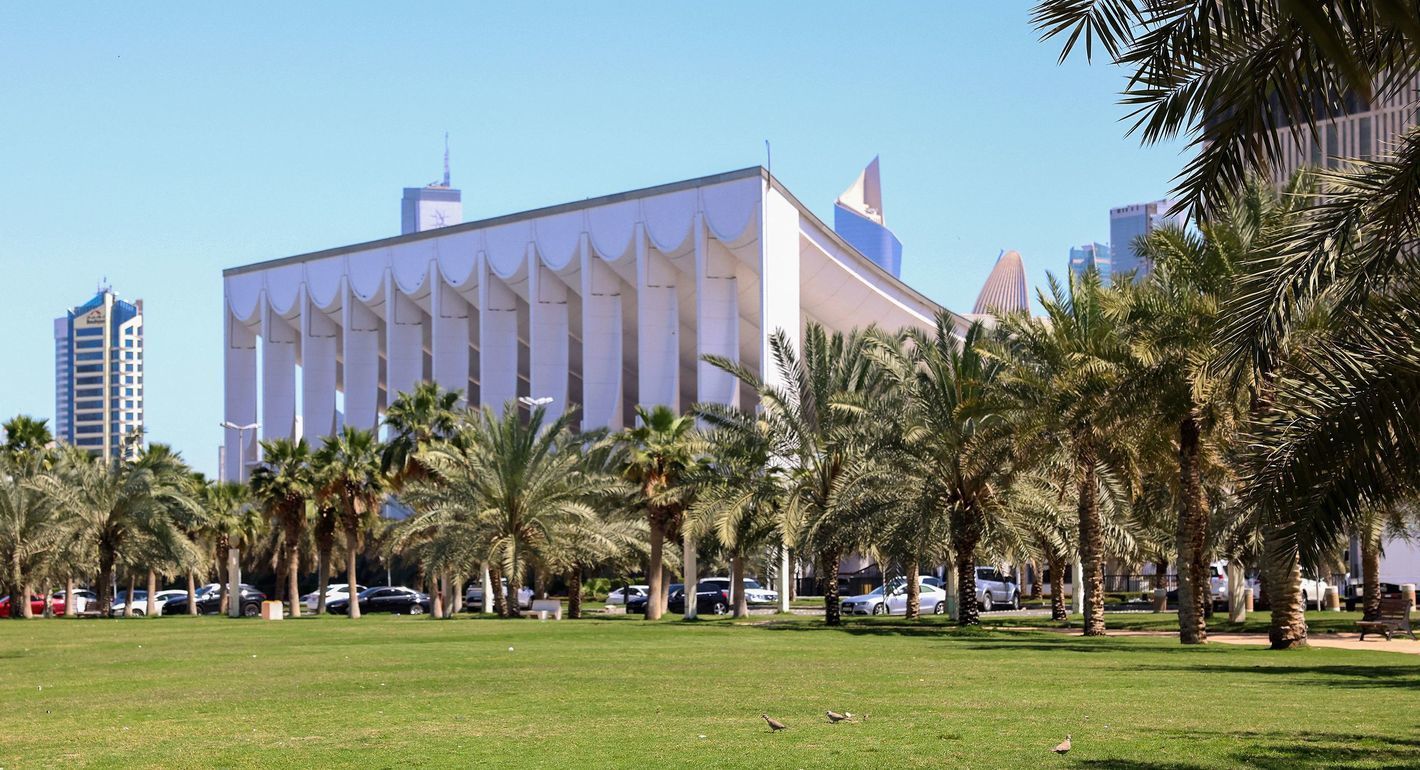
    Kuwait’s Bureaucracy at a Crossroads: Why Government Innovation Stalls and How Analytics Can Reignite Reform

    Kuwait’s government has repeatedly launched ambitious reforms under Kuwait Vision 2035, yet bureaucratic inefficiency, siloed institutions, and weak feedback mechanisms continue to stall progress. Adopting government analytics—real-time monitoring and evidence-based decision-making—can transform reform from repetitive announcements into measurable outcomes.

      Dalal A. Marafie

  • Commentary
    Sada
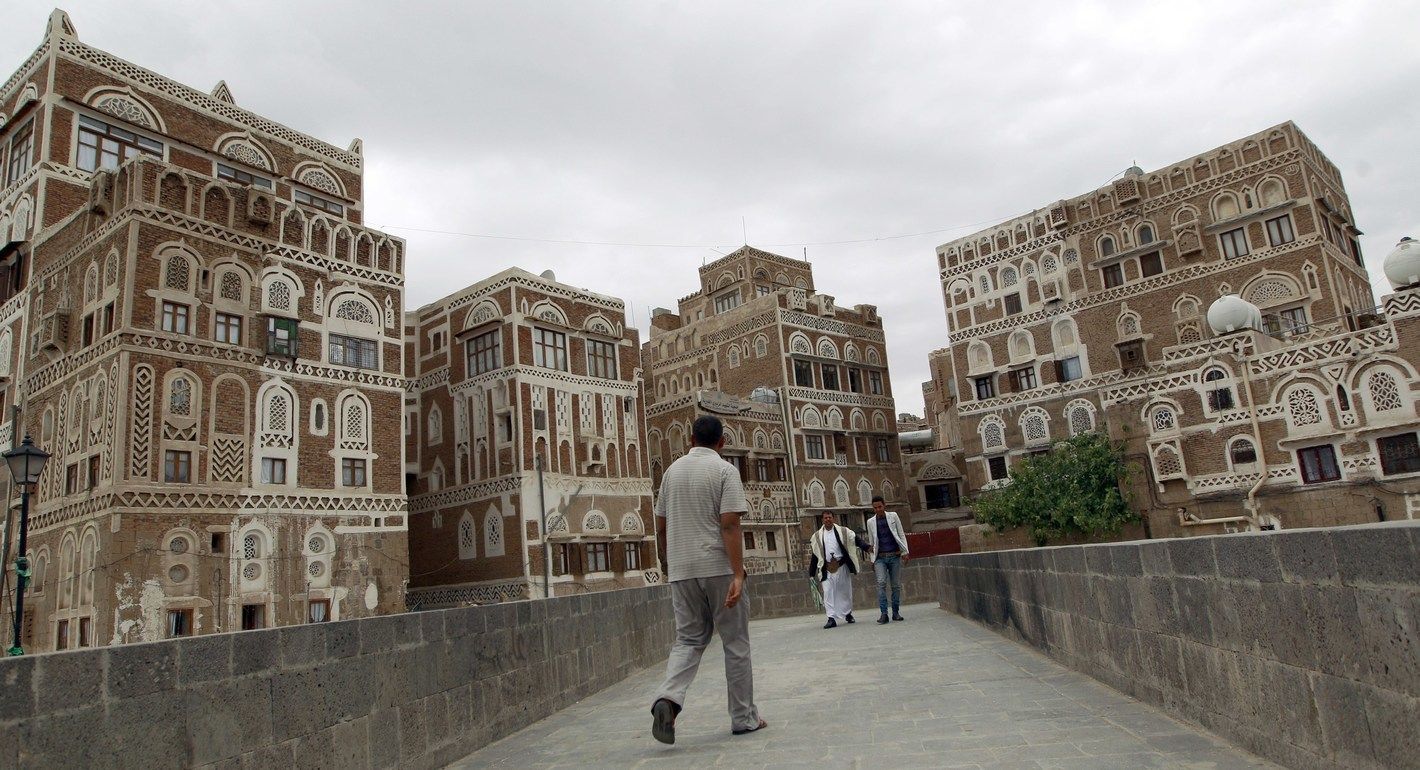
    Sana'a: The Crisis of Chaotic Street Naming and Absent Urban Planning

    The chaos of street naming in Sana’a reflects the deep weakness of the Yemeni state and its failure to establish a unified urban identity, leaving residents to rely on informal, oral naming systems rooted in collective memory. This urban disorder is not merely a logistical problem but a symbolic struggle between state authority and local community identity.

      Sarah Al-Kbat

  • Commentary
    Sada
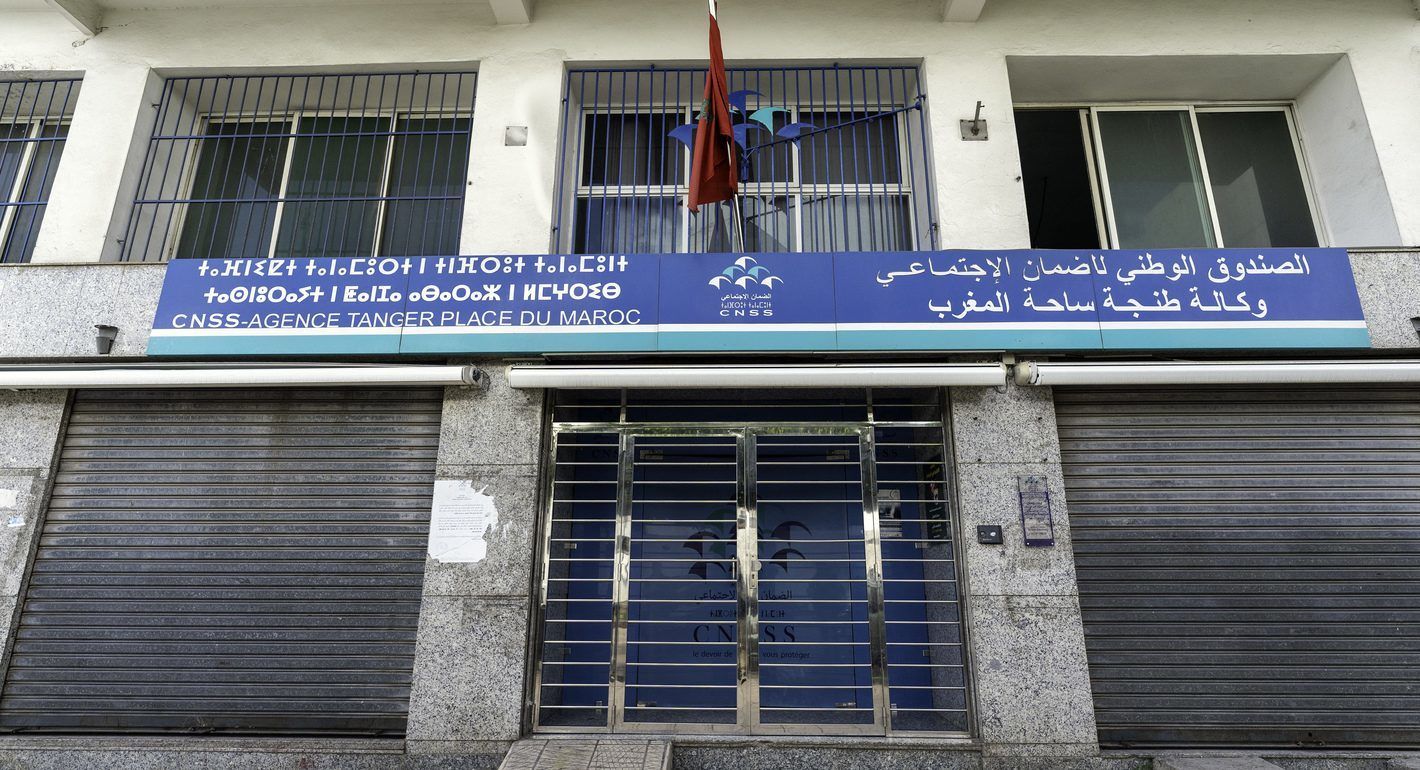
    The Political Economy of Social Data: Opportunities and Risks of Digitizing Morocco’s Social Targeting System

    While Morocco’s shift to a digitized social targeting system improves efficiency and coordination in social programs, it also poses risks of exclusion and reinforces austerity policies. The new system uses algorithms based on socioeconomic data to determine eligibility for benefits like cash transfers and health insurance. However, due to technical flaws, digital inequality, and rigid criteria, many vulnerable families are unfairly excluded.

      Abderrafie Zaanoun

  • Commentary
    Sada
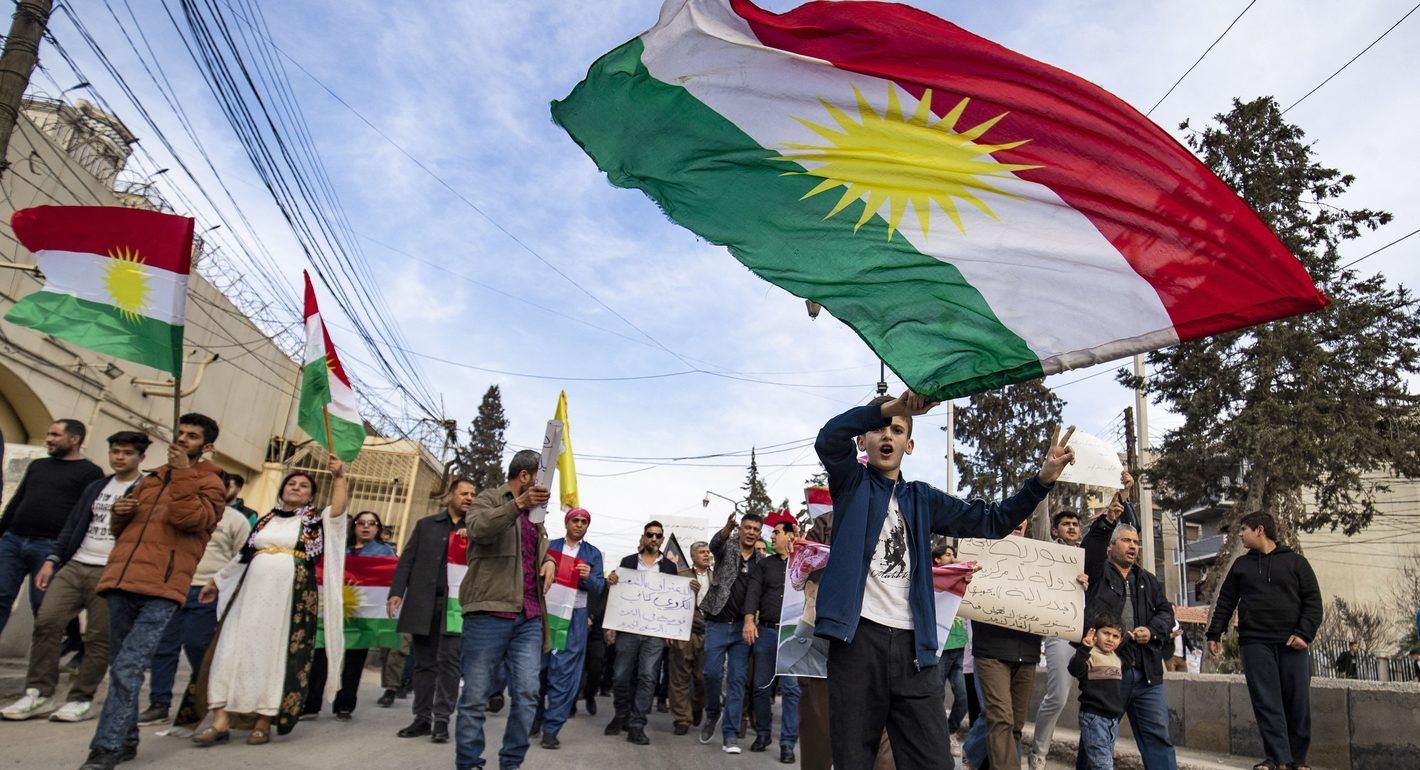
    Saudi Arabia's Cautious Approach to the Syrian Kurds: Balancing Stability and Geopolitical Interests

    Saudi Arabia’s cautious stance on the Syrian Kurds reflects a delicate balance between leveraging Kurdish autonomy to counter Iran’s influence and managing the risks of destabilizing Syria’s territorial integrity. While Saudi Arabia seeks to safeguard its interests in the region, it remains wary of the potential internal and external consequences of supporting Kurdish autonomy.

      Mohammad Salami

Get more news and analysis from
Carnegie Endowment for International Peace
Carnegie global logo, stacked
1779 Massachusetts Avenue NWWashington, DC, 20036-2103Phone: 202 483 7600Fax: 202 483 1840
  • Research
  • Emissary
  • About
  • Experts
  • Donate
  • Programs
  • Events
  • Blogs
  • Podcasts
  • Contact
  • Annual Reports
  • Careers
  • Privacy
  • For Media
  • Government Resources
Get more news and analysis from
Carnegie Endowment for International Peace
© 2026 Carnegie Endowment for International Peace. All rights reserved.