

Commentary
From anime heroes to online gaming communities, Morocco’s Gen Z is building a new protest culture. What does this digital imagination reveal about youth politics, and how should institutions respond?
Abdelilah Farah
{
  "authors": [
    "Bassam Bounenni"
  ],
  "type": "commentary",
  "blog": "Sada",
  "centerAffiliationAll": "",
  "centers": [
    "Carnegie Endowment for International Peace"
  ],
  "collections": [],
  "englishNewsletterAll": "",
  "nonEnglishNewsletterAll": "",
  "primaryCenter": "Carnegie Endowment for International Peace",
  "programAffiliation": "",
  "programs": [],
  "projects": [],
  "regions": [
    "North Africa",
    "Tunisia"
  ],
  "topics": [
    "Democracy"
  ]
}

REQUIRED IMAGE
Unlike Arab countries such as Egypt or Jordan, which opened the political space in 2004-5 only to shut it again in 2006, Tunisia has continued unabated its campaign against avenues for the expression of peaceful dissent including human rights organizations, labor unions, and civil society organizations.
Unlike Arab countries such as Egypt or Jordan, which opened the political space in 2004-5 only to shut it again in 2006, Tunisia has continued unabated its campaign against avenues for the expression of peaceful dissent including human rights organizations, labor unions, and civil society organizations. The latest target has been lawyers. The weapon used against them is a controversial new draft law, likely to be passed within weeks, creating an academy for the training of lawyers.
The law, which has drawn strong objections from Tunisian lawyers, gives broad authority to the Ministry for Justice and Human Rights to decide who may enter this academy and thereby who may practice law. Members of the profession view it as an attempt to bring lawyers to heel, allowing the regime to select only candidates that conform to its views. Lawyers believe the law is aimed particularly at the lawyers’ syndicate, one of the few centers of opposition and independence in a county where only the voice of authority is heard.
The action against the lawyers’ syndicate would continue a pattern of repression used effectively against human rights organizations, where regime supporters infiltrate and undermine organizations. The Tunisian Human Rights League, considered the oldest institution for the defense of human rights in Africa and the Arab world, has been subjected to a series of legal actions by members loyal to the government, preventing it from holding its annual conference. Tunisian authorities previously used similar tactics to disrupt the Tunisian Association of Magistrates. Elements of the Association loyal to the government maligned its executive office and held a special election to choose a parallel leadership.
The Tunisian government evokes the specter of foreign interference frequently as a justification to silence a wide variety of potentially independent voices, be they human rights activists, opposition politicians, or independent journalists, especially the handful of foreign media reporters in Tunisia. Tunisian authorities even refused to permit an organization concerned with the legacy of late President Habib Bourghiba, despite the fact that the founders of the organization are veterans of the ruling party.
As part of its fear-inspired campaign against dissent, the regime has recently put forward in official political discourse the slogan “No loyalty but to the nation.” Tunisian newspapers loyal to the government have become the arena for accusations of disloyalty against independent political activists and lawyers. The situation has been aggravated by recent legislation that restricted the freedom to found organizations and parties, including a counter terrorism and money laundering law that has become a tool for threatening and intimidating opposition elements. Even legally-recognized organizations and independent parties do not receive the public funding to which they are entitled under Tunisian law, forcing them to try to collect funds internationally. But such efforts bring forth accusations of lack of patriotism or even legal action, leading to a situation in which independent parties and organizations often are deprived of adequate funds to support a headquarters or even the simplest communication equipment.
Despite this bitter reality for civil society elements and opposition forces, the government’s policies still enjoy tacit approval from the international community, especially the European Union and the United States. Although they may occasionally issue official statements condemning the transgressions of the Tunisian authorities, this criticism has no true impact. Tunisia apparently remains exempt from the demands on other countries in the region to achieve greater openness and improve human and political rights records.
Tunisia, which this year celebrated fifty years of independence from French colonialism, has been able to make huge strides in the vital areas of education and culture, thereby creating a large educated class. Those gains, however, will eventually be undermined by the fact that the regime not only refuses to consider political reforms but actually is moving in the opposite direction of greater restrictions on intellectual, legal, and political activity. One example of the deleterious effects of such a trend is the worsening of corruption in the administration of the Tunisian state documented by Transparency International in its annual reports.
Despite the apparent determination of Tunisian authorities to suppress every independent political or rights initiative and the indifference of the international community, there are still Tunisian opposition forces clinging to their rights through extralegal actions. But there is a steep price to pay for opposition to the reality of daily life in Tunisia. The most recent victim was the Tunisian lawyer Muhammad Abbou, sentenced to three years in prison for a series of articles in which he criticized the government’s human rights record. As the space for free expression becomes ever narrower in Tunisia, the few who dare to challenge the situation are likely to suffer Dr. Abbou’s unfortunate fate.
Bassam Bounenni is a Tunisian journalist and researcher residing in Doha. This article was translated from Arabic by Kevin Burnham.
Bassam Bounenni
Carnegie does not take institutional positions on public policy issues; the views represented herein are those of the author(s) and do not necessarily reflect the views of Carnegie, its staff, or its trustees.
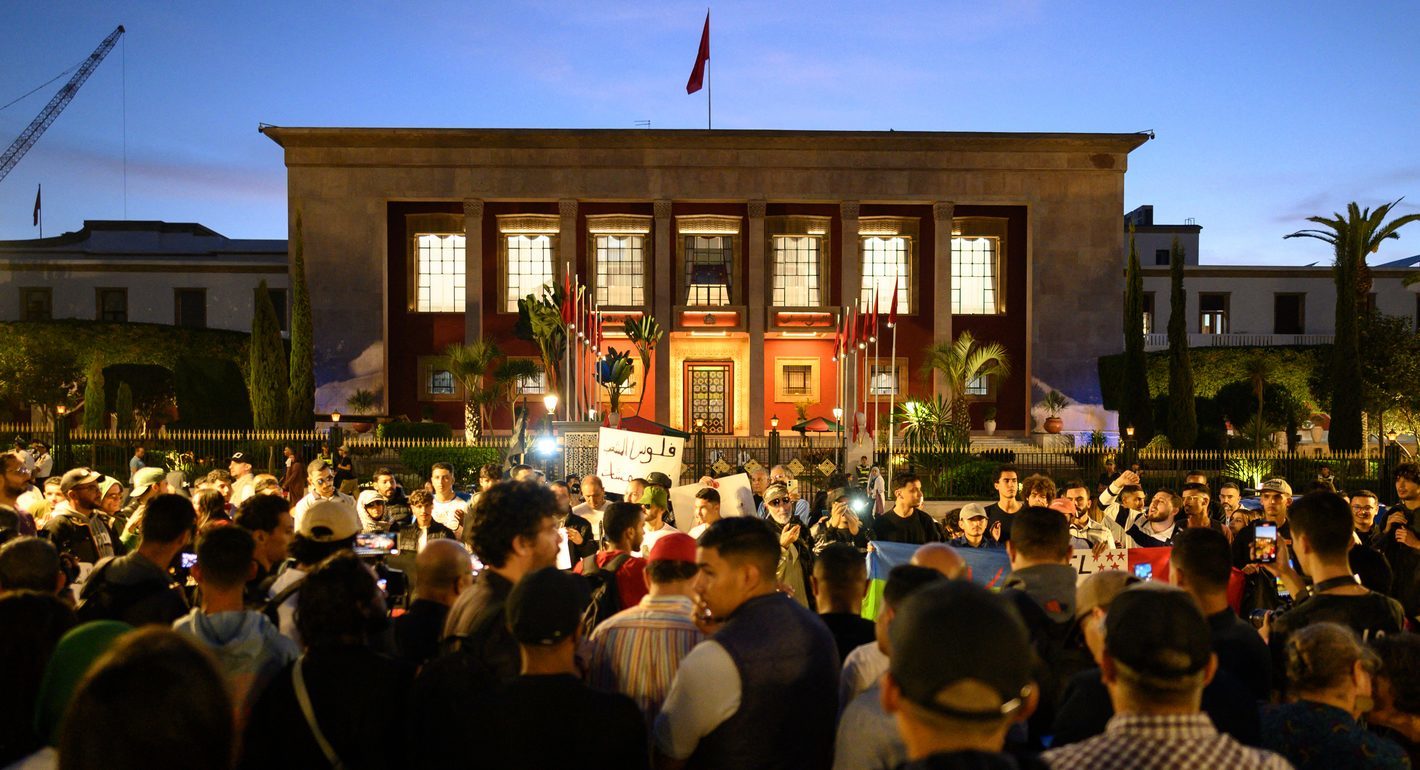
From anime heroes to online gaming communities, Morocco’s Gen Z is building a new protest culture. What does this digital imagination reveal about youth politics, and how should institutions respond?
Abdelilah Farah
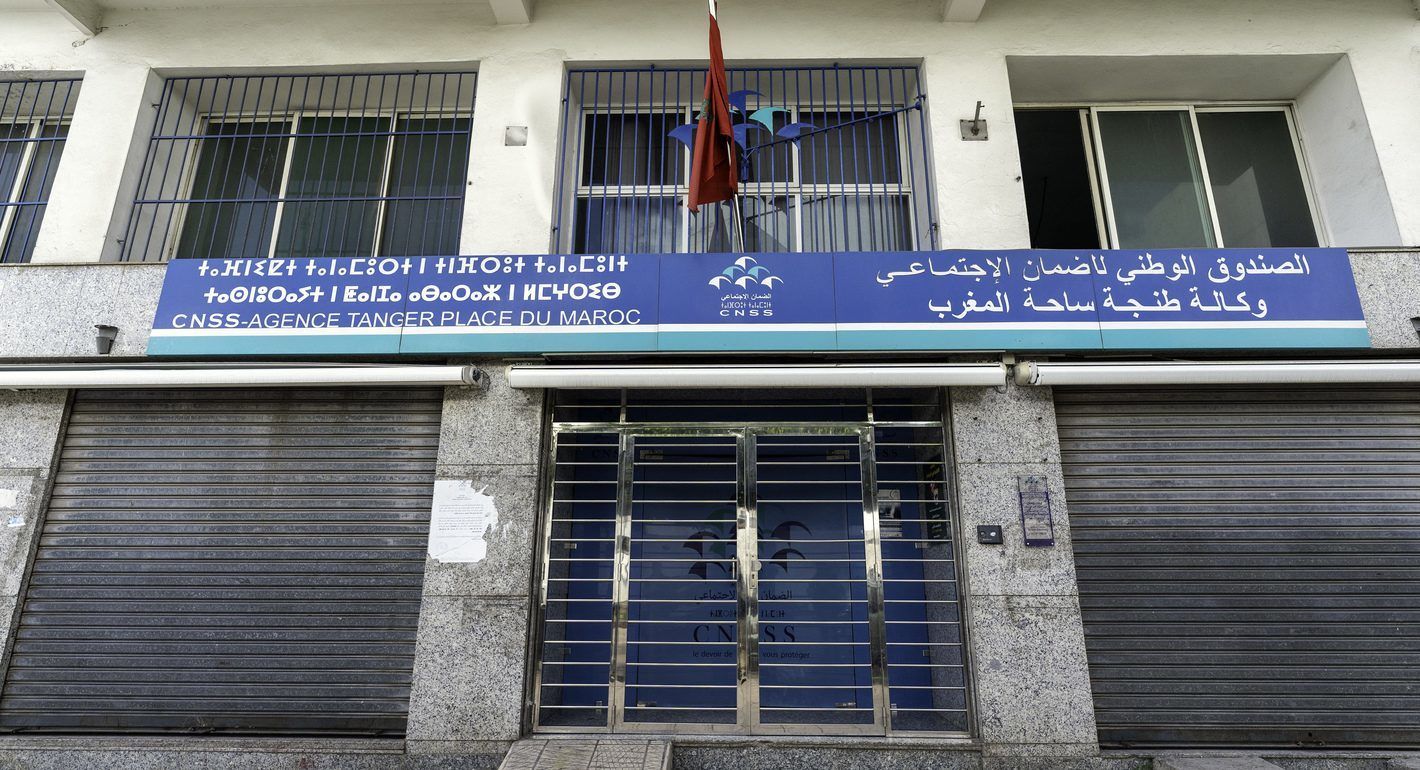
While Morocco’s shift to a digitized social targeting system improves efficiency and coordination in social programs, it also poses risks of exclusion and reinforces austerity policies. The new system uses algorithms based on socioeconomic data to determine eligibility for benefits like cash transfers and health insurance. However, due to technical flaws, digital inequality, and rigid criteria, many vulnerable families are unfairly excluded.
Abderrafie Zaanoun
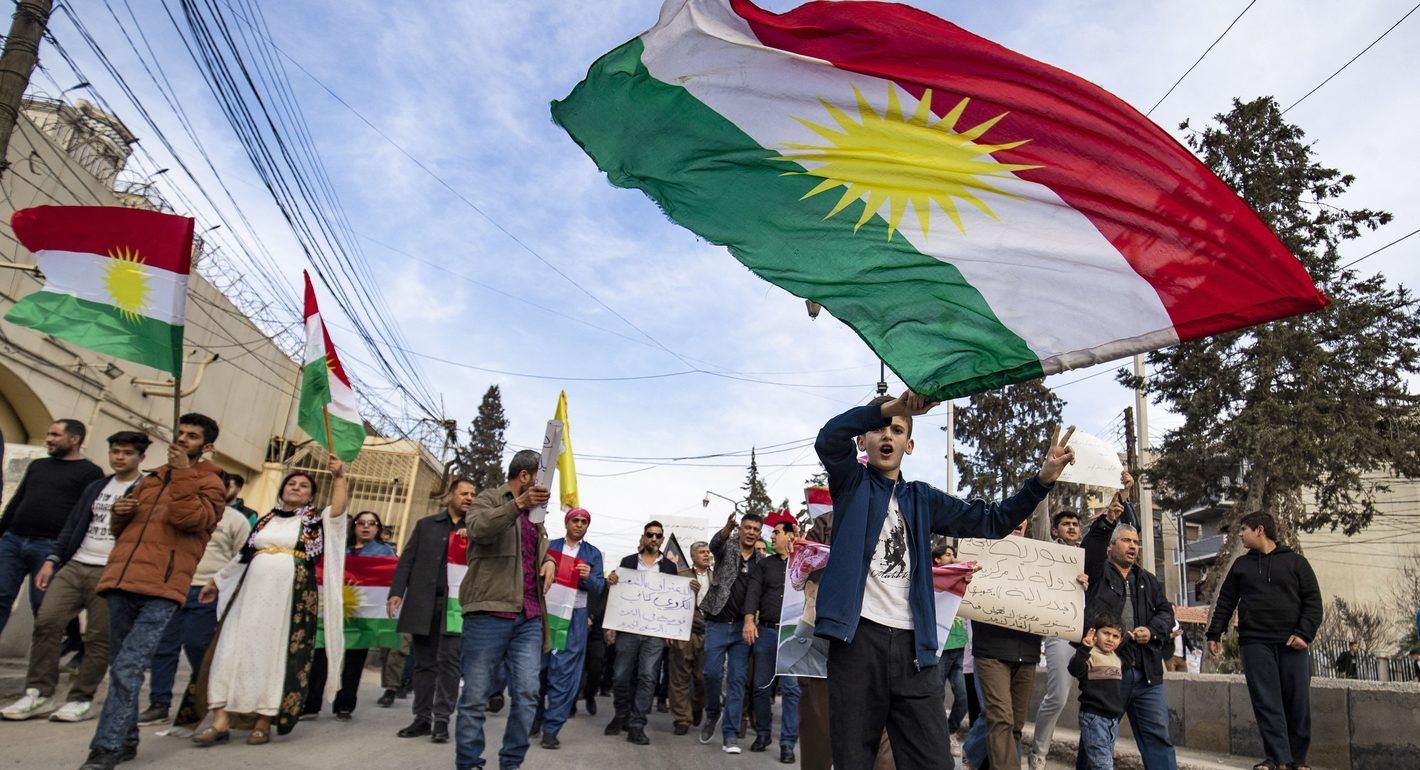
Saudi Arabia’s cautious stance on the Syrian Kurds reflects a delicate balance between leveraging Kurdish autonomy to counter Iran’s influence and managing the risks of destabilizing Syria’s territorial integrity. While Saudi Arabia seeks to safeguard its interests in the region, it remains wary of the potential internal and external consequences of supporting Kurdish autonomy.
Mohammad Salami
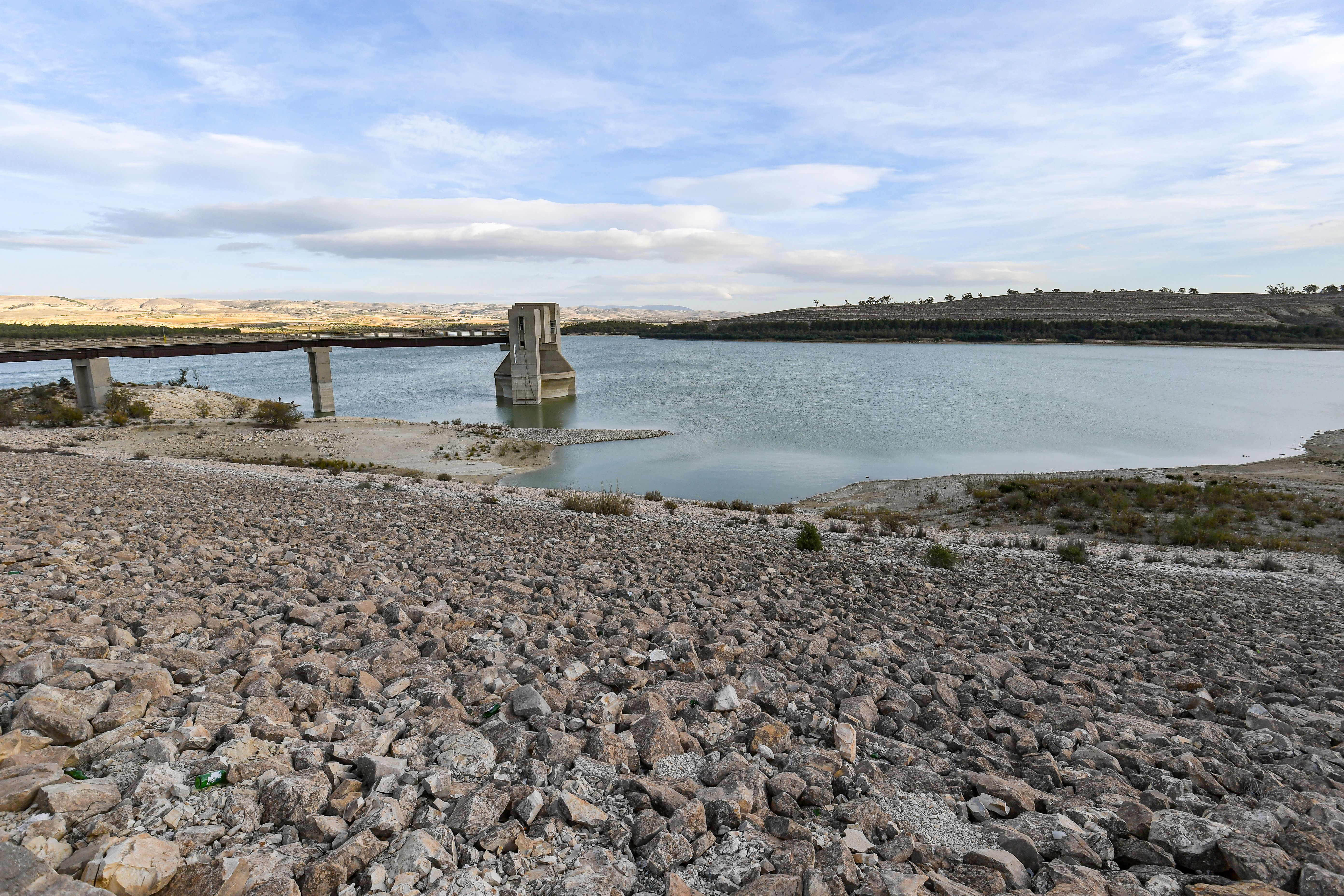
Tunisia is facing a worsening water crisis characterized by widespread protests over access to potable water, particularly in rural areas with underdeveloped supply networks. This situation is exacerbated by climate change, outdated agricultural policies, and industrial water consumption, necessitating comprehensive policy reforms to secure Tunisians’ constitutional right to water and ensure equitable access across the country.
Noura Omar
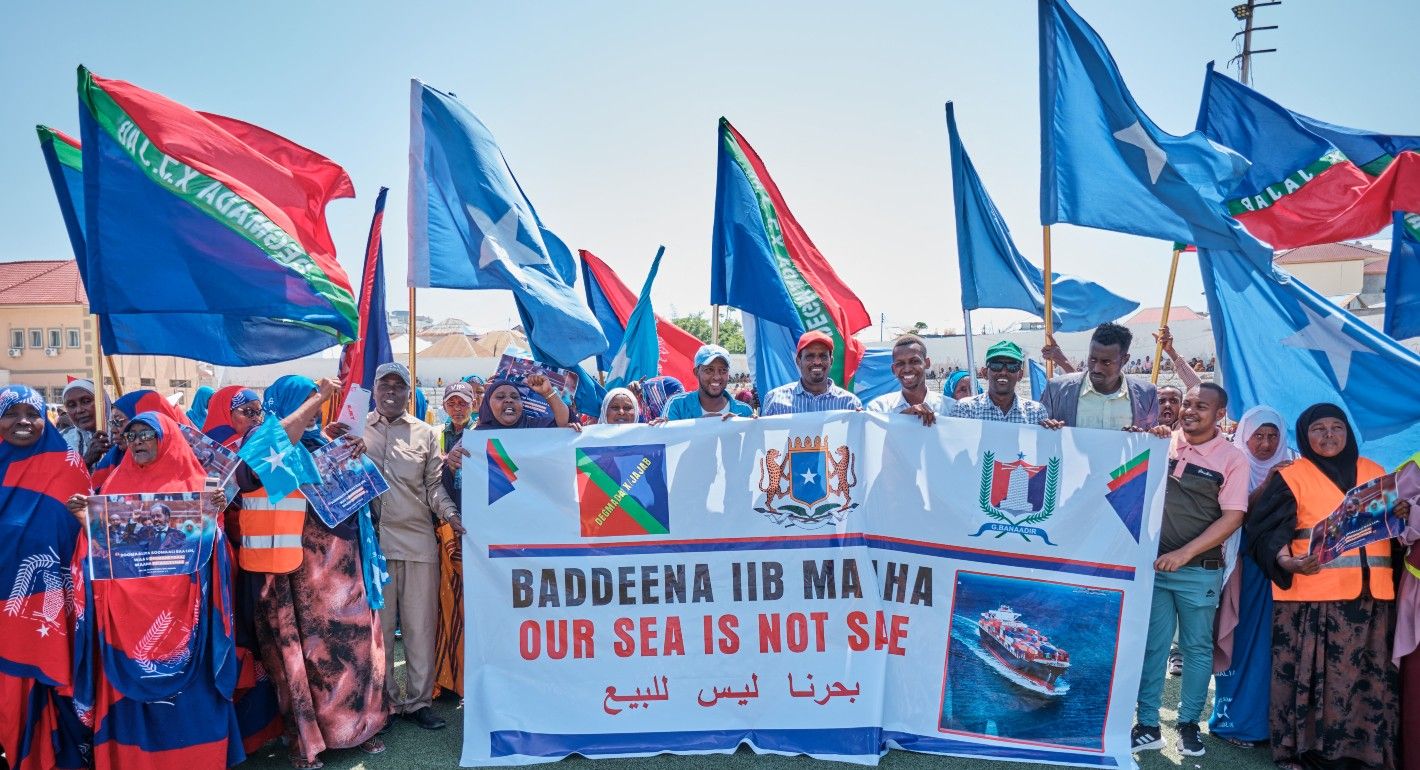
As hegemonic Ethiopian ambitions threaten stability in the Horn of Africa, Somalia is building strategic alliances regionally and internationally to counter Ethiopia’s growing political and military influence.
Hisham Qadri Ahmed