

Commentary
Syria's transition promised a fresh start. But are old habits of power making a comeback? This analysis looks at the warning signs and what it will take to build a more accountable state.
Sima Beitinjaneh
{
  "authors": [
    "Russell E. Lucas"
  ],
  "type": "commentary",
  "blog": "Sada",
  "centerAffiliationAll": "",
  "centers": [
    "Carnegie Endowment for International Peace"
  ],
  "collections": [],
  "englishNewsletterAll": "",
  "nonEnglishNewsletterAll": "",
  "primaryCenter": "Carnegie Endowment for International Peace",
  "programAffiliation": "",
  "programs": [],
  "projects": [],
  "regions": [
    "Jordan"
  ],
  "topics": [
    "Political Reform"
  ]
}

REQUIRED IMAGE
The June 17, 2003 Jordanian elections for the House of Deputies (parliament's lower house) were so out of touch with regional events that they might well have been held on a different planet, according to Al Dustour columnist Urayb Al Rantawi.
The June 17, 2003 Jordanian elections for the House of Deputies (parliament's lower house) were so out of touch with regional events that they might well have been held on a different planet, according to Al Dustour columnist Urayb Al Rantawi. These were the first national elections in Jordan in six years: the king dismissed the last parliament in 2001, leaving the country without elected representatives for two years. They were also the first elections in a country neighboring Iraq since the U.S. invasion. Yet, as Rantawi lamented, the heat of the summer did not raise the temperature of the elections. Only 58 percent of registered voters cast their ballots in this lackluster contest.
Two-thirds of the 110 seats were won by independent tribal or conservative pro-government candidates. The Muslim Brotherhood's Islamic Action Front (IAF), the leading opposition force, won 17 seats. A handful of independent Islamists, including two former IAF members, also gained seats. The leftist Democratic Party won two seats, but Arab nationalists and Baathists failed to win any.
The election results confirmed a well-established trend of electoral victory by pro-government forces. The various opposition groups came close to gaining a majority in the House of Deputies in the 1989 elections, the first since political liberalization was launched in Jordan. Since 1993, however, the regime has introduced a series of election laws designed to minimize the inclusion of ideological candidates from urban areas and to reward candidates from conservative rural and tribal areas. The gerrymandering of election districts also grants greater representation to Bedouin tribes while slighting Jordan's Palestinian population, residing mainly in Amman and neighboring Zarqa.
The main losers in these electoral changes have been the Muslim Brotherhood and its IAF. Despite their peaceful relationship with the Hashemite monarchy, the Islamists have been the chief critics of the Jordanian government's policies of peace with Israel and of economic structural adjustment. Fearing that the opposition could use the parliament to mobilize public opinion against its unpopular policies, the government used electoral engineering to insure that its supporters in the parliament would easily ratify the 1994 peace treaty with Israel and enact economic reforms. The IAF and other opposition parties, as a result, boycotted the 1997 elections. This year, however, the Islamists participated in the elections, gaining about 15 percent of the seats, down from 20 percent in 1993 and 27 percent in 1989.
The changes in the election laws have not only decreased the presence of opposition parties in the parliament, but they have also encouraged deputies to focus their energy on offering patronage rather than pushing a legislative program. "Service deputies" or "nuwwaab khadamat," offering their constituents a means of networking into Jordan's state bureaucracy, have thus come to dominate the legislature. New deputies will find that the Jordanian parliament is caught between its twin roles as a legislative institution and a patronage mechanism.
Election law changes have also deeply affected voter participation. Voters flock to the polls in over-represented rural districts and display ever greater indifference in under-represented urban areas. In the capital Amman, where there is a deputy for every 95,000 people, only 43 percent of registered voters participated this year. In rural Tafilah, where there is a deputy for every 19,000 people, the turn out was 82 percent.
Despite all the problems, the parliament has constitutional prerogatives in the process of legislation that the Jordanian public deems legitimate and necessary and that deputies have proven willing to exercise. The parliament elected in 1997, which contained almost no opposition deputies due to the opposition boycott, was dissolved by the king in 2001 because conservative and tribal deputies were reluctant to cut government spending as demanded by Western donors. They feared such cuts would undermine their patronage abilities. The dissolution was a reminder that the king holds a veto over all policies and institutions in Jordan.
Tensions between the regime and the parliament may arise again over economic issues and above all over foreign policy. In the mid 1990s, as the opposition threatened to mobilize discontent with the government's economic and foreign policies, the regime cracked down on public freedoms. This year, the IAF campaigned against Jordan's perceived inaction towards the suffering of the Palestinians and the Iraqis. But now that the fighting in Iraq has subsided and the Intifada may possibly give way to a revitalized peace process, the Jordanian regime seems more confident and has once again lifted the lid on public participation. It has not taken chances, however: the results of these elections were to a large extent determined in advance by the judicious use of election laws.
Russell E. Lucas is an assistant professor of political science and international and area studies at the University of Oklahoma.
Russell E. Lucas
Carnegie does not take institutional positions on public policy issues; the views represented herein are those of the author(s) and do not necessarily reflect the views of Carnegie, its staff, or its trustees.
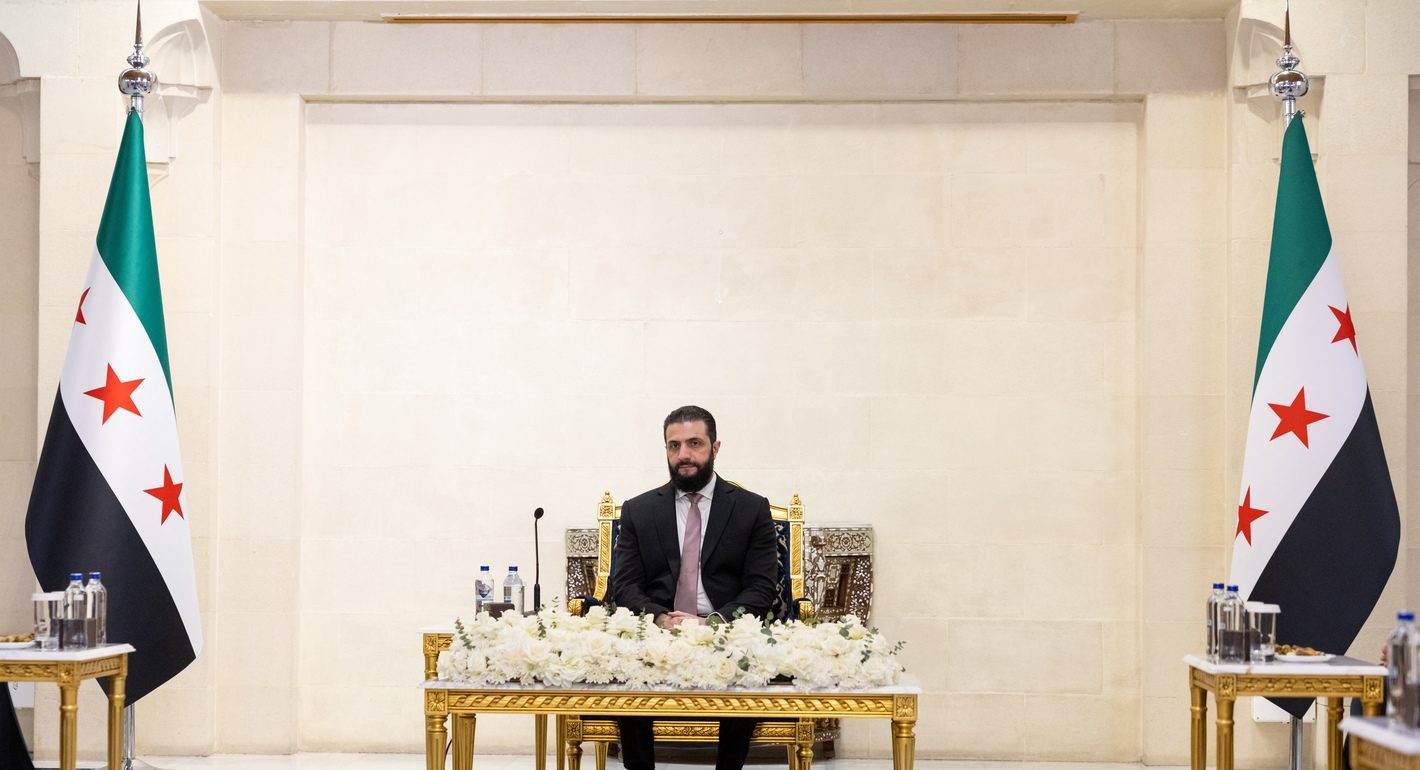
Syria's transition promised a fresh start. But are old habits of power making a comeback? This analysis looks at the warning signs and what it will take to build a more accountable state.

Sima Beitinjaneh
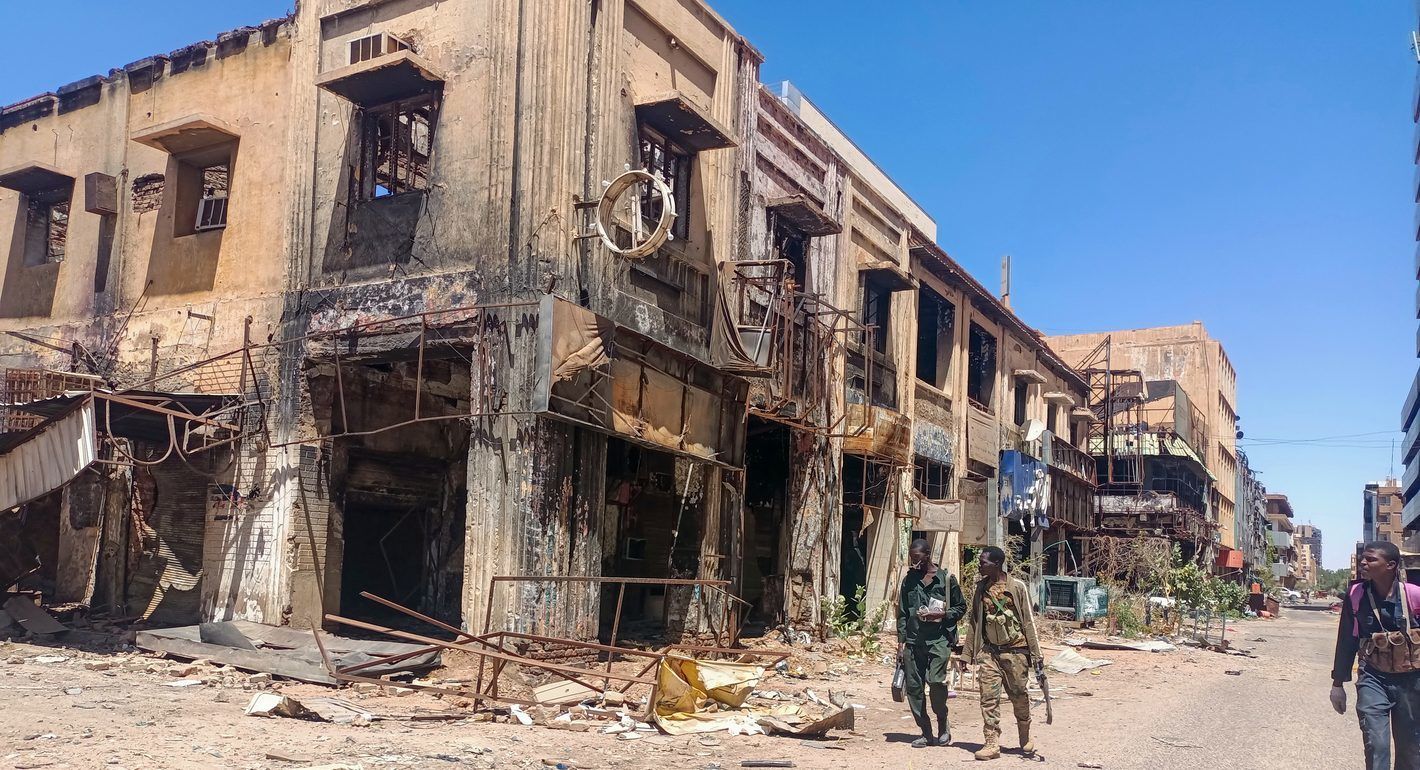
Hate speech has spread across Sudan and become a key factor in worsening the war between the army and the Rapid Support Forces. The article provides expert analysis and historical background to show how hateful rhetoric has fueled violence, justified atrocities, and weakened national unity, while also suggesting ways to counter it through justice, education, and promoting a culture of peace.
Samar Sulaiman
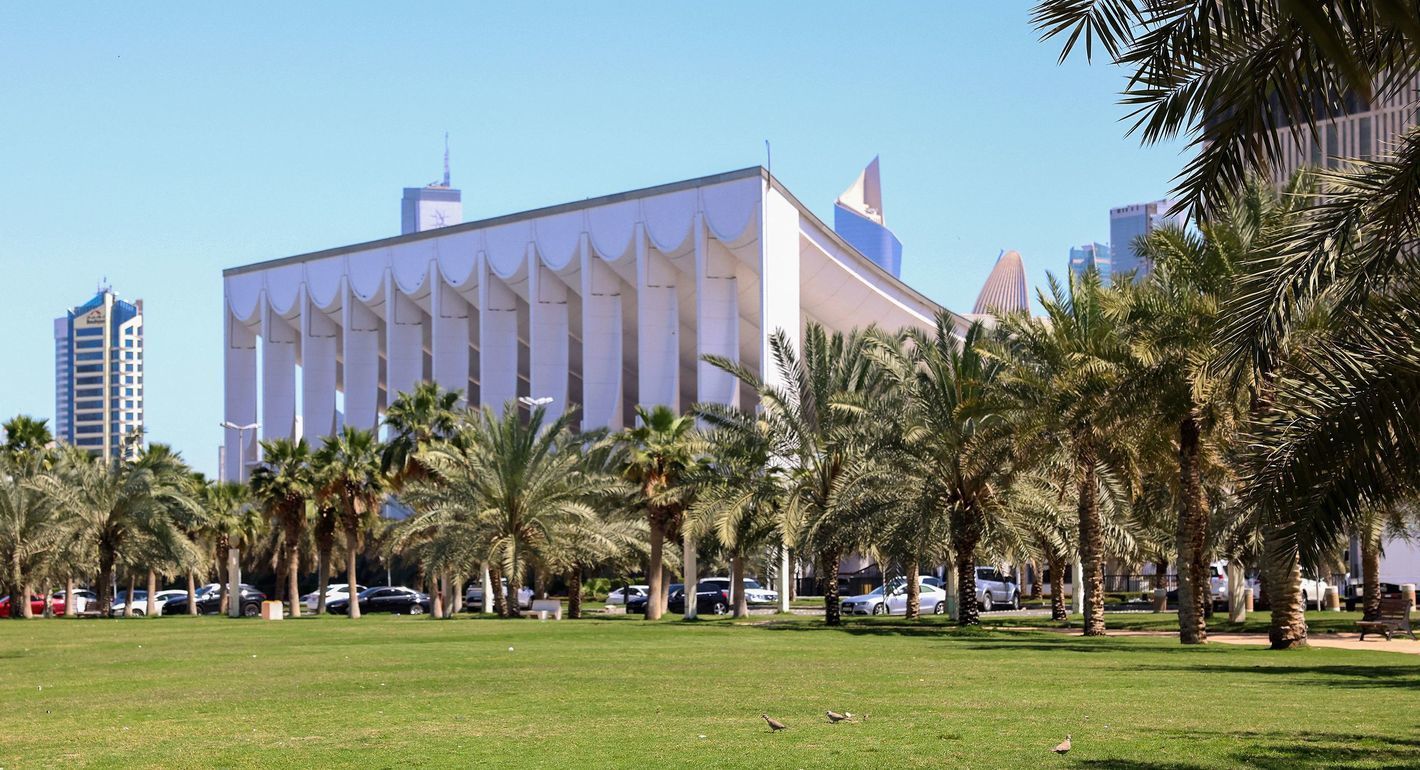
Kuwait’s government has repeatedly launched ambitious reforms under Kuwait Vision 2035, yet bureaucratic inefficiency, siloed institutions, and weak feedback mechanisms continue to stall progress. Adopting government analytics—real-time monitoring and evidence-based decision-making—can transform reform from repetitive announcements into measurable outcomes.
Dalal A. Marafie
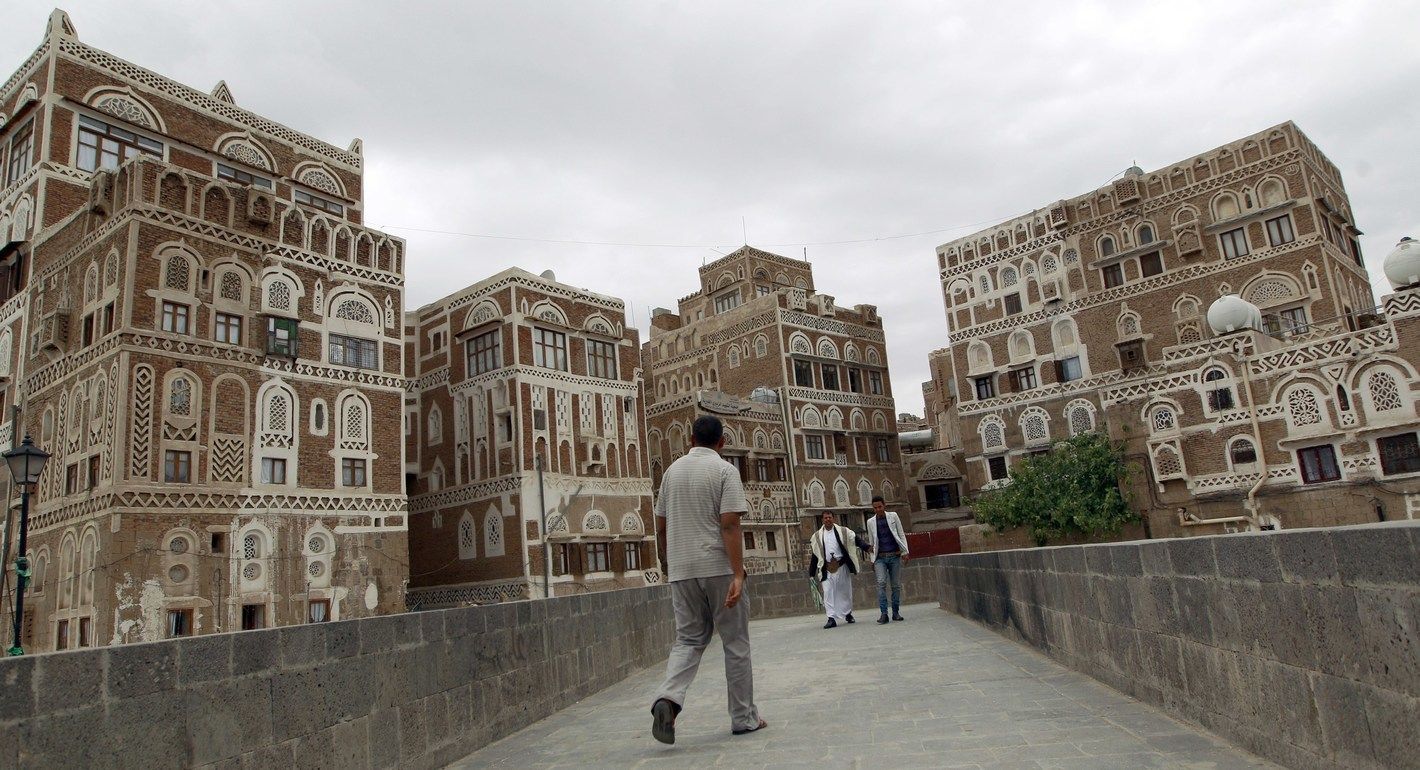
The chaos of street naming in Sana’a reflects the deep weakness of the Yemeni state and its failure to establish a unified urban identity, leaving residents to rely on informal, oral naming systems rooted in collective memory. This urban disorder is not merely a logistical problem but a symbolic struggle between state authority and local community identity.
Sarah Al-Kbat
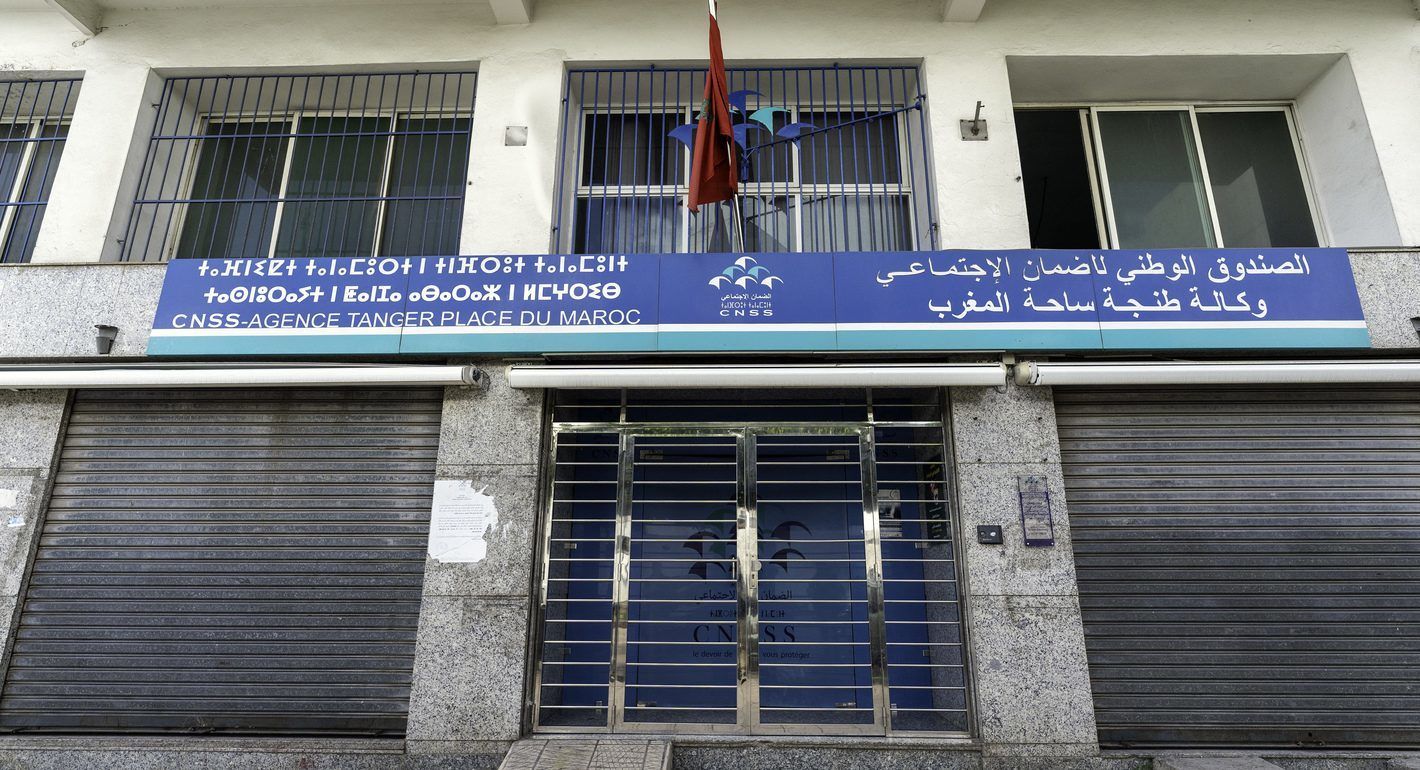
While Morocco’s shift to a digitized social targeting system improves efficiency and coordination in social programs, it also poses risks of exclusion and reinforces austerity policies. The new system uses algorithms based on socioeconomic data to determine eligibility for benefits like cash transfers and health insurance. However, due to technical flaws, digital inequality, and rigid criteria, many vulnerable families are unfairly excluded.
Abderrafie Zaanoun