

Commentary
Syria's transition promised a fresh start. But are old habits of power making a comeback? This analysis looks at the warning signs and what it will take to build a more accountable state.
Sima Beitinjaneh
{
  "authors": [
    "Michael Herb"
  ],
  "type": "commentary",
  "blog": "Sada",
  "centerAffiliationAll": "",
  "centers": [
    "Carnegie Endowment for International Peace"
  ],
  "collections": [],
  "englishNewsletterAll": "",
  "nonEnglishNewsletterAll": "",
  "primaryCenter": "Carnegie Endowment for International Peace",
  "programAffiliation": "",
  "programs": [],
  "projects": [],
  "regions": [
    "Bahrain",
    "Kuwait"
  ],
  "topics": [
    "Political Reform"
  ]
}

REQUIRED IMAGE
In recent years, elections for national parliaments have become common in the monarchies of the Gulf. The Kingdom of Bahrain, the emirate of Kuwait and the Sultanate of Oman have held such elections in the past two years, and the emirate of Qatar has plans to do so in 2005.
In recent years, elections for national parliaments have become common in the monarchies of the Gulf. The Kingdom of Bahrain, the emirate of Kuwait and the Sultanate of Oman have held such elections in the past two years, and the emirate of Qatar has plans to do so in 2005. Much has been made of these elections, with many observers championing the participation of women, who are now enfranchised in all but Kuwait. Yet, to understand the prospects for democratic change in these dynastic states, attention should also be paid to two other pertinent issues—the quality of elections and the constitutional rules that define the parliaments' powers.
Gulf elections are much fairer than those organized by most authoritarian regimes. The Kuwaiti government blatantly stole the 1967 contest, but since then has not interfered in the counting of ballots. Despite ongoing incidents of vote-buying and notwithstanding the fact that women still cannot vote or run for office, Kuwait's elections compare well to those of many emerging democracies. In Bahrain, the balloting is fair but the districts are drawn in a way that seriously under-represents the country's majority Shiite population. In Oman, significant constraints are placed on campaigning, but otherwise the process is relatively open. Indeed, it is the very fairness of Gulf elections that leads the rulers to balance their effects by imposing substantial constitutional constraints on parliaments.
Two key powers are required for parliaments to wrest absolute control from monarchs and to thus democratize the state: the power to remove ministers and the power to block legislation. The authority of the Kuwaiti Parliament is the most substantial in both respects. Kuwait's Constitution gives its unicameral Parliament the power to remove individual ministers with a majority vote of the elected members. (All ministers, including those who gained their posts through appointment rather than election, are allowed to vote on legislation, but not on votes of confidence). As a consequence, the ruling family takes parliamentary attitudes into account when forming the cabinet, giving the Parliament a veto of sorts. In Bahrain, the elected Lower House can dismiss individual ministers, but only with a vote of two-thirds of the deputies. Qatar's new constitution establishes a unicameral Parliament. Of the forty-five members, Qatari citizens will elect thirty; the Amir will appoint the remaining fifteen. The Parliament can remove a minister only with a two-thirds majority. Assuming the appointed members vote with the government, all elected members must vote against a minister to remove him—a high barrier indeed. However, this is more power than the Omani majlis al shura, the elected Lower House, enjoys. The Sultanate's Basic Law gives the assembly no powers, merely noting that they will be specified by law. The ultimate authority to issue laws, of course, lies with the Sultan.
Gulf parliaments also have limited ability to block legislation. Again, Kuwait's powers are the most substantial on this front. Even with ministers being able to vote on laws—which typically adds up to fifteen wholly reliable votes in the government's column—the Parliament has successfully blocked some legislation. Most notable was the defeat of a government effort to extend political rights to women, which failed in a thirty to thirty-two vote in 1999, with the government voting as a bloc for women's rights. The Parliament has also blocked efforts to develop the northern oil fields.
Bahrain's Parliament has fewer powers to block legislation. Should the Lower House and Upper House disagree on a bill, the two houses vote together, with a majority required to pass legislation. The appointed Upper House has the same number of members as the Lower House. Consequently, it is very difficult for the elected deputies to frustrate the will of the appointed members, who tend to side with the government. In Qatar, the unicameral house can block legislation with a simple majority, but this amounts to twenty-three of the thirty elected members, which is a high hurdle. Oman's majlis, again, has no powers at all in this regard.
In short, with the exception of Kuwait, these parliaments have only modest powers. Any progress toward democracy in Bahrain, Oman, and Qatar will require constitutional revisions to expand parliamentary powers while maintaining a tradition of relatively free elections. In Kuwait, the Parliament already has the power to mount a very serious challenge to the primacy of the ruling family—it could simply vote no confidence in every minister until the ruling family surrendered and allowed the Parliament to select the cabinet itself. There is no prospect of this occurring anytime soon, but it suggests that the barriers to democratization in Kuwait, unlike elsewhere in the Gulf, do not lie primarily in its constitution.
Michael Herb is an assistant professor of political science at Georgia State University. He is the author of All in the Family: Absolutism, Revolution, and Democracy in the Middle Eastern Monarchies (Albany: State University of New York Press, 1999) and "Princes and Parliaments in the Arab World" (The Middle East Journal, vol. 58, no. 3, Summer 2004, 367-84), from which this article is drawn.
Michael Herb
Carnegie does not take institutional positions on public policy issues; the views represented herein are those of the author(s) and do not necessarily reflect the views of Carnegie, its staff, or its trustees.
Syria's transition promised a fresh start. But are old habits of power making a comeback? This analysis looks at the warning signs and what it will take to build a more accountable state.
Sima Beitinjaneh
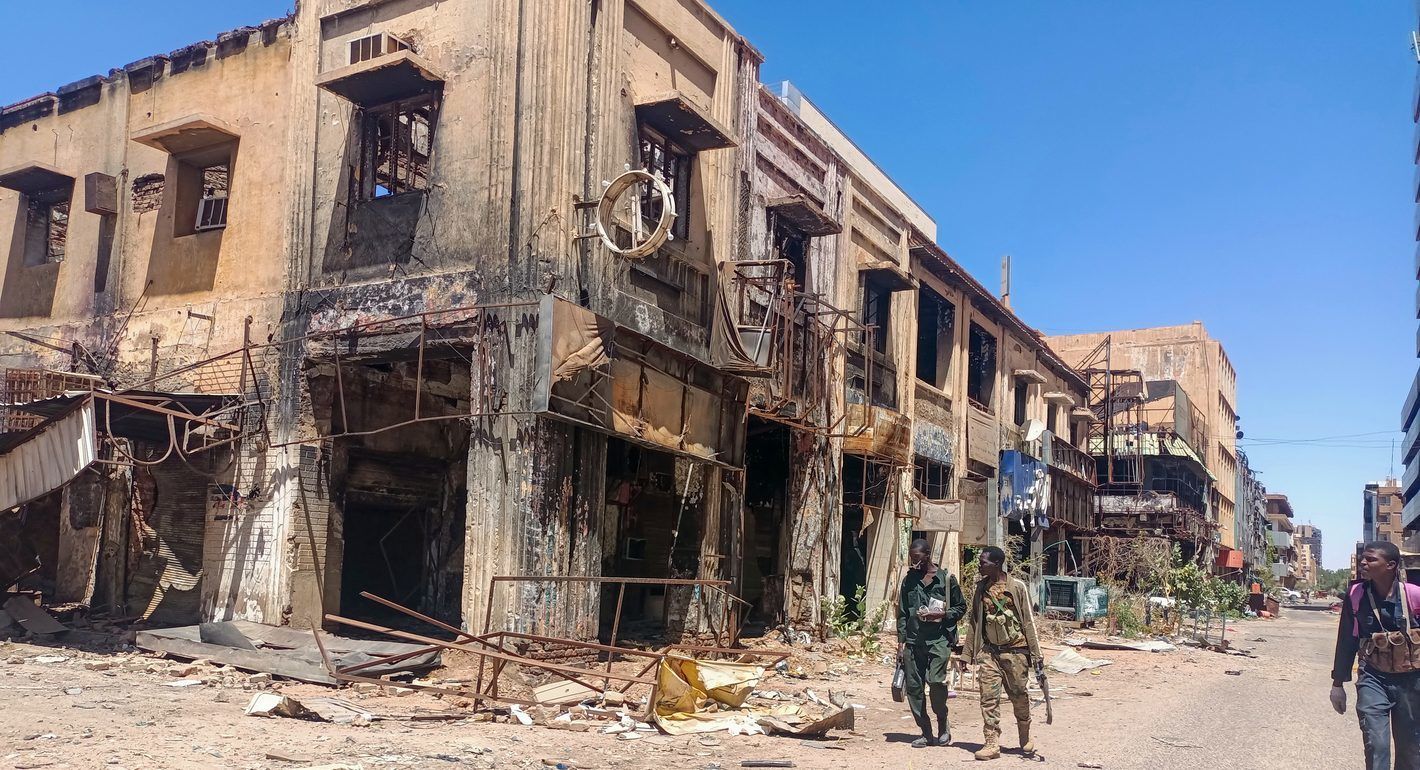
Hate speech has spread across Sudan and become a key factor in worsening the war between the army and the Rapid Support Forces. The article provides expert analysis and historical background to show how hateful rhetoric has fueled violence, justified atrocities, and weakened national unity, while also suggesting ways to counter it through justice, education, and promoting a culture of peace.
Samar Sulaiman
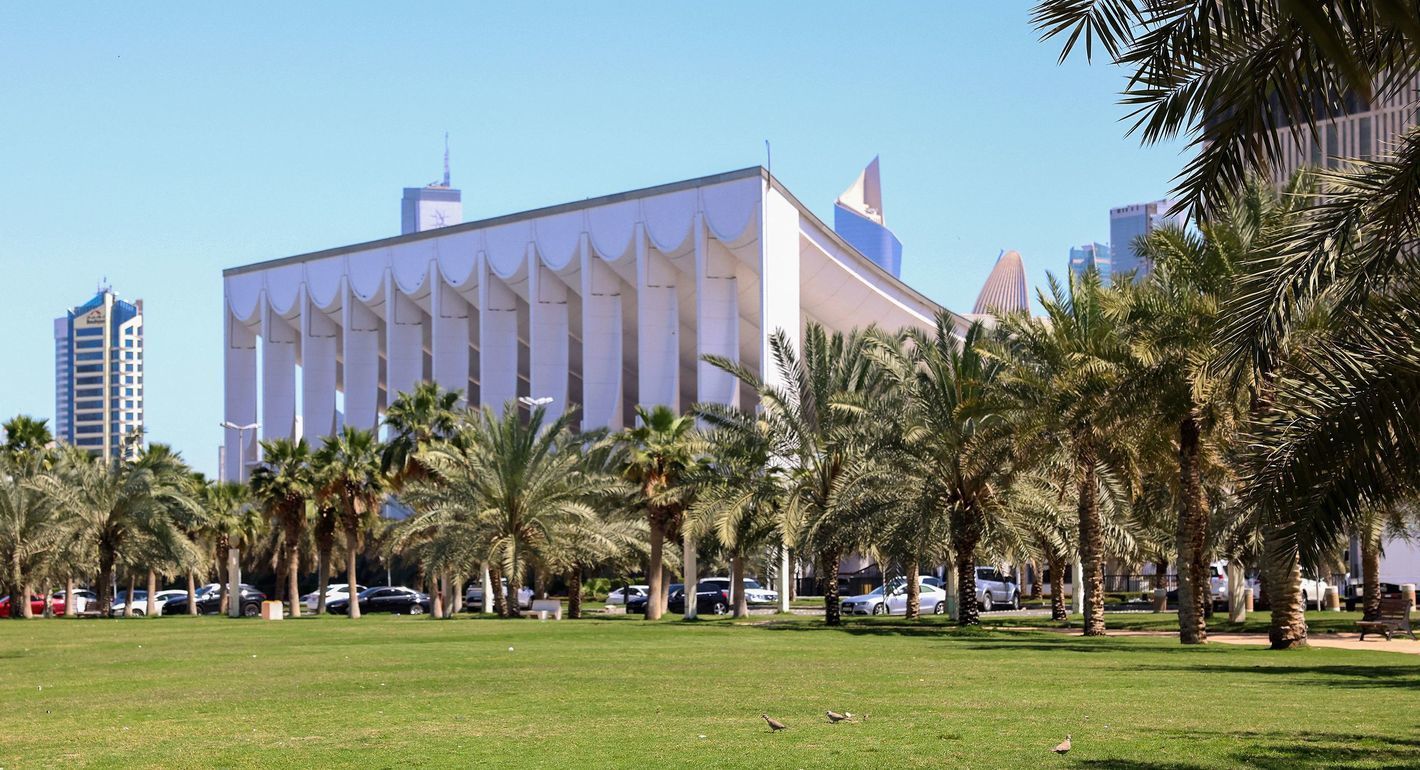
Kuwait’s government has repeatedly launched ambitious reforms under Kuwait Vision 2035, yet bureaucratic inefficiency, siloed institutions, and weak feedback mechanisms continue to stall progress. Adopting government analytics—real-time monitoring and evidence-based decision-making—can transform reform from repetitive announcements into measurable outcomes.
Dalal A. Marafie
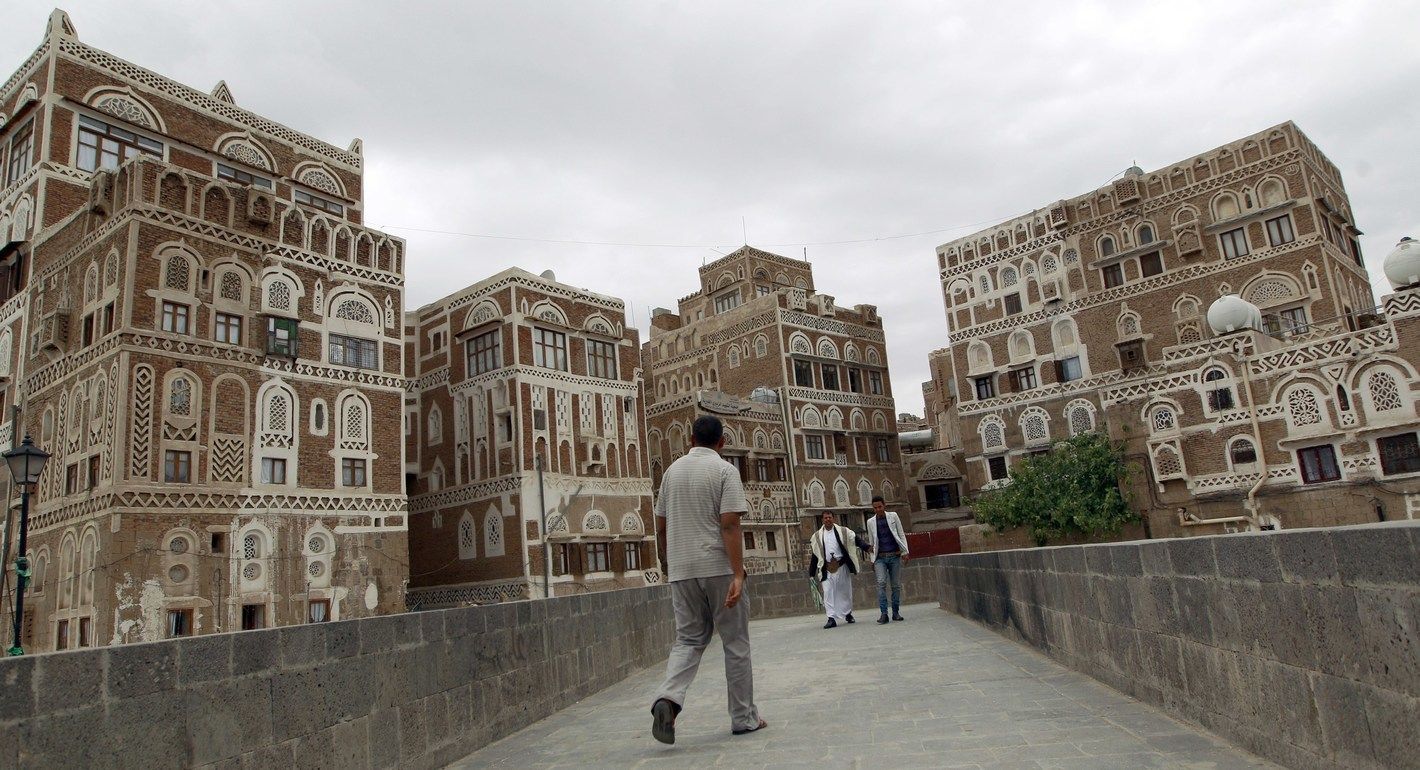
The chaos of street naming in Sana’a reflects the deep weakness of the Yemeni state and its failure to establish a unified urban identity, leaving residents to rely on informal, oral naming systems rooted in collective memory. This urban disorder is not merely a logistical problem but a symbolic struggle between state authority and local community identity.
Sarah Al-Kbat
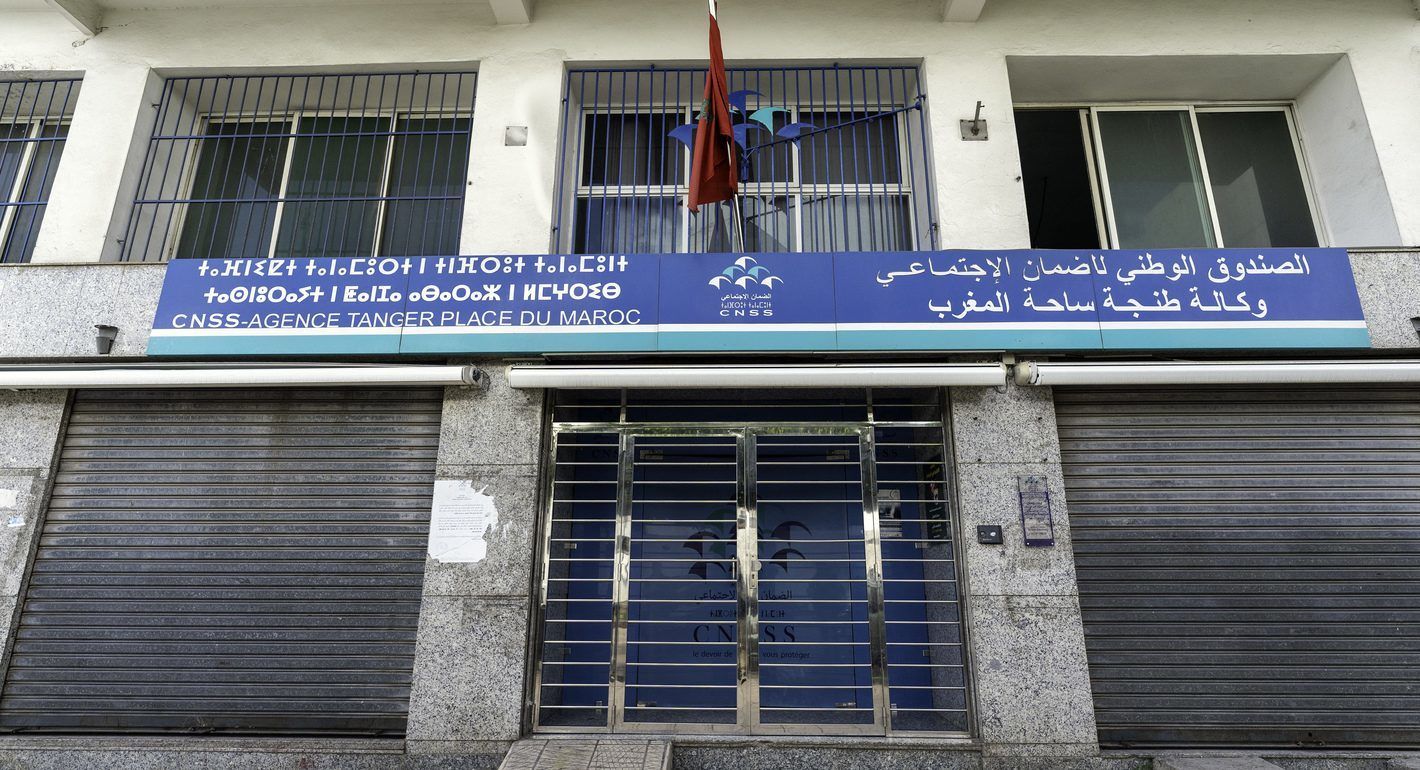
While Morocco’s shift to a digitized social targeting system improves efficiency and coordination in social programs, it also poses risks of exclusion and reinforces austerity policies. The new system uses algorithms based on socioeconomic data to determine eligibility for benefits like cash transfers and health insurance. However, due to technical flaws, digital inequality, and rigid criteria, many vulnerable families are unfairly excluded.
Abderrafie Zaanoun