

Commentary
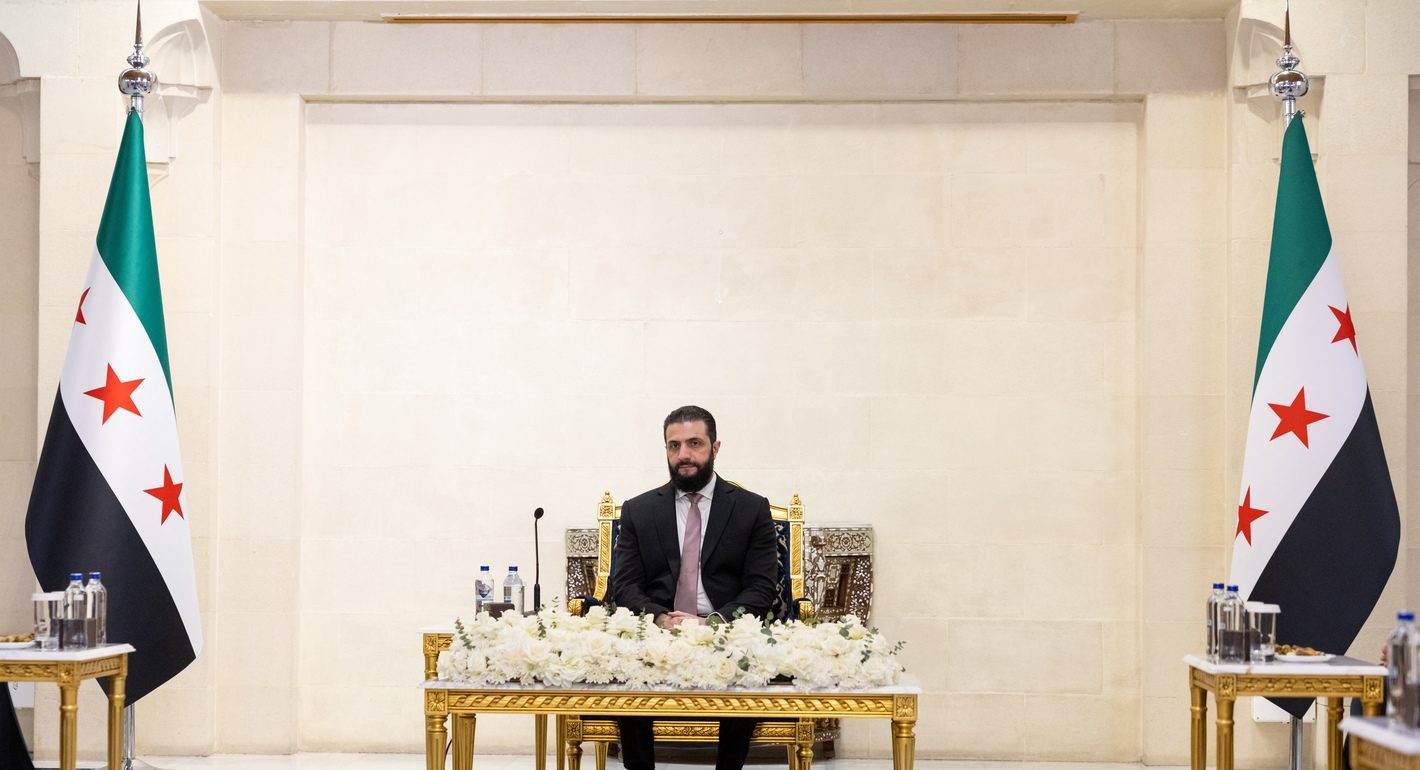
Syria's transition promised a fresh start. But are old habits of power making a comeback? This analysis looks at the warning signs and what it will take to build a more accountable state.
Sima Beitinjaneh
{
  "authors": [
    "Amy Hawthorne"
  ],
  "type": "commentary",
  "blog": "Sada",
  "centerAffiliationAll": "",
  "centers": [
    "Carnegie Endowment for International Peace"
  ],
  "collections": [],
  "englishNewsletterAll": "",
  "nonEnglishNewsletterAll": "",
  "primaryCenter": "Carnegie Endowment for International Peace",
  "programAffiliation": "",
  "programs": [],
  "projects": [],
  "regions": [
    "Qatar"
  ],
  "topics": [
    "Political Reform"
  ]
}

REQUIRED IMAGE
Qatar is frequently described as being at the vanguard of democratization in the Arab world. A look at the tiny Gulf emirate's new reformist constitution, approved in an April 2003 popular referendum, shows that the document has significant limitations, even as compared to other Arab constitutions.
Qatar is frequently described as being at the vanguard of democratization in the Arab world. A look at the tiny Gulf emirate's new reformist constitution, approved in an April 2003 popular referendum, shows that the document has significant limitations, even as compared to other Arab constitutions. It does, however, give an unprecedented political role to Qatari citizens and may offer a testing ground for potential parallel reforms in Saudi Arabia.
The constitution describes Qatar as a democratic state, grants universal suffrage, and affirms the role of the state in providing for the social, economic, and educational well-being of its citizens. It also confirms Qatar as a hereditary emirate, and specifies Sharia as the main source of legislation. Most notably, the constitution creates a legislative body, the Majlis al Shura, with thirty members elected by universal suffrage and fifteen appointed by the emir. Until now, the country had only an appointed council with a limited advisory role. The new majlis will have three main powers: to approve (but not prepare) the national budget; to monitor the performance of ministers through interpellations and no-confidence votes; and to draft, discuss, and vote on proposed legislation, which becomes law only with the vote of a two-thirds majority and the emir's endorsement.
For Qatar, known for its conservative, even sleepy, political culture, the constitution signifies real change. Before Emir Hamad bin Khalifa Al Thani launched his reform process in the mid-1990s, Qatari citizens had only the most limited political rights (women had none) and no meaningful channels for participation. Building on the 1999 formation of an elected municipal council, the establishment of a partially elected legislature will further enhance citizens' ability to take part in state decision making, influence national policy, and promote accountability among government officials.
Beyond the country's borders, the successful functioning of the Qatari majlis may contribute to a Gulf neighborhood effect that could influence moves toward political reform in Saudi Arabia. With Kuwait, Bahrain, and Qatar now all permitting at least partially elected parliaments, and Oman and the United Arab Emirates said to be considering such reforms, Saudi Arabia may soon be the sole remaining absolute monarchy. The close (though sometimes fractious) ties between Riyadh and Doha and the countries' shared Wahhabi doctrine make Qatar, in Saudi eyes, a particularly relevant testing ground for the creation of a partially elected legislature in Saudi Arabia.
Yet the substance of the Qatari constitution is not groundbreaking in the Arab world, or even in the Gulf. Its provisions concerning the role of the state and the limited powers of the legislature echo those found in the constitutions of Kuwait and Bahrain. From the standpoint of civil and political rights, the Qatari charter is weak: its right of assembly is qualified, and like Kuwait and Bahrain's constitutions, it does not permit the formation of political parties. Many other Arab constitutions are more generous in bestowing such rights (although rulers typically undermine them in practice). Like neighboring Gulf constitutions, the Qatari document is silent on the highly sensitive issue of the rights of foreign guest workers, thought to constitute the majority of the emirate's residents. The emir appoints the cabinet and controls its agenda, has the power to block any legislation, can implement laws by decree, and can dissolve the majlis at will. The Qatari constitution does not address the central problems of Arab political systems, whether monarchies or republics: the lack of constraints on executive power. Thus, Qatar's constitutional reforms, like many enacted in other Arab countries, should not be confused with democratization.
More broadly, the ability of Qatar's reform process to provide a democratization template for the broader Middle East should not be exaggerated. The special domestic conditions of Qatar make it a regional anomaly. Most Arab countries face ongoing fiscal problems, rising unemployment, growing income inequality, and popular discontent. Qatar, with enormous natural gas reserves and some oil, a GDP per capita of $27,000, and fewer than 200,000 citizens, is one of the world's wealthiest, and smallest, nations. Qatar's citizenry is free of sectarian, ethnic, or even significant political divisions. There is no questioning of the ruling Al Thani family's legitimacy; indeed, there is no discernable organized dissent of any kind. In Qatar, reforms have been promulgated from the top and presented to an often surprised population, rather than coming in response to popular discontent, as elsewhere in the region.
Amy Hawthorne is an associate at the Carnegie Endowment for International Peace.
Amy Hawthorne
Project on Middle East Democracy
Carnegie does not take institutional positions on public policy issues; the views represented herein are those of the author(s) and do not necessarily reflect the views of Carnegie, its staff, or its trustees.
Syria's transition promised a fresh start. But are old habits of power making a comeback? This analysis looks at the warning signs and what it will take to build a more accountable state.
Sima Beitinjaneh
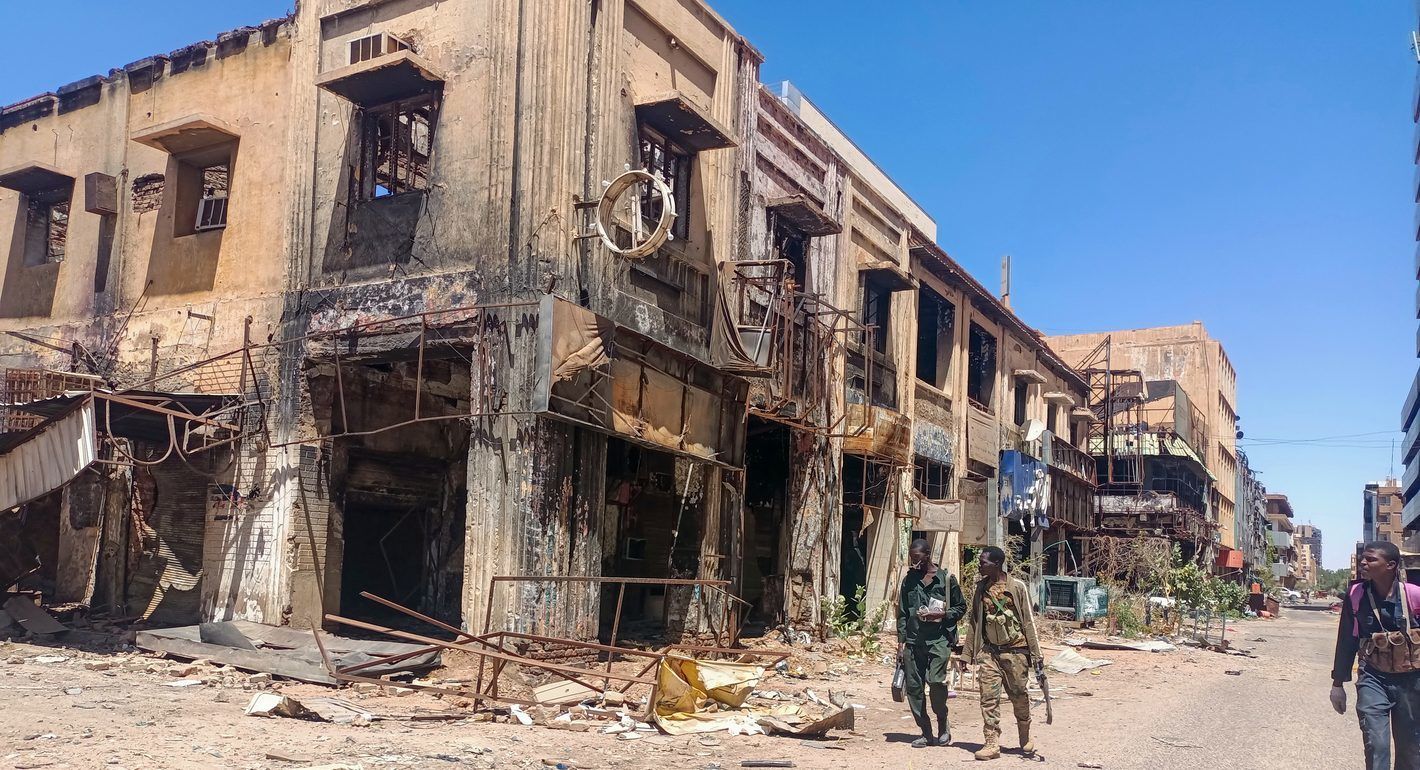
Hate speech has spread across Sudan and become a key factor in worsening the war between the army and the Rapid Support Forces. The article provides expert analysis and historical background to show how hateful rhetoric has fueled violence, justified atrocities, and weakened national unity, while also suggesting ways to counter it through justice, education, and promoting a culture of peace.
Samar Sulaiman
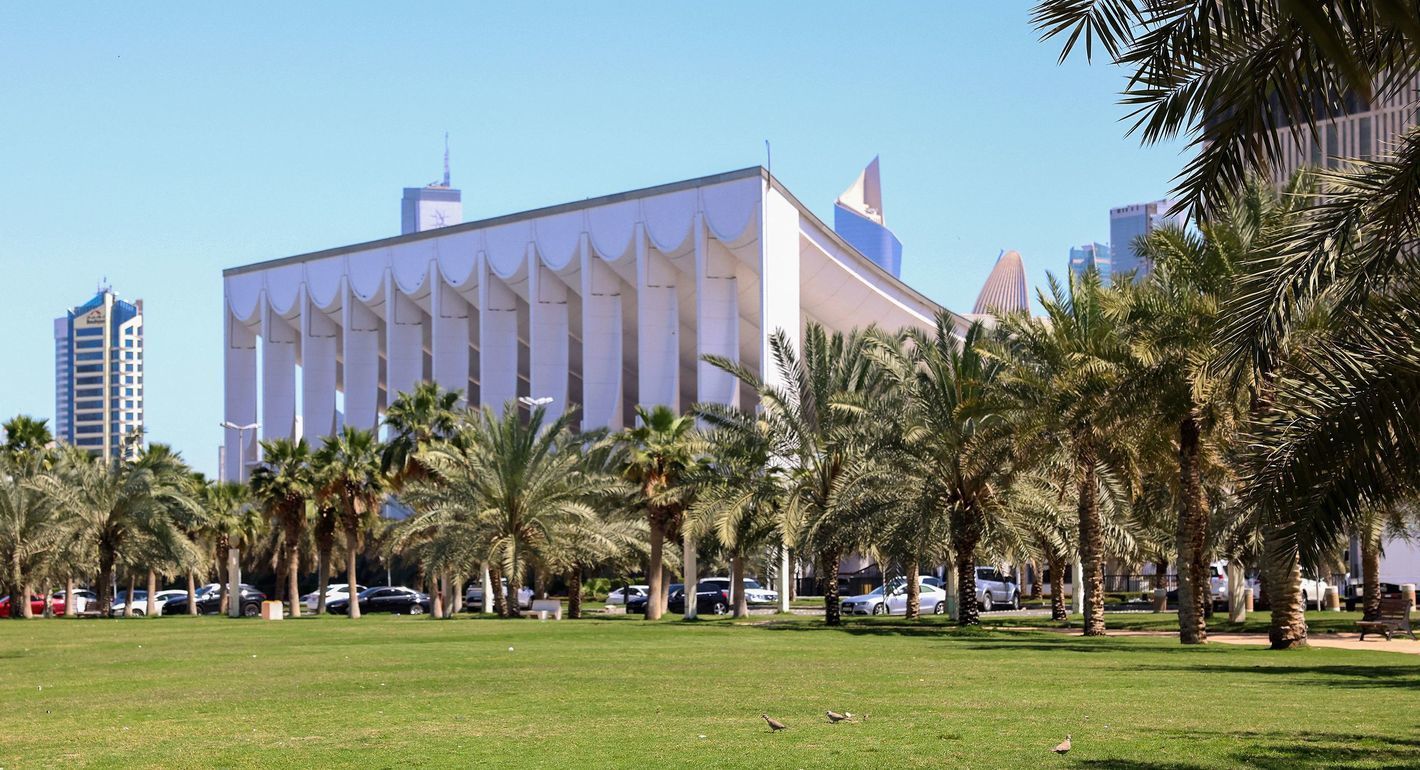
Kuwait’s government has repeatedly launched ambitious reforms under Kuwait Vision 2035, yet bureaucratic inefficiency, siloed institutions, and weak feedback mechanisms continue to stall progress. Adopting government analytics—real-time monitoring and evidence-based decision-making—can transform reform from repetitive announcements into measurable outcomes.
Dalal A. Marafie
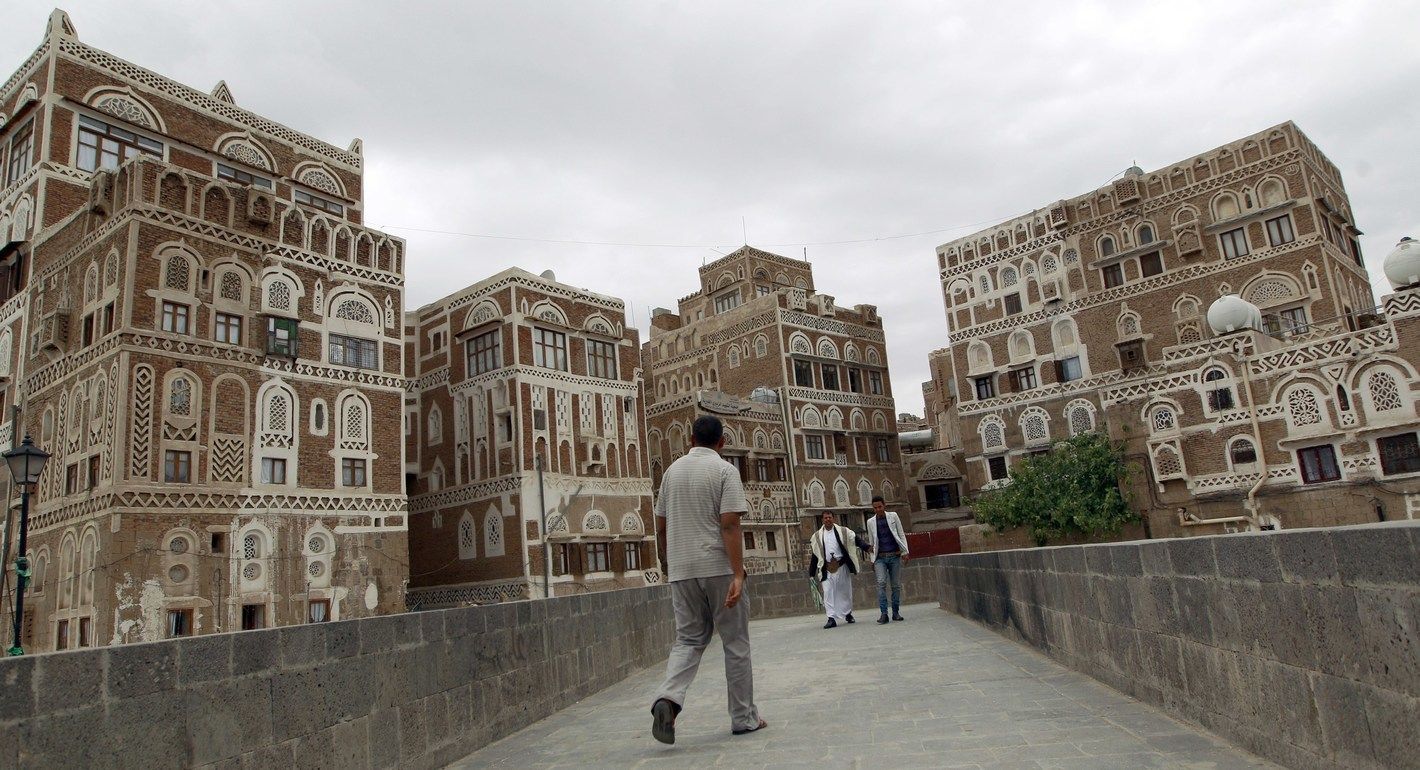
The chaos of street naming in Sana’a reflects the deep weakness of the Yemeni state and its failure to establish a unified urban identity, leaving residents to rely on informal, oral naming systems rooted in collective memory. This urban disorder is not merely a logistical problem but a symbolic struggle between state authority and local community identity.
Sarah Al-Kbat
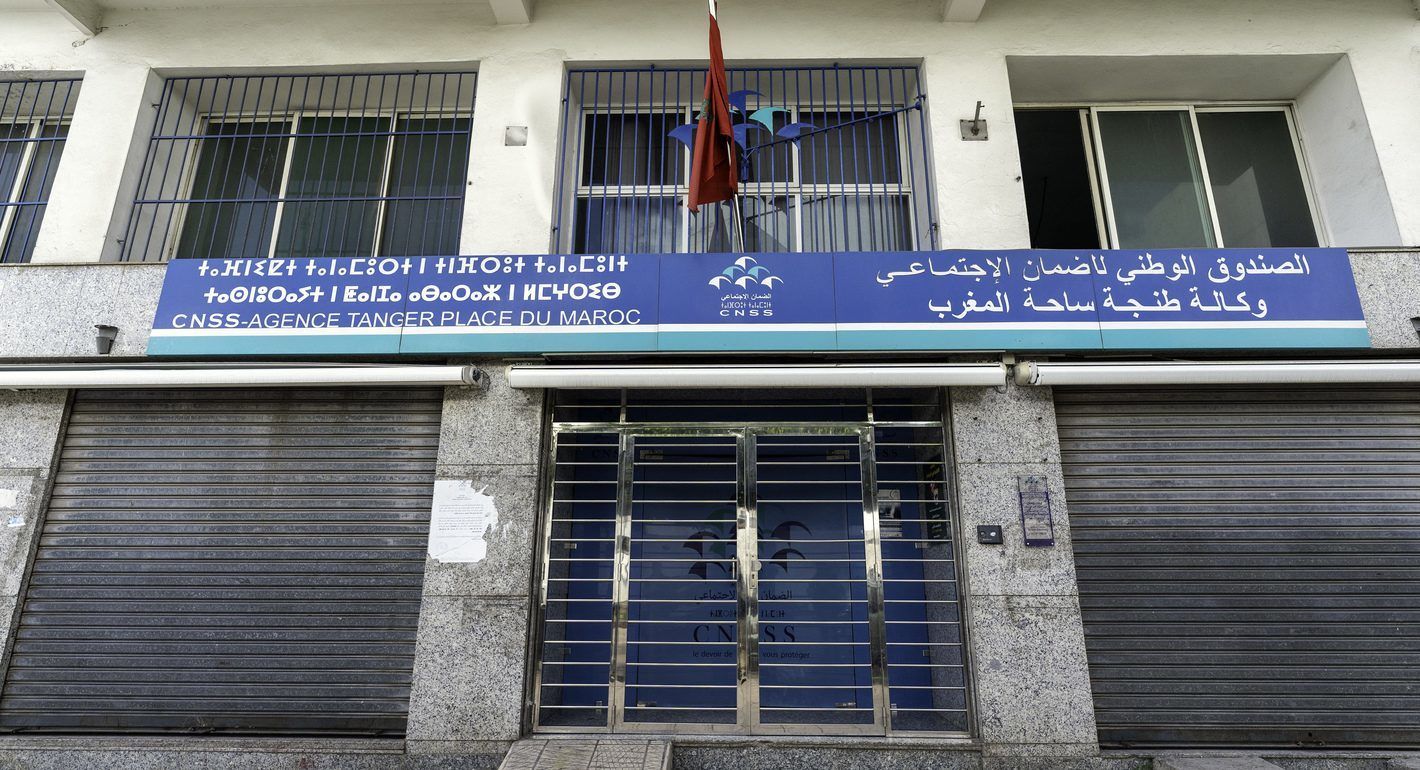
While Morocco’s shift to a digitized social targeting system improves efficiency and coordination in social programs, it also poses risks of exclusion and reinforces austerity policies. The new system uses algorithms based on socioeconomic data to determine eligibility for benefits like cash transfers and health insurance. However, due to technical flaws, digital inequality, and rigid criteria, many vulnerable families are unfairly excluded.
Abderrafie Zaanoun