

Commentary
Syria's transition promised a fresh start. But are old habits of power making a comeback? This analysis looks at the warning signs and what it will take to build a more accountable state.
Sima Beitinjaneh
{
  "authors": [
    "Ghanim Al-Najjar"
  ],
  "type": "commentary",
  "blog": "Sada",
  "centerAffiliationAll": "",
  "centers": [
    "Carnegie Endowment for International Peace"
  ],
  "collections": [],
  "englishNewsletterAll": "",
  "nonEnglishNewsletterAll": "",
  "primaryCenter": "Carnegie Endowment for International Peace",
  "programAffiliation": "",
  "programs": [],
  "projects": [],
  "regions": [
    "Kuwait"
  ],
  "topics": [
    "Political Reform"
  ]
}

REQUIRED IMAGE
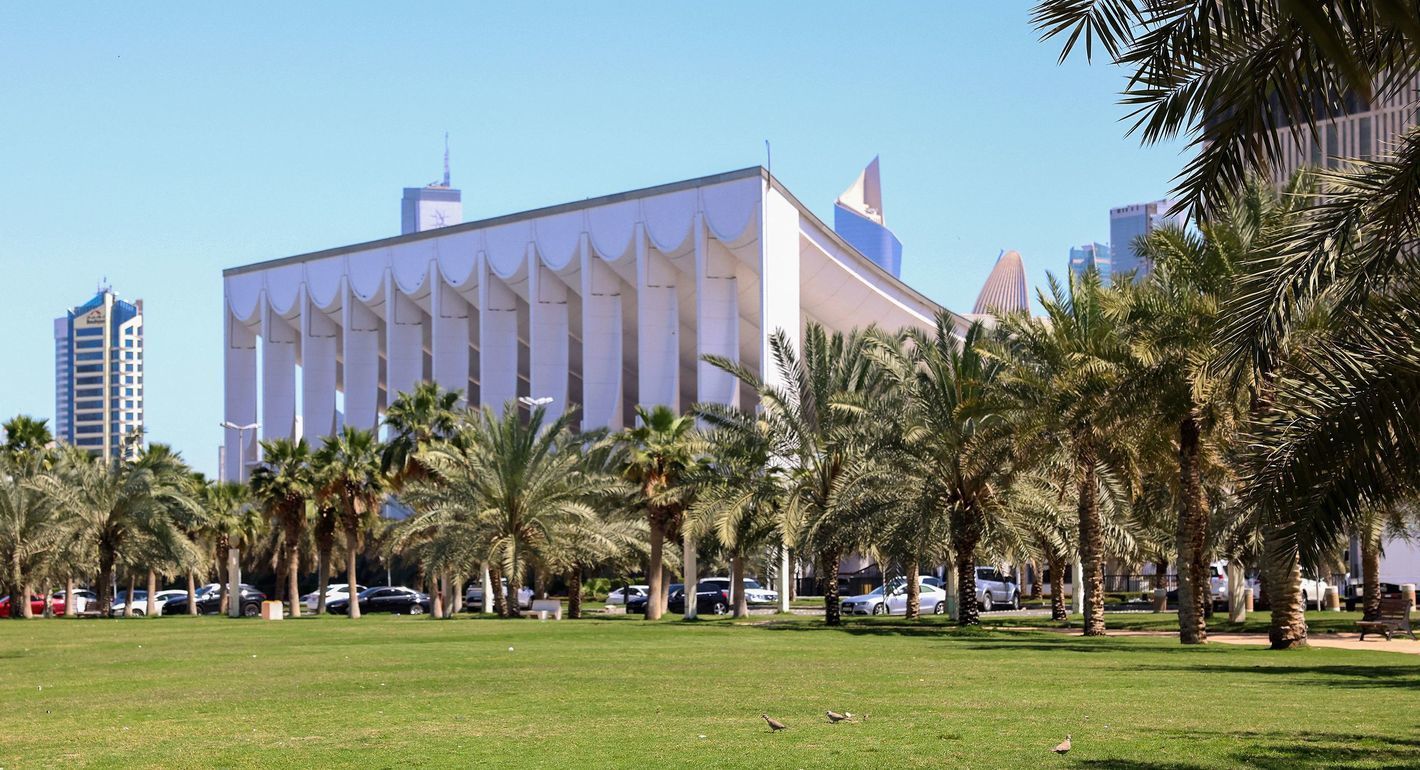
The current crisis over electoral redistricting—leading to the dissolution of the National Assembly and new elections set for June 29—is unusually sharp but by no means a first in Kuwait's 45-year history as an independent nation. If the issue is finally resolved, it could open the way toward a broader discussion of representation including the issue of possible legalization of political parties.
The current crisis over electoral redistricting—leading to the dissolution of the National Assembly and new elections set for June 29—is unusually sharp but by no means a first in Kuwait's 45-year history as an independent nation. If the issue is finally resolved, it could open the way toward a broader discussion of representation including the issue of possible legalization of political parties.
Since the 1960s, half of all Kuwaiti parliaments have been dissolved early. In 1967 the government falsified electoral results, leading to the resignation in protest of eight members elected to the National Assembly. The next crisis came in 1976 when the government dissolved the National Assembly unconstitutionally, that is, it failed to call new elections within 60 days the of the dissolution. In 1980 the government tried to change the constitution in the absence of the assembly, raising the number of electoral constituencies to 25. Another crisis occurred in 1986 when the government again unconstitutionally dissolved the National Assembly. The next came in 1999 when the government dissolved the Assembly, but this time observed the constitutional provision for new elections within two months. Thus we come to the Tenth National Assembly elected in 2003 and dissolved constitutionally in 2006, in the midst of a fierce political crisis between the government and popular movements representing most of the country's political currents.
The main controversy in Kuwaiti politics has been, and continues to be, electoral districts. The crux of the issue is that with a voting population as small as Kuwait's, a large number of electoral districts encourages vote buying and corruption and discourages debate of national issues. At the time of Kuwaiti independence in 1961, there was a division between popular support for a single electoral district for all of Kuwait, and a government desire for 20 constituencies. The struggle intensified to the point that a number of key political actors threatened to boycott elections if the government insisted on its position, leading to a compromise on ten districts. Four elections were held under that system, one of which was rigged (1967) and another of which lead to an unconstitutional dissolution of the Assembly (1976). The government's displeasure with the ten-district system became clear in 1981 when it insisted on raising the number to 25 districts, which is the current system.
Electoral districts remained a live issue after 1981, with many politicians insisting that the 25-constituency system was corrupt and in need of reform. Beginning with the 2003 National Assembly the government began to show signs of responsiveness, so several deputies put forth proposals and the government offered its own plan to the National Assembly. However, a proliferation of redistricting plans—including more than one from the government—created confusion and accusations of bad faith on the government's part, leading to failure.
When a new government headed by Sheik Nasser Al Muhammad Al Sabah was formed after the death of the former Emir in 2005, it presented itself as reformist and named electoral redistricting among its priorities. A committee was formed to deal with the issue and after careful deliberation concluded that the ideal solution was to divide Kuwait into five electoral constituencies. Opposition deputies announced their support of the five-district plan and mobilized a popular campaign on its behalf. The campaign, led by young people, chose the color orange as its symbol and included the participation of 29 (out of a total of 50) parliamentary deputies, while a smaller number of deputies came out against it. The government's position on the plan was ambiguous. After a group of parliamentary deputies demanded to interpellate the prime minister over the government's handling of the issue, the cabinet requested that the Emir dissolve the National Assembly.
While the June 29 elections will be held according to the 25-district system, the prospect of a reduced number of districts with a larger number of voters in each will shape debates and electoral outcomes. Above all, it will raise the importance of the issue of political parties, which would play an important role in a revised system. Although there are currently at least seven quasi-parties in Kuwait, they are technically illegal and the actual passage of a law regulating parties remains a distant proposition. Once the districting issue is resolved, those who hope to develop a party system in Kuwait will need to find ways to raise the profile of the issue and drum up public support and interest in parties, which so far is lacking.
Ghanim Al Najjar is Professor of Political Science at Kuwait University. He can be reached at: ghanim3322@yahoo.com. This article was translated from Arabic by Kevin Burnham.
Former Nonresident Scholar, Middle East Center
Al-Najjar is a professor of Political Science at Kuwait University. He has lectured in more than 43 universities, academic institutions, and think tanks around the world.
Carnegie does not take institutional positions on public policy issues; the views represented herein are those of the author(s) and do not necessarily reflect the views of Carnegie, its staff, or its trustees.
Syria's transition promised a fresh start. But are old habits of power making a comeback? This analysis looks at the warning signs and what it will take to build a more accountable state.
Sima Beitinjaneh
Hate speech has spread across Sudan and become a key factor in worsening the war between the army and the Rapid Support Forces. The article provides expert analysis and historical background to show how hateful rhetoric has fueled violence, justified atrocities, and weakened national unity, while also suggesting ways to counter it through justice, education, and promoting a culture of peace.
Samar Sulaiman
Kuwait’s government has repeatedly launched ambitious reforms under Kuwait Vision 2035, yet bureaucratic inefficiency, siloed institutions, and weak feedback mechanisms continue to stall progress. Adopting government analytics—real-time monitoring and evidence-based decision-making—can transform reform from repetitive announcements into measurable outcomes.
Dalal A. Marafie
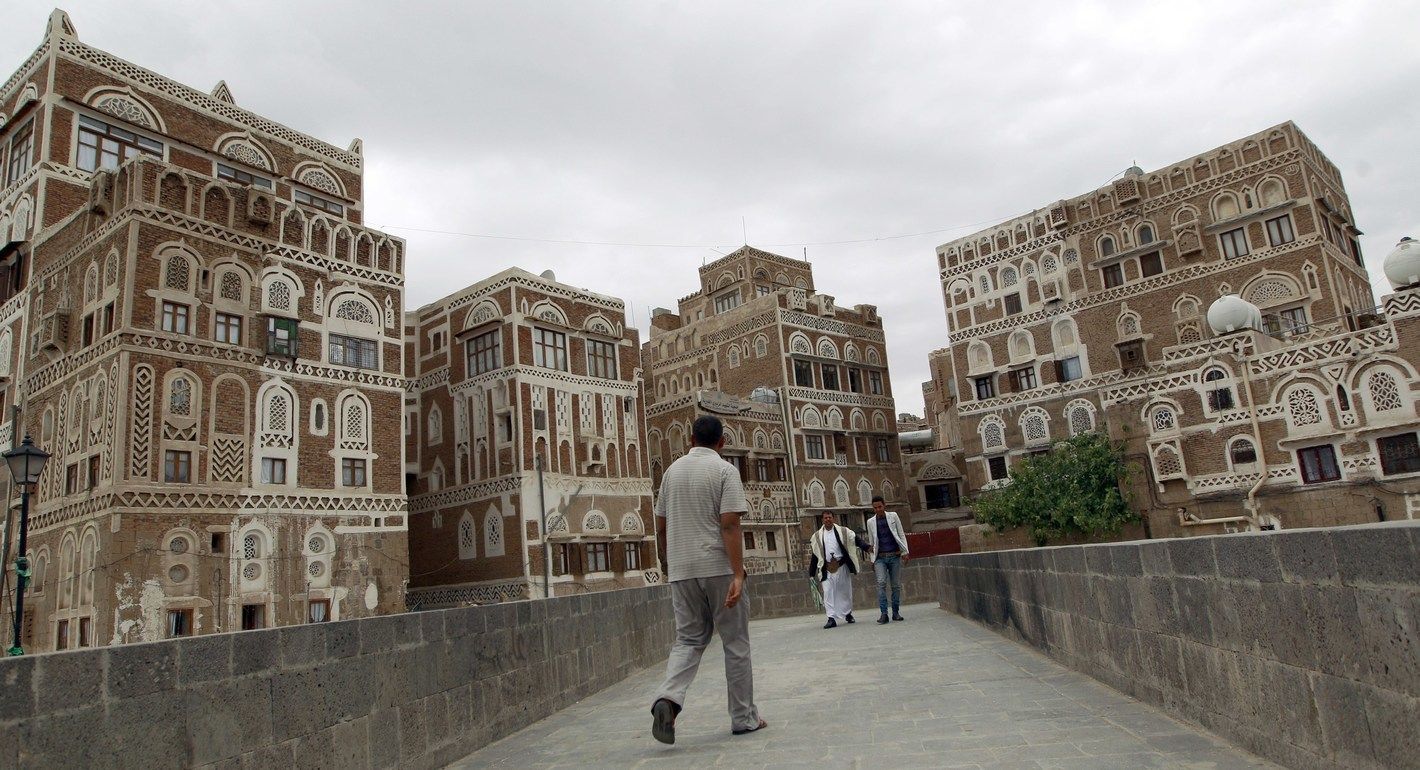
The chaos of street naming in Sana’a reflects the deep weakness of the Yemeni state and its failure to establish a unified urban identity, leaving residents to rely on informal, oral naming systems rooted in collective memory. This urban disorder is not merely a logistical problem but a symbolic struggle between state authority and local community identity.
Sarah Al-Kbat
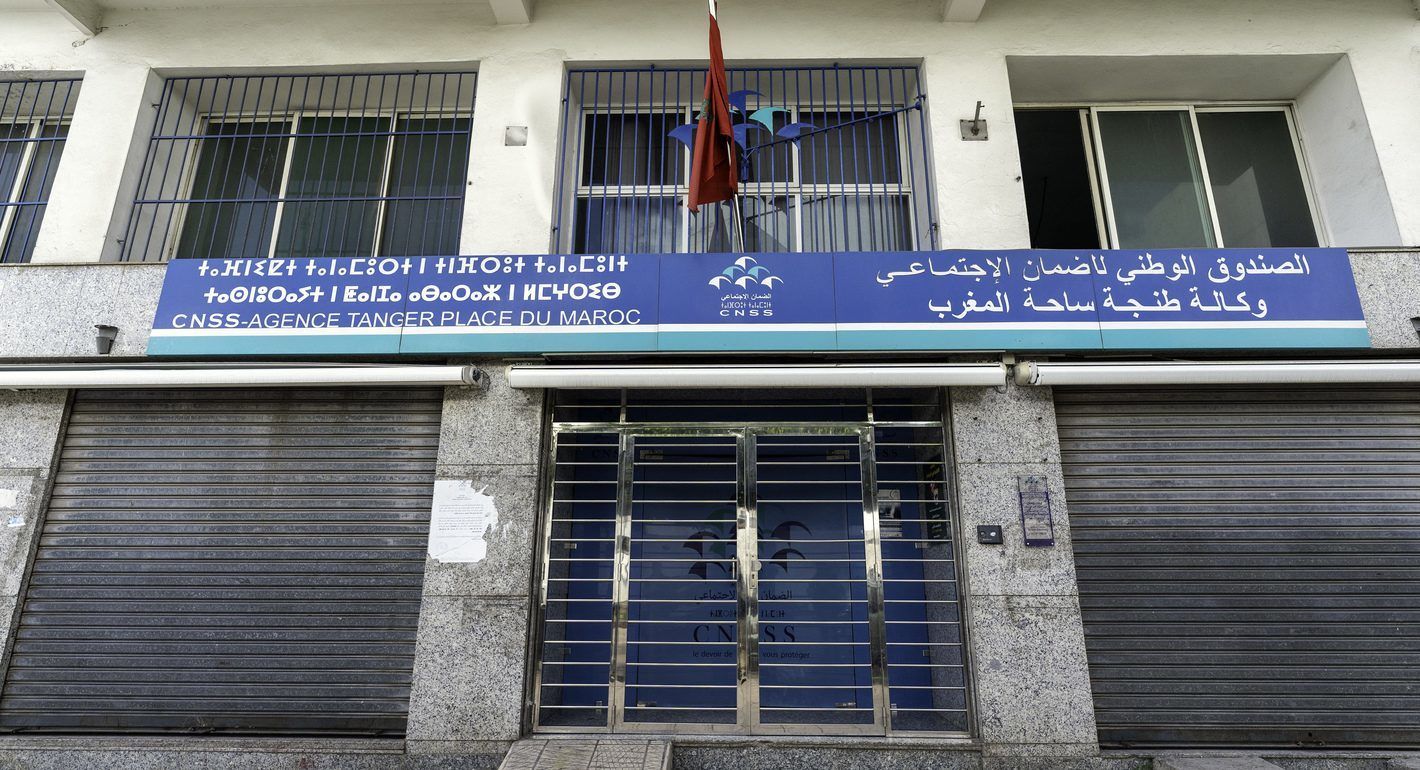
While Morocco’s shift to a digitized social targeting system improves efficiency and coordination in social programs, it also poses risks of exclusion and reinforces austerity policies. The new system uses algorithms based on socioeconomic data to determine eligibility for benefits like cash transfers and health insurance. However, due to technical flaws, digital inequality, and rigid criteria, many vulnerable families are unfairly excluded.
Abderrafie Zaanoun