

Paper
Sarah Yerkes, Natalie Triche, Amr Hamzawy
{
  "authors": [
    "Amr Hamzawy"
  ],
  "type": "commentary",
  "blog": "Sada",
  "centerAffiliationAll": "",
  "centers": [
    "Carnegie Endowment for International Peace"
  ],
  "collections": [],
  "englishNewsletterAll": "",
  "nonEnglishNewsletterAll": "",
  "primaryCenter": "Carnegie Endowment for International Peace",
  "programAffiliation": "",
  "programs": [],
  "projects": [],
  "regions": [
    "North Africa",
    "Egypt",
    "Middle East",
    "Iraq"
  ],
  "topics": [
    "Political Reform"
  ]
}

REQUIRED IMAGE
In 2002, Egypt's ruling National Democratic Party (NDP) embarked on an effort to project a new, reformist image. Rising domestic demands for political accountability, deteriorating socioeconomic conditions, and popular dissatisfaction with the performance of NDP-led governments have forced the party to reconsider its public profile.
In 2002, Egypt's ruling National Democratic Party (NDP) embarked on an effort to project a new, reformist image. Rising domestic demands for political accountability, deteriorating socioeconomic conditions, and popular dissatisfaction with the performance of NDP-led governments have forced the party to reconsider its public profile. A greater inclination on the part of the United States and the European Union to pressure Egypt on political reform has also played a role. The most important factor, however, appears to be concern about the future of the party after aging Egyptian President Hosni Mubarak is no longer in power.
In the past two years, a cadre of younger technocrats—mainly mid-career professionals, businessmen and university professors—has been injected into a party long dominated by older figures. This "young guard," well versed in the rhetoric of good governance and human rights, is closely associated with President Mubarak's forty-one-year-old son, Gamal. Gamal himself has assumed an increasingly prominent position in the party as head of the new High Policies Council. This body is the vehicle through which the young guard has developed the NDP's current platform of economic, social and political reforms and slogans such as "let us reform our own house first" and "citizens' rights first." The NDP has also revamped its internal structure by introducing primaries for leadership posts, by creating specialized policy committees, and by convening an annual congress.
These moves led some Egyptians to anticipate that the party was on the verge of radical change in its internal workings and its outward political orientation. But such hopes seem to be withering away. The NDP reform platform has proved hollow and in blatant contradiction to the demands of the country's popular political forces. The structural limits of the NDP's approach to "change" have become apparent.
For one thing, the NDP ignores the wide consensus that exists outside its own narrow constituency about the steps needed to render the dream of democratization in Egypt a reality: allowing direct presidential elections, limiting presidential terms and powers, and reducing controls on parties and civil society groups. As the position papers adopted by the NDP at its September 2004 Congress make clear, the party does not intend to go anywhere near such measures.
More worrisome, however, is the NDP's reversion, in both its general discourse and its specific policy prescriptions, to the worn-out mantra that economic reform must precede political reform. In stressing the primacy of economic modernization, the NDP of 2004 echoes the outdated calls for economic liberalization and restricted pluralism that dominated official discourse in the 1970s and 1980s. Now, as then, having nominated itself as the legitimate interpreter and representative of Egyptians' "real" needs—bread, not freedom of association—the NDP has championed itself as the advocate of popular appeals. Indeed, it often seems that the only difference between the party's stance now and then is that the NDP's young strategists have some awareness of the need for political reform in the very long term.
The only possible outcome of the NDP's approach of "democratization in occasional spurts" will be to delay vital political reforms. In the meantime, the NDP will dismiss criticisms of its dubious commitment to reform, or articulations of alternative views of Egypt's future, as the calls of isolated intellectuals who have no understanding of what the masses really want, or reject them as the demands of Islamists who simply want to take power.
To defend its approach, the NDP puts forward a double-edged notion of Egyptian particularity and regional exceptionalism. On the one hand, leading party figures claim that a special "Egyptian path" to democracy consisting of very gradual steps is required for Egypt's Arab-Muslim society. But such gradualism without a clear and viable conceptualization of breakthroughs such as amending the Constitution and opening up the political sphere for new parties is equivalent to a corrupt, apologetic defense of authoritarianism. On the other hand, the NDP invokes the specter of regional instability to discredit calls for deeper political reforms as irresponsible talk that could endanger Egypt’s security. Since the April 2003 collapse of Saddam Hussein's regime and the rise of violence in Iraq, the NDP has played the miserable game of terrifying Egyptians by suggesting that "uncontrolled change"—meaning change not controlled by the ruling party—will lead to chaos like that now engulfing Iraq.
The political climate in Egypt is characterized by a growing polarization between the NDP and opposition parties and civil society movements. The strategy adopted by the ruling elite almost three decades ago has led to no more than minor tinkering on the fringes of the political sphere. The system of power relationships as well as the constitutional and legal arrangements for political participation remain essentially unchanged and semi-authoritarian in nature. The NDP's current reformist stance appears depressingly familiar, its modern rhetoric and creative cosmetics aside.
Amr Hamzawy recently joined the Carnegie Endowment for International Peace as a senior associate in the Democracy and Rule of Law Project.

Director, Middle East Program
Amr Hamzawy is a senior fellow and the director of the Carnegie Middle East Program. His research and writings focus on Egypt’s and other middle powers’ involvement in regional security in the Middle East, particularly through collective diplomacy and multilateral conflict resolution
Recent Work

Sarah Yerkes, Natalie Triche, Amr Hamzawy
Amr Hamzawy
Carnegie does not take institutional positions on public policy issues; the views represented herein are those of the author(s) and do not necessarily reflect the views of Carnegie, its staff, or its trustees.
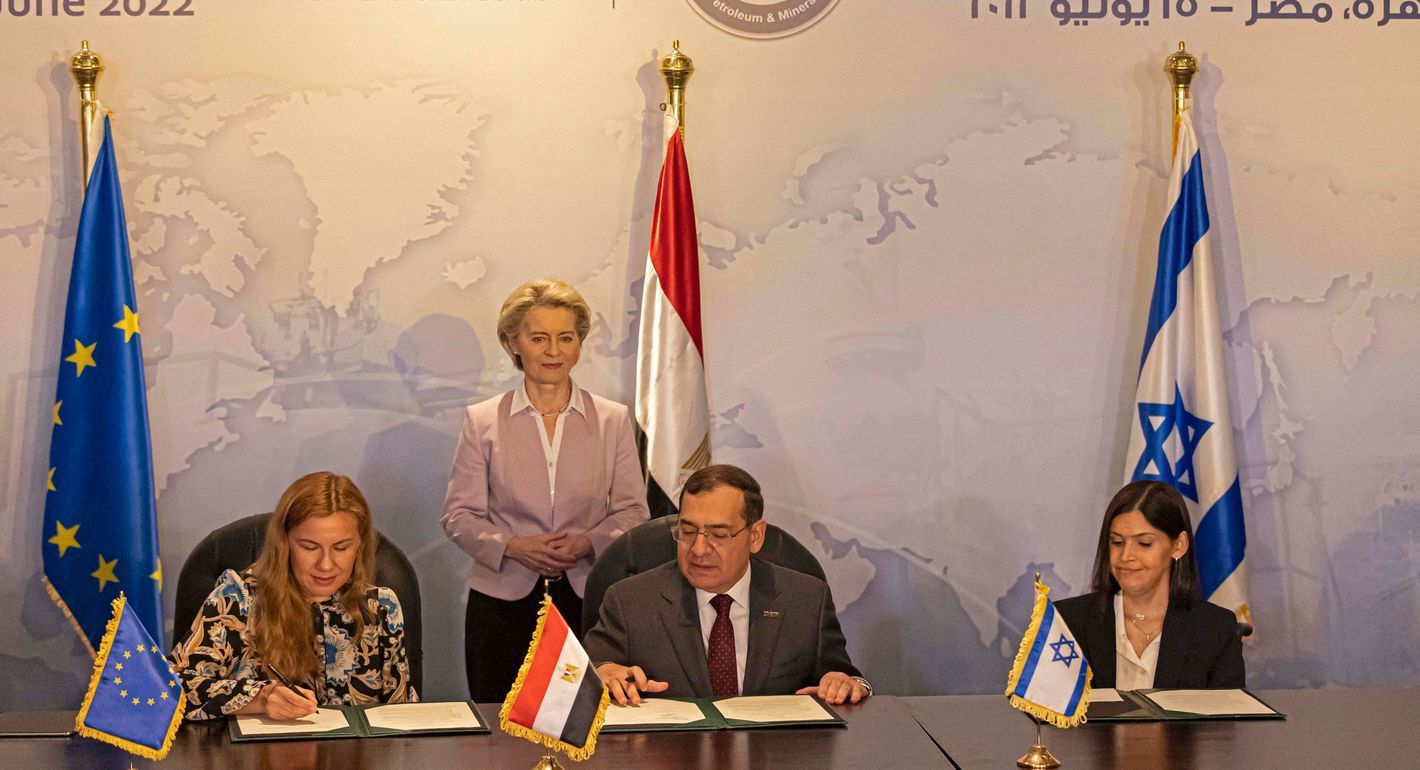
Can economic ties help contain conflict between Egypt and Israel, or do they simply postpone confrontation? Drawing on the German-Russian experience, the article examines how the gas deal creates mutual dependence, keeps channels of cooperation open, and raises the cost of conflict, without necessarily delivering lasting peace.

Nourhan Hefzy
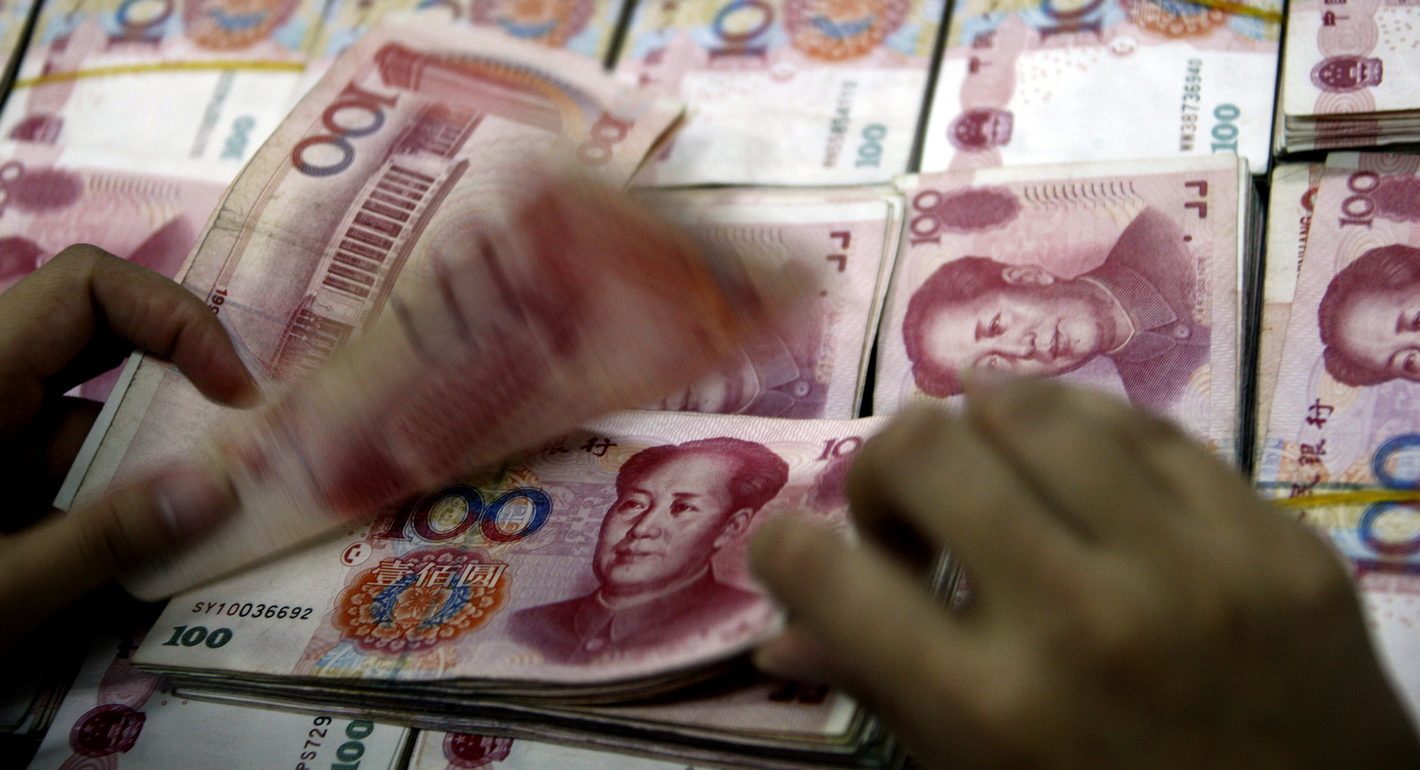
Is the Gulf moving beyond the dollar? This article examines how China is expanding the renminbi's role across Gulf markets, what that means for regional finance, and why the future of global currencies is more complex than the de-dollarization debate suggests.

Andrew Bonney
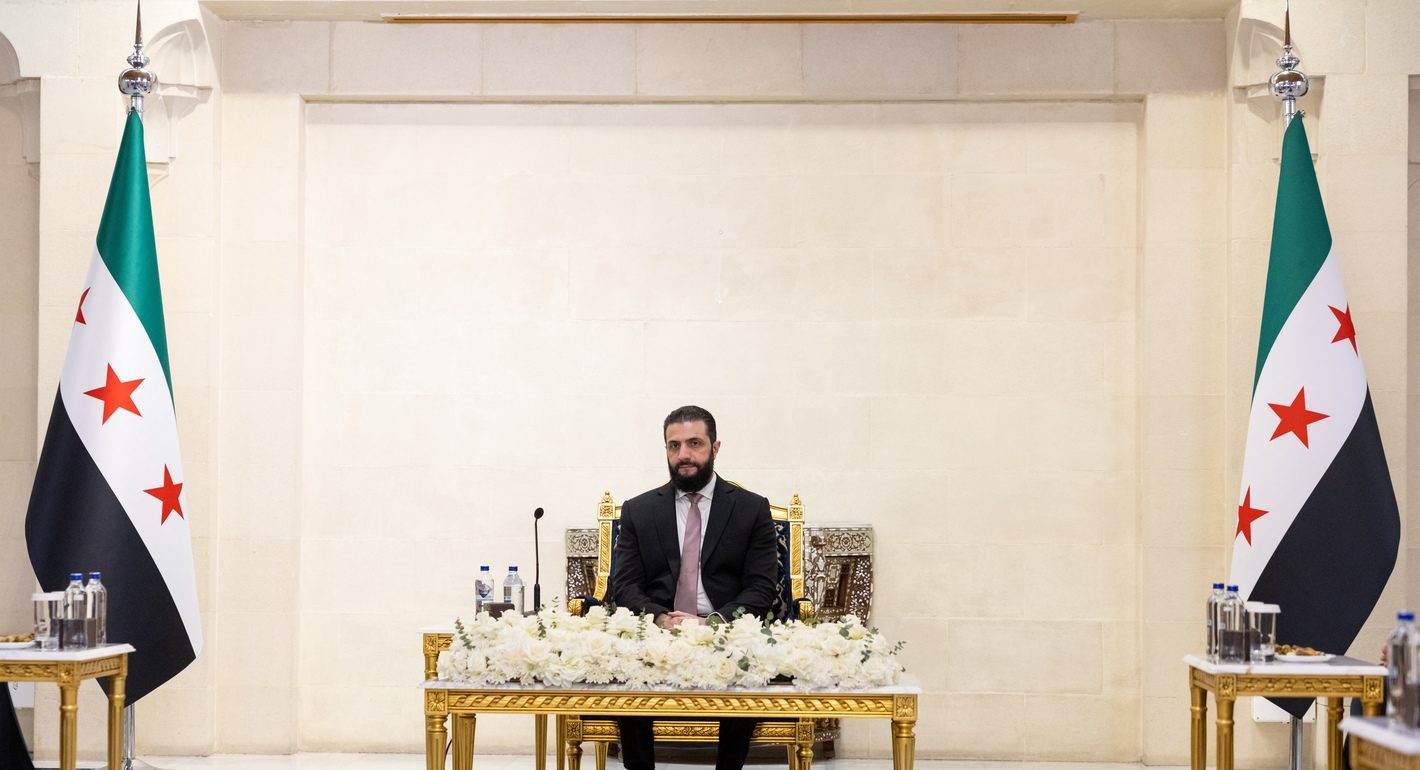
Syria's transition promised a fresh start. But are old habits of power making a comeback? This analysis looks at the warning signs and what it will take to build a more accountable state.
Sima Beitinjaneh
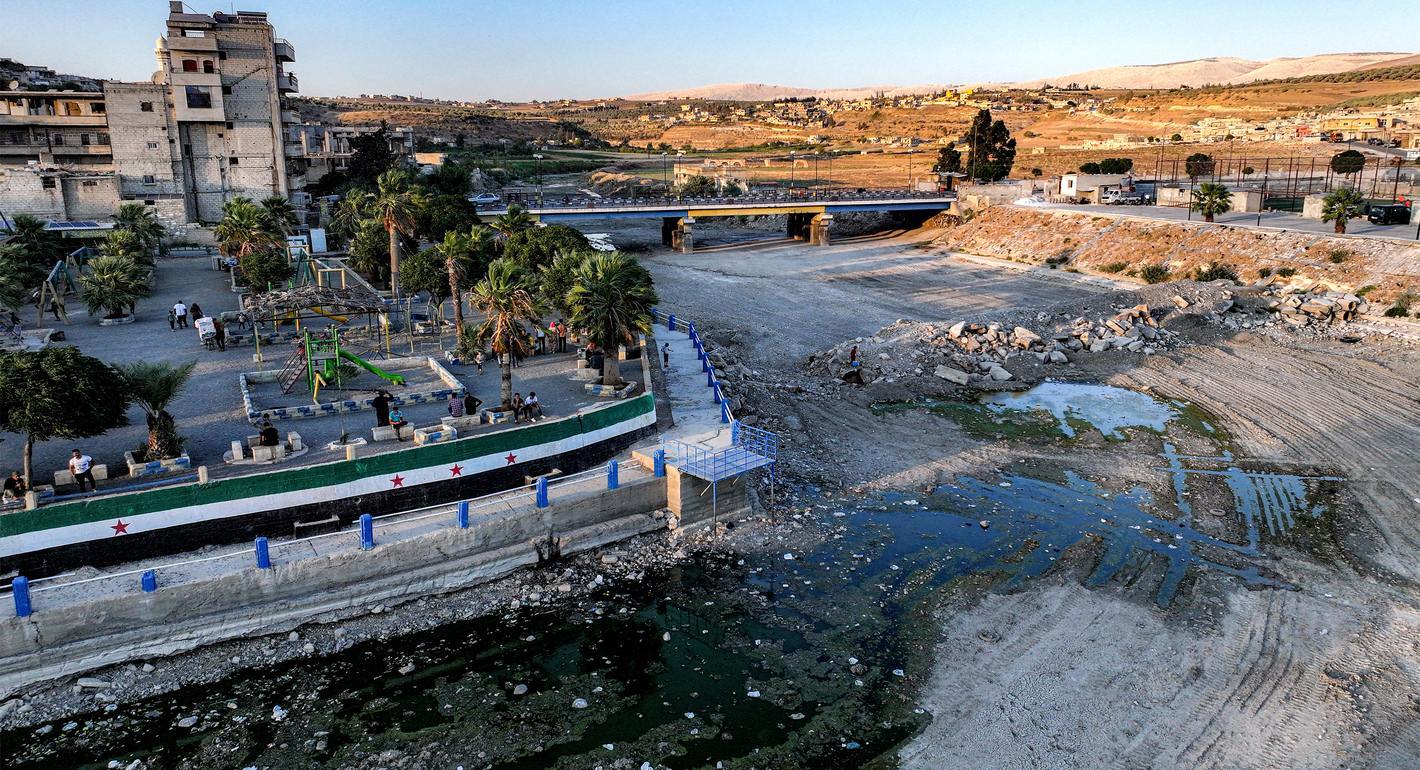
Syria’s worsening drought is no longer a seasonal crisis. This report explains what climate change is doing to rainfall, groundwater, and food security, and what solutions experts say are still possible.
Milia Esper
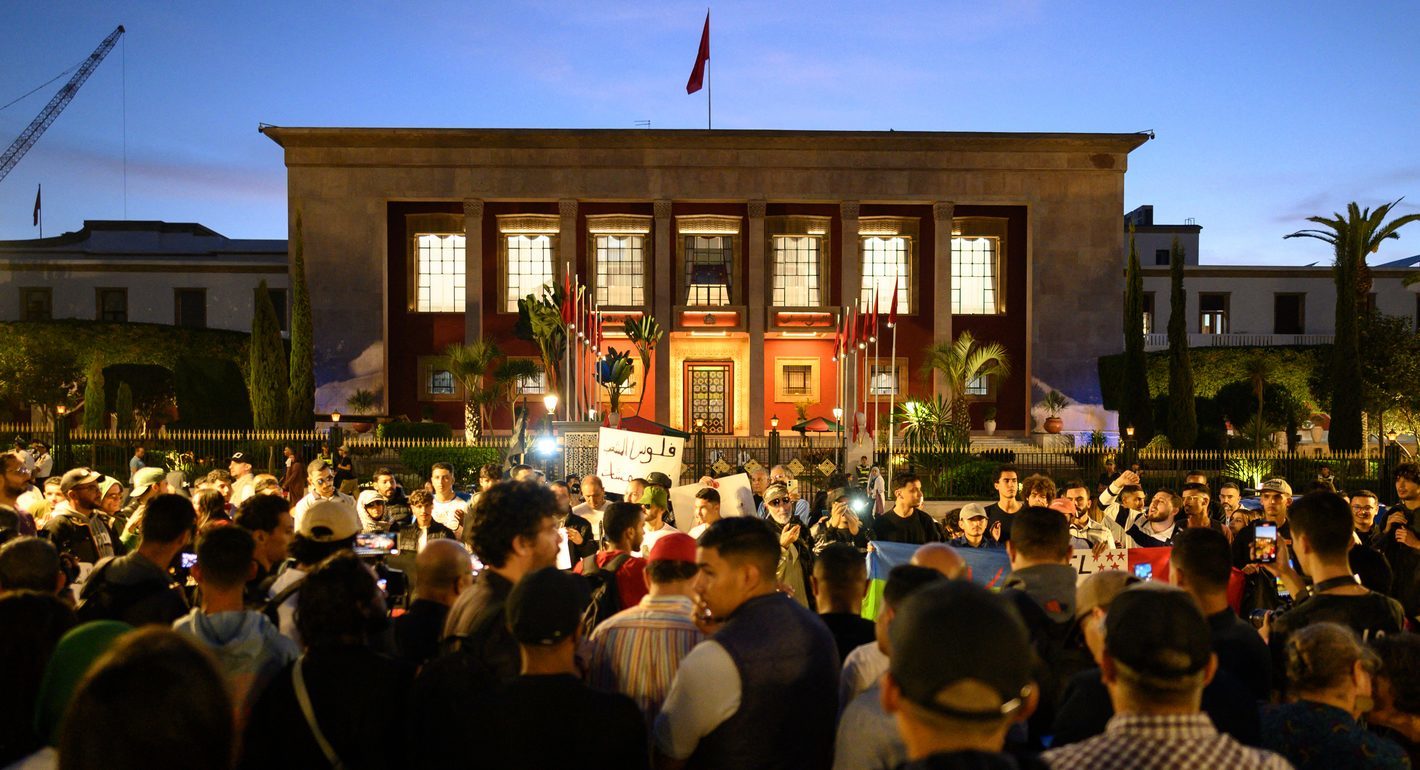
From anime heroes to online gaming communities, Morocco’s Gen Z is building a new protest culture. What does this digital imagination reveal about youth politics, and how should institutions respond?
Abdelilah Farah