

Commentary
Syria's transition promised a fresh start. But are old habits of power making a comeback? This analysis looks at the warning signs and what it will take to build a more accountable state.
Sima Beitinjaneh
{
  "authors": [
    "Haya Abdulrahman Al Mughni"
  ],
  "type": "commentary",
  "blog": "Sada",
  "centerAffiliationAll": "",
  "centers": [
    "Carnegie Endowment for International Peace"
  ],
  "collections": [],
  "englishNewsletterAll": "",
  "nonEnglishNewsletterAll": "",
  "primaryCenter": "Carnegie Endowment for International Peace",
  "programAffiliation": "",
  "programs": [],
  "projects": [],
  "regions": [
    "Kuwait"
  ],
  "topics": [
    "Political Reform"
  ]
}

REQUIRED IMAGE
In May 2004, the Kuwaiti cabinet submitted to parliament a bill amending the 1962 electoral law to give women the right to vote and run for office. In November 1999, amidst the stormiest public debate in Kuwait's history, parliament narrowly rejected a decree promulgated by Emir Jaber Al Sabah that conferred full political rights on women.
In May 2004, the Kuwaiti cabinet submitted to parliament a bill amending the 1962 electoral law to give women the right to vote and run for office. In November 1999, amidst the stormiest public debate in Kuwait's history, parliament narrowly rejected a decree promulgated by Emir Jaber Al Sabah that conferred full political rights on women. Parliament again voted down a similar bill a few months later. As the current legislation has provoked relatively little public opposition so far, its prospects appear more favorable. The bill's passage, however, will not necessarily have the profound impact on women's status that some expect.
Some observers have suggested that the Kuwaiti leadership expected the Islamist-dominated parliament to reject the bill, but still hoped to gain favorable international publicity by simply introducing the legislation. The government was surprised, therefore, when the Islamic Constitutional Movement—Kuwait's leading Sunni Islamist group—reversed its traditional opposition to women's suffrage and announced its support for the bill in June. This move increases the possibility that Islamist parliamentarians will back the legislation when parliament takes up the matter in October, following its summer recess. Liberal and Shiite parliamentarians are also likely to support the suffrage bill.
The fate of the bill is tied to that of controversial electoral redistricting legislation also pending in parliament. Backed by liberal and Shiite members, the redistricting bill would reduce Kuwait's current 25 electoral districts, which range in size from 1,000 to 10,000 voters, to ten districts of equal size. The existing districts generally favor pro-government candidates. For this reason the cabinet has sought to block the redistricting bill. If it passes, the government is likely to push hard for women's suffrage because it views enfranchising women as a means to mitigate the destabilizing effects that redistricting would have on Kuwait's complex political scene. The government seems to anticipate that on the whole, women will constitute a moderate, pro-government force in national politics. A similar motivation was behind the government's 1981 naturalization and enfranchisement of large numbers of Bedouins whom it anticipated would be loyal pro-government voters.
What impact would enacting the proposed suffrage legislation have on women's lives? Kuwait's Islamist and liberal women's groups have divergent expectations. Islamist women's rights activists see the vote as a means to empower themselves to create a moral and orderly society in which women and men have different, but not equal, responsibilities. They share with their male counterparts the goal of achieving an Islamic society ruled by religious idioms and norms, in which women, veiled and modest, worship God and fulfill their familial and social duties. In contrast, liberal women see the vote as a tool for achieving "gender equality." They have long claimed that suffrage will allow women to gain the social and civil rights they are currently denied, such as equal welfare benefits and employment rights and formal equality in most aspects of marriage.
The gender equality sought by liberal women, however, does not challenge the deeper notion of women as different from men and in need of protection that permeates Kuwait's laws. Such laws require women to gain the consent of their fathers to marry and deny Kuwaiti women married to non-Kuwaiti men the right to transfer residency to their foreign husbands and children. Enfranchised liberal and Islamist women are unlikely to confront the government on these basic human rights issues. Instead, most women voters are likely to demonstrate loyalty to the state and to reproduce traditional practices that maintain social order at the expense of women's interests.
Haya Abdulrahman Al Mughni is a Kuwaiti sociologist and author of Women in Kuwait: The Politics of Gender (London, UK: Saqi Books, 2000).
Haya Abdulrahman Al Mughni
Carnegie does not take institutional positions on public policy issues; the views represented herein are those of the author(s) and do not necessarily reflect the views of Carnegie, its staff, or its trustees.
Syria's transition promised a fresh start. But are old habits of power making a comeback? This analysis looks at the warning signs and what it will take to build a more accountable state.
Sima Beitinjaneh
Hate speech has spread across Sudan and become a key factor in worsening the war between the army and the Rapid Support Forces. The article provides expert analysis and historical background to show how hateful rhetoric has fueled violence, justified atrocities, and weakened national unity, while also suggesting ways to counter it through justice, education, and promoting a culture of peace.
Samar Sulaiman
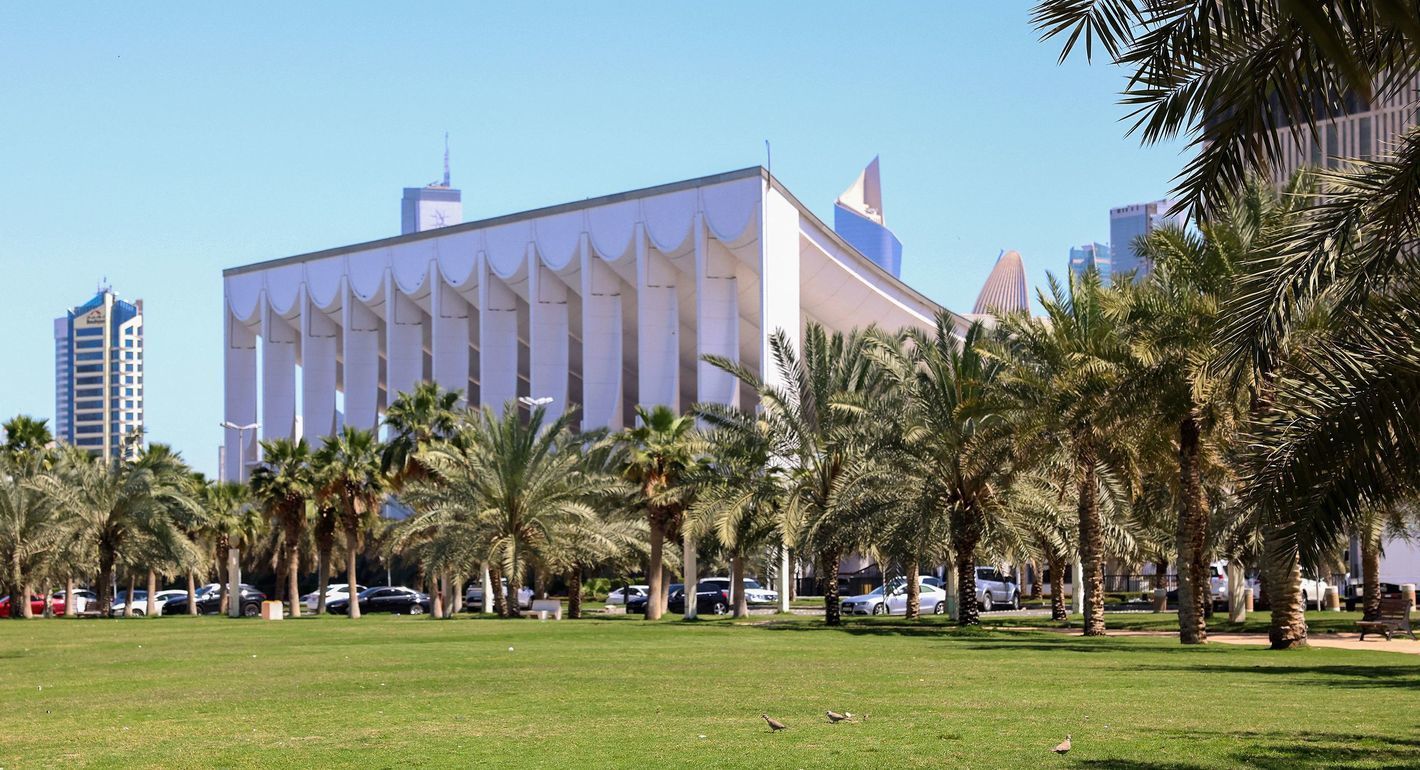
Kuwait’s government has repeatedly launched ambitious reforms under Kuwait Vision 2035, yet bureaucratic inefficiency, siloed institutions, and weak feedback mechanisms continue to stall progress. Adopting government analytics—real-time monitoring and evidence-based decision-making—can transform reform from repetitive announcements into measurable outcomes.
Dalal A. Marafie
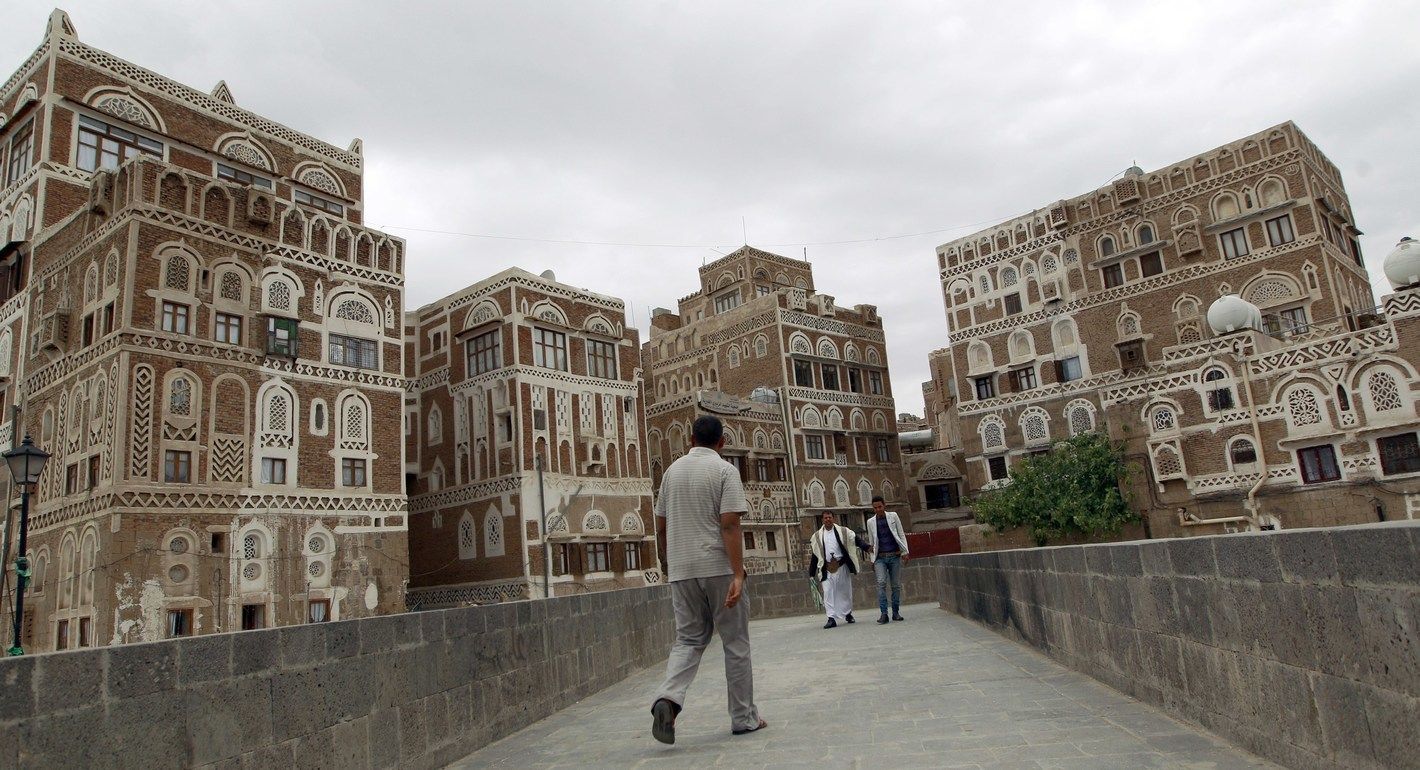
The chaos of street naming in Sana’a reflects the deep weakness of the Yemeni state and its failure to establish a unified urban identity, leaving residents to rely on informal, oral naming systems rooted in collective memory. This urban disorder is not merely a logistical problem but a symbolic struggle between state authority and local community identity.
Sarah Al-Kbat
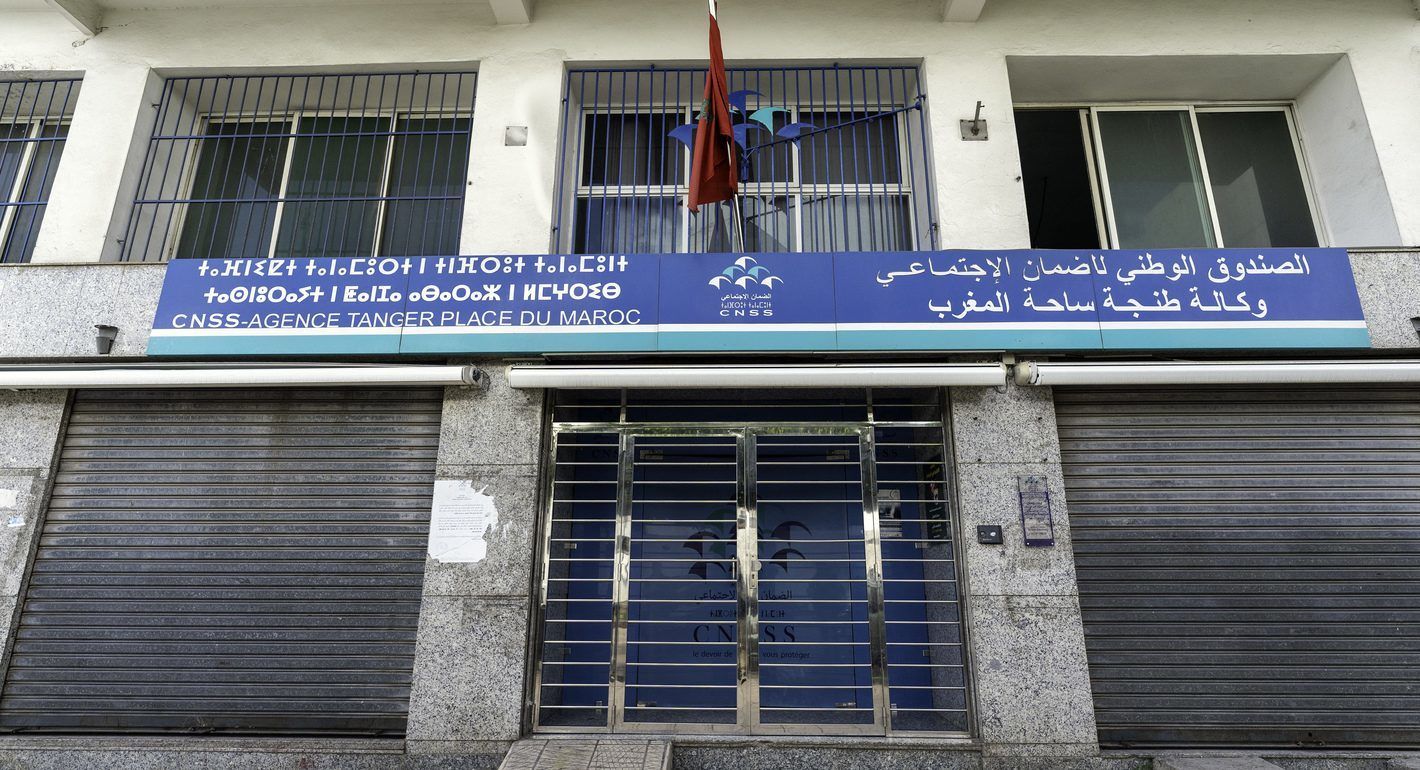
While Morocco’s shift to a digitized social targeting system improves efficiency and coordination in social programs, it also poses risks of exclusion and reinforces austerity policies. The new system uses algorithms based on socioeconomic data to determine eligibility for benefits like cash transfers and health insurance. However, due to technical flaws, digital inequality, and rigid criteria, many vulnerable families are unfairly excluded.
Abderrafie Zaanoun