

Commentary
Syria's transition promised a fresh start. But are old habits of power making a comeback? This analysis looks at the warning signs and what it will take to build a more accountable state.
Sima Beitinjaneh
{
  "authors": [
    "Amal Hashim"
  ],
  "type": "commentary",
  "blog": "Sada",
  "centerAffiliationAll": "",
  "centers": [
    "Carnegie Endowment for International Peace"
  ],
  "collections": [],
  "englishNewsletterAll": "",
  "nonEnglishNewsletterAll": "",
  "primaryCenter": "Carnegie Endowment for International Peace",
  "programAffiliation": "",
  "programs": [],
  "projects": [],
  "regions": [
    "United Arab Emirates"
  ],
  "topics": [
    "Political Reform"
  ]
}

REQUIRED IMAGE
On December 16 the United Arab Emirates will take the first tentative step on the road to political reform. As promised a year ago by Sheikh Khalifa bin Zayed, the country will hold indirect elections for half of the 40 seats in the Federal National Council, the first experience of its kind for the UAE.
On December 16 the United Arab Emirates (UAE) will take the first tentative step on the road to political reform. As promised a year ago by Sheikh Khalifa bin Zayed, the country will hold indirect elections for half of the 40 seats in the Federal National Council (FNC), the first experience of its kind for the UAE. Until now the Council has been appointed, with seats apportioned to the seven emirates, and has played little role in political life because it lacks any real oversight or legislative authority.
With the elections being indirect, only appointed members of an electoral board will have the right to vote. To oversee these appointments and supervise the elections, a Ministry of Federal National Council Affairs was created in February 2006 under the leadership of Anwar Qarqash, a businessman and liberal intellectual with close ties to the ruling elite. The appointed electors include 6689 citizens, 1189 (18 percent) of them women. Observers had expected the electors to be drawn from elite business and intellectual circles, but in fact they include a large number of citizens with little or no education. Regime supporters justify these appointments on the basis that the board should represent all classes within UAE society.
Observers expected initially that candidacy in the elections would be open to all citizens, but it was later announced that only electoral board members were eligible to run. So far 456 members (7 percent of board members) have announced candidacy for the 20 FNC seats, among them 65 women. While the large number of candidates might be considered a sign of enthusiasm for the electoral process, it is also expected to split the relatively small number of voters and impede substantive debate.
The mostly governmental Emirati media have made much of the upcoming elections, following developments in detail. The confinement of candidacy and voting to a narrow slice of UAE society, however, has led to a lack of coverage by regional and international media. The outside media’s lack of interest is also due to the fact that candidates’ platforms generally focus on local issues and service to constituents, for the most partly ignoring internal or external political issues.
The UAE’s strategy for these first elections—justified as a measured approach intended to avoid negative results—is excessively cautious even by standards within the Arabian Peninsula. Bahrain, with its complicated sectarian composition, has just undergone elections in which competition was intense. Qatar, which recent years has seen an overthrow of the ruler and another attempted coup, has held direct elections. Even Saudi Arabia, threatened by terrorism and fundamentalism, had held direct municipal elections. So why is the UAE, blessed with a history of political stability and harmony, so fearful about initiating democratic practices?
Part of the UAE’s caution is attributable to a fear of Islamist movements, whose absence from the appointed electoral board—which included representatives from other political and intellectual trends—was conspicuous. This exaggerated fear is unjustified, however, as the UAE is about the only country in the Peninsula in which such movements do not represent a problem. In comparison with Kuwait, Bahrain, or Saudi Arabia, Emirati religious movements have historically maintained good relations with the ruling authority. Their exclusion from the current electoral experiment may backfire in the end, leading to stronger popular support for such movements and deteriorating relations with the government.
Apart from concern about Islamists, the ultimate explanation for the UAE’s ultra-cautious political experiment is simply that the citizenry will go along with it. So far there are no organized political forces capable of exercising pressure. UAE authorities still can rely on the country’s impressive economic and developmental achievements, a degree of wealth distribution, and unofficial channels of communication between citizens and government officials in order to maintain stability and manage calls for change.
UAE officials describe the current political stage as transitional and have suggested they will hold direct elections for more (though probably not all) members of the FNC in four years. If all goes smoothly they might well deliver, but if for any reason—terrorism in the UAE or the Gulf, or greater tension between the United States and Iran, for example—they decide not to, they are unlikely to face objections from the country’s quiescent citizenry. There are also no serious demands to increase the powers of the FNC, which are extremely modest and expected to remain so for the present.
Amal Hashim is an Egyptian political researcher. This article was translated from Arabic by Ellen Hunt.
Amal Hashim
Carnegie does not take institutional positions on public policy issues; the views represented herein are those of the author(s) and do not necessarily reflect the views of Carnegie, its staff, or its trustees.
Syria's transition promised a fresh start. But are old habits of power making a comeback? This analysis looks at the warning signs and what it will take to build a more accountable state.
Sima Beitinjaneh
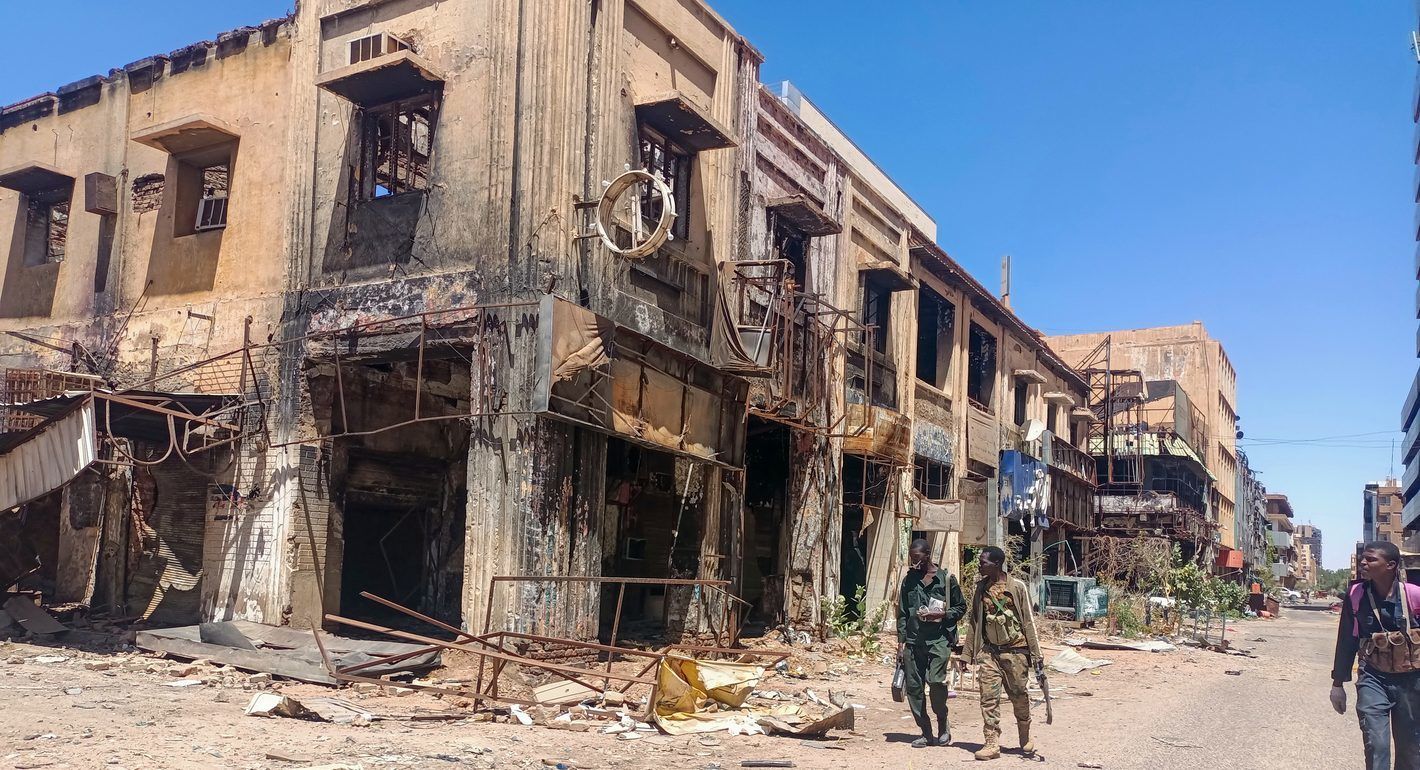
Hate speech has spread across Sudan and become a key factor in worsening the war between the army and the Rapid Support Forces. The article provides expert analysis and historical background to show how hateful rhetoric has fueled violence, justified atrocities, and weakened national unity, while also suggesting ways to counter it through justice, education, and promoting a culture of peace.
Samar Sulaiman
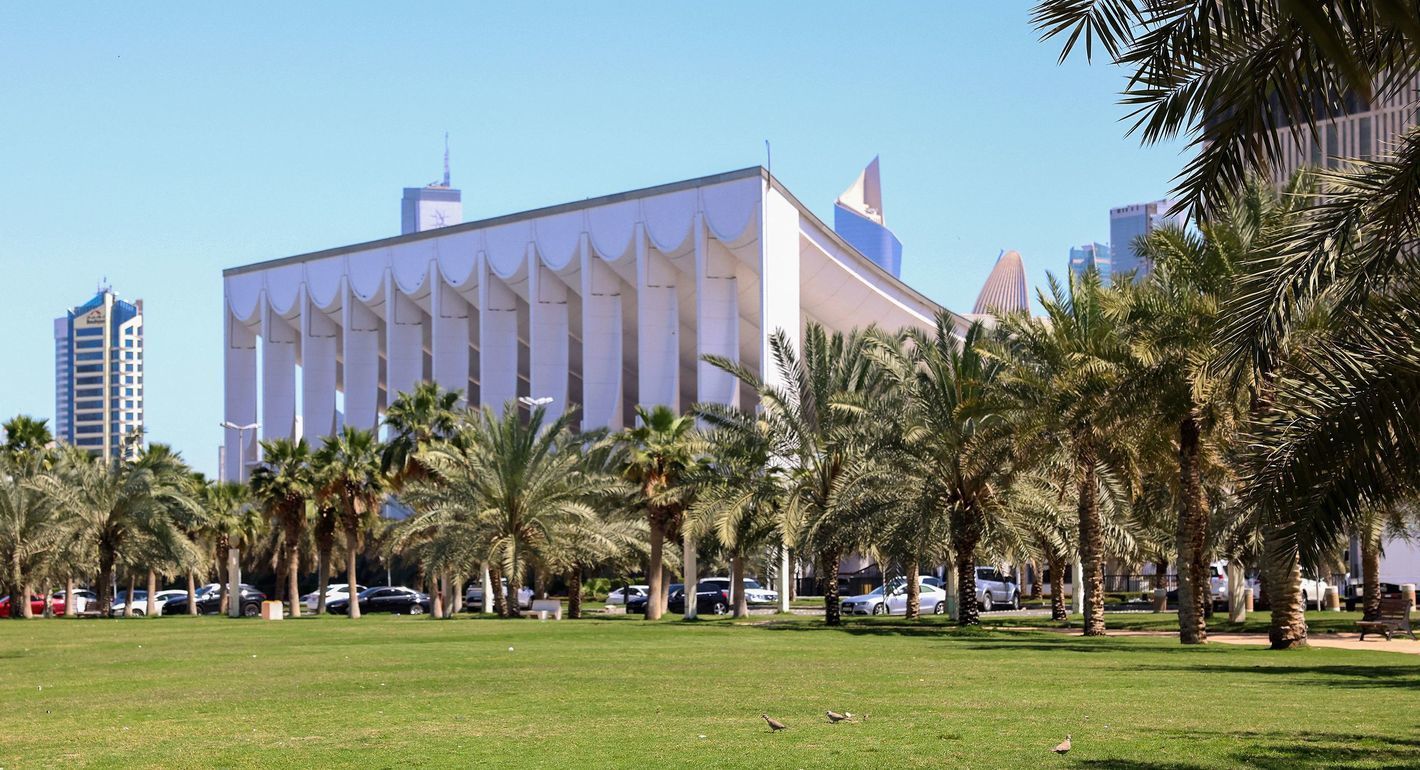
Kuwait’s government has repeatedly launched ambitious reforms under Kuwait Vision 2035, yet bureaucratic inefficiency, siloed institutions, and weak feedback mechanisms continue to stall progress. Adopting government analytics—real-time monitoring and evidence-based decision-making—can transform reform from repetitive announcements into measurable outcomes.
Dalal A. Marafie
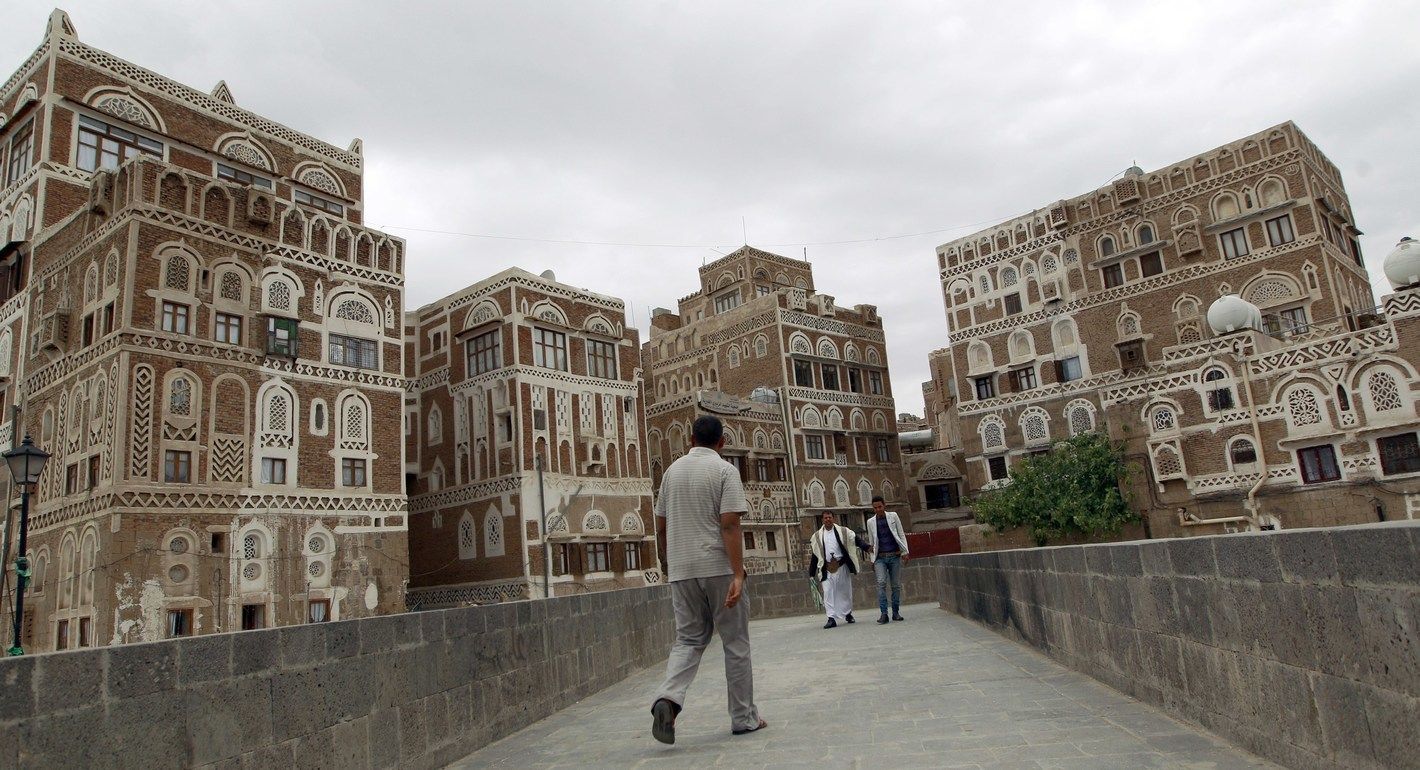
The chaos of street naming in Sana’a reflects the deep weakness of the Yemeni state and its failure to establish a unified urban identity, leaving residents to rely on informal, oral naming systems rooted in collective memory. This urban disorder is not merely a logistical problem but a symbolic struggle between state authority and local community identity.
Sarah Al-Kbat
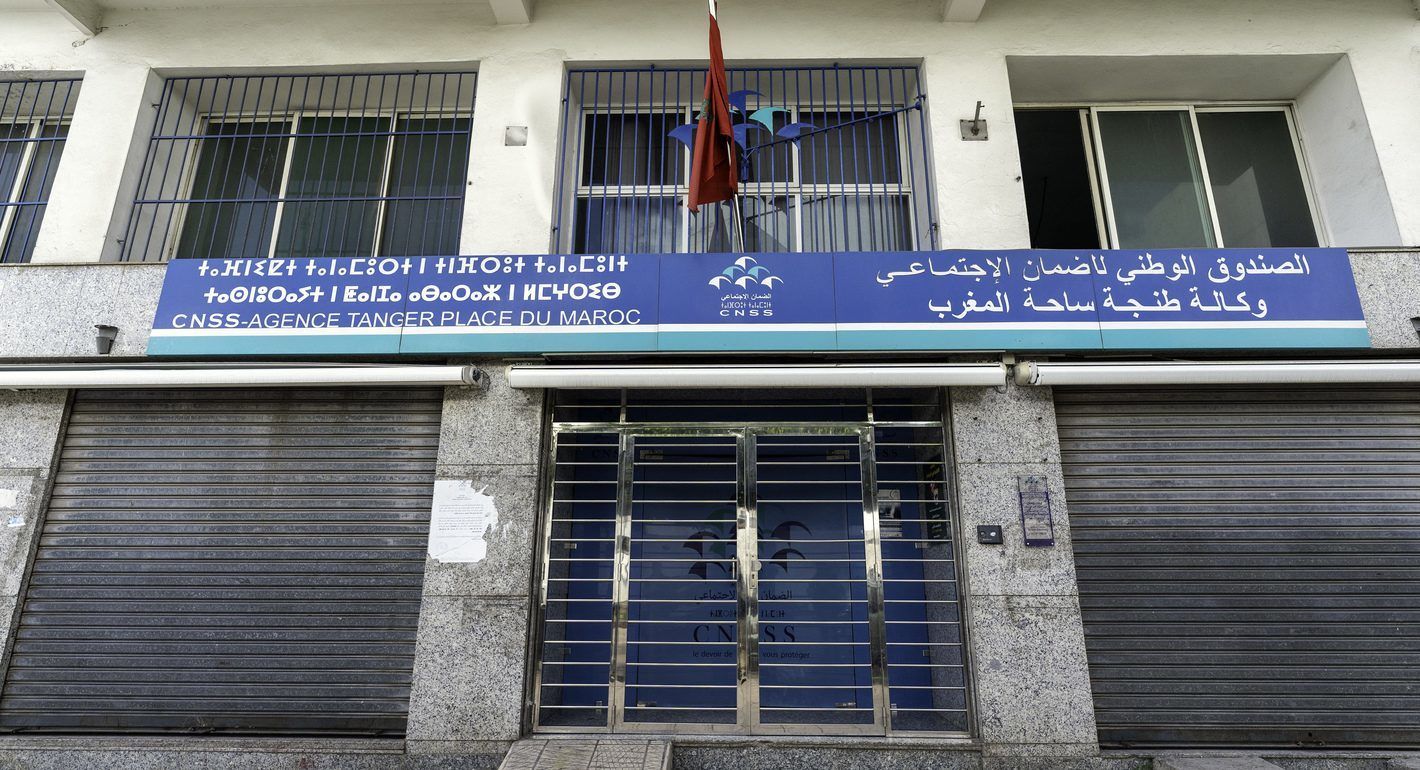
While Morocco’s shift to a digitized social targeting system improves efficiency and coordination in social programs, it also poses risks of exclusion and reinforces austerity policies. The new system uses algorithms based on socioeconomic data to determine eligibility for benefits like cash transfers and health insurance. However, due to technical flaws, digital inequality, and rigid criteria, many vulnerable families are unfairly excluded.
Abderrafie Zaanoun