

Commentary
Syria's transition promised a fresh start. But are old habits of power making a comeback? This analysis looks at the warning signs and what it will take to build a more accountable state.
Sima Beitinjaneh
{
  "authors": [
    "Janine Clark"
  ],
  "type": "commentary",
  "blog": "Sada",
  "centerAffiliationAll": "",
  "centers": [
    "Carnegie Endowment for International Peace"
  ],
  "collections": [],
  "englishNewsletterAll": "",
  "nonEnglishNewsletterAll": "",
  "primaryCenter": "Carnegie Endowment for International Peace",
  "programAffiliation": "",
  "programs": [],
  "projects": [],
  "regions": [
    "Jordan"
  ],
  "topics": [
    "Political Reform"
  ]
}

REQUIRED IMAGE
The role of women in Jordan's Islamic Action Front (IAF) party challenges the stereotype of the Arab world's Islamist parties as inherently "anti-women," but also reveals the party's ambivalence toward women's political participation.
The role of women in Jordan's Islamic Action Front (IAF) party challenges the stereotype of the Arab world's Islamist parties as inherently "anti-women," but also reveals the party's ambivalence toward women's political participation.
Relative to many other parties in Jordan, the IAF boasts a large female membership and a substantial number of women in leadership positions. The IAF has some 300 female members, which, according to the party leadership, constitutes approximately ten percent of the total membership. A women's sector, headed by a committee of ten women, represents women within the party and recruits new female members. To this end, it hosts educational programs on women's rights in Islam and organizes activities on political issues of concern to women. In January 2004, for instance, the sector organized a demonstration against the French law banning headscarves in public schools and in conjunction with other women's groups gathered more than 30,000 signatures for a petition protesting the law. Women also hold six seats on the IAF's 120-member Shura (consultative) Council.
Several factors, however, continue to limit women's participation in the party. One is Jordanian women's general aversion to political parties. Many women join the IAF only because their fathers and husbands recruit them; the women's sector prefers to hold events away from the party headquarters because so few women turn up for activities there. A second factor is the presence of a vocal, hard-line minority that opposes women in leadership positions and advocates gender segregation within the party.
A third factor is the party's ambivalent policy positions on women. The IAF platform endorses women's rights to participate in public life, including the right to vote. IAF founding Secretary-General Ishaq Al Farhan argued in his inaugural speech that women should participate in the Shura Council. The IAF encourages women to vote in national elections, and large numbers of Islamist women headed to the polls for the 1989, 1993, and 2003 contests. Notably, however, no women serve in the party's highest policy-making body, the 14-member Executive Bureau. And while the IAF has never formally forbidden women to run for office, in practice it actively has discouraged them from doing so.
Last year, however, the IAF leadership broke with tradition by nominating Hayat Musimi, a Shura Council member since 1994, as one of its 30 candidates in the June 2003 parliamentary elections. The decision was not the result of a policy shift in favor of women candidates. In fact, the Executive Bureau took a strong stance against Jordan's new electoral quota system for women, arguing that quotas violate the principle of equality articulated by Islam and by the Jordanian constitution. (The quota, enacted in advance of the 2003 elections, reserves six out of 110 parliamentary seats for the top vote-getters among female candidates). Rather, the IAF nominated Musimi for purely strategic reasons, over the objections of party members who declared her candidacy haram (prohibited by Islam). Because Jordan's electoral system is biased toward candidates from tribal and rural districts—the backbone of the Hashemite monarchy—at the expense of urban constituencies, where the IAF draws its support, the party needs to be extremely shrewd about selecting its candidates. Due to its boycott of the 1997 elections to protest the electoral law, the IAF felt special pressure for a strong showing. Musimi's strong grassroots support in the city of Zarqa, an IAF stronghold, made her a good bet to win a seat. As it happened, Musimi did not win outright, but she did earn the highest number of votes of the 54 female candidates nationwide, and joined parliament as one of 17 IAF members elected. Her candidacy enjoyed strong support among IAF women, who viewed the quota as a necessary short-term mechanism for women to attain effective parliamentary representation.
While Musimi's candidacy was a landmark for IAF women, it does not ensure an expanded role for women in the party in the future. So long as ideological contention over women's roles continues to exist within the IAF, the party's leaders will avoid creating a firm policy that could provoke further divisions among the rank-and-file. Instead, the leadership will continue to balance ideology with pragmatism, evaluating women's participation on a case-by-case basis and advancing women when strategically useful.
Janine Clark is an associate professor at the University of Guelph in Canada and author of Islam, Charity and Activism: Middle-Class Networks and Social Welfare in Egypt, Jordan and Yemen (Bloomington, IN: Indiana University Press, 2004).
Janine Clark
Carnegie does not take institutional positions on public policy issues; the views represented herein are those of the author(s) and do not necessarily reflect the views of Carnegie, its staff, or its trustees.
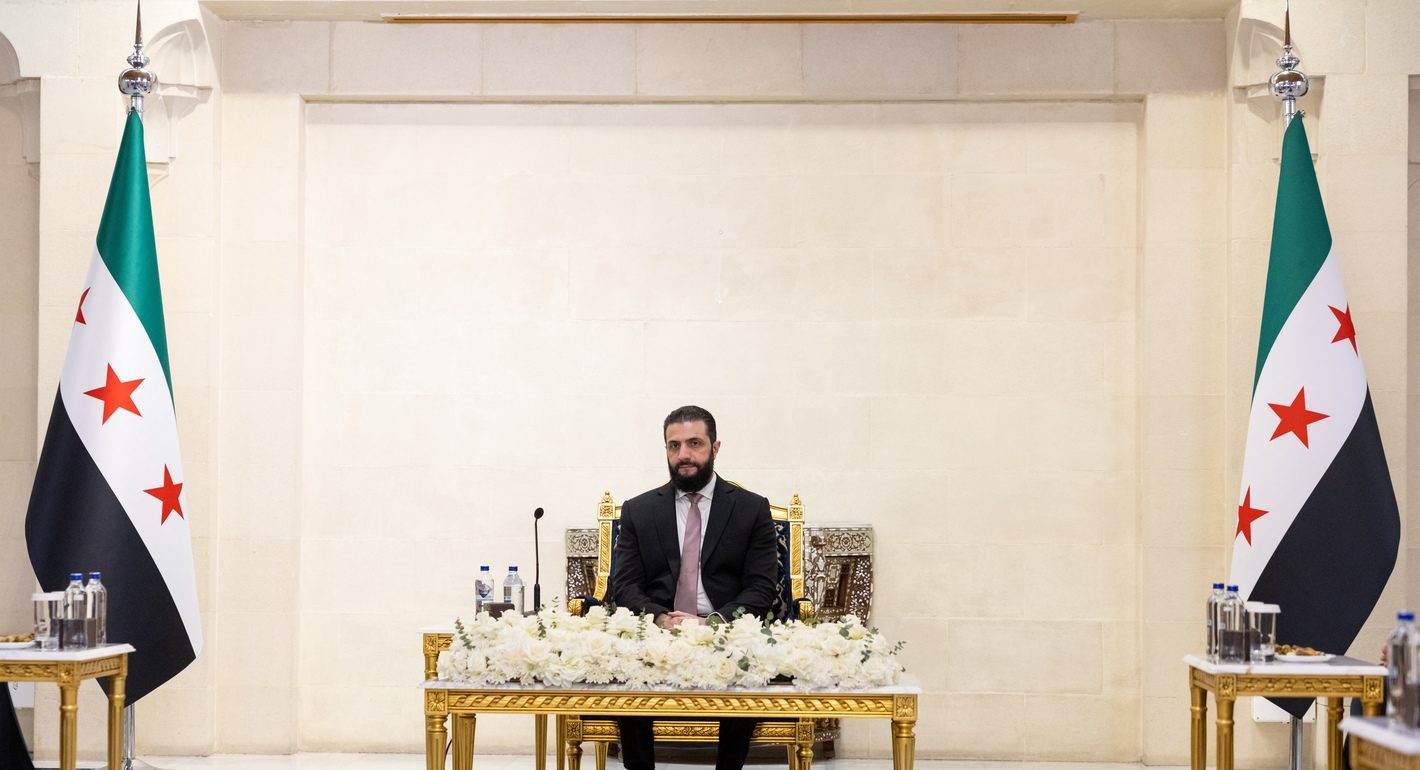
Syria's transition promised a fresh start. But are old habits of power making a comeback? This analysis looks at the warning signs and what it will take to build a more accountable state.
Sima Beitinjaneh
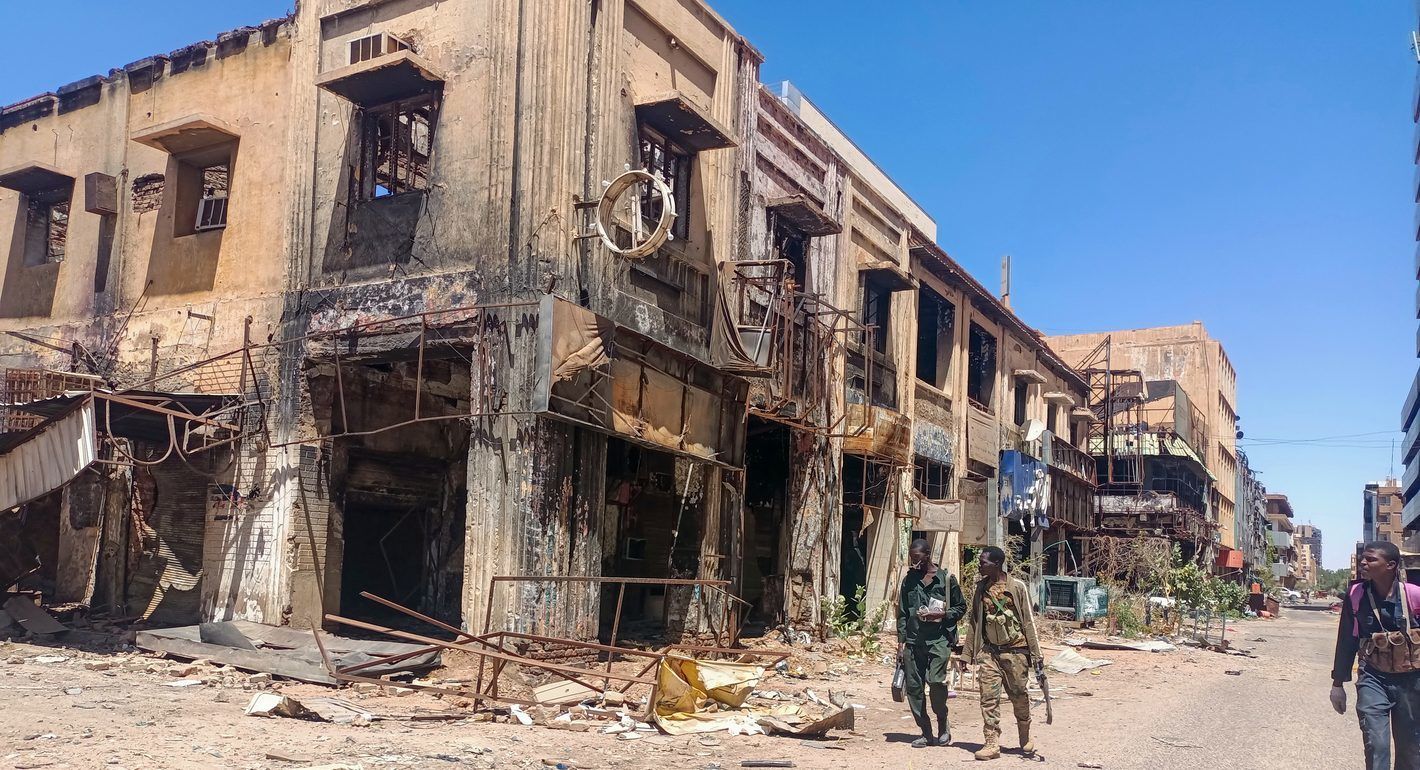
Hate speech has spread across Sudan and become a key factor in worsening the war between the army and the Rapid Support Forces. The article provides expert analysis and historical background to show how hateful rhetoric has fueled violence, justified atrocities, and weakened national unity, while also suggesting ways to counter it through justice, education, and promoting a culture of peace.
Samar Sulaiman
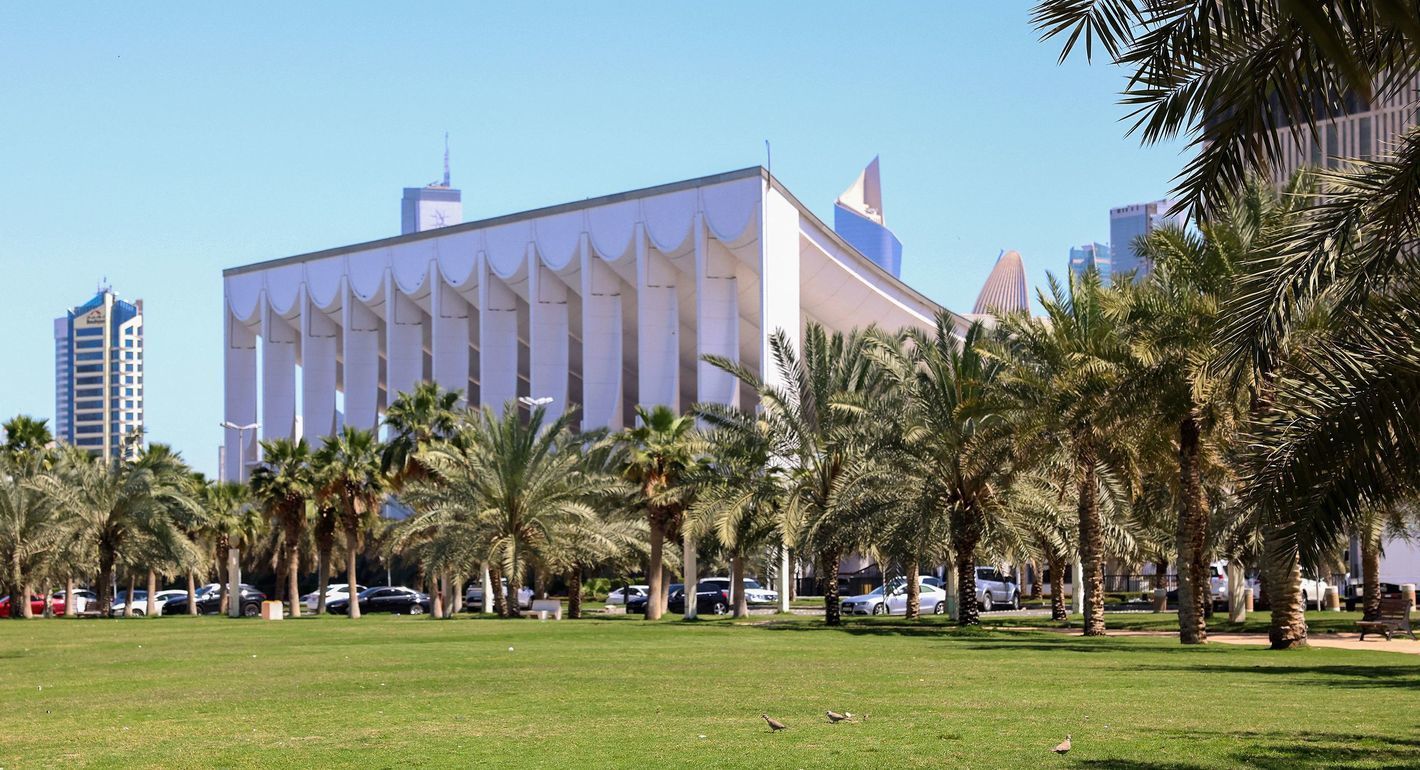
Kuwait’s government has repeatedly launched ambitious reforms under Kuwait Vision 2035, yet bureaucratic inefficiency, siloed institutions, and weak feedback mechanisms continue to stall progress. Adopting government analytics—real-time monitoring and evidence-based decision-making—can transform reform from repetitive announcements into measurable outcomes.
Dalal A. Marafie
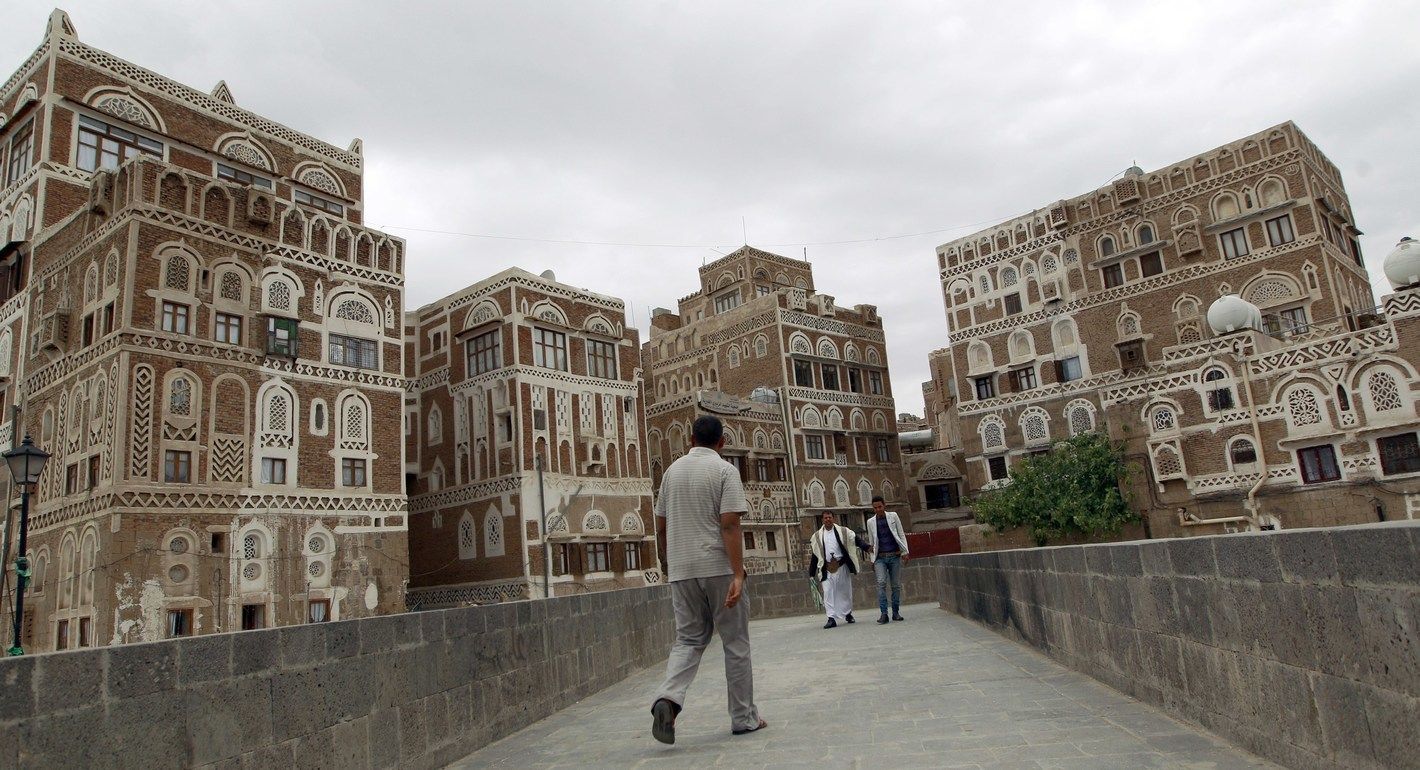
The chaos of street naming in Sana’a reflects the deep weakness of the Yemeni state and its failure to establish a unified urban identity, leaving residents to rely on informal, oral naming systems rooted in collective memory. This urban disorder is not merely a logistical problem but a symbolic struggle between state authority and local community identity.
Sarah Al-Kbat
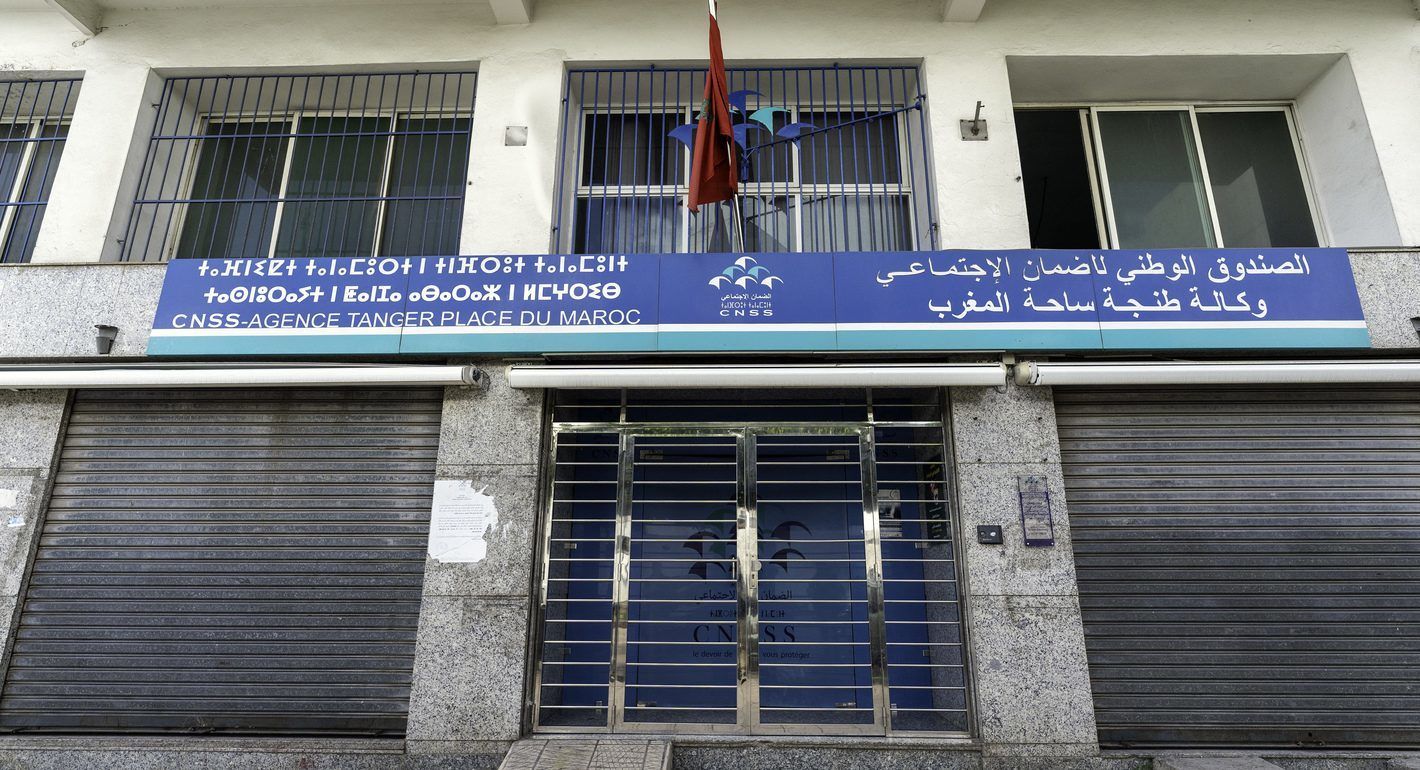
While Morocco’s shift to a digitized social targeting system improves efficiency and coordination in social programs, it also poses risks of exclusion and reinforces austerity policies. The new system uses algorithms based on socioeconomic data to determine eligibility for benefits like cash transfers and health insurance. However, due to technical flaws, digital inequality, and rigid criteria, many vulnerable families are unfairly excluded.
Abderrafie Zaanoun