

Commentary
Syria's transition promised a fresh start. But are old habits of power making a comeback? This analysis looks at the warning signs and what it will take to build a more accountable state.
Sima Beitinjaneh
{
  "authors": [
    "Ebtisam Al Kitbi"
  ],
  "type": "commentary",
  "blog": "Sada",
  "centerAffiliationAll": "",
  "centers": [
    "Carnegie Endowment for International Peace"
  ],
  "collections": [],
  "englishNewsletterAll": "",
  "nonEnglishNewsletterAll": "",
  "primaryCenter": "Carnegie Endowment for International Peace",
  "programAffiliation": "",
  "programs": [],
  "projects": [],
  "regions": [
    "Bahrain",
    "Kuwait",
    "Qatar",
    "Saudi Arabia",
    "United Arab Emirates",
    "Yemen"
  ],
  "topics": [
    "Political Reform"
  ]
}

REQUIRED IMAGE
A survey of women's political status in the Gulf Cooperation Council (GCC) states shows that in some countries women have recently made considerable progress toward formal equality of political rights, but in others they have not. The governing elite in the GCC countries generally supports women's political rights, but strong social sentiment against women's participation in politics persists.
A survey of women's political status in the Gulf Cooperation Council (GCC) states shows that in some countries women have recently made considerable progress toward formal equality of political rights, but in others they have not. The governing elite in the GCC countries generally supports women's political rights, but strong social sentiment against women's participation in politics persists, as does economic and social discrimination.
Oman
In 1994, Oman became the first GCC state to grant women voting rights, although these rights were extended only to a small number of citizens selected by Sultan Qaboos. Women first ran for national office in the 2000 elections for the Consultative Council, the elected chamber of Oman's bicameral representative body, the majlis; two women won. In 2003, Oman established universal suffrage. In the elections held in October of that year, the two women already serving in the majlis were reelected.
The number of women in appointed positions increased in 2003. Seven women now serve in the State Council, the appointed chamber of the majlis. Two women are ministers, one serves as an ambassador, and four are undersecretaries.
Qatar
A 1998 decree establishing the Central Municipal Council, a national advisory council dealing with municipal affairs, gave male and female Qataris the right to vote and to stand for election for the council. Six of the 248 candidates in the first council elections, held in 1999, were women, but none won. One woman won a seat in the April 2003 council elections, marking the first time a woman was elected by universal suffrage in a GCC country.
Qatar's Emir, Sheikh Hamad bin Khalifa Al Thani, last year appointed women to the positions of minister of education, public prosecutor, director of the University of Qatar, and deputy director and dean of the faculty of Islamic Law and Islamic Studies. These appointments did not result from social pressure but rather from the will of the Qatari leadership—and the special commitment of the First Lady, Sheikha Moza Al Misned—to increase the number of women in leadership roles.
Qatar's permanent constitution, approved in an April 2003 referendum, gives women the right to vote and stand for parliamentary elections. The country's first parliamentary elections are to be held by June 2005.
Bahrain
Bahraini women first held national office in 2000, when King Hamad bin Isa Al Khalifa appointed four women to the 40-member Consultative Council. A year later, a royal decree enfranchised women in municipal council elections. In the May 2002 elections, 31 women stood along with 275 men, but women did not win a single seat. The February 2002 constitution gives women right to vote and to stand for election for parliament. In the October 2002 parliamentary elections, eight female candidates competed in a field of 190. None was elected, although two women advanced to the second round of voting. King Hamad later appointed six women to the Consultative Council, the upper house of parliament.
Kuwait
While Kuwaiti women enjoy more social liberties than their counterparts in other GCC states and Kuwait's constitution guarantees gender equality, according to the 1962 electoral law only male citizens age 21 and older have the right to vote and to stand for election.
A 1999 attempt by Emir Jaber Al Sabah to amend the election law by decree was struck down by the parliament, as was a subsequent draft law. In October 2003, the cabinet approved a plan to give women in Kuwait City the right to vote and stand for municipal elections, and in May 2004, the government introduced a bill to give women the same rights for parliamentary elections. Parliament remains divided on the issue of women's suffrage, however, and has taken no action on either bill.
United Arab Emirates (UAE)
The constitution recognizes equal rights for men and women. But since the UAE has no elected institutions, women are entirely dependent on decision-makers' willingness to appoint them to governmental positions.
No women currently hold ministerial positions in the federal government, although some female deputy and assistant ministers were appointed in the past three years. A few women also serve in the diplomatic corps.
Saudi Arabia
Saudi women remain the least fortunate of the GCC countries in terms of political rights (as well as in terms of economic and social rights). Only one woman, an assistant undersecretary for education appointed in 2000, occupies public office. A Saudi woman was also chosen by the United Nations Secretary-General as the executive director of its Population Fund.
In 2003, Saudi women became more politically active. Ten women participated with 50 men in a meeting of intellectuals that was part of Crown Prince Abdullah's Saudi National Dialogue program. Fifty-five women were among the 306 signatories of a reform petition presented to the Crown Prince, and 300 women signed a subsequent petition asking for the recognition of Saudi women as full citizens enjoying equal rights.
The prospects for women's political emancipation in the GCC countries remain slim. Social customs make it particularly difficult for women to be elected. Thus, quotas and appointments seem the best way, provisionally, to overcome social impediments to women's active political roles.
Ebtisam Al Kitbi is assistant professor of political science at the United Arab Emirates University, and director of the Dubai-based Gulf Research Center's program on women.
Ebtisam Al Kitbi
Carnegie does not take institutional positions on public policy issues; the views represented herein are those of the author(s) and do not necessarily reflect the views of Carnegie, its staff, or its trustees.
Syria's transition promised a fresh start. But are old habits of power making a comeback? This analysis looks at the warning signs and what it will take to build a more accountable state.
Sima Beitinjaneh
How can Saudi Arabia turn its booming e-commerce sector into a real engine of economic empowerment for women amid persistent gaps in capital access, digital training, and workplace inclusion? This piece explores the policy fixes, from data-center integration to gender-responsive regulation, that could unlock women’s full potential in the kingdom’s digital economy.
Hannan Hussain
Hate speech has spread across Sudan and become a key factor in worsening the war between the army and the Rapid Support Forces. The article provides expert analysis and historical background to show how hateful rhetoric has fueled violence, justified atrocities, and weakened national unity, while also suggesting ways to counter it through justice, education, and promoting a culture of peace.
Samar Sulaiman
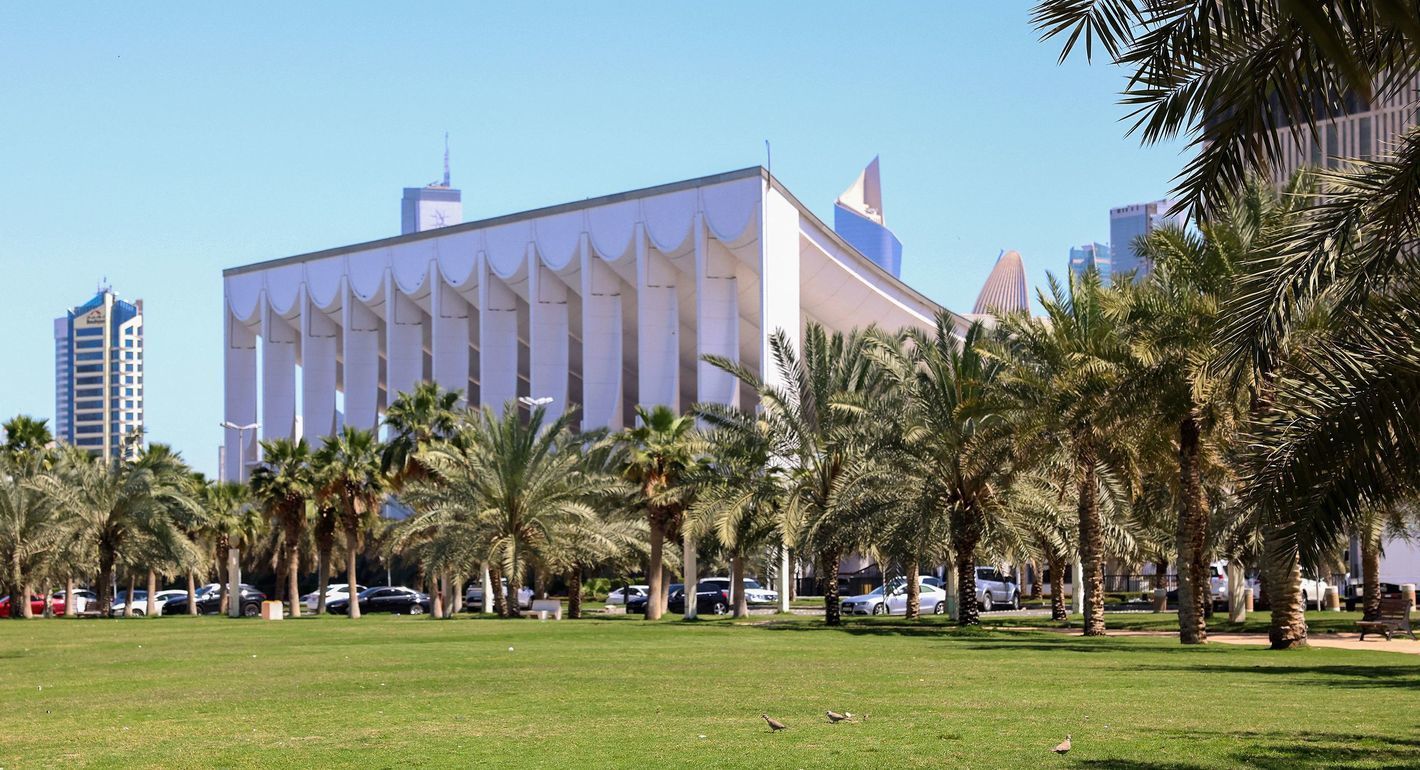
Kuwait’s government has repeatedly launched ambitious reforms under Kuwait Vision 2035, yet bureaucratic inefficiency, siloed institutions, and weak feedback mechanisms continue to stall progress. Adopting government analytics—real-time monitoring and evidence-based decision-making—can transform reform from repetitive announcements into measurable outcomes.
Dalal A. Marafie
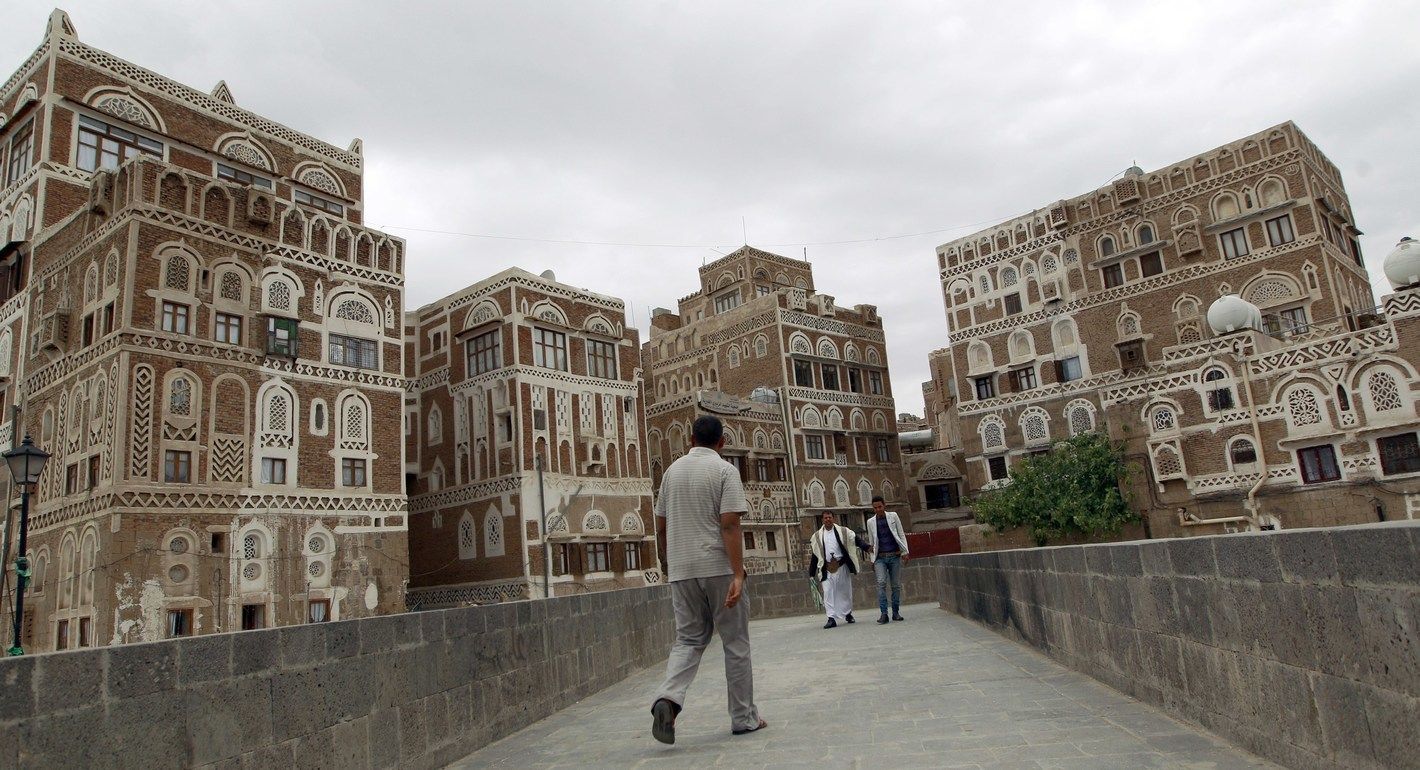
The chaos of street naming in Sana’a reflects the deep weakness of the Yemeni state and its failure to establish a unified urban identity, leaving residents to rely on informal, oral naming systems rooted in collective memory. This urban disorder is not merely a logistical problem but a symbolic struggle between state authority and local community identity.
Sarah Al-Kbat