

Commentary
Syria's transition promised a fresh start. But are old habits of power making a comeback? This analysis looks at the warning signs and what it will take to build a more accountable state.
Sima Beitinjaneh
{
  "authors": [
    "Andrew Barwig"
  ],
  "type": "commentary",
  "blog": "Sada",
  "centerAffiliationAll": "",
  "centers": [
    "Carnegie Endowment for International Peace"
  ],
  "collections": [],
  "englishNewsletterAll": "",
  "nonEnglishNewsletterAll": "",
  "primaryCenter": "Carnegie Endowment for International Peace",
  "programAffiliation": "",
  "programs": [],
  "projects": [],
  "regions": [
    "Jordan"
  ],
  "topics": [
    "Political Reform"
  ]
}

Source: Getty
The al-Ikha bloc in Jordan's parliament is attracting attention as a source of new blood in the country's anemic political life.
Since 1993, Jordan’s parliament has featured an assortment of blocs in lieu of formal political parties. Pro-government members of parliament (MPs) have typically coalesced around two or three parliamentary blocs in the 110-member lower house. In the aftermath of the 2007 elections, for example, more than 50 centrist MPs flocked to the National Trend headed by Abdul Hadi al-Majali, a longtime powerbroker and current Speaker of Parliament. But the National Brotherhood, or al-Ikha, has also emerged as an influential bloc, despite being comprised of only 20 newly elected members.
Jordanian opinions are decidedly mixed on al-Ikha’s significance. Some believe the young businessmen who were the bloc’s original members have provided an infusion of new blood into the parliament. Others point to the inexperience of these nouveaux riches and criticize the bloc’s political opportunism in forging a previous alliance with the dominant Trend bloc. Does al-Ikha represent a vanguard for reform or the continuation of politics as usual in Jordan?
Up and Comers
While MPs in Jordan’s individualistic parliament have never fitted neatly into political and ideological boxes, several distinct profiles emerge from interviews with more than a dozen al-Ikha members. The first is personified by a handful of MPs who were primarily elected from Amman’s affluent urban districts. They largely owe their election to family pedigrees and wealth won during Jordan’s recent boom in real estate and construction. Many of these so-called “new capitalists” spent lavishly during their campaigns and made extensive promises to people in need. Their electoral results were suspect in the face of allegations that massive vote buying and vote transfers had boosted their final tallies. Because they had limited knowledge of public policy and an unformed political ideology, these MPs have tended to fall back on populist causes while backing the government’s legislative priorities. The distinguishing feature of these up and comers is the combination of personal ambition with strong backing from various state apparatuses.
One and Done
Al-Ikha also includes some relatively older MPs who represent more of the traditional elite from Amman and other parts of the country. Their campaigns were also built on patronage but they came to parliament with a stronger desire to influence public policy, particularly on domestic welfare issues. As a result of their knowledge and connections, many secured coveted committee assignments or ascended to chairmanships during the second ordinary session. On the other hand, these members are burdened by systemic constraints and have become disillusioned with the excessive demands of providing services for their constituents. For these reasons, these MPs appear likely to retire after serving out the remainder of their term.
The remaining few al-Ikha members share some of the characteristics of their “up and comer” and “one and done” colleagues. They have some political clout and practical experience, which they have put to good use in their parliamentary duties. As a result, this select group has achieved genuine insider status within the Speaker’s leadership circle and has emerged as “go-to-guys” on important legislative issues. These deputies are likely to seek reelection after consulting with their core constituencies of family, tribe, or local association.
Members of al-Ikha may have become influential players in Jordan’s current parliamentary session but there are some doubts about the bloc’s long-term sustainability. The major source of al-Ikha’s strength appears to come from the political marriage between the up and comers and the insiders. The bridge that spans these two groups is the rank-and-file members, most of whom fit the “one and done” profile. Since many of these MPs are leaving after the current term, the bloc’s remaining members will lose much of their political cover and face greater pressure to tow the government’s line. In addition to replenishing its membership with newly elected deputies, the bloc must also redefine itself by attracting other reform-minded incumbents. These are formidable challenges considering Jordan’s one man, one vote electoral system, which effectively renders parliament an arena for doing politics rather than producing policies. The monarchy is unlikely to seek any fundamental changes to the electoral law that it initiated in 1993 and has perpetuated ever since.
Al-Ikha has a membership that is fairly diverse, relatively young, highly educated and upwardly mobile—all characteristics of an effective group of reformers—and the bloc also exhibits a number of internal democratic procedures worthy of emulation. It is doubtful, however, that al-Ikha will achieve more influence within parliament and a bigger following among the general public. While Jordanian elections do periodically inject new blood into parliament, they also serve to reinforce clientelist structures and to recycle members of the elite. Al-Ikha’s influence most likely will wane after the next parliamentary elections in 2011, when it loses a significant number of its members and a new group of pro-regime deputies is empowered.
Andrew Barwig is a Ph.D. candidate at the University of Denver who conducted field research in Jordan in 2009. He can be contacted at abarwig@du.edu.
Andrew Barwig
Carnegie does not take institutional positions on public policy issues; the views represented herein are those of the author(s) and do not necessarily reflect the views of Carnegie, its staff, or its trustees.
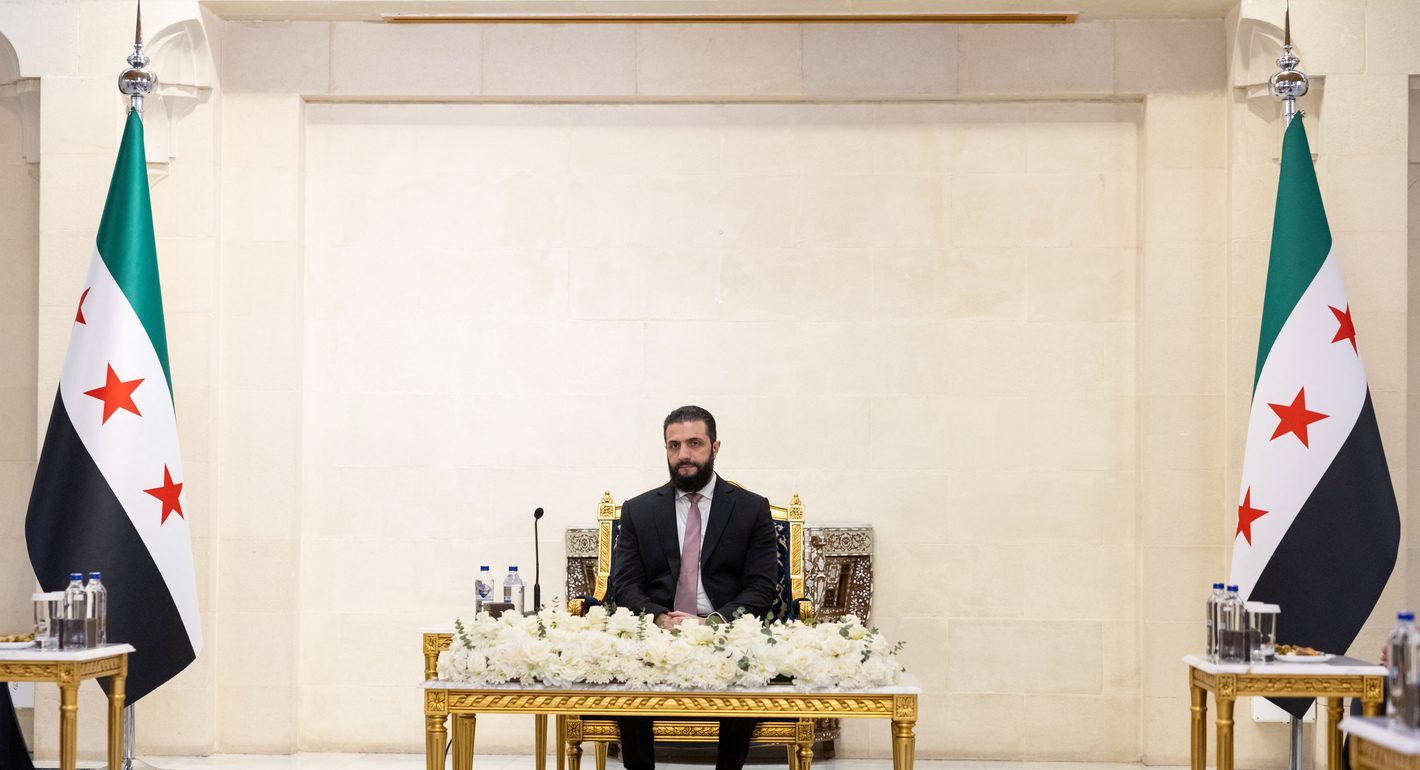
Syria's transition promised a fresh start. But are old habits of power making a comeback? This analysis looks at the warning signs and what it will take to build a more accountable state.
Sima Beitinjaneh
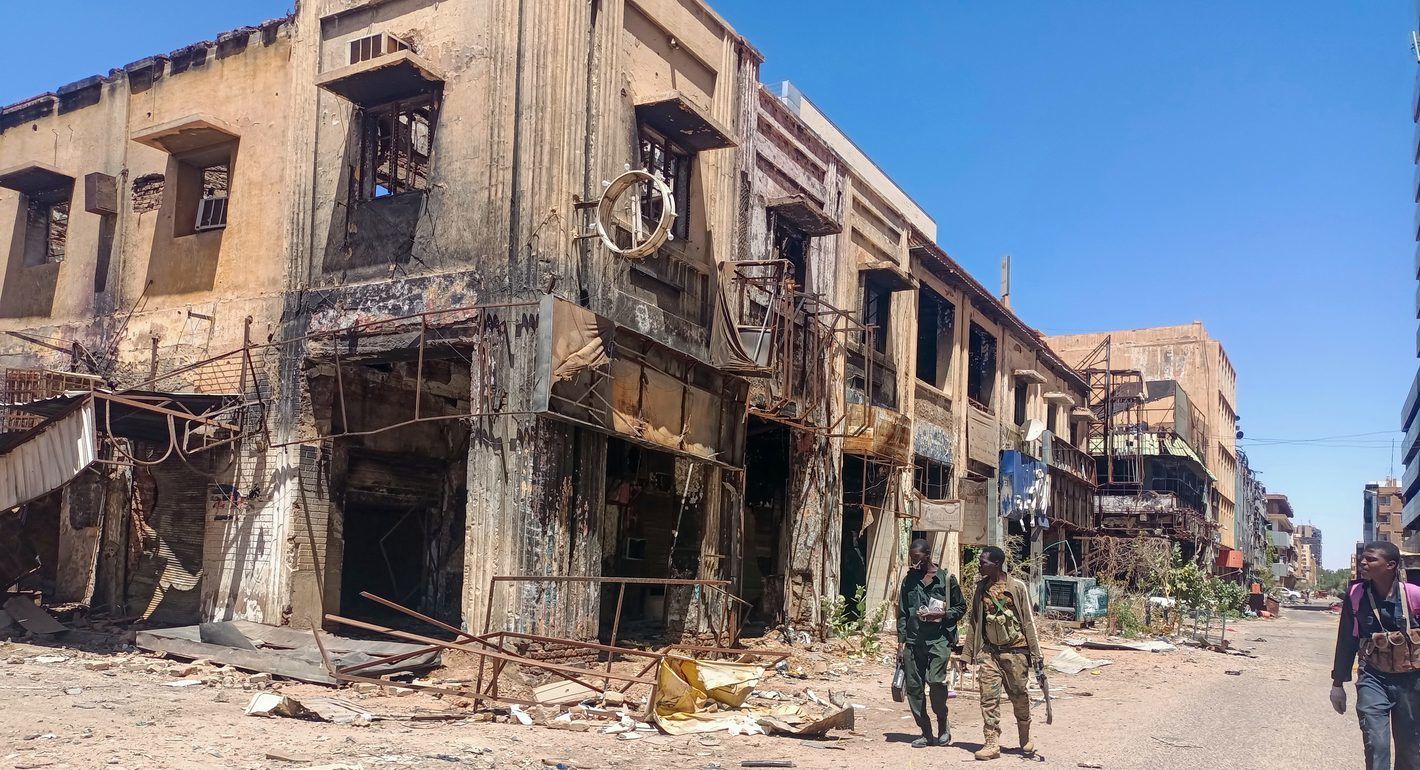
Hate speech has spread across Sudan and become a key factor in worsening the war between the army and the Rapid Support Forces. The article provides expert analysis and historical background to show how hateful rhetoric has fueled violence, justified atrocities, and weakened national unity, while also suggesting ways to counter it through justice, education, and promoting a culture of peace.
Samar Sulaiman
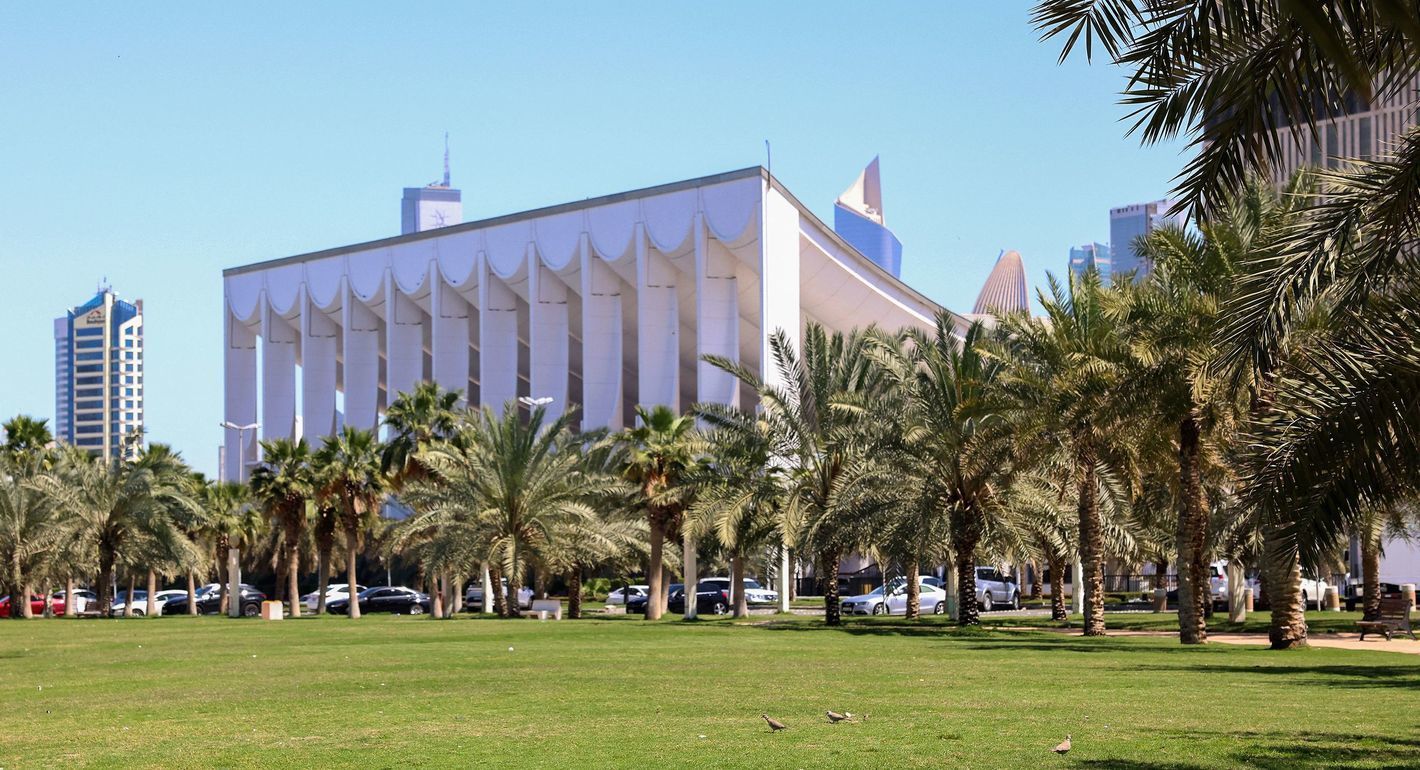
Kuwait’s government has repeatedly launched ambitious reforms under Kuwait Vision 2035, yet bureaucratic inefficiency, siloed institutions, and weak feedback mechanisms continue to stall progress. Adopting government analytics—real-time monitoring and evidence-based decision-making—can transform reform from repetitive announcements into measurable outcomes.
Dalal A. Marafie
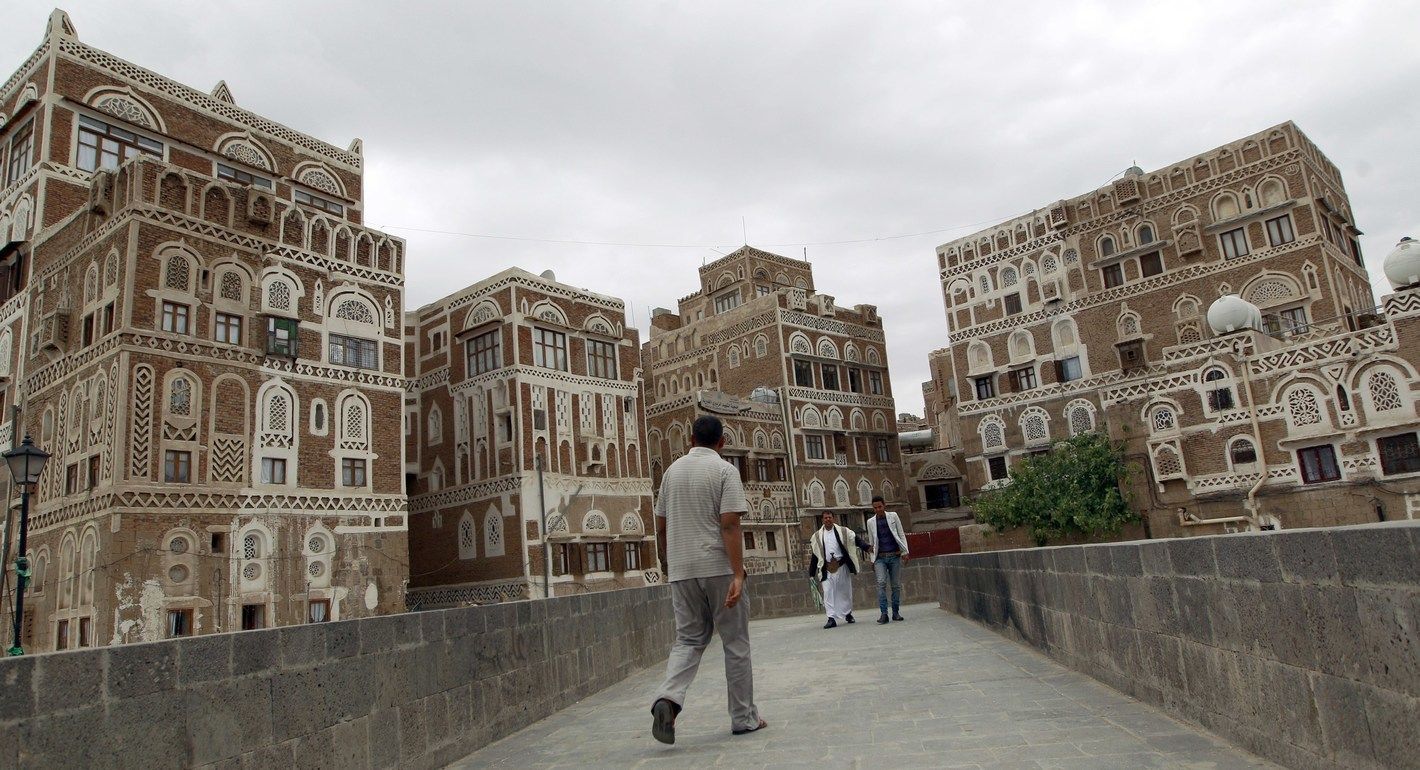
The chaos of street naming in Sana’a reflects the deep weakness of the Yemeni state and its failure to establish a unified urban identity, leaving residents to rely on informal, oral naming systems rooted in collective memory. This urban disorder is not merely a logistical problem but a symbolic struggle between state authority and local community identity.
Sarah Al-Kbat
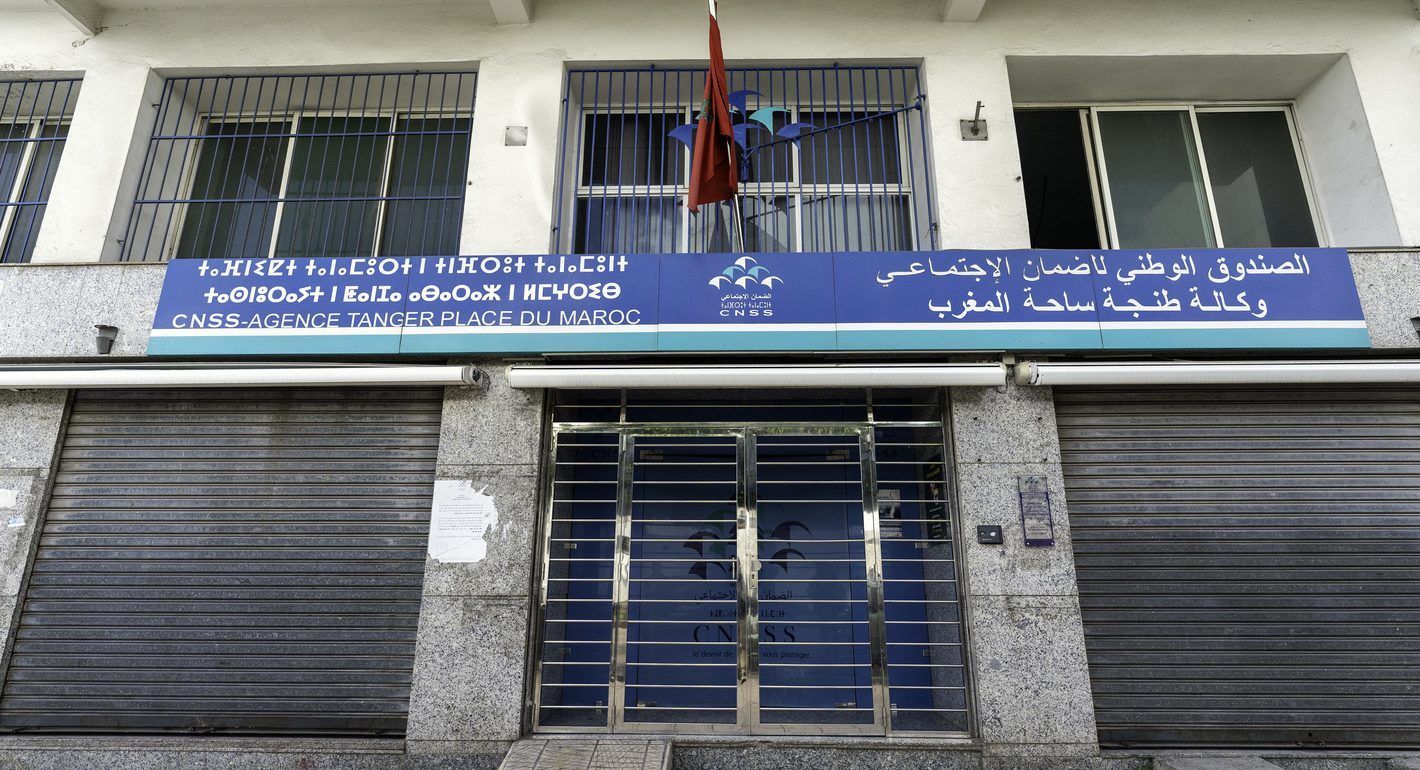
While Morocco’s shift to a digitized social targeting system improves efficiency and coordination in social programs, it also poses risks of exclusion and reinforces austerity policies. The new system uses algorithms based on socioeconomic data to determine eligibility for benefits like cash transfers and health insurance. However, due to technical flaws, digital inequality, and rigid criteria, many vulnerable families are unfairly excluded.
Abderrafie Zaanoun