

Commentary
From anime heroes to online gaming communities, Morocco’s Gen Z is building a new protest culture. What does this digital imagination reveal about youth politics, and how should institutions respond?
Abdelilah Farah
{
  "authors": [
    "Sam Parker"
  ],
  "type": "commentary",
  "blog": "Sada",
  "centerAffiliationAll": "",
  "centers": [
    "Carnegie Endowment for International Peace"
  ],
  "collections": [],
  "englishNewsletterAll": "",
  "nonEnglishNewsletterAll": "",
  "primaryCenter": "Carnegie Endowment for International Peace",
  "programAffiliation": "",
  "programs": [],
  "projects": [],
  "regions": [
    "Iraq",
    "Middle East"
  ],
  "topics": [
    "Political Reform"
  ]
}
Source: Getty
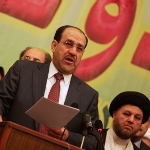
The new Iraqi electoral law reveals much about ongoing debates and power struggles in the country, particularly between Arabs and Kurds.
In the second parliamentary elections of Iraq’s new constitutional order, slated for January 2010, the stakes are high. Will a transfer of power occur peacefully? Will the Iraqi army be loyal to the new government? Will a lame duck government, the political flux of governing coalition formation, and the planned U.S. drawdown of over half its troops by August 2010 result in instability?
The Iraqi parliament cleared a major hurdle on November 8 by passing the legislation necessary to hold the elections. Prolonged wrangling had resulted in a delay of over three weeks beyond the initial deadline. The primary obstacle had been how to deal with the oil-rich province of Kirkuk and, more broadly, the dispute between the central government in Baghdad and the largely autonomous Kurdistan Regional Government (KRG). The KRG seeks to legally annex Kirkuk and in 2005 succeeded in inserting an article in the Iraqi constitution stipulating a popular referendum on the status of the province. This referendum has been put on indefinite hold in favor of a UN-led diplomatic process designed to reach a negotiated settlement to the territory issue between the KRG and the central government.
Since 2005 large numbers of Kurds have migrated to Kirkuk, which has tipped the province’s demographic balance in their favor. Iraqi nationalist politicians in Baghdad and their allies among Kirkuk’s Arab and Turkoman populations allege that the Kurdish parties have tampered with the voter rolls. They also resent Kurdish leaders’ encouragement of this migration and see it as an attempt to bias the resolution of Kirkuk’s status, whether that occurs by referendum or negotiation. Kurdish leaders claim that much of this migration constitutes the restoration of Kirkuk’s historically Kurdish population, which had been “Arabized” as part of Saddam’s effort to secure the strategically critical province. The Kurds’ opponents grant that some return of Kurdish Kirkukis is natural and do not object to it. They believe that much of this legitimate return occurred in the immediate post-invasion period of 2003-2004, however, and that post-2005 migration has an explicitly political purpose.
The Kirkuk issue and the question of Kurdish migration also hindered passage of the provincial elections law. In July 2008, parliament passed a law over Kurdish opposition (and vetoed by Iraqi president Jalal Talabani) that contained a special temporary power sharing mechanism for Kirkuk so as not to reward the Kurds for this policy. After Iraqis eventually agreed to postpone provincial elections in Kirkuk indefinitely, parliament established the so-called Article 23 committee to investigate the validity of the Kirkuk voter rolls and the legality of Kurdish migration, but the effort went nowhere.
In the debate about the national elections, anti-Kurd parliamentarians proposed a number of different mechanisms specifically for Kirkuk. Early proposals involved the creation of special electoral districts designed to ensure a minimum level of representation for Kirkuk’s non-Kurdish ethnic groups. Later alternatives involved using 2004 voter rolls in Kirkuk, with some options also allowing voters on the 2009 rolls but not on the 2004 rolls to vote in a more provisional way. All along the Kurds rejected all efforts to treat Kirkuk differently from any other province. None of these provisions ever received an up-or-down vote, as Iraqi leaders claimed to fear another Talabani veto.
The law passed on November 8 accords almost entirely with the Kurdish position. The only mention of Kirkuk is in Article 6, which stipulates a mechanism by which Iraqi parliamentarians may call for an investigation of the voter rolls in any province in which average annual population growth exceeds 5 percent. Given the failure of the Article 23 committee to make any progress toward a similar goal, the Article 6 proviso will likely remain only an abstract possibility lost in the whirlwind of deal-making following the elections.
In the end, this outcome seems fair. While a mechanism will be in place if alleged Kurdish tampering with the voter rolls proves egregious, the main thing the anti-Kurd forces appear to object to is the pro-migration policy of the Kurdish parties, which though perhaps objectionable is not illegal, and to punish the Kurds for it with the elections law would subvert the democratic process. At the same time, the anti-Kurd forces have won a small victory. The debate and the inclusion of Kirkuk in a minimal way in the law itself will undercut efforts by the Kurds to use election results as evidence that Kirkuk rightfully belongs in Kurdistan.
The national and provincial elections law debates about Kirkuk are a good illustration of how the broader Arab-Kurd conflict (involving territory, oil, and constitutional revision) impedes political progress in Iraq beyond the specific issues involved. They also serve as a reminder of the need for Iraqi leaders, with UN support and U.S. diplomatic muscle, to come to a negotiated settlement with which both sides can live. This need is especially acute as friction between Kurdish and central government forces in northern Iraq continues to create second order security concerns and threatens to spark a broader conflict, problems made more urgent by the pending U.S. drawdown.
The other main point of contention early on in the elections law debate—whether to use an “open list” mechanism, in which voters choose candidates directly, or a “closed list,” in which voters vote for parties—was settled in favor of the former. Iraqis see the open list mechanism (used in the January 2009 provincial elections) as more democratic, as a closed list allows party leaders to choose which specific individuals will serve in parliament. Iraqi parliamentarians who stand to lose their seats with an open list system were understandably reluctant to push for it. Over the course of the debate, Ayatollah Sistani pushed for the open list (culminating in a public statement in early October) which made it difficult for any party hoping to find support among the Iraqi Shi’a to oppose it.
The national elections law debate is emblematic of the current state of Iraqi politics: slow, messy, and factionalized, but ultimately democratic and successful in achieving the minimum necessary to carry Iraq forward without falling apart. The bigger tests—government formation, peaceful transfer of power, and U.S. drawdown—remain. That the Iraqis passed this early one is a cause for optimism.
Sam Parker is Iraq Program Officer at the U.S. Institute of Peace. The views expressed here are not necessarily those of USIP, which does not advocate specific policies.
Sam Parker
Carnegie does not take institutional positions on public policy issues; the views represented herein are those of the author(s) and do not necessarily reflect the views of Carnegie, its staff, or its trustees.
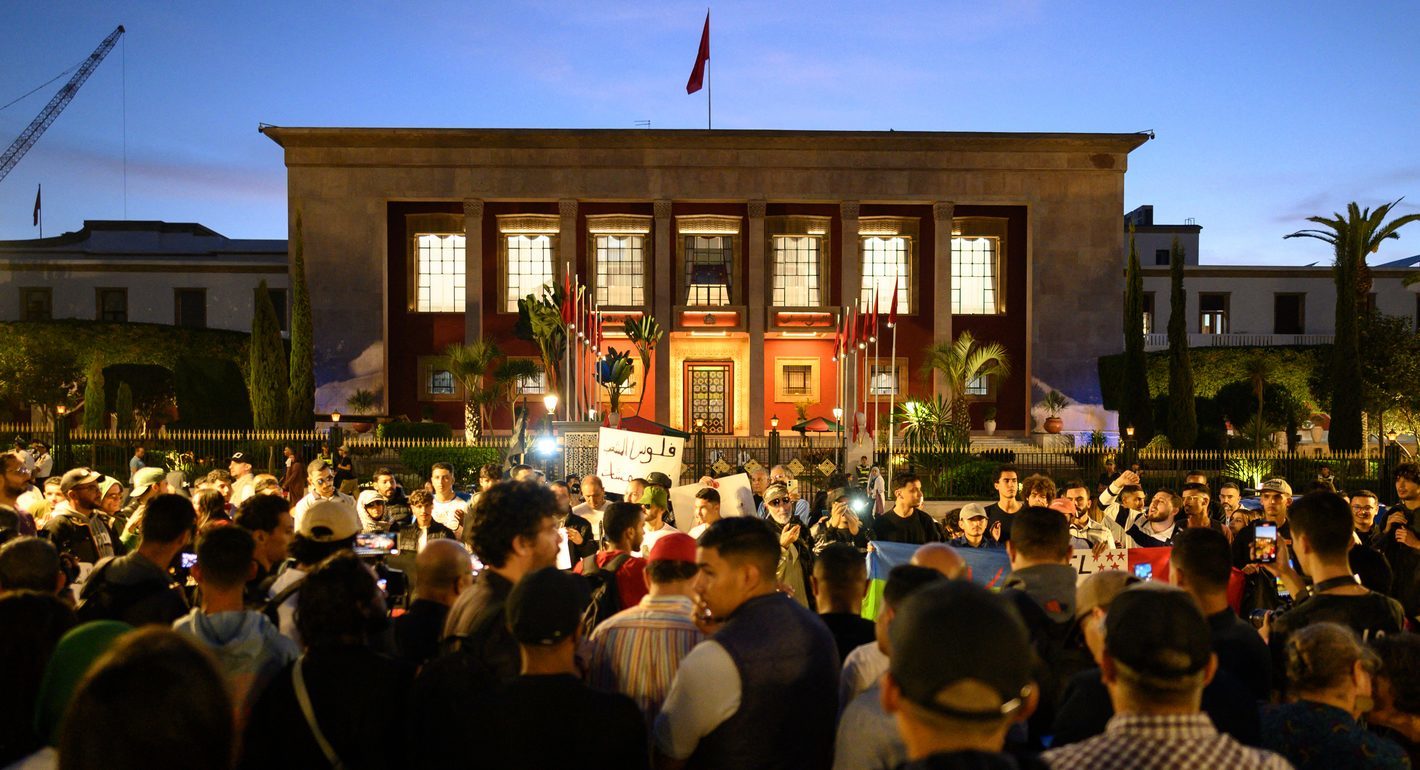
From anime heroes to online gaming communities, Morocco’s Gen Z is building a new protest culture. What does this digital imagination reveal about youth politics, and how should institutions respond?
Abdelilah Farah
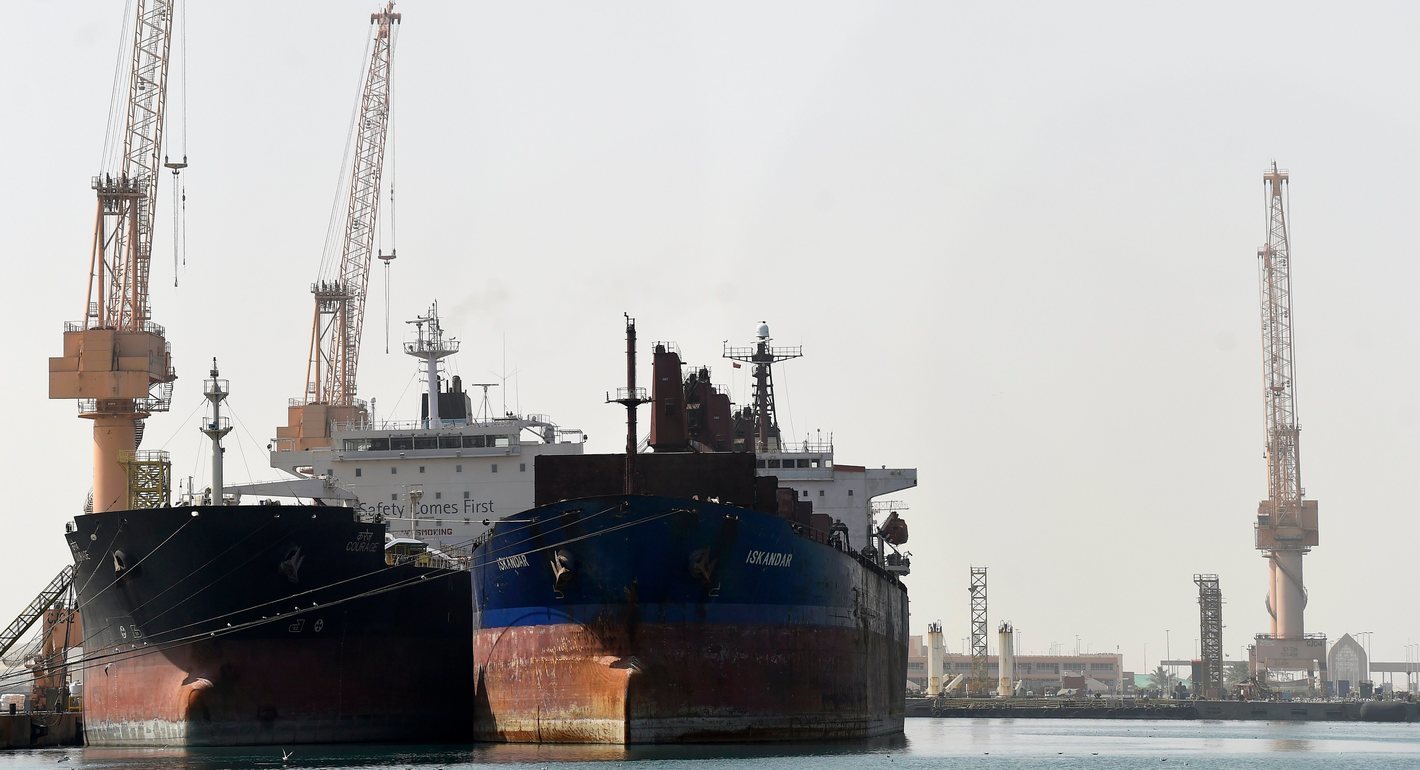
In a volatile Middle East, the Omani port of Duqm offers stability, neutrality, and opportunity. Could this hidden port become the ultimate safe harbor for global trade?
Giorgio Cafiero, Samuel Ramani
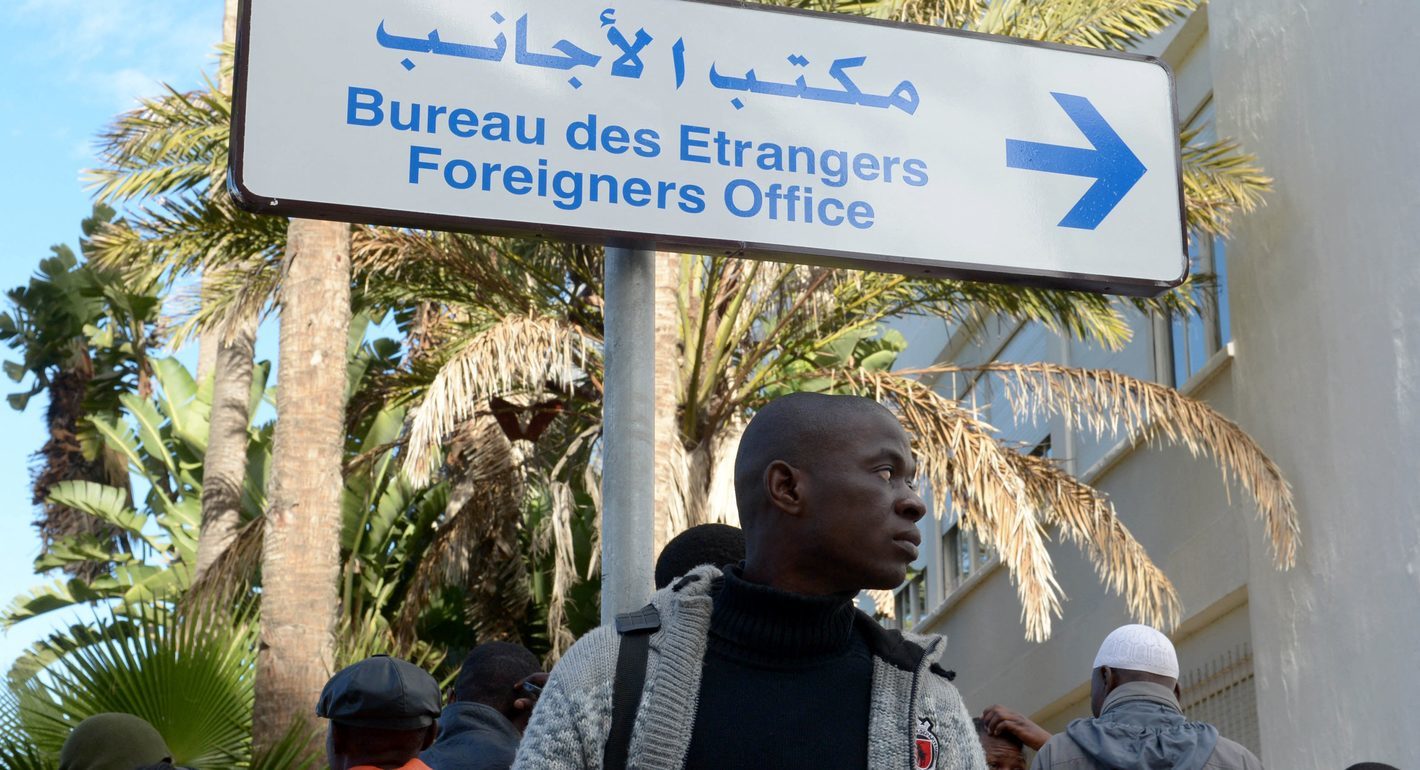
Is Morocco’s migration policy protecting Sub-Saharan African migrants or managing them for political and security ends? This article unpacks the gaps, the risks, and the paths toward real rights-based integration.
Soufiane Elgoumri
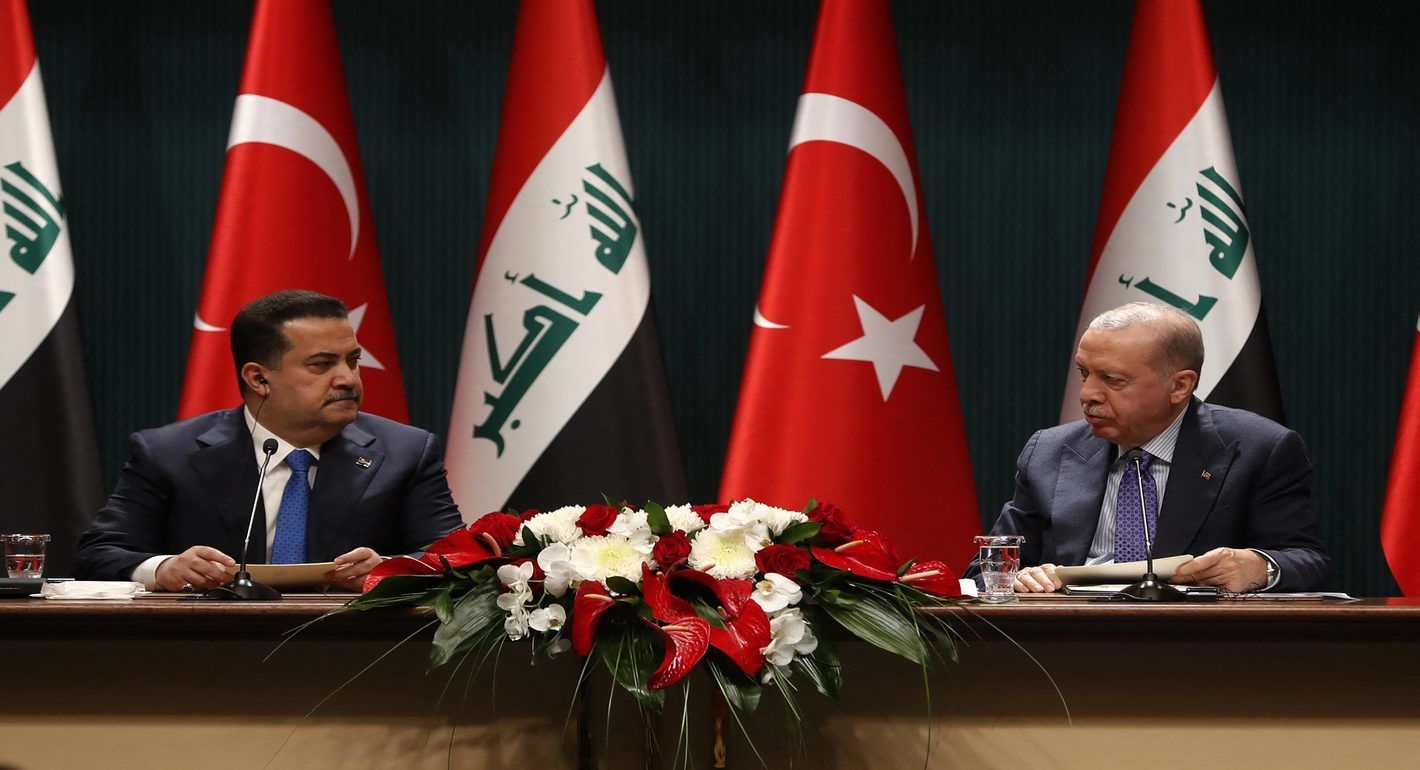
Iraq’s foreign policy is being shaped by its own internal battles—fractured elites, competing militias, and a state struggling to speak with one voice. The article asks: How do these divisions affect Iraq’s ability to balance between the U.S. and Iran? Can Baghdad use its “good neighbor” approach to reduce regional tensions? And what will it take for Iraq to turn regional investments into real stability at home? It explores potential solutions, including strengthening state institutions, curbing rogue militias, improving governance, and using regional partnerships to address core economic and security weaknesses so Iraq can finally build a unified and sustainable foreign policy.
Mike Fleet
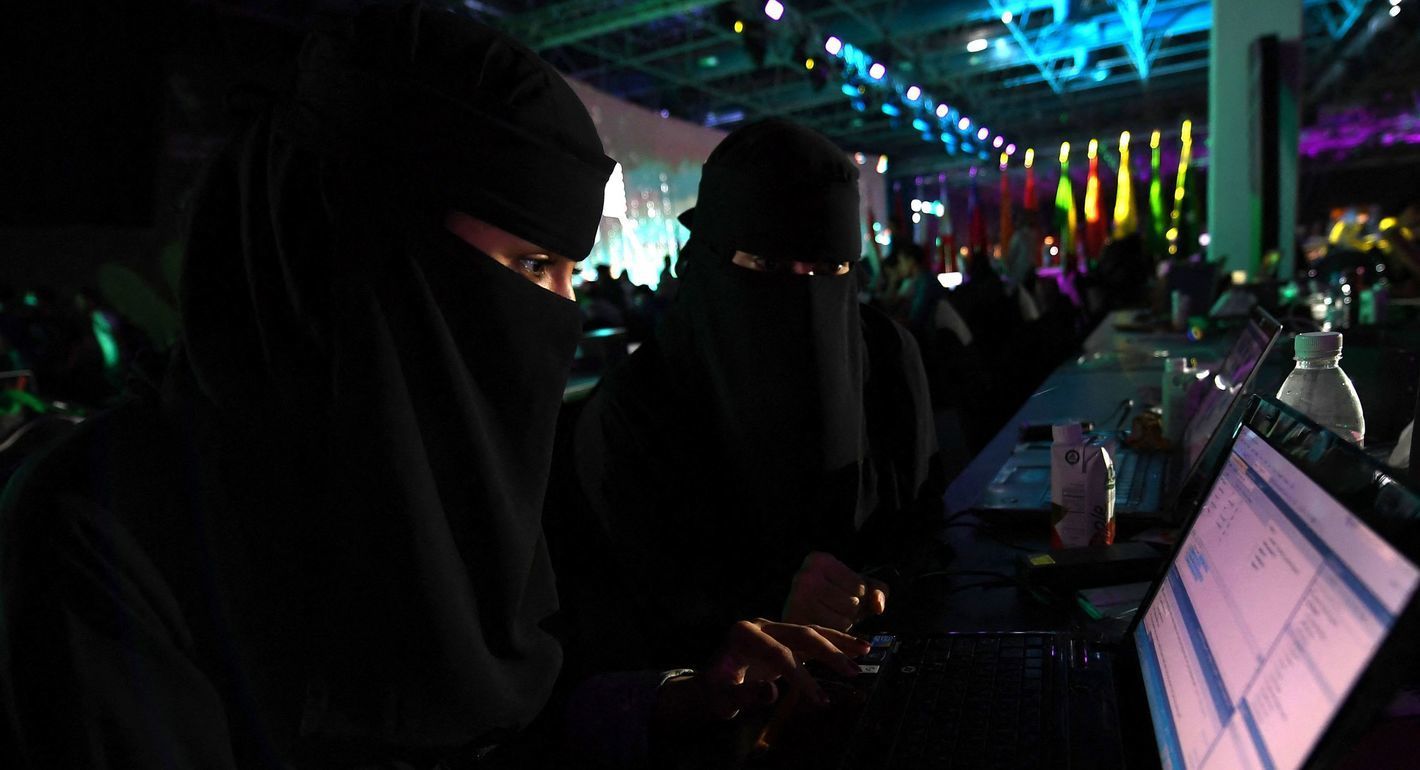
How can Saudi Arabia turn its booming e-commerce sector into a real engine of economic empowerment for women amid persistent gaps in capital access, digital training, and workplace inclusion? This piece explores the policy fixes, from data-center integration to gender-responsive regulation, that could unlock women’s full potential in the kingdom’s digital economy.
Hannan Hussain