

Commentary
Intissar Fakir
{
  "authors": [
    "Intissar Fakir"
  ],
  "type": "commentary",
  "blog": "Sada",
  "centerAffiliationAll": "",
  "centers": [
    "Carnegie Endowment for International Peace"
  ],
  "collections": [],
  "englishNewsletterAll": "",
  "nonEnglishNewsletterAll": "",
  "primaryCenter": "Carnegie Endowment for International Peace",
  "programAffiliation": "",
  "programs": [],
  "projects": [],
  "regions": [
    "North Africa",
    "Morocco"
  ],
  "topics": []
}

REQUIRED IMAGE
The king has promised significant constitutional reforms; will he allow changes that would lessen his own powers?
King Mohammed VI’s March 9 pledge to sponsor broad constitutional reforms following moderately-sized protests on February 20 distinguishes him from other leaders in the region, most of whom have offered too little in terms of reforms and offered them too late in the process of uprisings to make a difference. On the surface, King Mohammed’s proposed reforms are significant. But the lack of specifics about the depth of these reforms creates doubt in view of past experiences.
Former Fellow, Middle East Program, Editor in Chief, Sada
Intissar Fakir was a fellow and editor in chief of Sada in Carnegie’s Middle East Program.
Recent Work
Intissar Fakir
Maâti Monjib, Intissar Fakir
Carnegie does not take institutional positions on public policy issues; the views represented herein are those of the author(s) and do not necessarily reflect the views of Carnegie, its staff, or its trustees.
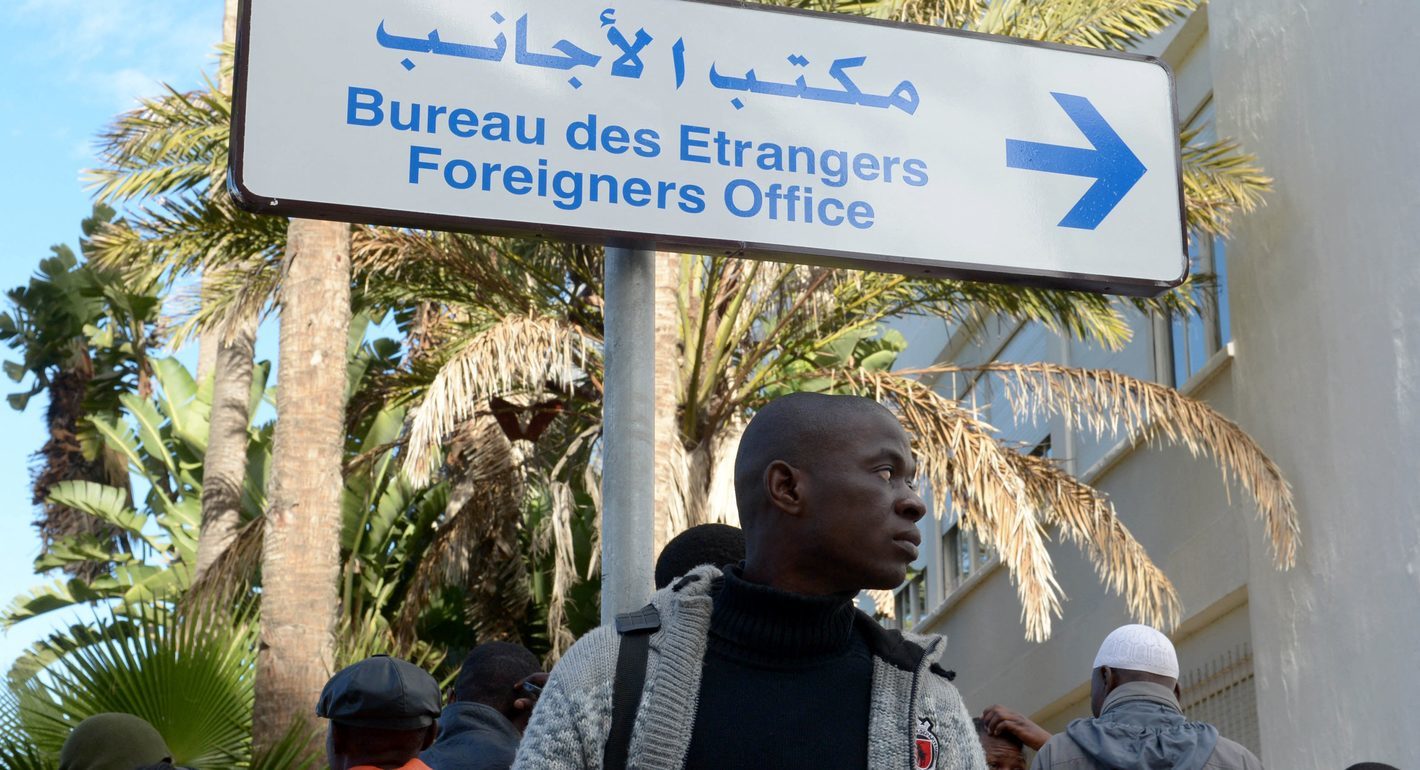
Is Morocco’s migration policy protecting Sub-Saharan African migrants or managing them for political and security ends? This article unpacks the gaps, the risks, and the paths toward real rights-based integration.
Soufiane Elgoumri
While Morocco’s shift to a digitized social targeting system improves efficiency and coordination in social programs, it also poses risks of exclusion and reinforces austerity policies. The new system uses algorithms based on socioeconomic data to determine eligibility for benefits like cash transfers and health insurance. However, due to technical flaws, digital inequality, and rigid criteria, many vulnerable families are unfairly excluded.
Abderrafie Zaanoun
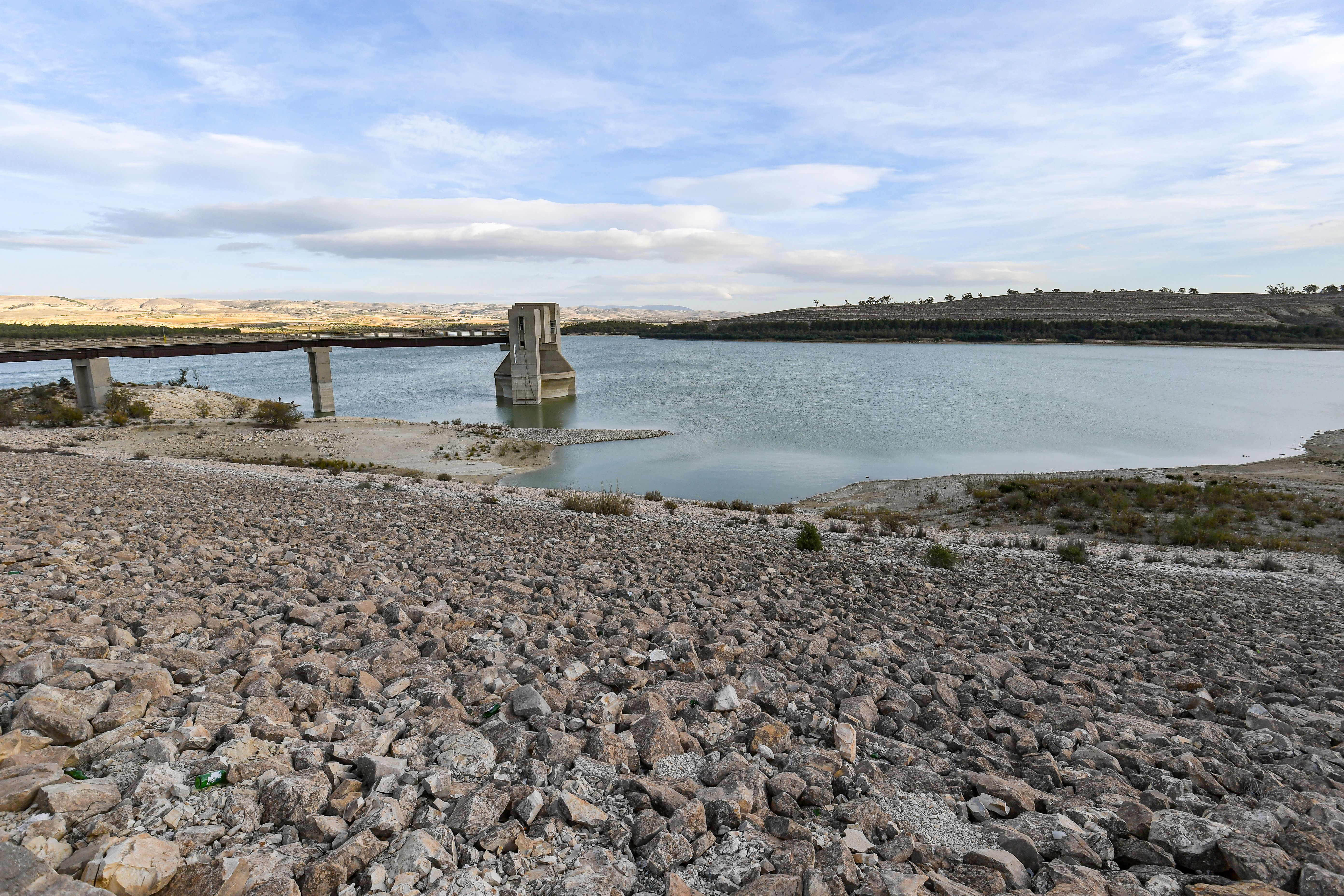
Tunisia is facing a worsening water crisis characterized by widespread protests over access to potable water, particularly in rural areas with underdeveloped supply networks. This situation is exacerbated by climate change, outdated agricultural policies, and industrial water consumption, necessitating comprehensive policy reforms to secure Tunisians’ constitutional right to water and ensure equitable access across the country.
Noura Omar
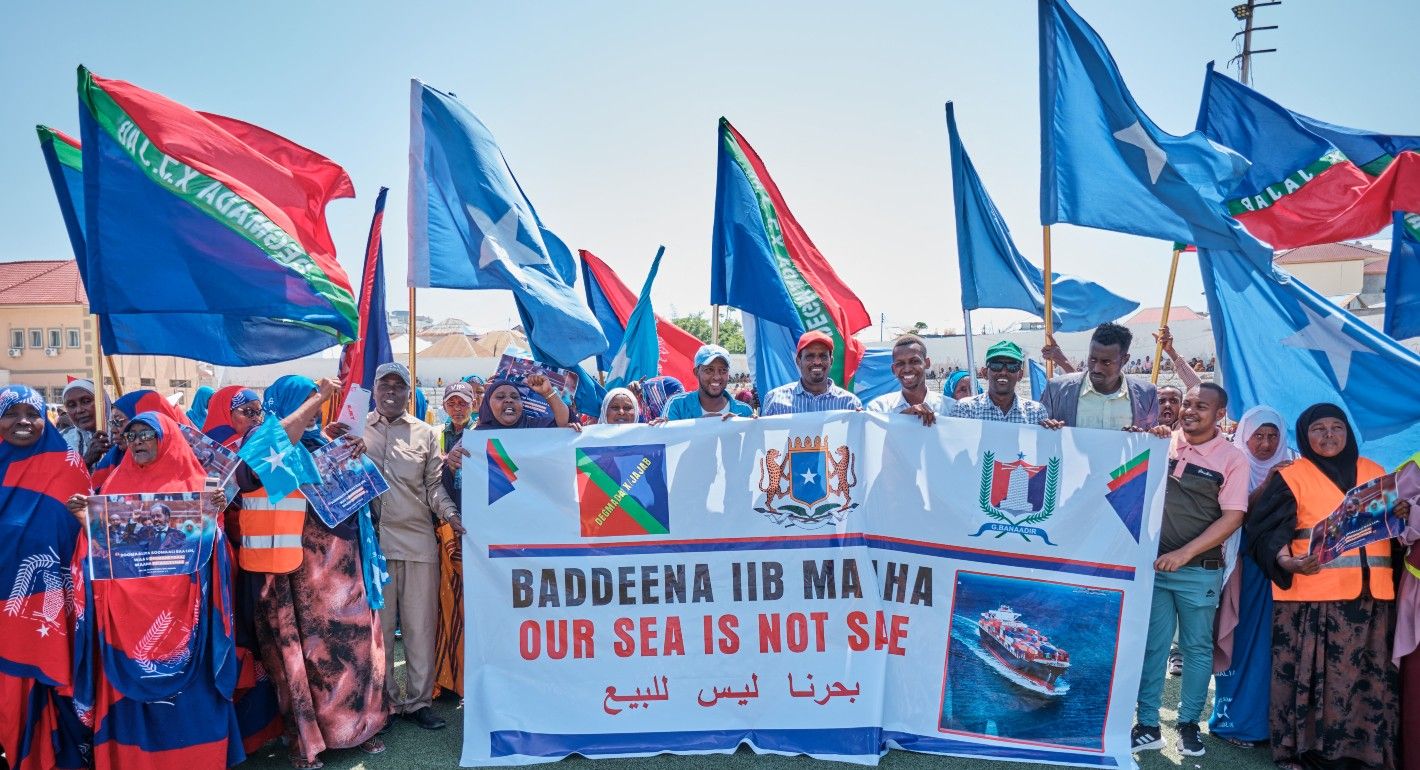
As hegemonic Ethiopian ambitions threaten stability in the Horn of Africa, Somalia is building strategic alliances regionally and internationally to counter Ethiopia’s growing political and military influence.
Hisham Qadri Ahmed
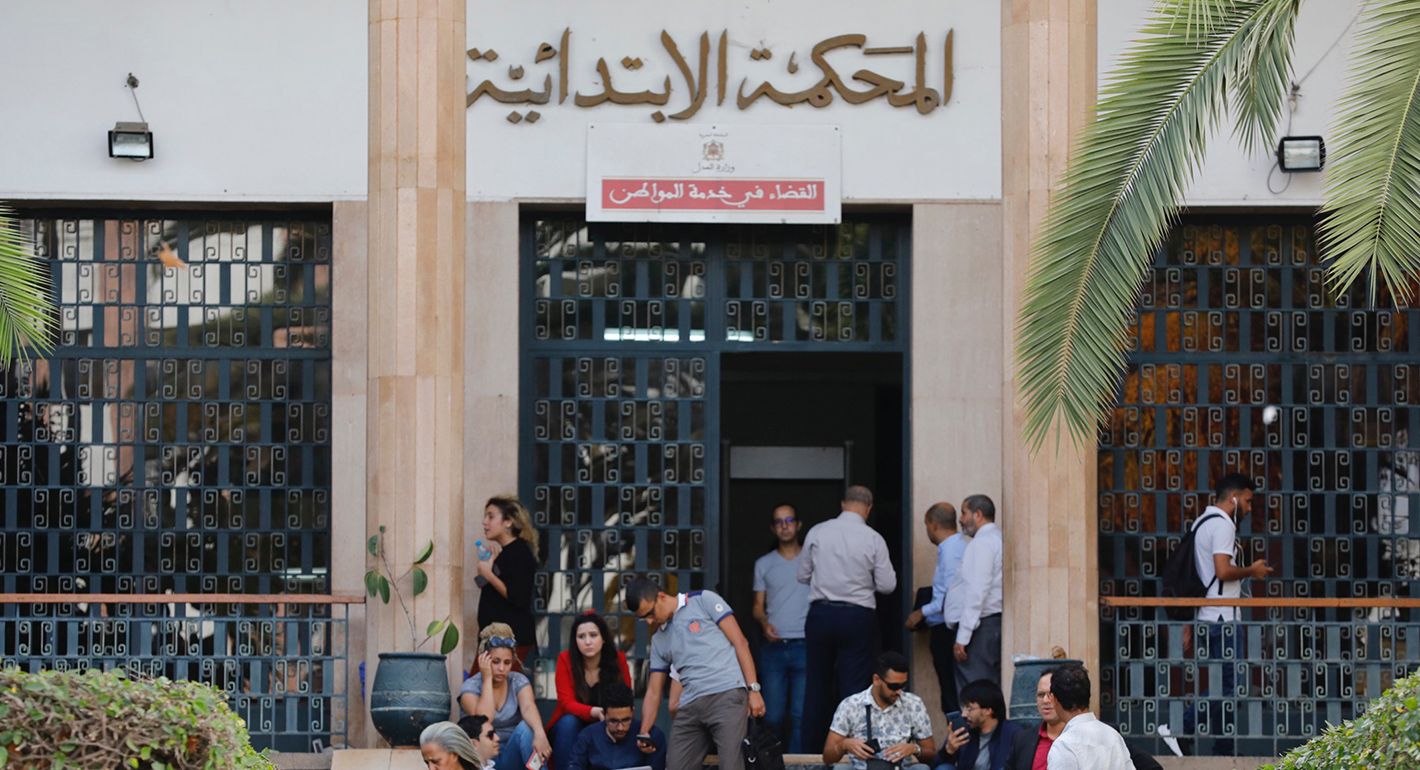
The Moroccan government’s decision to bar civil society from filing public actions in cases of public fund and property offenses has stirred debate, with critics warning it sidelines crucial players in the fight against corruption.
Hasan Al-Ashraf