

Commentary
Syria’s worsening drought is no longer a seasonal crisis. This report explains what climate change is doing to rainfall, groundwater, and food security, and what solutions experts say are still possible.
Milia Esper
{
  "authors": [
    "Emile Hokayem"
  ],
  "type": "commentary",
  "blog": "Sada",
  "centerAffiliationAll": "",
  "centers": [
    "Carnegie Endowment for International Peace"
  ],
  "collections": [],
  "englishNewsletterAll": "",
  "nonEnglishNewsletterAll": "",
  "primaryCenter": "Carnegie Endowment for International Peace",
  "programAffiliation": "",
  "programs": [],
  "projects": [],
  "regions": [
    "Gulf",
    "Bahrain",
    "Kuwait",
    "Oman",
    "Qatar",
    "Saudi Arabia",
    "United Arab Emirates",
    "Middle East"
  ],
  "topics": []
}

REQUIRED IMAGE
In the wake of the region’s political tremors, Gulf monarchies are claiming reform of their security sectors. But are the changes enough—and are they genuine?
The behavior of security forces during the Arab Awakening has shaped the evolution of each uprising; unsurprisingly then, the long-term transitions also depend on their political systems’ capacity to rein in and reform the security sectors—the military, internal security apparatuses, and paramilitary forces—that have grown too big, too powerful, too brutal, or too autonomous. And while opportunities for security reform exist in transitioning countries, regimes that have withstood the political tremors are learning other lessons from the uprisings.
Excepting Bahrain and Oman, Gulf monarchies have experienced relatively mild popular pressure because of a less acute and more manageable set of economic and political challenges—in large part due to oil wealth, but also because of their political cultures. These regimes care little that their counterparts in the Middle East (similarly invested in internal “coup-proofing”) have otherwise succumbed to the wave of popular uprisings—suggesting that emphasis on security, once believed a guarantor of survival, was actually a contributing factor of their demise. Rather, Gulf monarchies have responded by increasing reliance on the security systems by strengthening patronage networks that link the ruling family to the officer corps and retired security personnel.
Ultimately, security reform is not just a matter of organizational, doctrinal, or training improvements; it extrapolates just as much from the environment in which it operates.
Gulf monarchies share a number of common features. They invest heavily in the security sector while remaining nonmilitary states, and the army is not highly integrated into the economy or infrastructure. They have ensured the reliability of their security forces through a mix of incentives: patronage, prestige, and access to rulers. Kinship is also a crucial instrument of security control; across the Gulf, scions of the ruling families fill top security positions, from the interior and defense ministries to the command of elite units. The best-trained and best-paid units of the army often hail from the tribes and regions of the rulers. In most Gulf states, Shi‘a are barred from the security forces. By basing composition on family, tribal, and sectarian considerations, the monarchies hope that security forces will be less likely to mount coups, fracture internally, and be less likely to join popular uprisings.
Most Gulf monarchies have resorted to government largesse as the primary means to preempt unrest. Naturally, this has extended to the security sector, where each new job and each pay increase is believed to pad the security cushion. As part of a massive $130 billion spending plan, Saudi Arabia announced in March bonuses and promotions for military personnel, additional funding for the religious police, and the creation of 60,000 internal security jobs. These last two measures bolster the power of the Interior Ministry, headed by the newly minted Crown Prince Nayef, thought to be averse to significant political reforms. Though facing no domestic challenges, Qatar also announced in September salary and pension increases of 120 percent for officers and 50 percent for regular troops.
The UAE has also tightened its control. Even as it held elections for its consultative assembly in September, the government reacted to calls for political reform by jailing activists. However, the UAE distinguishes itself by the greater professionalism of its security forces, in part due to the requirements resulting from a diverse population and a growing economy, but also due to an ambitious build-up of its military. It also famously relies on foreign contractors for a range of defense functions, and its build-up of a mercenary, non-Muslim, regime-loyal force (at the hands of Blackwater founder Erik Prince) seems to suggest a weapon to be deployed against domestic unrest stemming from foreign workers or internal discontent.
Bahrain stands out largely because of the magnitude of the popular protests as well as its systematic recourse to violence. In the face of widespread protests, the regime deployed all branches of the security apparatus and authorized them by royal decree to “take all necessary measures to protect the safety of the country and its citizens.” The result was a sweeping crackdown during which many abuses were committed against civilians, including alleged killings, torture, and acts of vandalism. Military tribunals have been used to sentence civilians in opaque circumstances. Importantly, the security forces remained cohesive and achieved short-term goals to repel and contain protesters.
Like other Gulf states, the composition of Bahrain’s security forces is unrepresentative of the population. The Shi‘a majority, which suffers from higher rates of unemployment, is denied access to jobs in the security realm while Sunni foreigners, deemed more reliable, are recruited as policemen and soldiers—many are later given citizenship. Saudi and Emirati troops intervened under the cover of the GCC’s charter and there have been reports of increased recruitment of mercenaries since the uprising started. Many of the abuses have been blamed on non-Bahraini security personnel, though this may simply have been the case because they are more numerous and more of them were deployed. The government is unlikely to alter the composition of these policies as it considers that the involvement of Shia citizens in security forces could result in armed rebellion and lead the country to civil war.
Excepting Bahrain and Oman, Gulf monarchies have experienced relatively mild popular pressure because of a less acute and more manageable set of economic and political challenges—in large part due to oil wealth, but also because of their political culture.
Emile Hokayem
Director of regional security and senior fellow for Middle East Security at the International Institute for Strategic Studies.
Emile Hokayem is the director of regional security and senior fellow for Middle East Security at the International Institute for Strategic Studies.
Carnegie does not take institutional positions on public policy issues; the views represented herein are those of the author(s) and do not necessarily reflect the views of Carnegie, its staff, or its trustees.
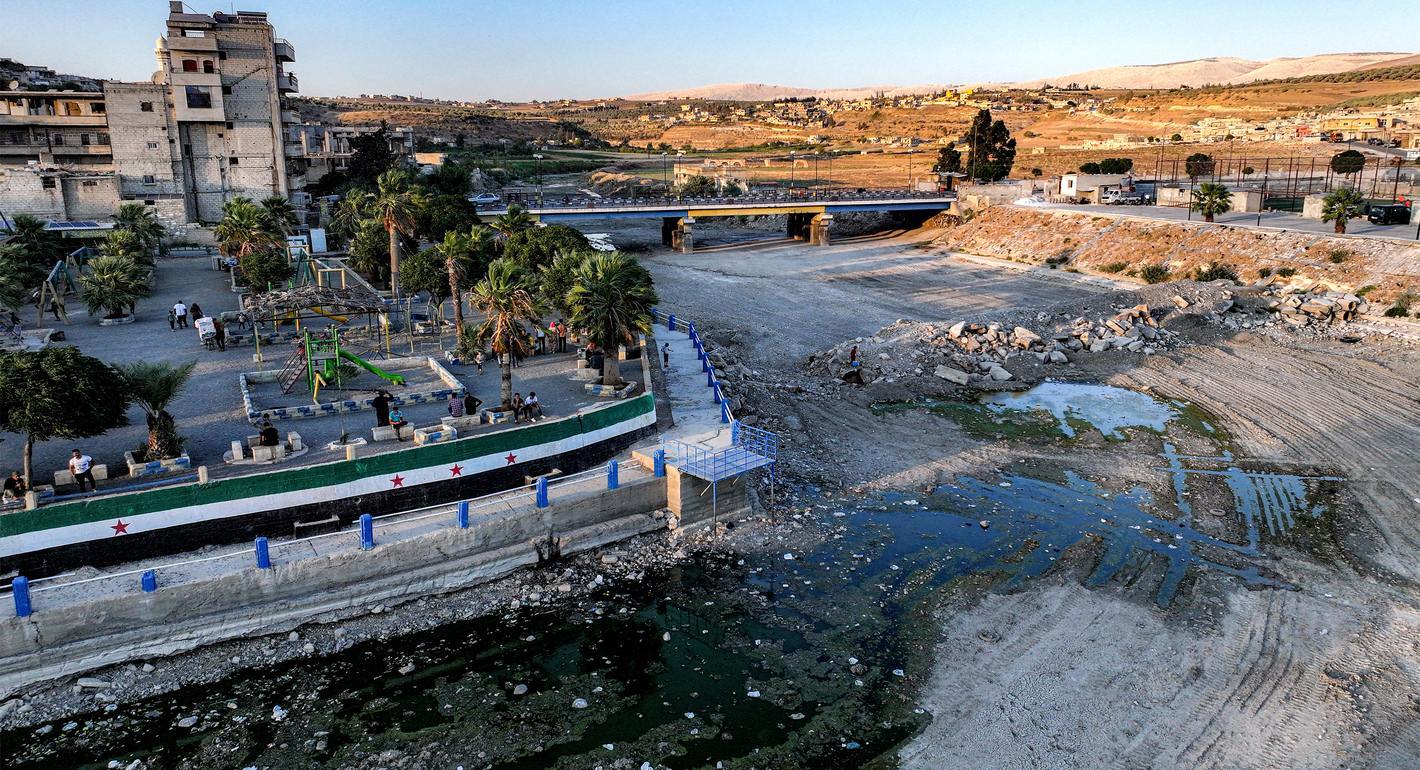
Syria’s worsening drought is no longer a seasonal crisis. This report explains what climate change is doing to rainfall, groundwater, and food security, and what solutions experts say are still possible.

Milia Esper
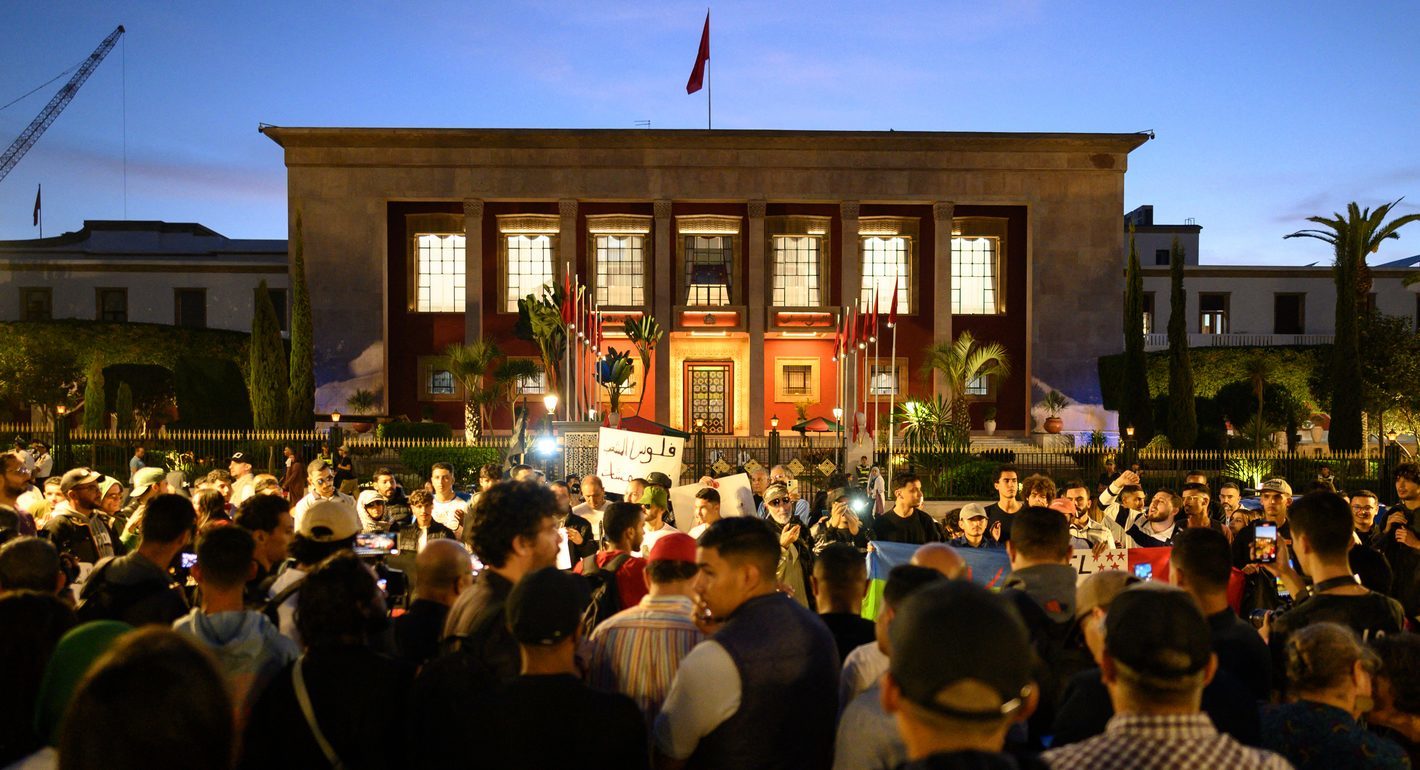
From anime heroes to online gaming communities, Morocco’s Gen Z is building a new protest culture. What does this digital imagination reveal about youth politics, and how should institutions respond?
Abdelilah Farah
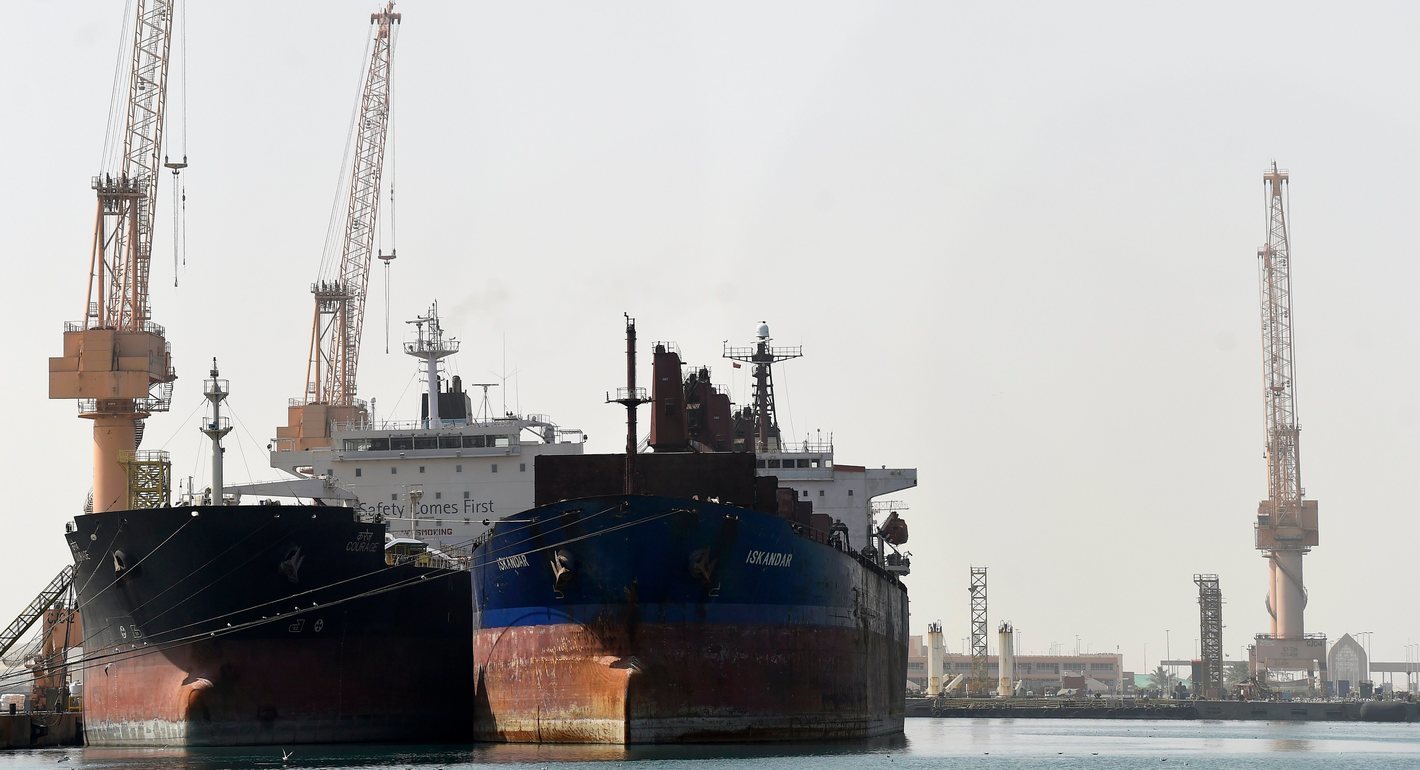
In a volatile Middle East, the Omani port of Duqm offers stability, neutrality, and opportunity. Could this hidden port become the ultimate safe harbor for global trade?
Giorgio Cafiero, Samuel Ramani
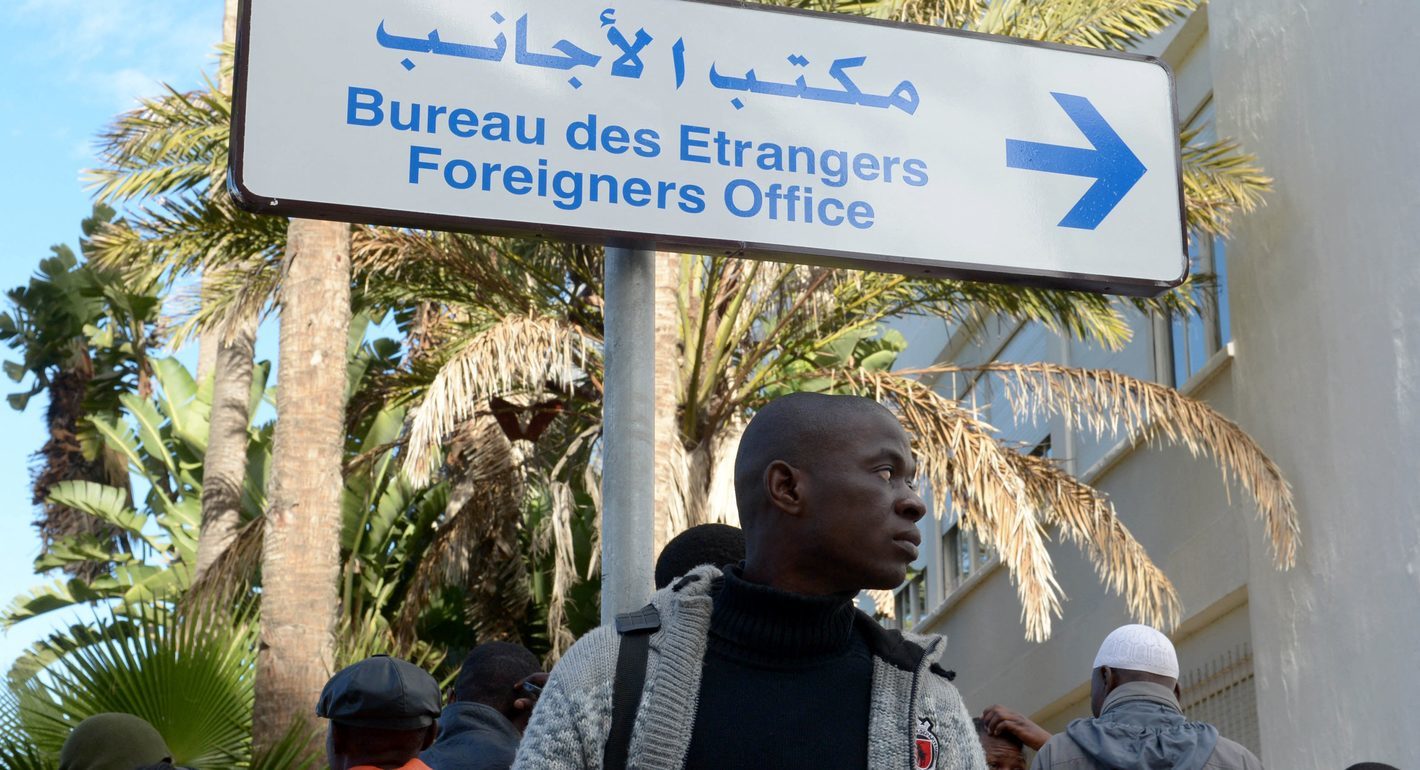
Is Morocco’s migration policy protecting Sub-Saharan African migrants or managing them for political and security ends? This article unpacks the gaps, the risks, and the paths toward real rights-based integration.
Soufiane Elgoumri
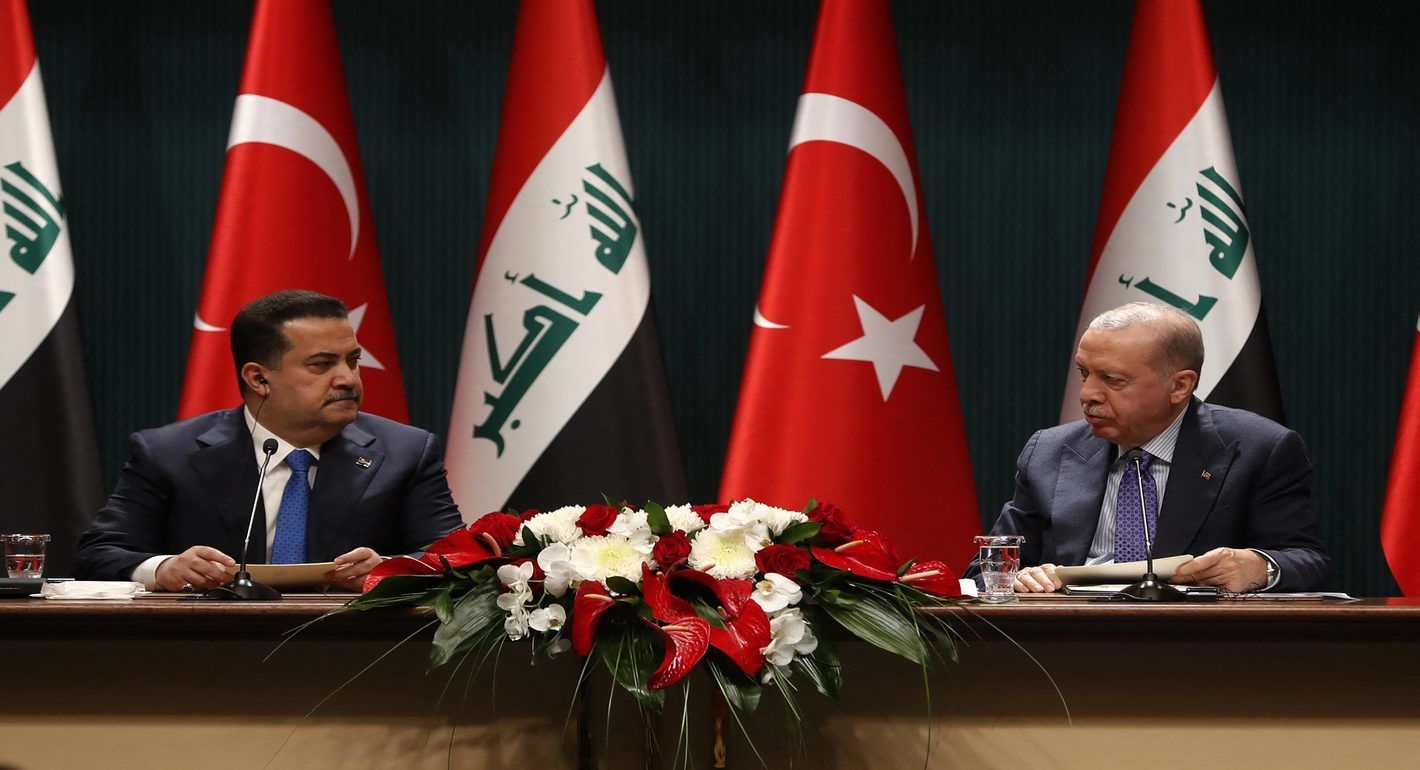
Iraq’s foreign policy is being shaped by its own internal battles—fractured elites, competing militias, and a state struggling to speak with one voice. The article asks: How do these divisions affect Iraq’s ability to balance between the U.S. and Iran? Can Baghdad use its “good neighbor” approach to reduce regional tensions? And what will it take for Iraq to turn regional investments into real stability at home? It explores potential solutions, including strengthening state institutions, curbing rogue militias, improving governance, and using regional partnerships to address core economic and security weaknesses so Iraq can finally build a unified and sustainable foreign policy.
Mike Fleet