

Commentary
Syria’s worsening drought is no longer a seasonal crisis. This report explains what climate change is doing to rainfall, groundwater, and food security, and what solutions experts say are still possible.
Milia Esper
{
  "authors": [
    "Doreen Khoury"
  ],
  "type": "commentary",
  "blog": "Sada",
  "centerAffiliationAll": "",
  "centers": [
    "Carnegie Endowment for International Peace"
  ],
  "collections": [],
  "englishNewsletterAll": "",
  "nonEnglishNewsletterAll": "",
  "primaryCenter": "Carnegie Endowment for International Peace",
  "programAffiliation": "",
  "programs": [],
  "projects": [],
  "regions": [
    "Middle East",
    "Lebanon",
    "Levant"
  ],
  "topics": [
    "Democracy",
    "Civil Society"
  ]
}
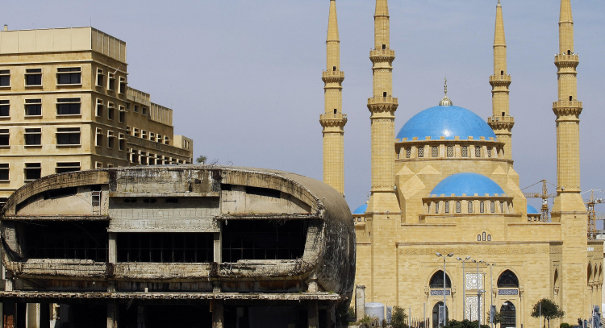
Source: Getty
The fight over freedom of expression in Lebanon is escalating over domestic film & theater.
International media attention given to Lebanese censorship usually focuses on the banning of Western films, like The Da Vinci Code or the animated Persepolis. But the real victims of the Directorate for General Security (DGSG, from Direction Générale de la Sûreté Générale) and its zealous censors are local film and theater directors, who face an often arduous process to secure permits for filming, screening, or staging creative works. DGSG’s follows its own internal mandate, and its directives can be stretched in any direction: censors decree that creative works should not “pose any danger or harm to Lebanon,” nor should they upset “political or military sensitivities” or incite “sectarian or factional discord.” Unlike cases of paper publications, the censorship process for local film and theater unfolds entirely outside the courts. While publications can only be censored if a lawsuit is brought against them (and authors and journalists can defend themselves in the Court of Publications), directors cannot question or appeal the General Directorate’s decision to bowdlerize or entirely ban their work.
In recent years, local civil society organizations have begun to speak up against this practice; these voices seek not only to curb censorship, but to limit the DGSG’s extensive powers and curb its considerable autonomy from even the ministers of the interior, who have thus far been unable to assert control over it, particularly in matters of censorship.
Last year, a coalition of the major cultural organizations in Lebanon (such as Metropolis DC, Ashkal Alwan, Né à Beyrouth, among others) grouped under Marsad al-Raqaba (“The Censorship Observatory”), and organized the first collective effort to provide a comprehensive assessment of censorship exercised by state institutions. Led by prominent human rights lawyer Nizar Saghieh, the Observatory’s research exposed the degree to which political and religious leaders are directly involved in censorship cases. It documented how the General Directorate’s censorship department routinely sends films and other creative works that might upset religious institutions to these bodies (like Dar al-Fatwa, the highest Sunni religious authority, or the Catholic Information Center), and almost always complies with their wishes on whether to excise scenes or ban a work altogether. In May, for example, following a request from the Catholic Information Center, the DGSG asked that Joe Bou Eid’s Tannoura Maxi remove certain scenes that were allegedly “offensive to Christianity.”
Similarly, individual political figures are also routinely consulted on creative works that mention them or their parties. Films on the civil war have been routinely censored since the nineties on the basis that references to the conflict “threatens civil peace.” In actuality, however, it only threatens the peace of mind of the warlords who are still in power. For example, Randa Shahal, who represents an older generation of Lebanese directors who tackled the civil war, saw many of her films brutally cut—the most famous of which is A Civilized People (1999). Simon El Habre was forced to excise six minutes of his 2009 documentary One Man Village (the banned scene can be viewed here) because it mentioned the role of the Progressive Socialist Party during the civil war. Last year, Danielle Arbid’s film Beirut Hotel was banned because it referred to the 2005 assassination of former Prime Minister Rafik Hariri.
Marsad Al-Raqaba’s efforts have been followed by others. Encouraged by the region’s year of uprisings, activists have acquired an increasingly diminishing tolerance for security forces’ control over creative expression. Only last week, the Skeyes Center for Media and Cultural Freedom (SKeyes)—an organization established in 2007 by the Samir Kassir Foundation to monitor and publicize violations of freedom of the press and artistic expression in the Levant—launched Mamnou3 (“Prohibited”), a mockumentary series that parodies the internal workings of the DGSG’s censorship department. In one clip, an officer of the Directorate smiles smugly as he edits a famous theater director’s script, pleased with his own creativity in altering the text to suit “public morals.” Since Lebanon lacks Internet regulation, SKeyes hopes to avoid a possible ban by focusing the campaign online and promoting it via social media platforms. Although it is too early to gauge whether Mamnou3 will provoke a backlash from the General Directorate, the campaign has already received considerable media attention in Lebanon and beyond, and the first three episodes released on YouTube have already attracted almost 11,000 views in the week since their release. Seven additional episodes are planned.
Both SKeyes and Marsad Al-Raqaba call for ending the General Directorate’s lack of oversight and establishing instead an independent regulatory body to apply a rating system for films or plays. The new body would also receive complaints after works have been screened or staged and rule on whether or not the work should be censored—rather than the current practice of censoring a film or play while still under production.
Daunting challenges remain, and a number of forces impede progress: an intransigent political class, aggressive security forces unwilling to surrender arbitrary powers, and conservative citizens who worry about uncensored creative expression. Civil society organizations will have to put aside their differences and work harder at coordinating their efforts—much like the defenders of censorship have; in the early 2000s, religious leaders established the Commission to Preserve Values in an effort to monitor media ethics and morals. The organization has made a number of complaints to the office of the public prosecutor regarding scantily clad women in TV programs and on billboards, and has called on the state to preserve “people’s dignity” and to censor TV programs, films and publications. In its most recent statement on May 23, the commission called on the media to practice self-censorship and on the government to ensure media compliance with ethical standards. Significantly, the statement began by describing the military establishment as the “custodian” of Lebanon—linking between censorship and the security forces.
Despite this, there remains much hope. In the past two years, thanks to Marsad al-Raqaba’s efforts, the previously-opaque censoring process is much clearer—and knowledge of it is half the battle. A number of government officials have lent their support; former Minister of Culture Tarek Mitri’s pressure helped to reverse the ban on the film version of Persepolis (which had been banned because it allegedly displeased the head of DGSG General Wafiq Jizzini—who is purportedly close to Hezbollah). Former Minister of the Interior Ziad Baroud also tried to stop the DGSG from cutting the scene mentioned above from One Man Village. Mitri has also been a vocal supporter of abolishing pre-production censorship to allow films and all cultural products to circulate freely.
And as the ongoing Mamnou3 campaign itself shows, creative expression is alive and kicking in Lebanon—as are creative ways around the censors’ excisions.
Doreen Khoury is a program manager at the Beirut office of the Heinrich Boell Foundation. Her work focuses on electoral reform, censorship, and social media. In September she will begin a fellowship at the German Institute for International and Security Affairs (SWP) in Berlin.
Doreen Khoury
Carnegie does not take institutional positions on public policy issues; the views represented herein are those of the author(s) and do not necessarily reflect the views of Carnegie, its staff, or its trustees.
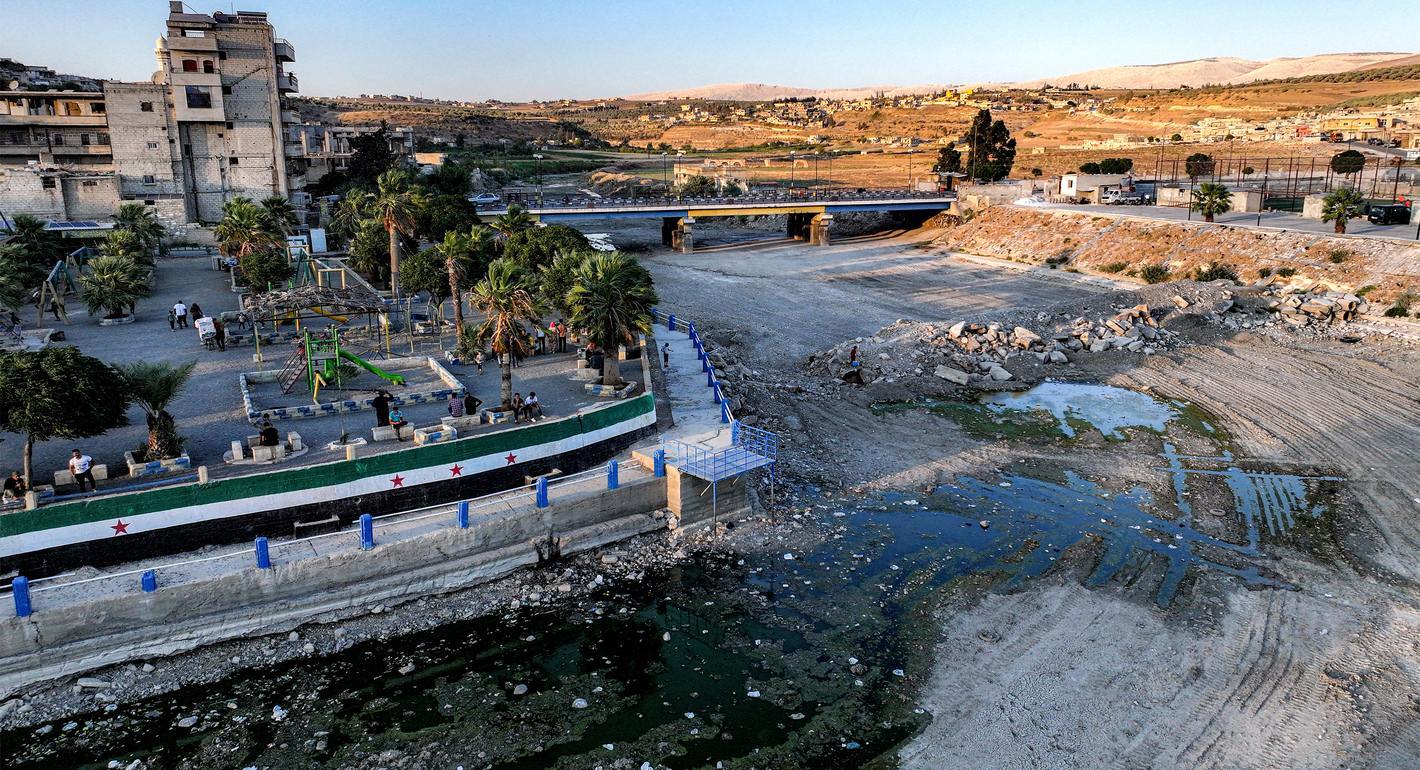
Syria’s worsening drought is no longer a seasonal crisis. This report explains what climate change is doing to rainfall, groundwater, and food security, and what solutions experts say are still possible.
Milia Esper
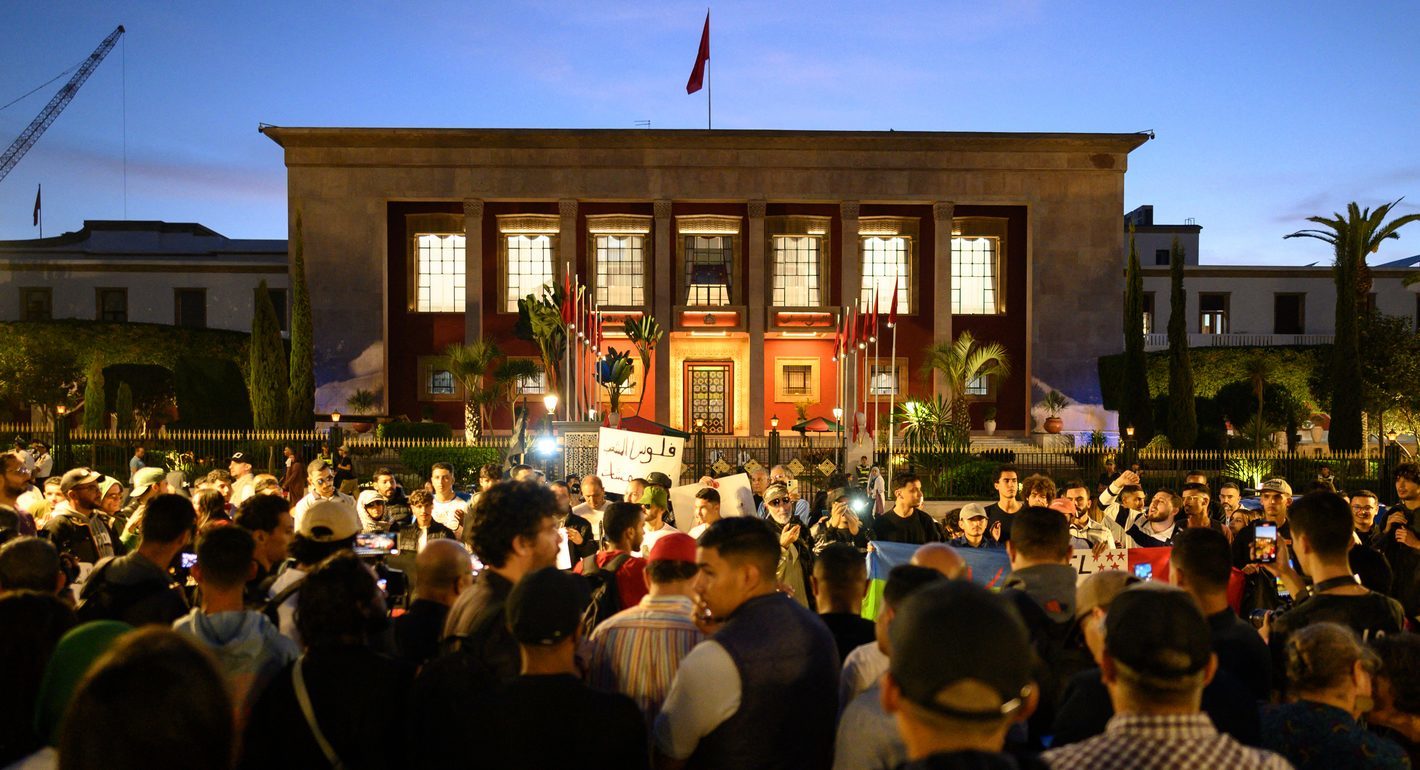
From anime heroes to online gaming communities, Morocco’s Gen Z is building a new protest culture. What does this digital imagination reveal about youth politics, and how should institutions respond?
Abdelilah Farah
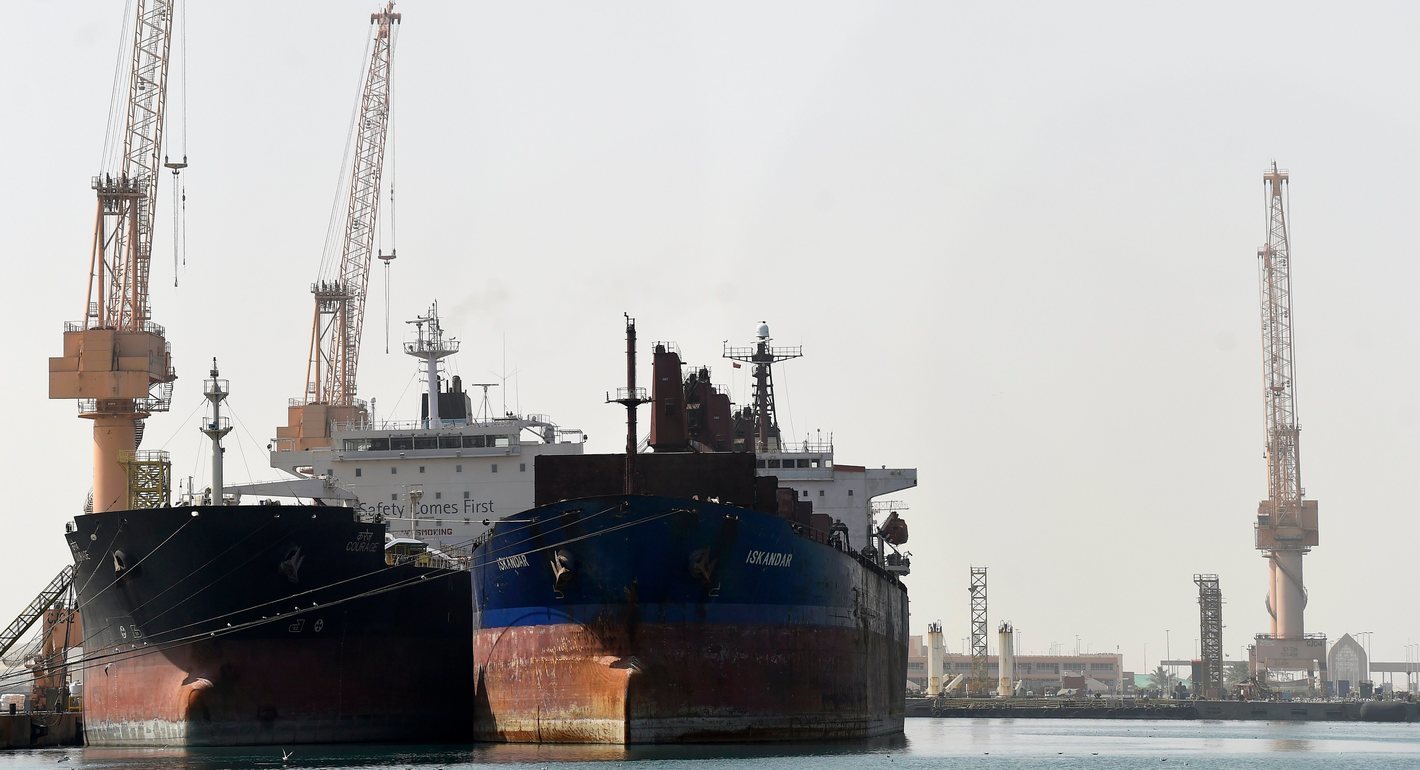
In a volatile Middle East, the Omani port of Duqm offers stability, neutrality, and opportunity. Could this hidden port become the ultimate safe harbor for global trade?
Giorgio Cafiero, Samuel Ramani
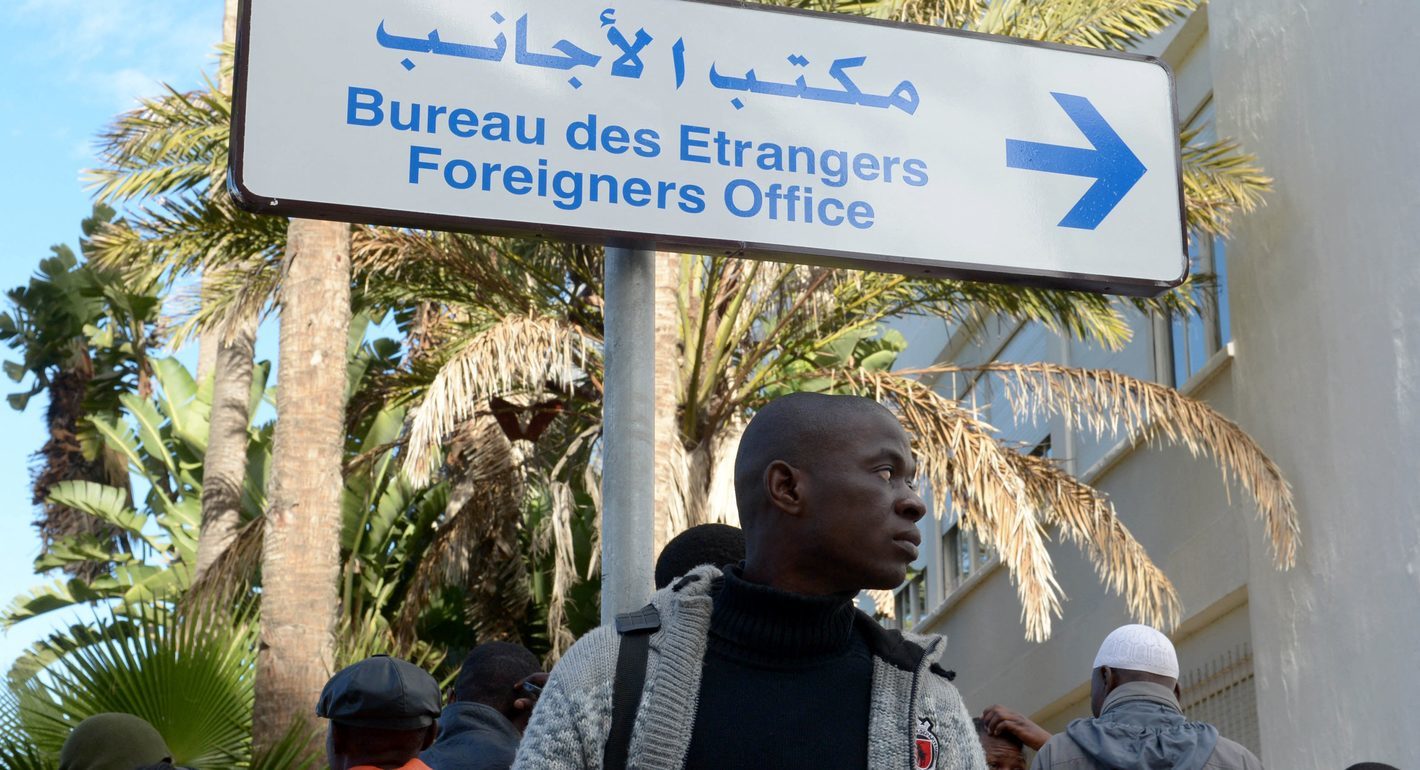
Is Morocco’s migration policy protecting Sub-Saharan African migrants or managing them for political and security ends? This article unpacks the gaps, the risks, and the paths toward real rights-based integration.
Soufiane Elgoumri
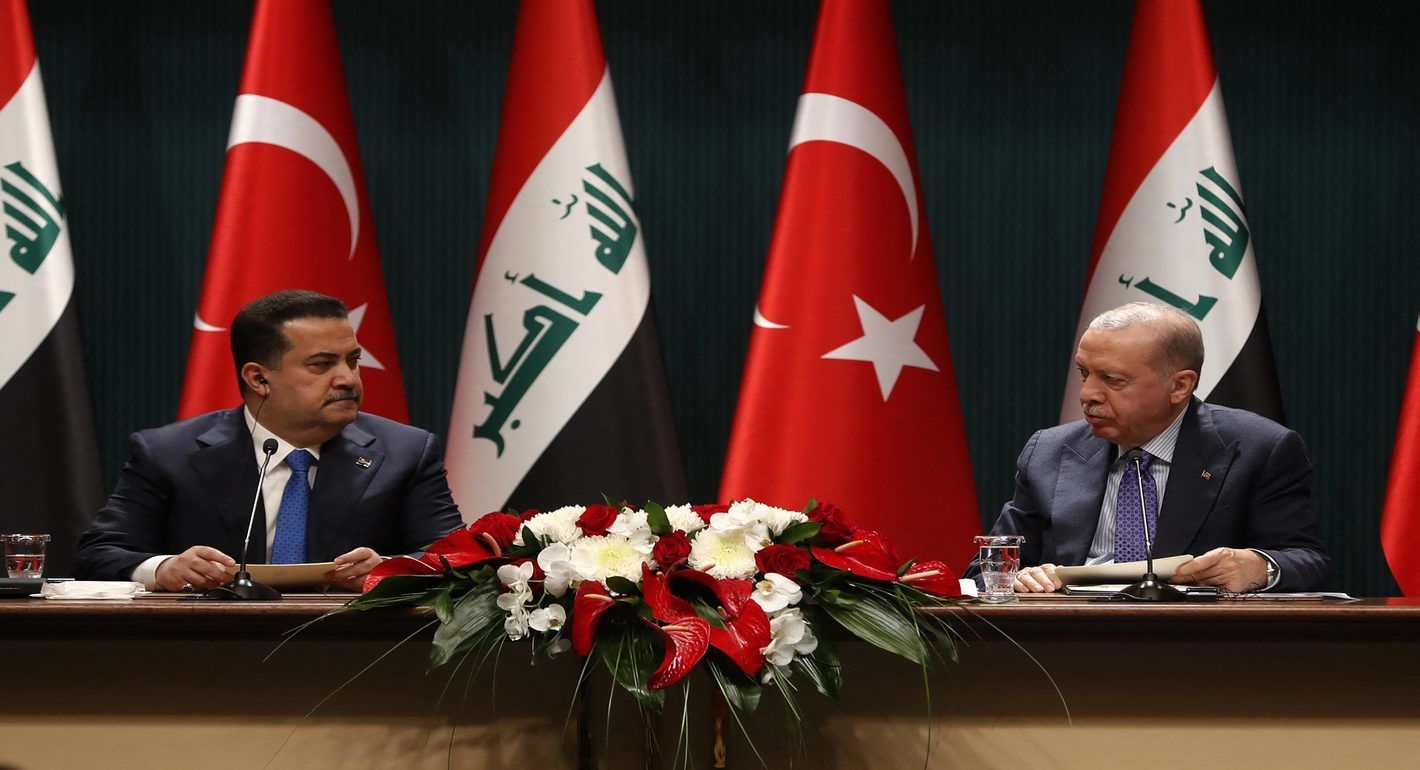
Iraq’s foreign policy is being shaped by its own internal battles—fractured elites, competing militias, and a state struggling to speak with one voice. The article asks: How do these divisions affect Iraq’s ability to balance between the U.S. and Iran? Can Baghdad use its “good neighbor” approach to reduce regional tensions? And what will it take for Iraq to turn regional investments into real stability at home? It explores potential solutions, including strengthening state institutions, curbing rogue militias, improving governance, and using regional partnerships to address core economic and security weaknesses so Iraq can finally build a unified and sustainable foreign policy.
Mike Fleet