

Commentary
Suliman Al-Atiqi
{
  "authors": [
    "Suliman Al-Atiqi"
  ],
  "type": "commentary",
  "blog": "Sada",
  "centerAffiliationAll": "",
  "centers": [
    "Carnegie Endowment for International Peace"
  ],
  "collections": [],
  "englishNewsletterAll": "",
  "nonEnglishNewsletterAll": "",
  "primaryCenter": "Carnegie Endowment for International Peace",
  "programAffiliation": "",
  "programs": [],
  "projects": [],
  "regions": [
    "Middle East",
    "Gulf",
    "Kuwait"
  ],
  "topics": [
    "Political Reform"
  ]
}
Source: Getty
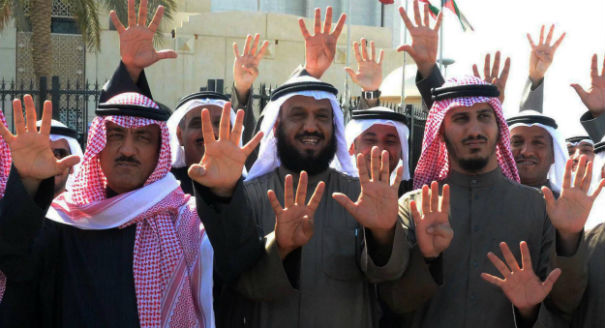
Kuwait’s one man, one vote law, though the cause of previous unrest, has fractured the opposition and empowered independents.
Kuwait concluded its sixth parliamentary election since 2006, on July 27, and by August had formed its twelfth cabinet. One of the nation’s biggest political crises since its founding in 1961 brought the country to a standstill in the aftermath of the Emir’s controversial amendment to the electoral law back in October 2012. With the country likely heading towards more stable times, it seems that the government achieved its intended outcome of undermining the tribal-Islamist opposition bloc by empowering independents through the new electoral law.
The political crisis can be traced back to May 2006, when the reformist branch of the opposition members of parliament (MPs) attempted to reduce the voting districts from 25 to 5, while the government, through its appointed committee, recommended a more modest decrease to 10. The ensuing dispute led to the first time the Emir, Sheikh Sabah Ahmad al Jaber al Sabah, dissolved parliament, after which new elections showed Kuwaitis’ support for the proposed change. By July 2006, the new electoral reform law easily passed in parliament and was approved by the Emir, reducing the 25 districts to 5 with ten candidates running per district—maintaining the 50 seat electoral total—but also introducing a system of four votes per person.
While the headlines focused on the reduction of districts, few at the time could have predicted the looming political crisis would be due to the seemingly arbitrary system of four votes per person. This number of votes, perhaps unknowingly at the time, proved beneficial to the Islamist-tribal coalition representing an emerging opposition bloc, largely due to a practice of patriarchal patronage inherent in tribal circles—if a candidate gains the support of the leader he gains the support of the majority of the entire tribe.
Tribes used this system to their advantage, holding primaries (though illegal) to sort out lists of preferred candidates beforehand and coordinate with other tribes to tailor the lists to the electoral district and thus gain a competitive edge. Hence if four tribes formed a coalition, their adherents could use their four votes to support the tribes’ preferred candidates equally, which often gave tribal candidates an advantage over independents who might actually have more supporters—particularly in the absence of legal frameworks for political parties which would offset this imbalance. By 2012 two snap elections, in February and then December, vividly demonstrated the advantages of the four-vote system. In the February election, the Islamist-tribal coalition bloc representing the opposition dominated with 34 of the Majlis al-Umma’s 50 seats (drowning out all female candidates)—and paving the way for further confrontation with the government.
Ensuing political-legal disputes—exacerbated by a parliament dominated by the opposition—led to yet another snap election in December 2012. The Emir—who according to the constitution can issue emergency decrees in the absence of an elected parliament—unilaterally amended the 2006 election law prior to the election so that each citizen would cast only one vote. Interpreting the amendment as an unconstitutional attempt to undermine their numbers, the dominant opposition bloc—mainly Islamist and tribal leaders—decided to boycott the election in protest.
Prior to the December 2012 election, various former opposition MPs who were boycotting the elections predicted that turnout would not exceed 15-25 percent. This false assessment was based on the fact that they had won about two-thirds of the seats in the February election, which they interpreted as having two-thirds of voters’ support. However, the boycotting MPs failed to recognize the extent to which the four-vote system inflated their popularity. The 40 percent voter turnout in the December election (despite the boycott) shattered the perception of the tribal-Islamist majority and popularity, indicating they had the support of a third of voters—taking into account that the previous non-boycotted election had a 60 percent voter turnout. Meanwhile the new one-vote law was understood by independents as a mechanism to level the playing field. Thus, despite a popular boycott for the December 2012 election, more candidates (306) decided to run than had sought office in the previous February election (286). Independent candidates understood that the one-vote rule gives everyone a more equal chance—in the absence of legal political parties which would serve as a counterbalance mechanism to the patriarchal patronage enjoyed among tribal and Islamist circles.
On June 16, 2013, the constitutional court upheld the Emir’s one-vote reform, but claimed the existing assembly was illegitimate based on a technicality and called for new elections. This allowed for those who boycotted the previous election to reconsider, and indeed some of the leading tribes (and some liberals) decided to rejoin. Ultimately, the participation of the tribes (who perhaps realized their boycott was a “critical error” and that by being outside of parliament they could no longer influence the state) and the liberals (who were not against the new electoral law itself, but rather how it was changed) fractured the opposition between those who participated and those who continued to insist on a boycott. As a result, the divided members of the opposition rendered themselves obsolete as the country witnessed a 52.5 percent voter turnout in the July 2013 election—up from the boycotted 40 percent, and 7.5 percentage points shy of the last non-boycotted election.
At the end of the crisis, it seems that the government achieved what it wanted—fracturing the tribal-Islamist coalition outside of parliament and minimizing their ability to win beyond their proportion—through the one-vote electoral law.
Suliman Al-Atiqi is an international affairs analyst from Kuwait currently working with the United Nations Development Program based in Istanbul.
* Correction: an earlier version of the article identified the Emir's name as Sheikh Ahmad al Jaber al Sabah.
Suliman Al-Atiqi is a PhD Candidate at St Antony’s College, University of Oxford, and a researcher on the GCC states.
Recent Work
Suliman Al-Atiqi
Suliman Al-Atiqi
Carnegie does not take institutional positions on public policy issues; the views represented herein are those of the author(s) and do not necessarily reflect the views of Carnegie, its staff, or its trustees.
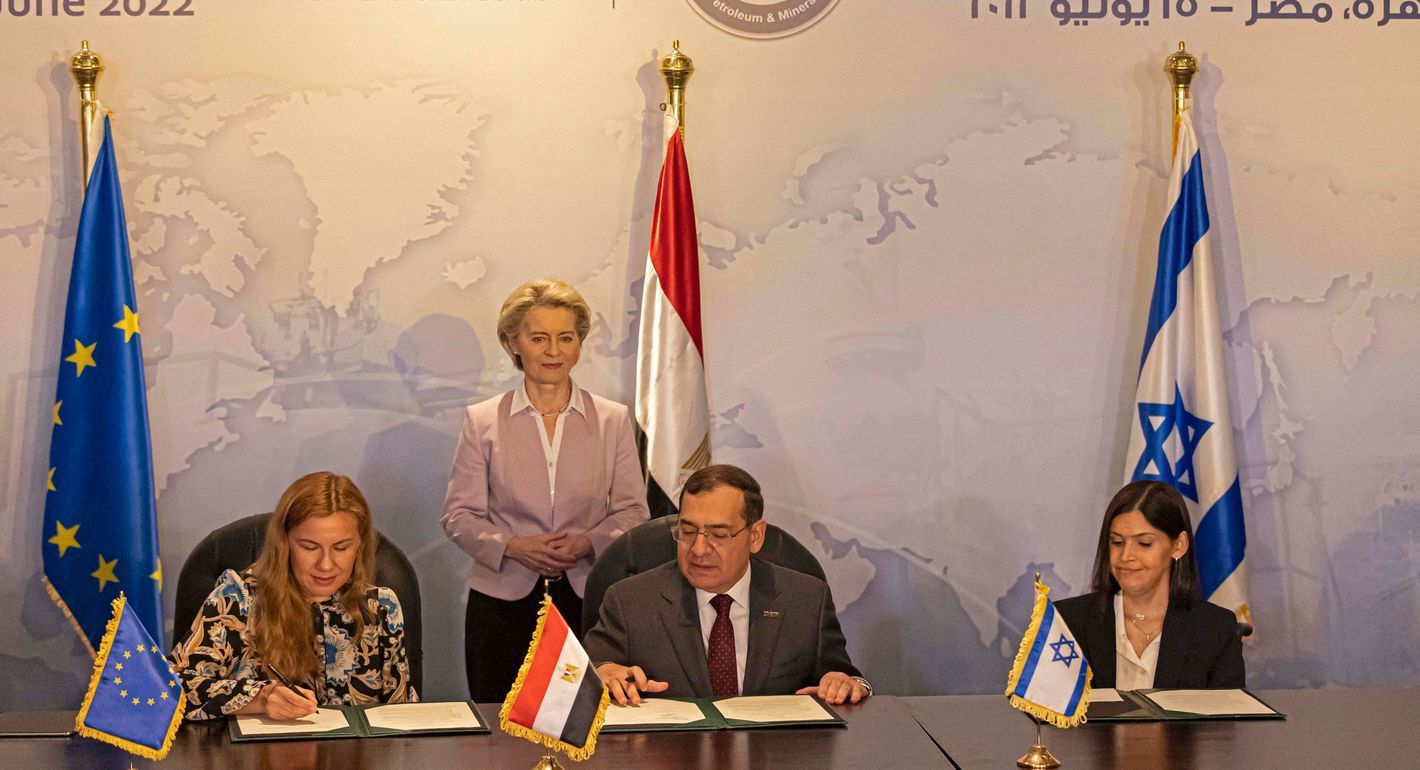
Can economic ties help contain conflict between Egypt and Israel, or do they simply postpone confrontation? Drawing on the German-Russian experience, the article examines how the gas deal creates mutual dependence, keeps channels of cooperation open, and raises the cost of conflict, without necessarily delivering lasting peace.

Nourhan Hefzy
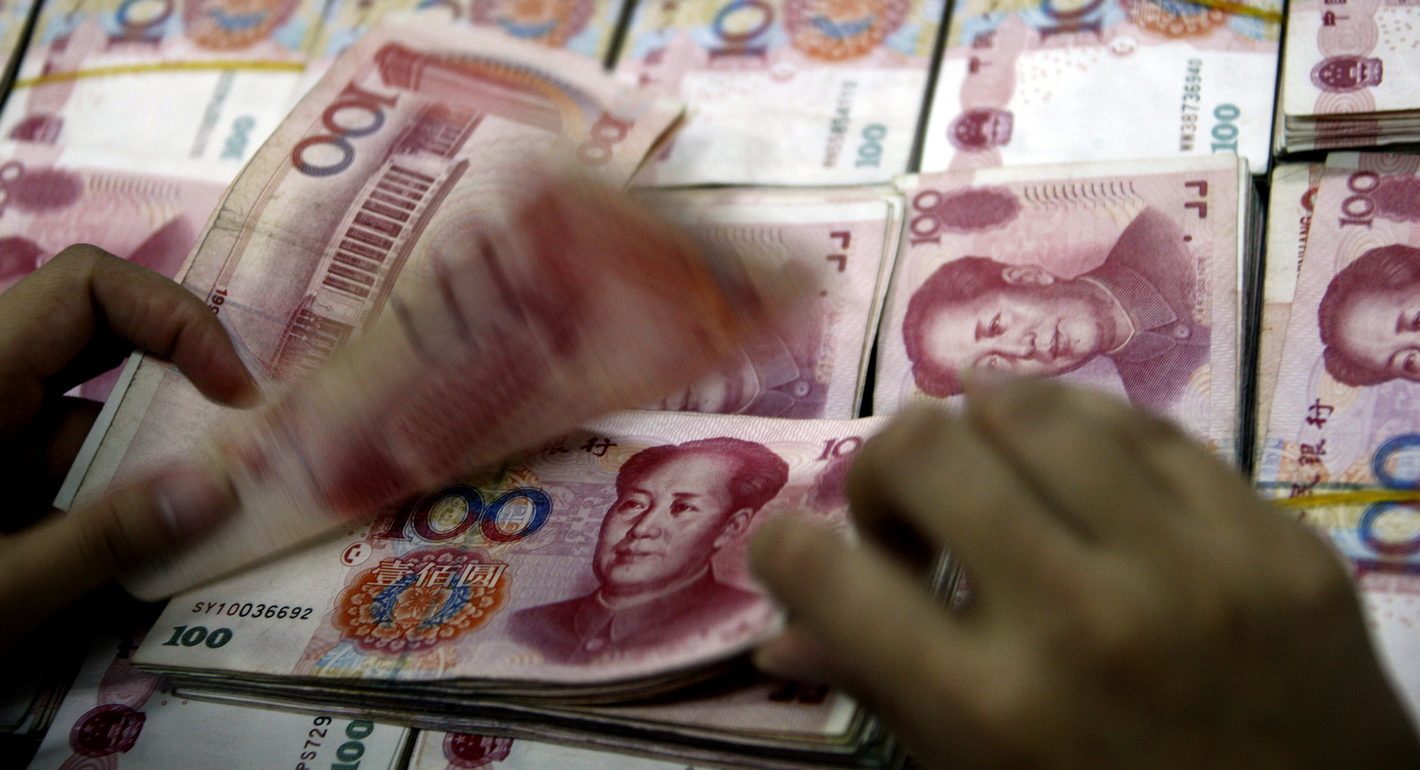
Is the Gulf moving beyond the dollar? This article examines how China is expanding the renminbi's role across Gulf markets, what that means for regional finance, and why the future of global currencies is more complex than the de-dollarization debate suggests.

Andrew Bonney
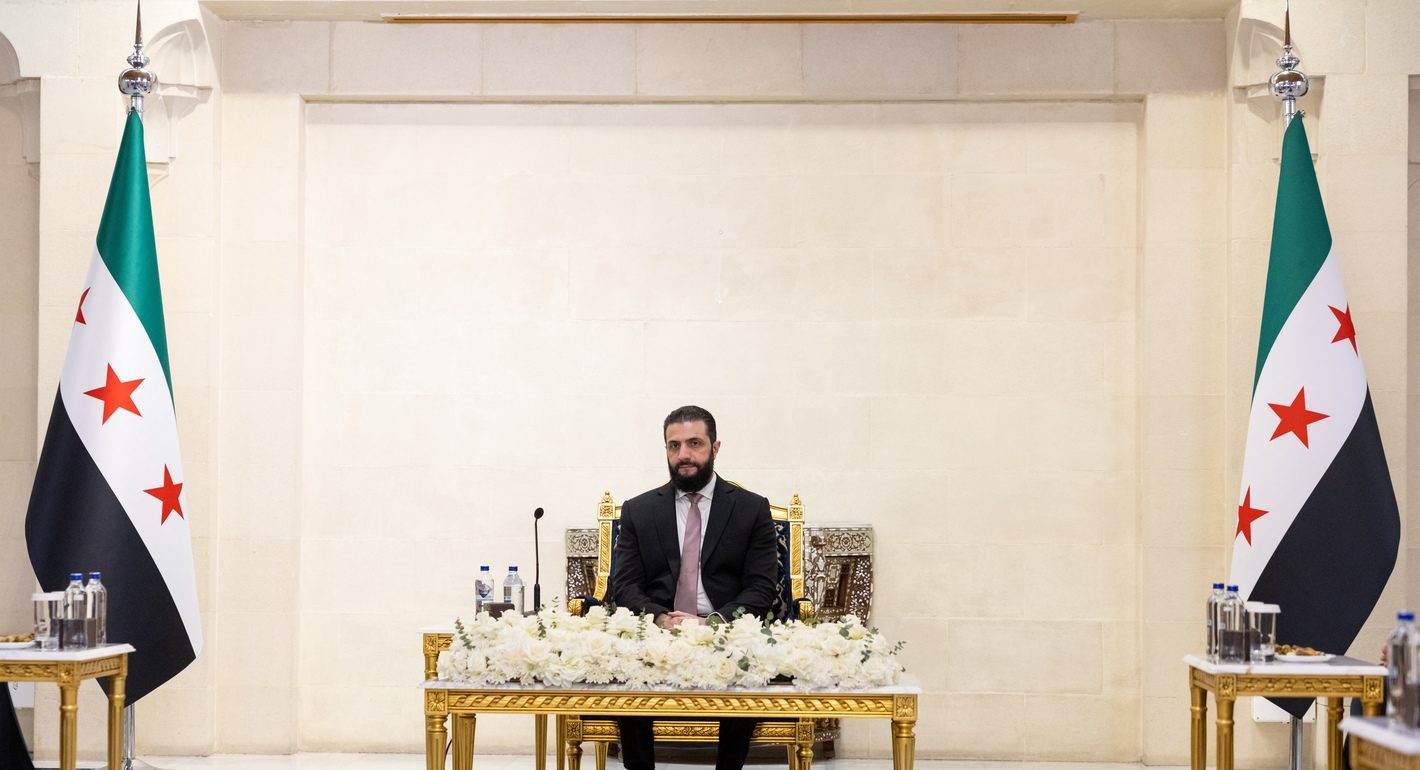
Syria's transition promised a fresh start. But are old habits of power making a comeback? This analysis looks at the warning signs and what it will take to build a more accountable state.

Sima Beitinjaneh
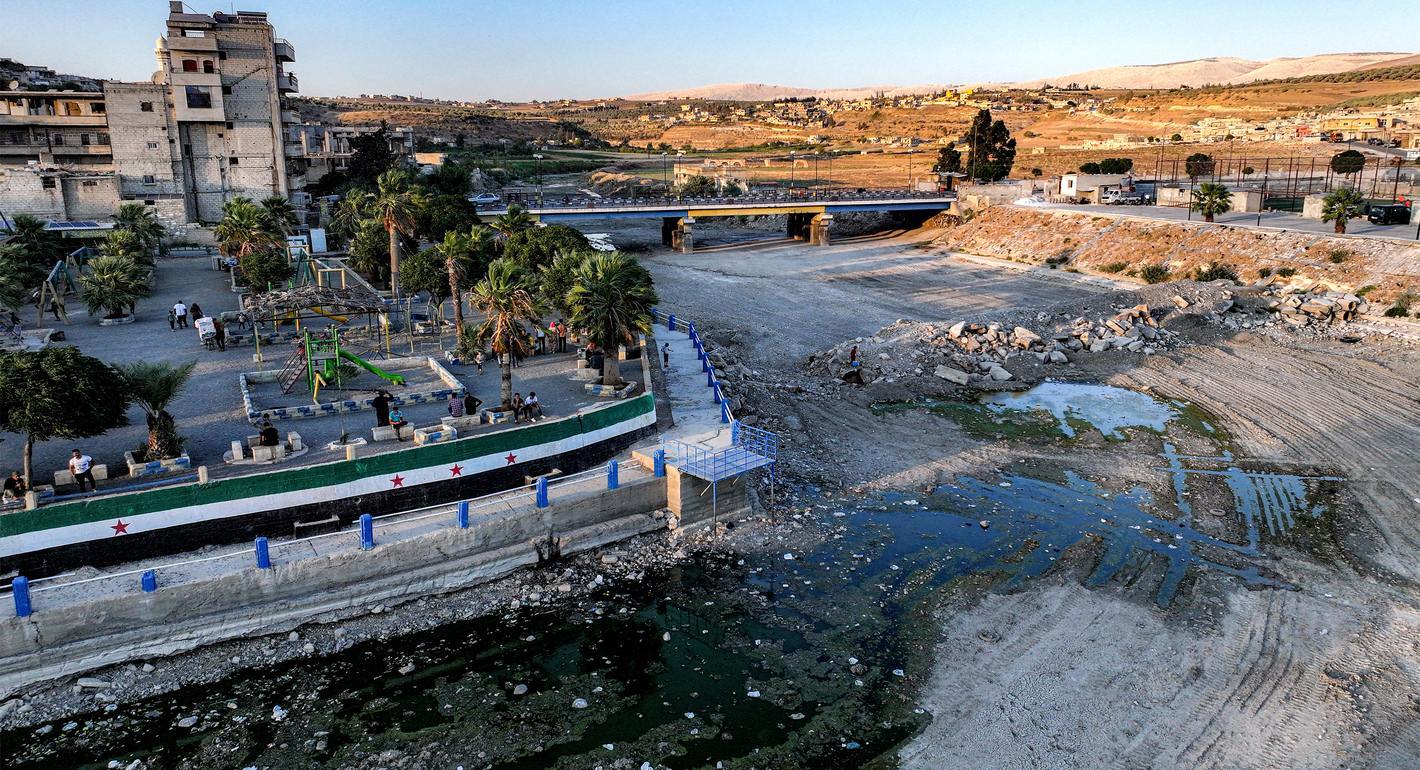
Syria’s worsening drought is no longer a seasonal crisis. This report explains what climate change is doing to rainfall, groundwater, and food security, and what solutions experts say are still possible.

Milia Esper
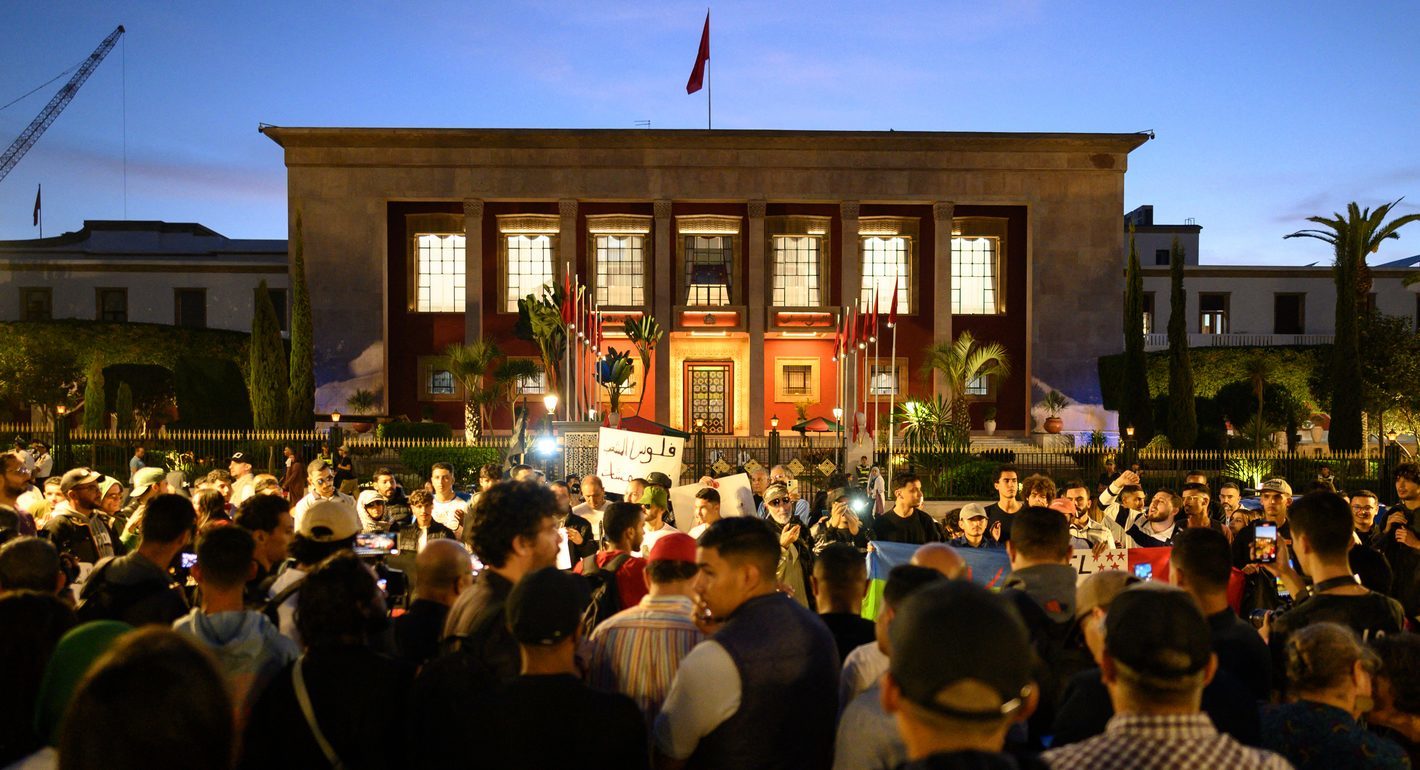
From anime heroes to online gaming communities, Morocco’s Gen Z is building a new protest culture. What does this digital imagination reveal about youth politics, and how should institutions respond?
Abdelilah Farah