

Commentary
From anime heroes to online gaming communities, Morocco’s Gen Z is building a new protest culture. What does this digital imagination reveal about youth politics, and how should institutions respond?
Abdelilah Farah
{
  "authors": [
    "Omar Ould Dedde O. Hammady",
    "Michael Meyer-Resende"
  ],
  "type": "commentary",
  "blog": "Sada",
  "centerAffiliationAll": "",
  "centers": [
    "Carnegie Endowment for International Peace"
  ],
  "collections": [],
  "englishNewsletterAll": "",
  "nonEnglishNewsletterAll": "",
  "primaryCenter": "Carnegie Endowment for International Peace",
  "programAffiliation": "",
  "programs": [],
  "projects": [],
  "regions": [
    "North Africa",
    "Libya"
  ],
  "topics": [
    "Democracy"
  ]
}
Source: Getty
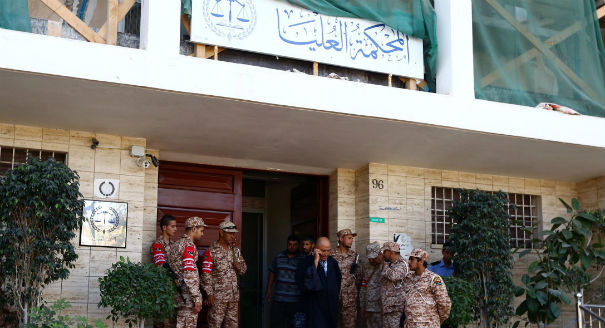
The dissolution of Libya’s House of Representatives is putting extra pressure on the Constitution Drafting Assembly to negotiate a new political order in the country.
Libya’s civil war has destroyed most of the nascent state institutions that emerged after the fall of Muammar Qaddafi. As such, the Constitution Drafting Assembly (CDA) is the remaining institution whose democratic legitimacy faces least dispute. However, internal tensions and external pressures could destroy this institution too, lowering the possibility of negotiating a new political order in Libya.
The Supreme Court’s dissolution of the House of Representatives on November 6, 2014 sent shockwaves through the national and international community. Even though its legitimacy was disputed, there was hope that a deal could be forged to restore its credibility and make it a key actor in peacemaking. In a very practical way, the dissolution of the House of Representatives has put the CDA more into the limelight, particularly in the eyes of the international community. The increasing focus on the CDA has created tensions within the body, which until now tried to maintain cohesion by keeping its distance from political polarization that is now taking the form of competing claims for legitimacy between two governments.
On a legal level, the Supreme Court’s reasoning could be seen to undermine the CDA and open the door to judicial challenges against it. Originally, the CDA was tasked to complete its work within 120 days. Since the CDA started its work on April 21, 2014, that deadline would have expired in August 2014. However, in March this year Libya’s parliament amended the constitutional declaration, which set the framework for the post-Qaddafi period, indicating that the forthcoming House of Representatives would provide democratic representation during an eighteen-month transitional period until the new constitution was adopted. This amendment was seen to implicitly extend the CDA’s deadline from 120 days to eighteen months. The recent Supreme Court decision declared the amendment to be unconstitutional, meaning that the legal basis for the House of Representatives disappeared, as well as the extended timeframe.
Technically the CDA could be seen as operating after the original deadline, but it is up for debate whether missing the old deadline invalidates the CDA’s legal basis or not. The best argument the assembly can now make against possible challenges to its legality and legitimacy is that, in a context of growing anarchy, the assembly has a strong democratic mandate, and that from now on it will determine its own timelines and adopt all acts that are necessary for the fulfillment of its tasks.
Yet the perception of its legitimacy will also be affected by the CDA’s performance. It will be more accepted if it can show its ability to find common ground between rival groups and present tangible progress in its original task of negotiating a new constitution. However, the CDA faces external pressures from Libya’s competing parliaments in Tripoli and Tobruk, their political stakeholders, and from the public. For example, in the past few weeks, both the General National Congress (GNC) in Tripoli and the House of Representatives in Tobruk requested an update on the progress of the CDA’s work—but any reports the CDA makes to either the GNC or the House of Representatives risk being interpreted as recognizing one parliament over the other.
In addition, the CDA is threatened by growing rifts within, with some members leaning more toward one camp or the other in Libya’s conflict. The members and the presidency are debating their respective competencies and the degree to which the CDA’s presidency can speak for the assembly as a whole. The presidency was eager to publish some concrete results, such as a first draft of the constitution by the end of December, as previously promised. It is now more likely that, in light of the pace of the assembly’s progress, it will only be in a position to release first conclusions on the main constitutional questions. The pressure is understandable: the CDA has to justify its usefulness and existence to avoid appearing as a mere relic of a failed transition. Yet many CDA members feel that they are still far from being able to present first conclusions. In more stable countries, constitution making often takes one or two years. Given the security situation in Libya and that the CDA is a collective, deliberative body, these members do not want to be steamrolled by their presidency or by the public into publishing something that they consider premature.
Both perspectives are reasonable: although the CDA has to give people confidence that it will deliver—and will communicate more effectively with the public—at the same time, a rushed process of publishing something without sufficient consensus in the CDA would be a pyrrhic victory. The most important priority for Libyans and the international community alike is to give CDA members the space to discuss their differences so they can come to a common understanding, based on sufficient discussion and debate, as soon as possible. They will need this space in the short term to present concrete results by the end of December, as well as in the long term toward completion of a draft. Such a scenario would also show that the CDA can overcome differences through negotiations, setting an important precedent in a polarized Libya.
The CDA has the potential to play a role in returning peace to Libya. After all, it is the democratically elected body tasked to find constitutional solutions to Libya’s major problems, including the management of oil resources, decentralization, minority rights, the role of religion, and the system of government. As a sovereign body, it can address the long-term questions that are central to negotiating peace between the many groups involved in Libya’s fighting. The challenge now is to keep the CDA insulated from the deepening divisions, while leveraging the outcome of these constitutional negotiations for establishing a lasting order. Libya still has the advantage of a rule-based process based on a democratic mandate. If it fails, it will pile more unresolved issues onto future peace negotiations.
Omar Ould Dedde O. Hammady and Michael Meyer-Resende are constitutional lawyers and, respectively, the Libya country director and the executive director at Democracy Reporting International (DRI). DRI supports the CDA through a project funded by the United Kingdom and Switzerland.
Omar Ould Dedde O. Hammady
Michael Meyer-Resende
Michael Meyer-Resende is the executive director at Democracy Reporting International.
Carnegie does not take institutional positions on public policy issues; the views represented herein are those of the author(s) and do not necessarily reflect the views of Carnegie, its staff, or its trustees.
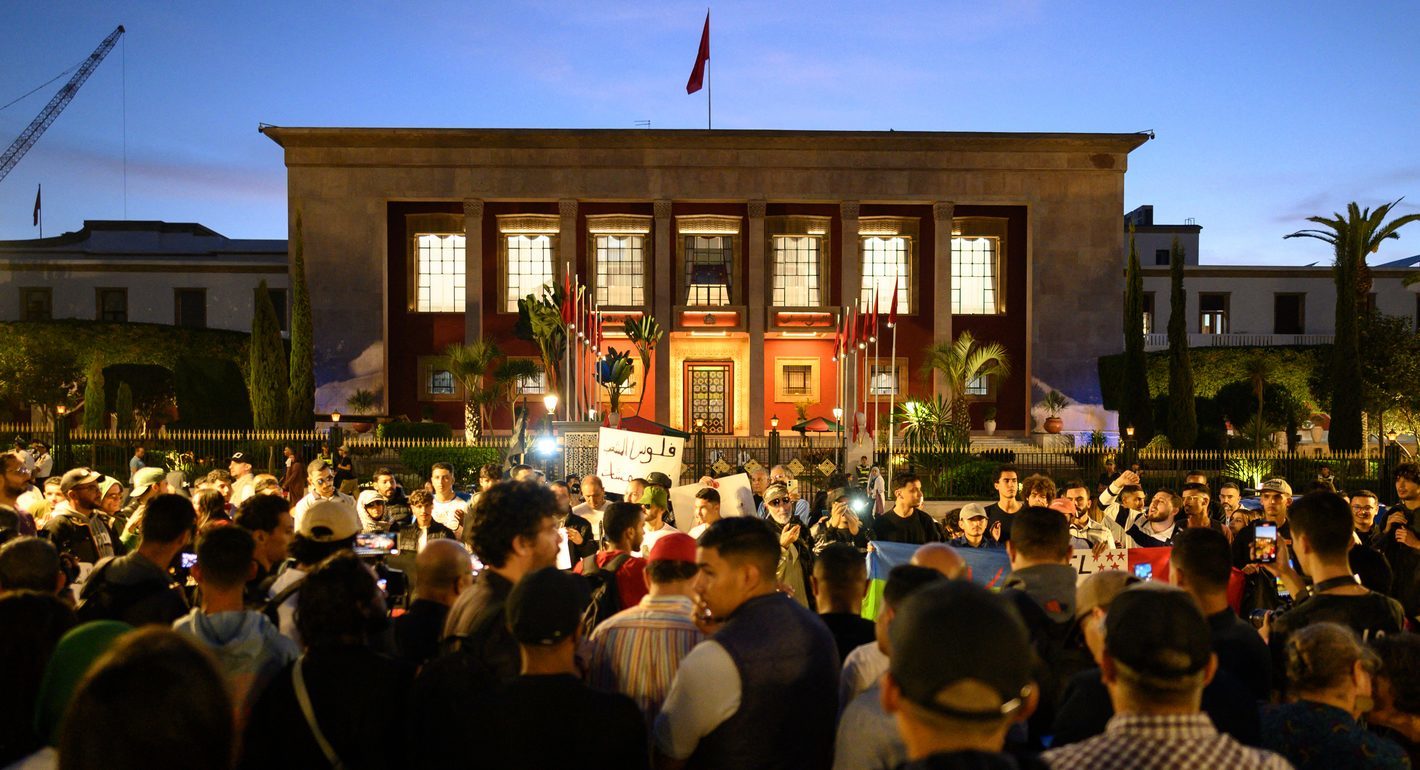
From anime heroes to online gaming communities, Morocco’s Gen Z is building a new protest culture. What does this digital imagination reveal about youth politics, and how should institutions respond?
Abdelilah Farah
While Morocco’s shift to a digitized social targeting system improves efficiency and coordination in social programs, it also poses risks of exclusion and reinforces austerity policies. The new system uses algorithms based on socioeconomic data to determine eligibility for benefits like cash transfers and health insurance. However, due to technical flaws, digital inequality, and rigid criteria, many vulnerable families are unfairly excluded.
Abderrafie Zaanoun
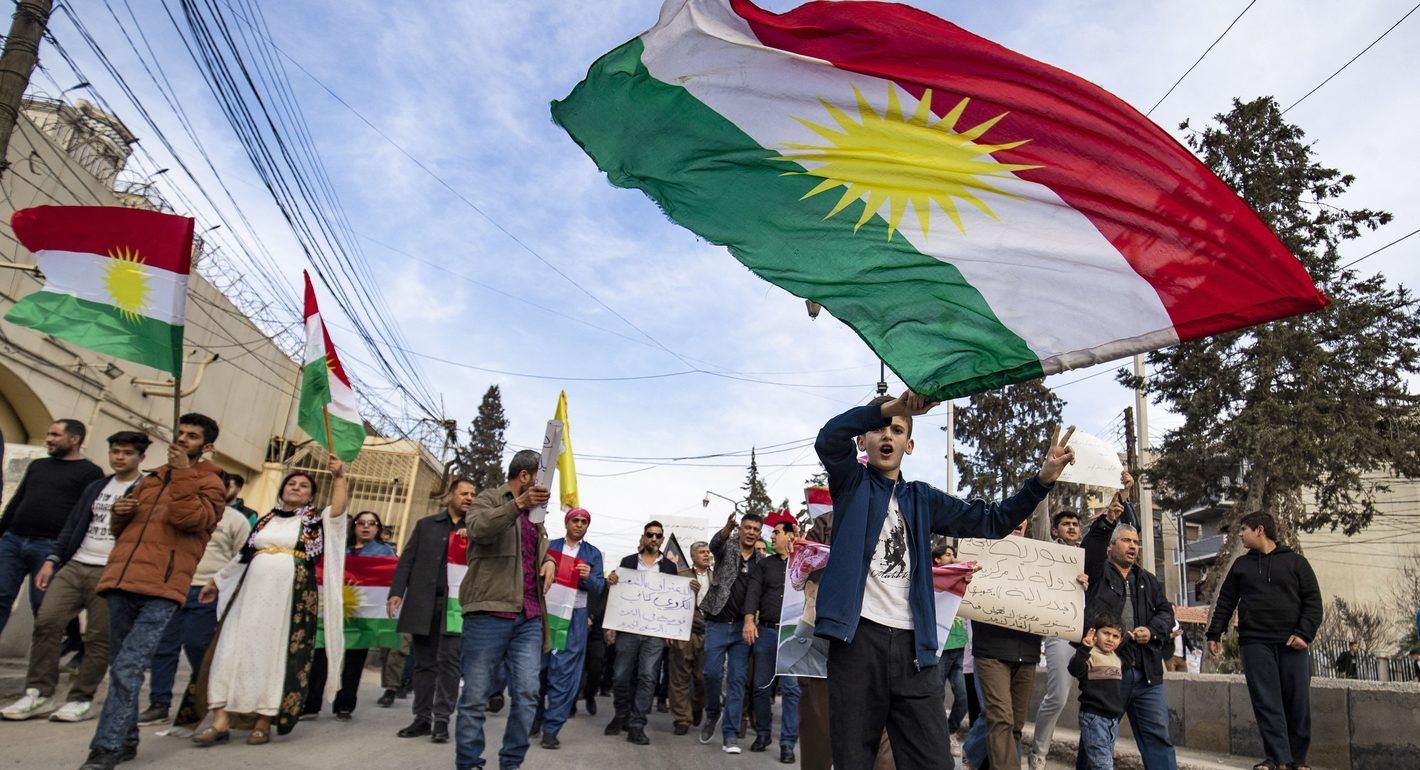
Saudi Arabia’s cautious stance on the Syrian Kurds reflects a delicate balance between leveraging Kurdish autonomy to counter Iran’s influence and managing the risks of destabilizing Syria’s territorial integrity. While Saudi Arabia seeks to safeguard its interests in the region, it remains wary of the potential internal and external consequences of supporting Kurdish autonomy.
Mohammad Salami
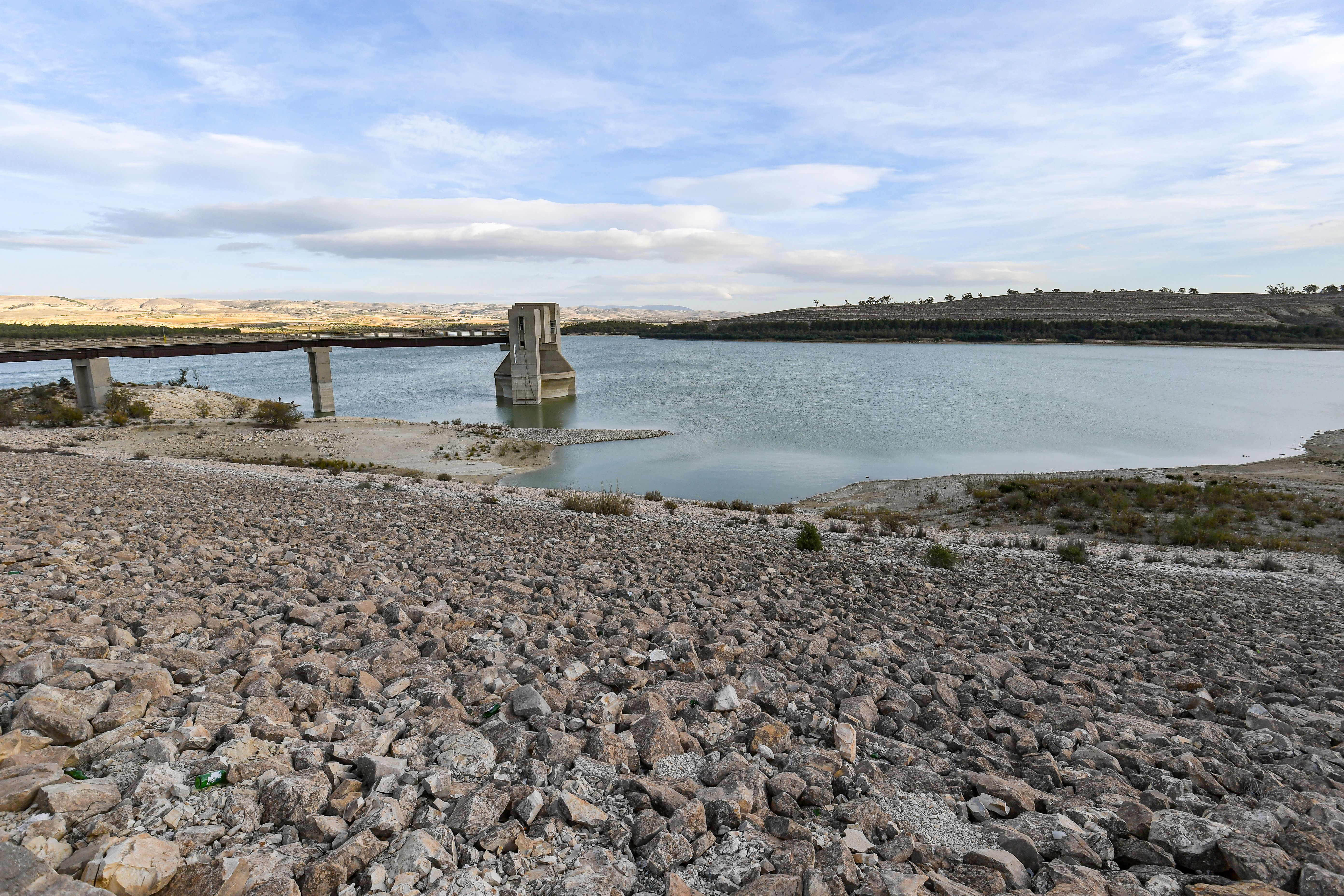
Tunisia is facing a worsening water crisis characterized by widespread protests over access to potable water, particularly in rural areas with underdeveloped supply networks. This situation is exacerbated by climate change, outdated agricultural policies, and industrial water consumption, necessitating comprehensive policy reforms to secure Tunisians’ constitutional right to water and ensure equitable access across the country.
Noura Omar
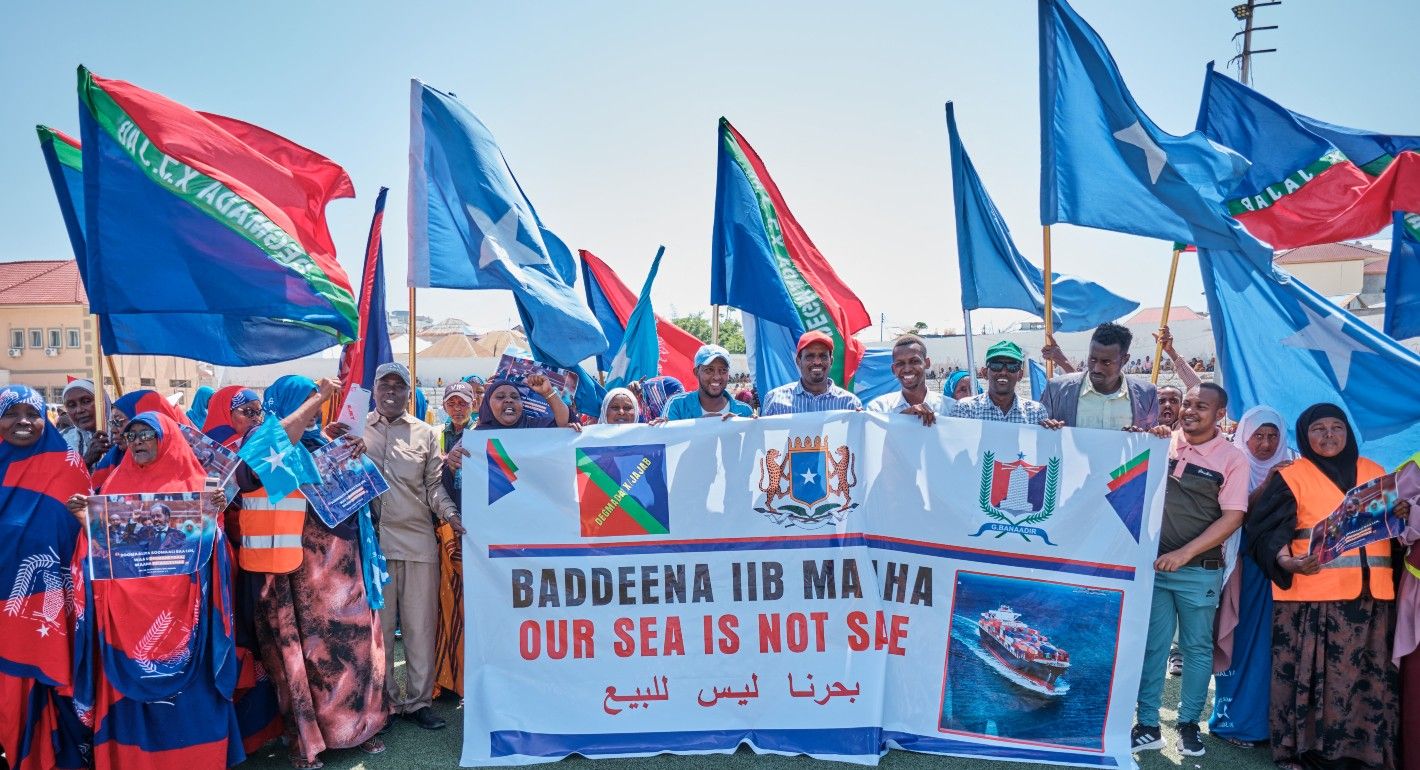
As hegemonic Ethiopian ambitions threaten stability in the Horn of Africa, Somalia is building strategic alliances regionally and internationally to counter Ethiopia’s growing political and military influence.
Hisham Qadri Ahmed