The Priest’s Daughter Battles Society and the Pandemic
As her business struggled to stay afloat during the COVID-19 pandemic, she was forced to sell her jewelry and furniture to survive. Her world was utterly shattered, however, when the virus claimed her father’s life. Nadia, the stricken daughter of a priest, tells her story.
Link Copied
By Film Producer
Published on Sep 27, 2021
I was defeated by the pandemic. When my father died, I knew for the first time the bitter taste of loss, and when the pandemic forced me to bury him alone, my grief became insurmountable. I had hoped that when the people whose lives he touched – whether Christians or Muslims, whether from Cairo or from my hometown in Minya – would come to console me, I would be able to recover a little and gather what was left of my strength, but I was denied even this small comfort as I was diagnosed with the coronavirus immediately after he passed.
Right before my father’s death, I rented a beautiful house in an elegant residential compound on the outskirts of Cairo called Janna (paradise). To me, it was paradise, and the house glimmering under the sun and air made me feel safe. The neighborhood was peaceful, and I relished in my freedom to stroll around with my five-year-old daughter without fearing street thugs, who left no woman in peace. Growing up in Maghagha, Minya, I learned at an early age to live in fear of harassers, as no woman, regardless of her age or religion, could avoid them.
Living in Janna also gave me the confidence and the independence I needed after my divorce. I had a budding private business which enabled me to afford a new life where I felt safe and happy, and it even helped me start to pursue my lifelong dream of doing a Master’s degree abroad. But then, like a bolt of lightning, the pandemic hit and stripped me of my strength, my financial security, and my father, the Reverend Adel Hakim, who was my rock.
At this crucial moment in my life, while I was trying to recover from a failing marriage and reorganize my priorities, I was stopped dead in my tracks. All my life I had fought to find my place, attain my freedom, stand tall and shield myself against ceaseless attacks by a male dominated society that relishes the destruction of women’s confidence. Being the daughter of a great man, I didn’t hesitate to terminate my miserable marriage knowing only too well, being a Christian, the bitter consequences of my decision.
My father Reverend Adel Hakim was an Evangelical Protestant1 priest who managed to find his way into the hearts of all those who knew him, regardless of their sect or orientation, whether Muslim or Christian. He was a preeminent figure in my hometown where I lived until the 2011 uprising, and it was his strength of character and power of conviction that filled me with the confidence to become the powerful woman I am proud to be today.
This upbringing was my curse and my blessing all at once. I was cursed with my unrelenting abhorrence of weakness and all signs of despondency, and blessed with a yearning to pursue my dreams no matter how impossible they seemed.
I am now striving to get back on track with my studies and working hard to provide for my daughter, just like my father did for me. And although I am unsure what life will throw at me now that I am without the support of my reverend father, I know that all the good he instilled in me will blossom and help me brave the psychological, social, and economic hardships of this pandemic.
1 A sect that is followed by 2 million people out of the 12 million Christians in Egypt.
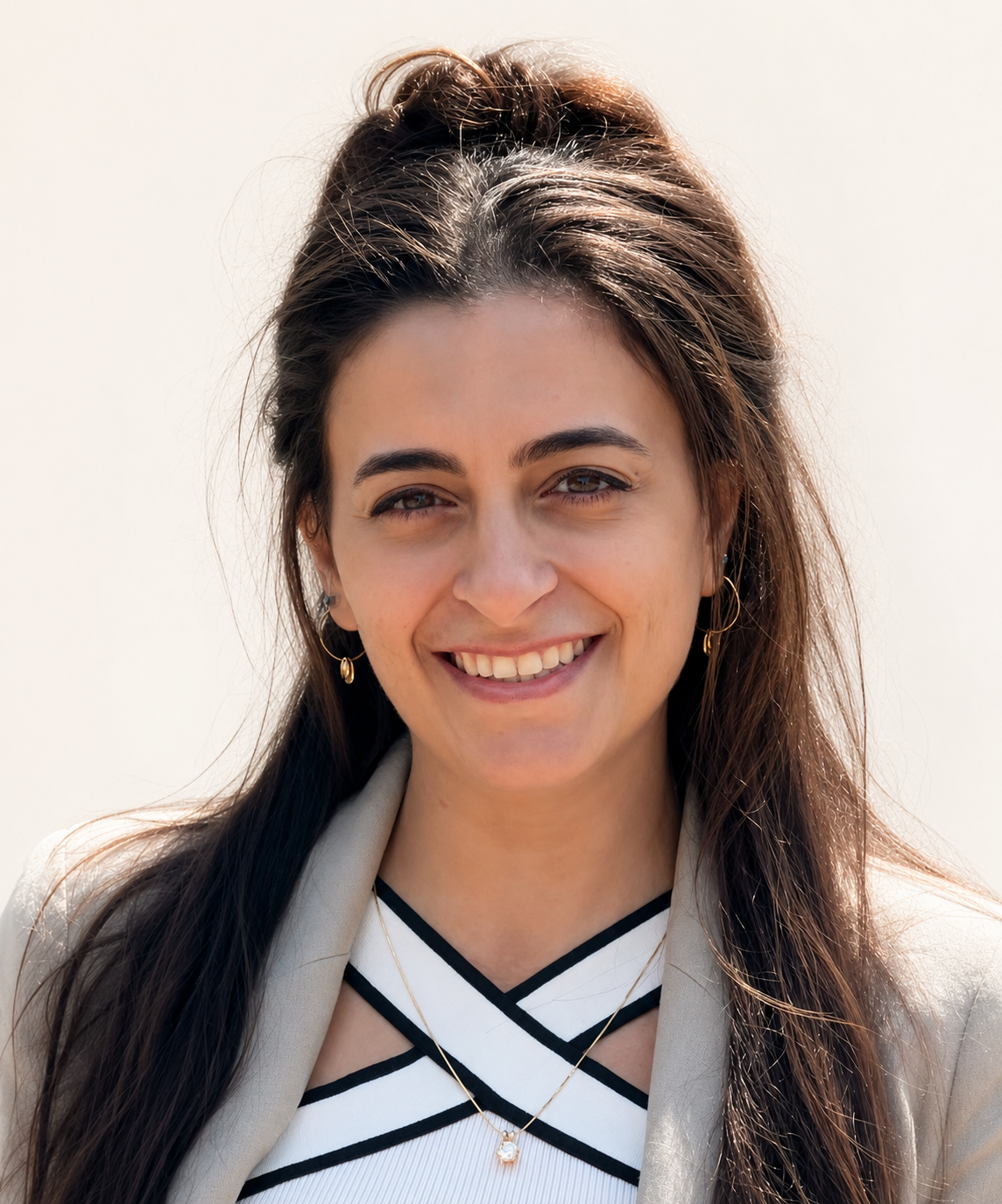
The Film producer tells the story of Nadia the priest's daughter who is Sada’s Egypt documentary storyteller.
Carnegie does not take institutional positions on public policy issues; the views represented herein are those of the author(s) and do not necessarily reflect the views of Carnegie, its staff, or its trustees.
Can economic ties help contain conflict between Egypt and Israel, or do they simply postpone confrontation? Drawing on the German-Russian experience, the article examines how the gas deal creates mutual dependence, keeps channels of cooperation open, and raises the cost of conflict, without necessarily delivering lasting peace.
While Morocco’s shift to a digitized social targeting system improves efficiency and coordination in social programs, it also poses risks of exclusion and reinforces austerity policies. The new system uses algorithms based on socioeconomic data to determine eligibility for benefits like cash transfers and health insurance. However, due to technical flaws, digital inequality, and rigid criteria, many vulnerable families are unfairly excluded.
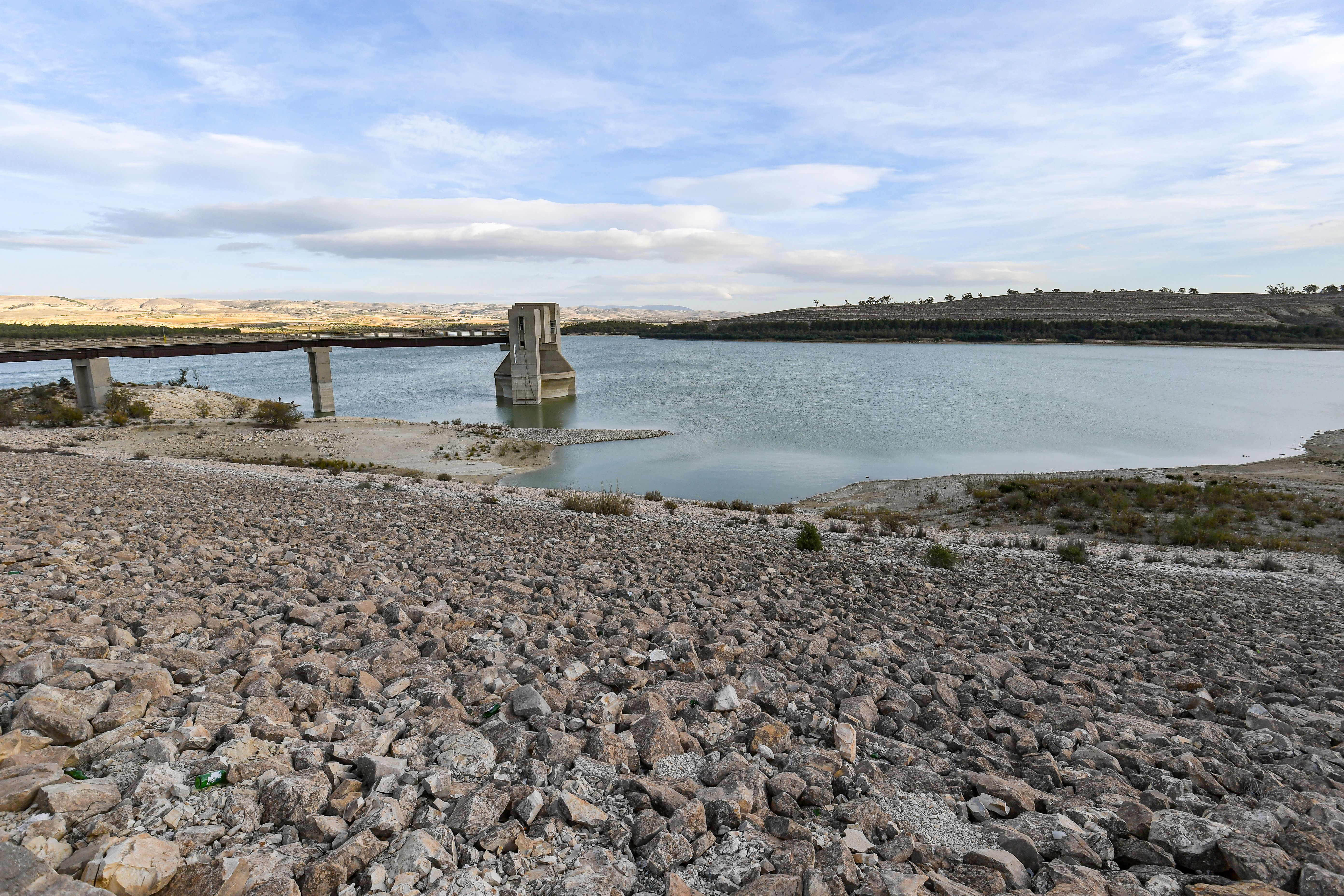
Tunisia is facing a worsening water crisis characterized by widespread protests over access to potable water, particularly in rural areas with underdeveloped supply networks. This situation is exacerbated by climate change, outdated agricultural policies, and industrial water consumption, necessitating comprehensive policy reforms to secure Tunisians’ constitutional right to water and ensure equitable access across the country.
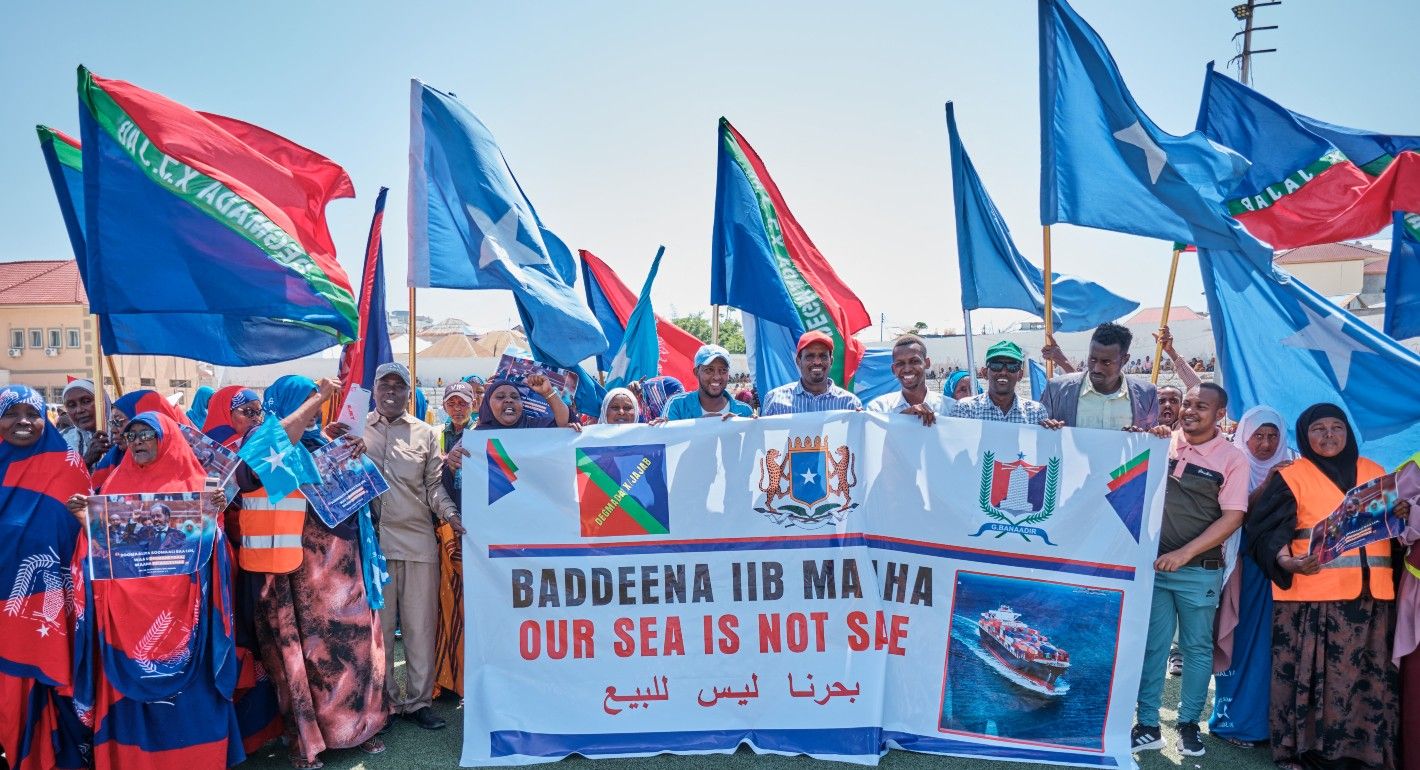
As hegemonic Ethiopian ambitions threaten stability in the Horn of Africa, Somalia is building strategic alliances regionally and internationally to counter Ethiopia’s growing political and military influence.
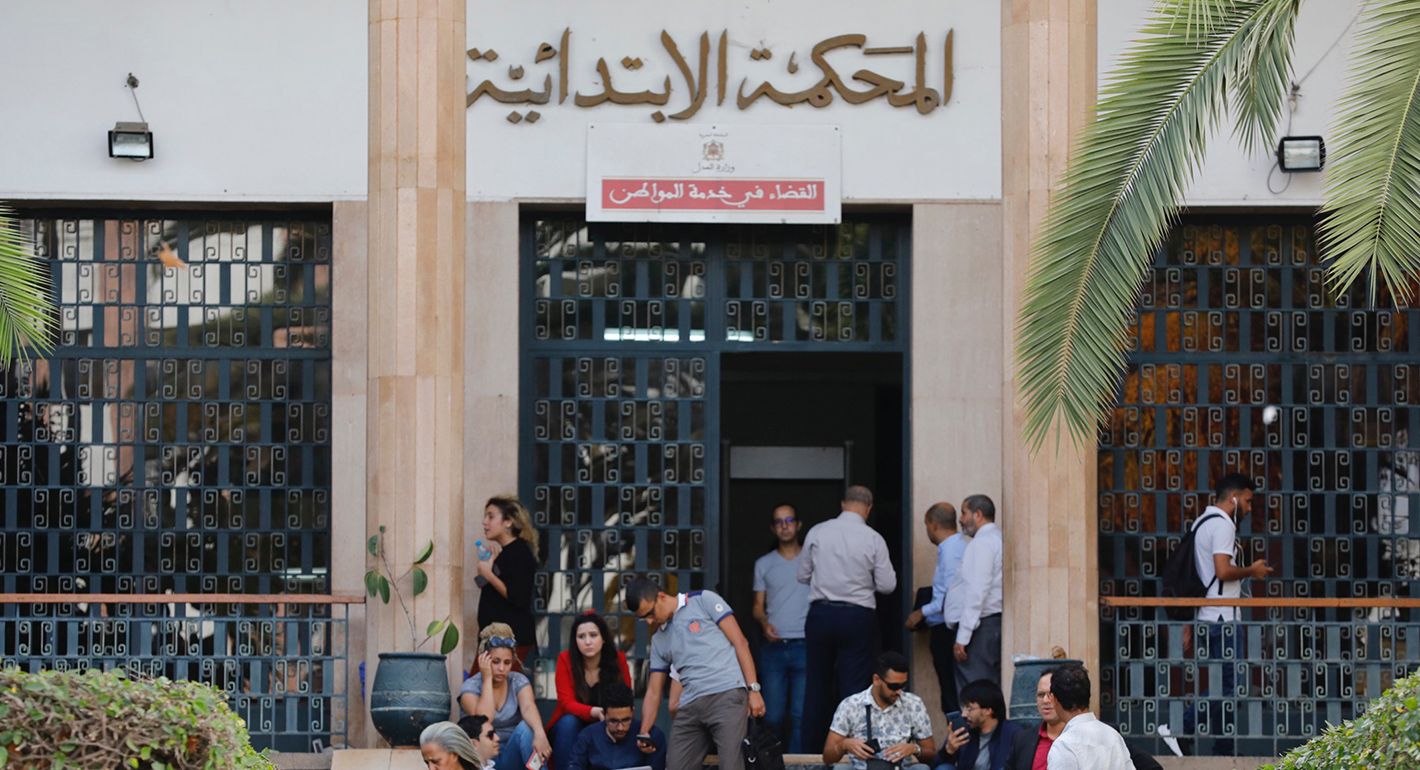
The Moroccan government’s decision to bar civil society from filing public actions in cases of public fund and property offenses has stirred debate, with critics warning it sidelines crucial players in the fight against corruption.