

Commentary
From anime heroes to online gaming communities, Morocco’s Gen Z is building a new protest culture. What does this digital imagination reveal about youth politics, and how should institutions respond?
Abdelilah Farah
{
  "authors": [
    "Mohamed Al-Fawiris"
  ],
  "type": "commentary",
  "blog": "Sada",
  "centerAffiliationAll": "dc",
  "centers": [
    "Carnegie Endowment for International Peace"
  ],
  "collections": [],
  "englishNewsletterAll": "menaTransitions",
  "nonEnglishNewsletterAll": "",
  "primaryCenter": "Carnegie Endowment for International Peace",
  "programAffiliation": "MEP",
  "programs": [
    "Middle East"
  ],
  "projects": [],
  "regions": [
    "North Africa",
    "Algeria",
    "Morocco"
  ],
  "topics": []
}
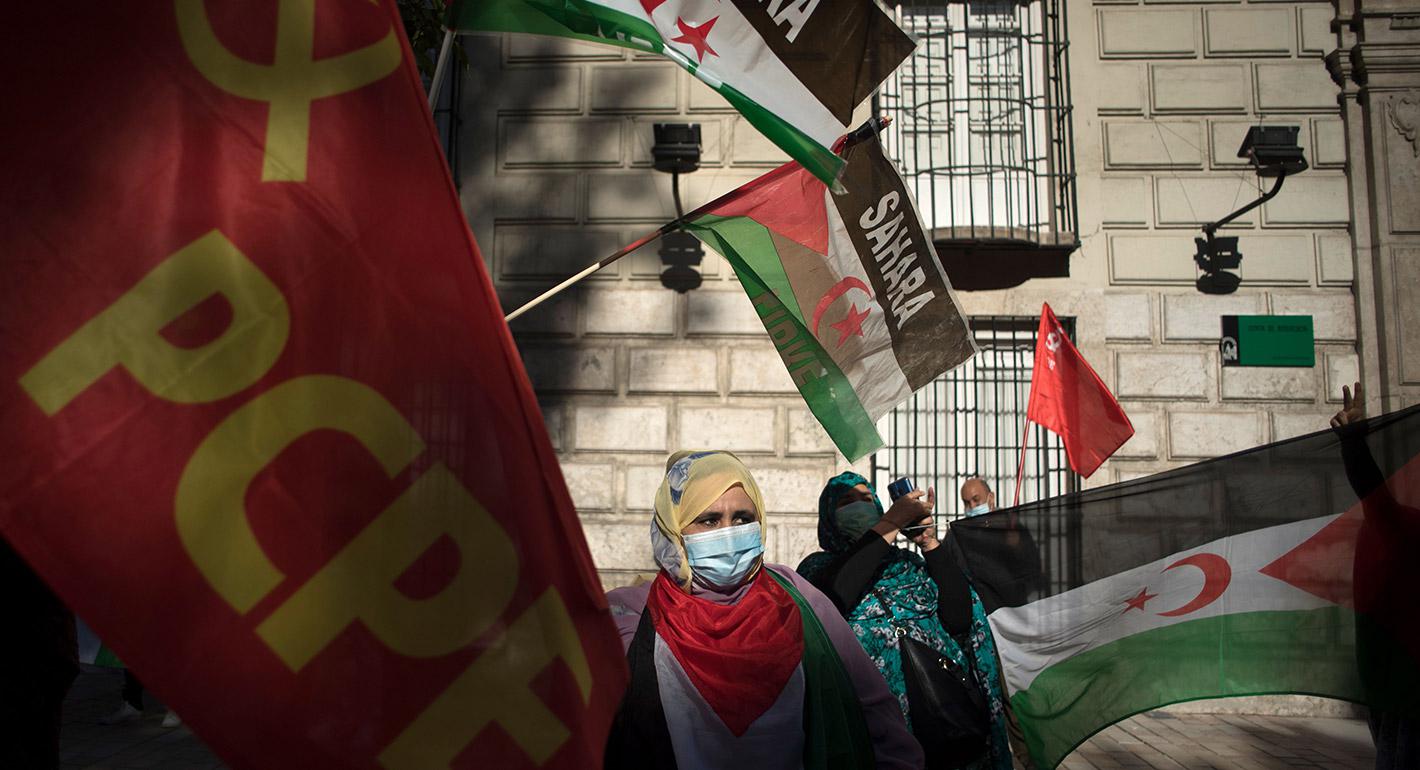
Source: Getty
As a result of Spain reversing its position on the Western Sahara in favor of Morocco’s autonomy plan, Algeria has suspended its long-standing friendship treaty with Madrid.
On June 8, 2022, Algeria announced the suspension of a two-decade-old treaty of friendship, good neighborliness, and cooperation with Spain. This decision came as a blow to relations between Algiers and Madrid, which had already been deteriorating since Spain backed Morocco’s position on the disputed territory of Western Sahara. Both countries issued official statements to clarify and defend their views while the EU—concerned about the economic ramifications of the Algerian move—urged Algeria to reverse its “deeply worrying” decision that directly violates the 2005 EU-Algeria partnership agreement.
Algeria’s response to the Spanish move was shocking because other Western countries—including stronger and more prominent states—have taken more drastic steps that incurred a considerably milder reaction from Algeria. The United States, during the Trump administration, declared that it recognizes “Moroccan sovereignty over the entire Western Sahara territory,” ultimately opening a consulate in Dakhla. The Americans even went further to affirm their support for the Moroccan proposal to grant limited autonomy to Sahrawis living under Moroccan control. Germany also changed its position on Western Sahara following the election of a new chancellor at the end of 2021. The newly elected German government, attempting to overcome a long period of tension with Morocco, described the Moroccan autonomy plan as an “important contribution” to end the Western Sahara conflict.
The Western Sahara conflict has always been at the heart of Moroccan-Algerian relations and has always affected their interactions with their European and African neighbors. Often, concerned international actors, such as the UN Human Rights Council, have tried to facilitate a de-escalation of tensions between the two Maghreb countries. Therefore, when Spain—a prominent partner for both countries—failed to strike a balanced position that could help reduce tensions, Algeria was quick to escalate by explicitly denouncing the Spanish shift in policy and declaring that the Spanish position contradicts international legal decisions as well as the traditional position of the Spanish government.
Morocco, on the other hand, has been acting with increasing assertiveness in regard to its sovereignty over the disputed territory. In fact, King Mohammad VI announced in a recent speech that Moroccan relations with other countries would be based mainly on respect for Moroccan sovereignty over Western Sahara.
Amidst the Algerian diplomatic spat with Spain over the status of Western Sahara, the Algerian Foreign Office has been hard at work strengthening economic and political relations with Italy, Spain’s long-standing partner, and with France, Morocco's greatest ally. France, with whom Algeria shares a long and a stormy history, has always been openly supportive of Morocco’s right to defend its “territorial integrity.”
Algerian overtures to Italy culminated in the official visit of Algerian President Abdelmadjid Tebboune on May 25, 2022. Tebboune held bilateral talks with his Italian counterpart and signed an important energy agreement with Italy that paves the way for Algeria to become Italy’s largest gas supplier. Before tensions rose, Algeria was Spain’s largest gas supplier, and Madrid received its share of Algerian gas through the trans-Moroccan pipeline. However, as Algerian-Moroccan relations deteriorated and Algeria feared that Spain would sell Algerian gas to Morocco, Algiers stipulated that the gas supplied to Spain should not be re-exported to any other country, namely Morocco. Furthermore, as a punitive measure, the Algerian government recently decided that the gas that was intended to reach Spain will now be diverted to Italy.
The strain that was placed on Spanish-Algerian relations due to the change in the former’s position on Western Sahara raises many questions about the future of Moroccan and Algerian relations with EU member states. How will Algeria react if other EU states decide to adopt the Spanish position, thus supporting the autonomy proposal? Will the divergent Moroccan and Algerian positions ever become aligned in a way that will bring the diplomatic impasse between the two countries to an end? Will their conflicting perspectives on Western Sahara only be resolved with the help of international efforts? Only time will tell, but recent developments indicate further tensions ahead.
Mohamed Al-Fawiris is a Moroccan journalist, researcher, and PhD candidate at the Faculty of Arts and Humanities Sais (Fez). He is interested in studying the impact of the digital age on media practices.
Mohamed Al-Fawiris
Carnegie does not take institutional positions on public policy issues; the views represented herein are those of the author(s) and do not necessarily reflect the views of Carnegie, its staff, or its trustees.
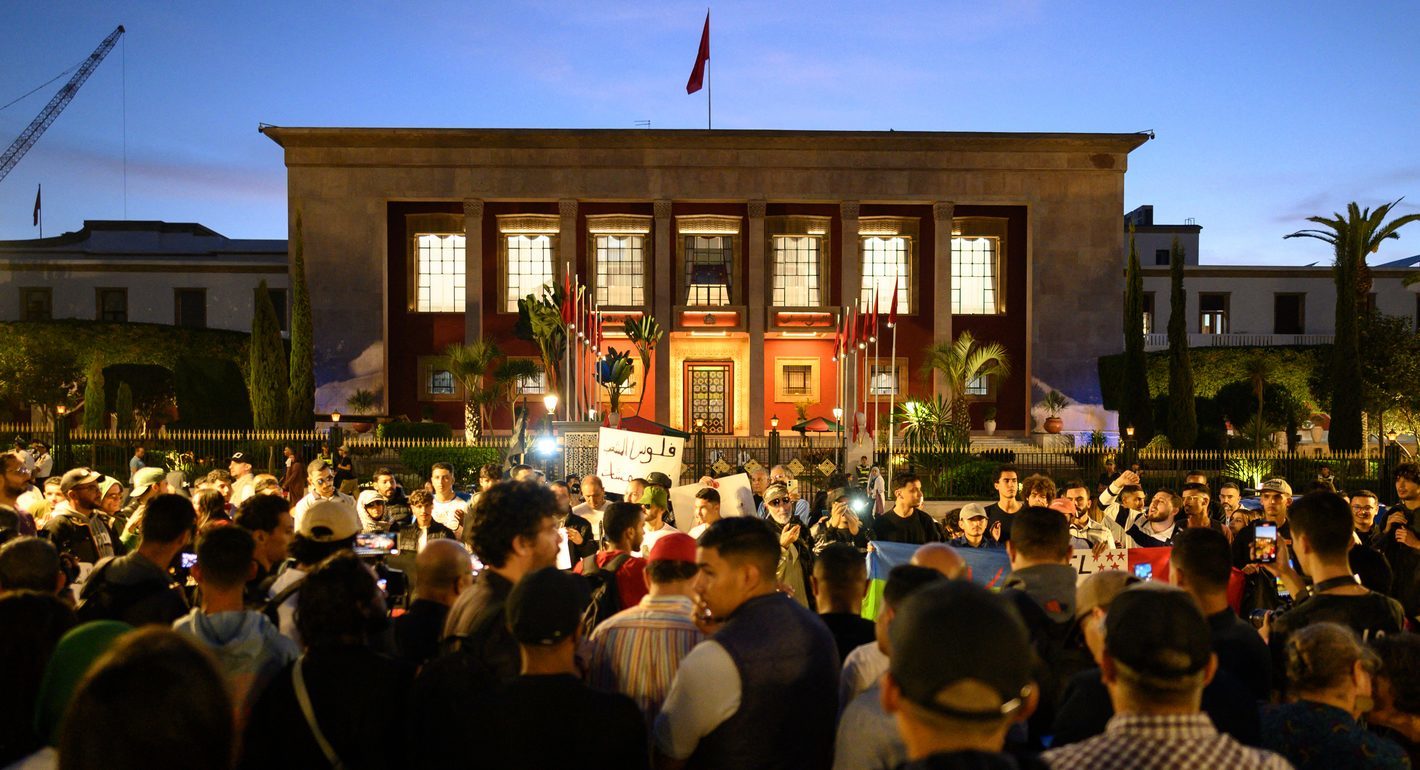
From anime heroes to online gaming communities, Morocco’s Gen Z is building a new protest culture. What does this digital imagination reveal about youth politics, and how should institutions respond?
Abdelilah Farah
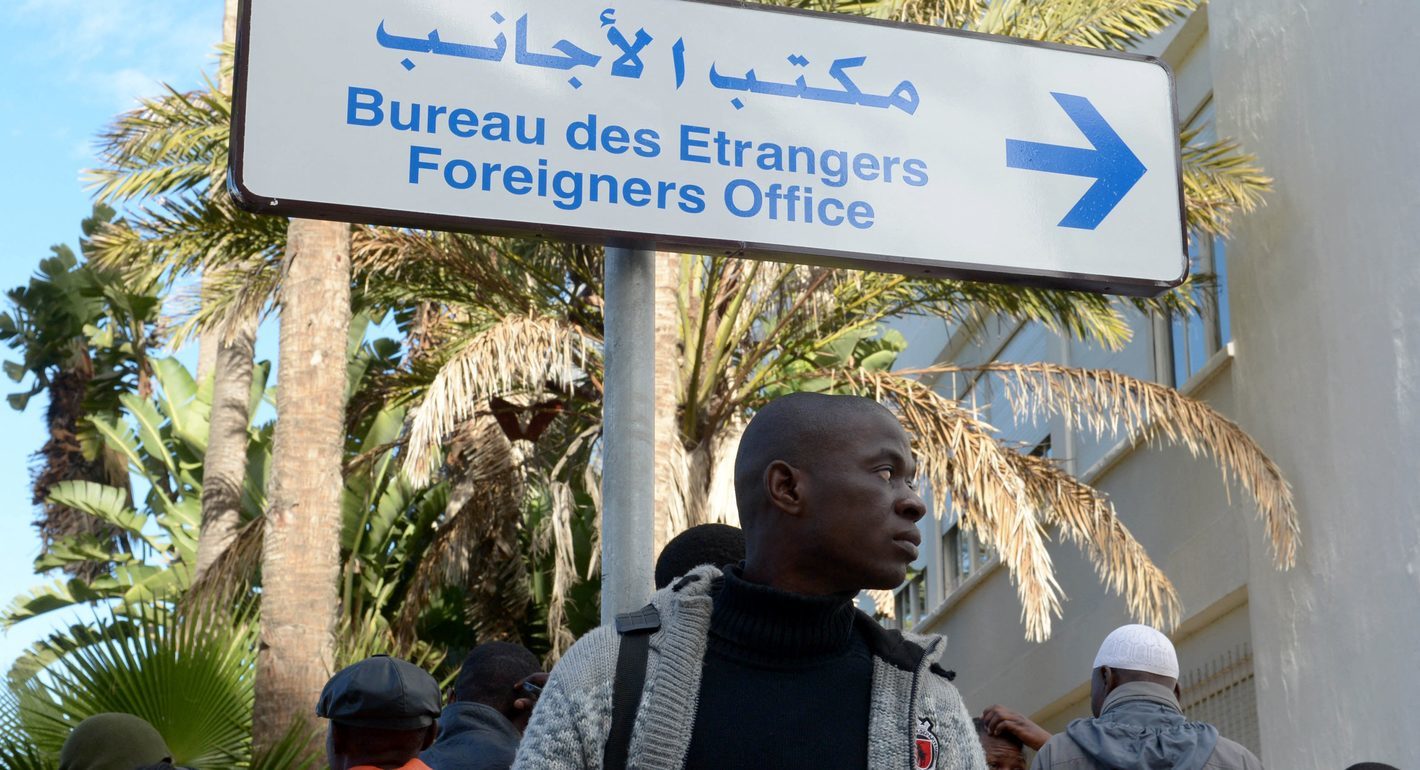
Is Morocco’s migration policy protecting Sub-Saharan African migrants or managing them for political and security ends? This article unpacks the gaps, the risks, and the paths toward real rights-based integration.
Soufiane Elgoumri
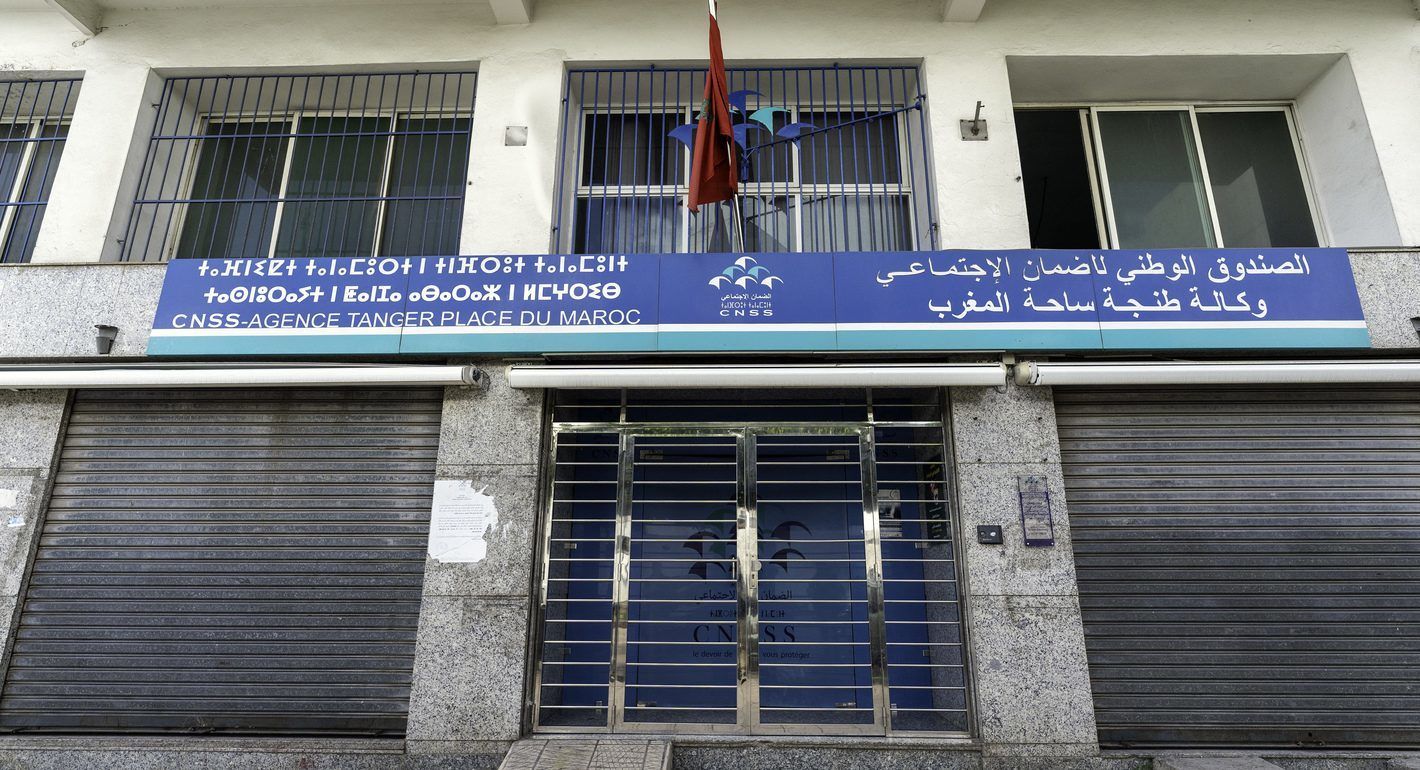
While Morocco’s shift to a digitized social targeting system improves efficiency and coordination in social programs, it also poses risks of exclusion and reinforces austerity policies. The new system uses algorithms based on socioeconomic data to determine eligibility for benefits like cash transfers and health insurance. However, due to technical flaws, digital inequality, and rigid criteria, many vulnerable families are unfairly excluded.
Abderrafie Zaanoun
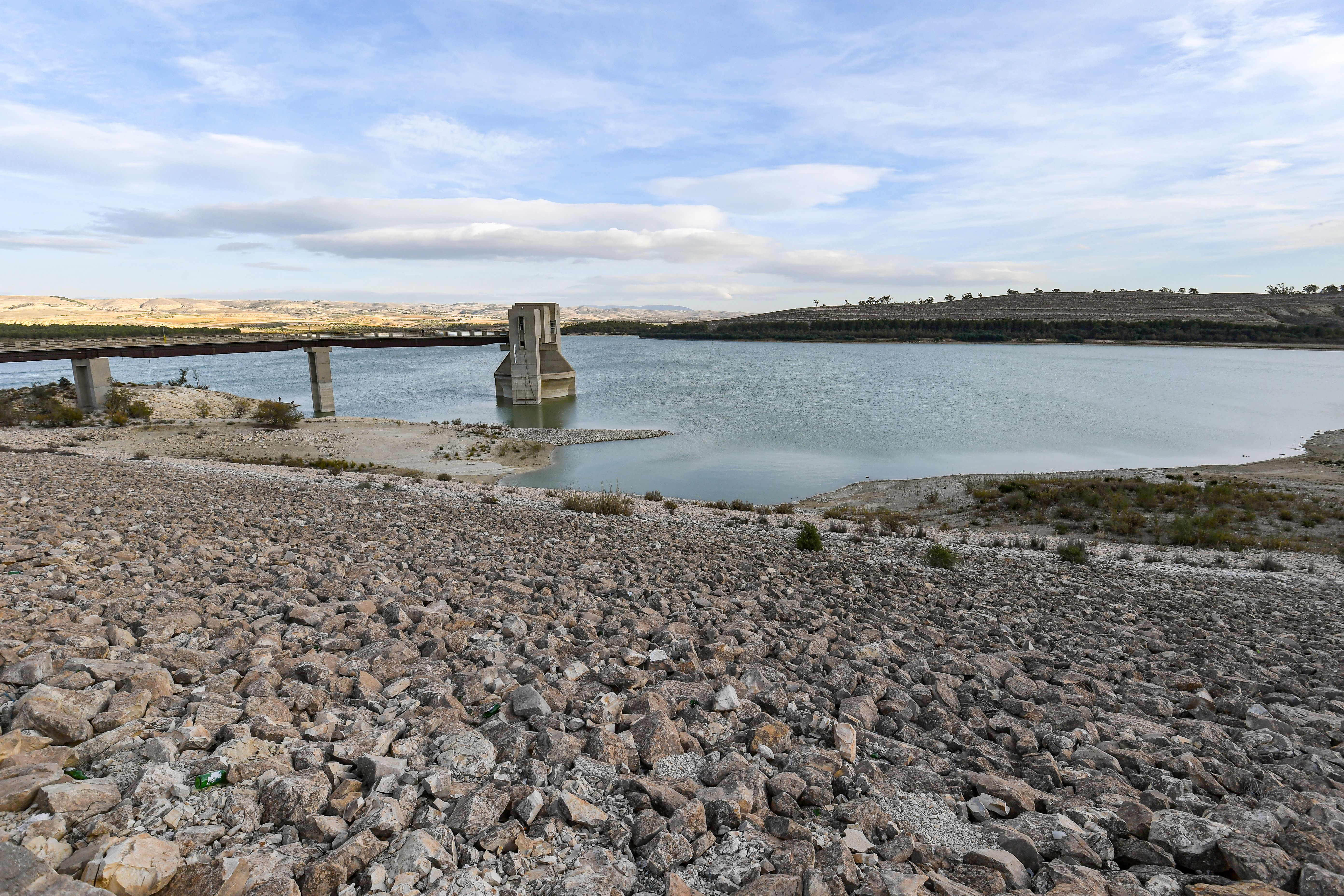
Tunisia is facing a worsening water crisis characterized by widespread protests over access to potable water, particularly in rural areas with underdeveloped supply networks. This situation is exacerbated by climate change, outdated agricultural policies, and industrial water consumption, necessitating comprehensive policy reforms to secure Tunisians’ constitutional right to water and ensure equitable access across the country.
Noura Omar
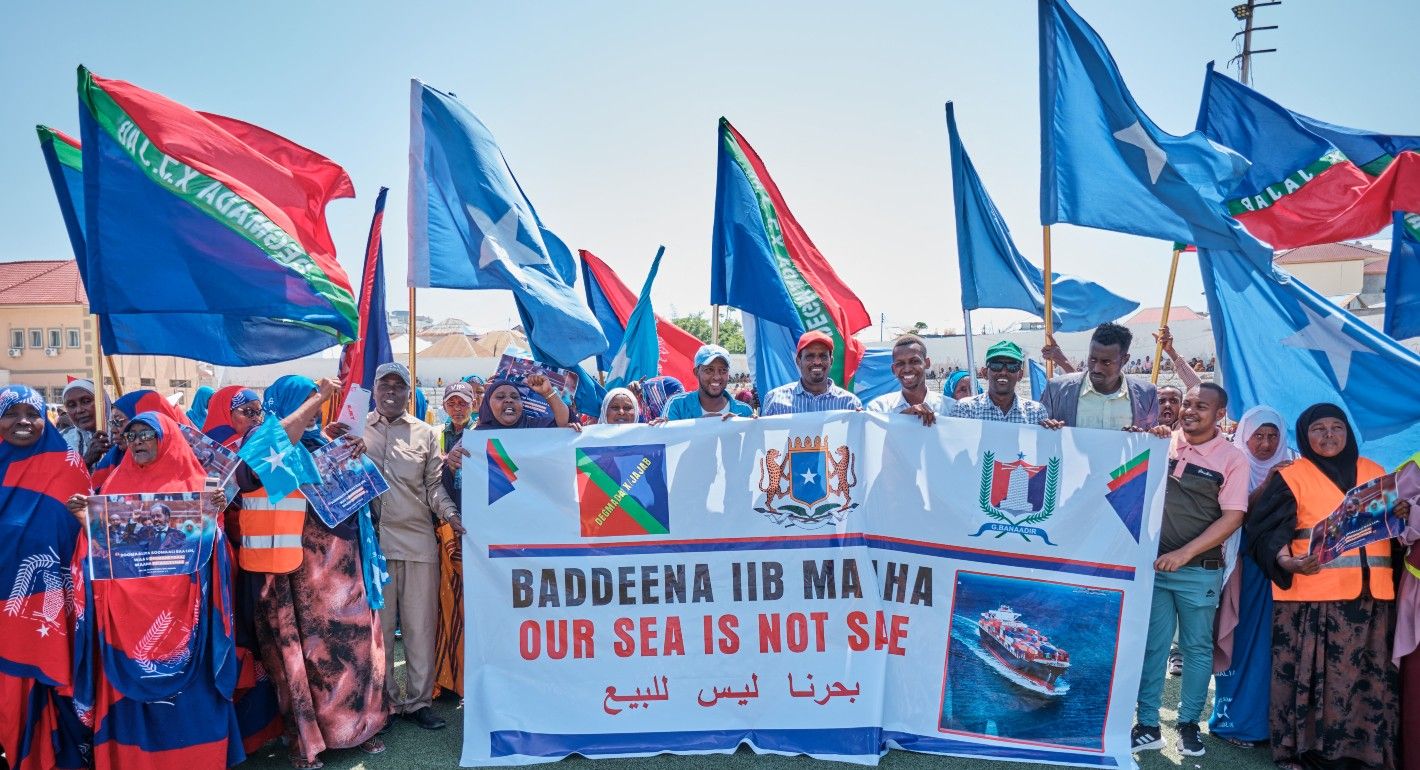
As hegemonic Ethiopian ambitions threaten stability in the Horn of Africa, Somalia is building strategic alliances regionally and internationally to counter Ethiopia’s growing political and military influence.
Hisham Qadri Ahmed