

Commentary
Lee’s tour shows how Seoul is reorganizing its diplomacy away from Pyongyang and toward industrial networks and the geography of the compute economy.
Darcie Draudt-Véjares
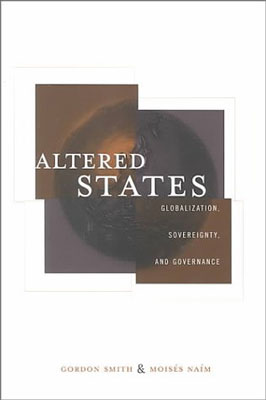
Gordon Smith and Moisés Naím provide practical recommendations for improved governance and for strengthening and reforming the United Nations. They explore the dynamics of globalization and discuss what makes today's globalization distinct.
Source: International Development Research Centre

In Altered States, Gordon Smith and Moisés Naím provide practical recommendations for improved governance and for strengthening and reforming the United Nations. They explore the dynamics of globalization and discuss what makes today's globalization distinct. They test the prevailing wisdom about sovereignty and state capacity, and sort out the humbug. They consider whether sovereignty itself is an impediment or a requirement to security and prosperity. And, in three urgent areas ripe for progress — preventing deadly conflict, providing opportunities for the young, and managing the many harms of climate change — they advance plans of action by which states, with others in the global community, can govern successfully in the future.
The message of Altered States is one of both hope and warning: globalization opens great possibilities of prosperity, security, and human well-being, but only if new ways of governance are constructed. The United Nations must lead in this process and, at the Millennium Assembly in September, seize the opportunity to reconstruct our future.
THE AUTHORS
Gordon Smith is Director of the Centre for Global Studies at the University of Victoria and a Senior Fellow in the Liu Centre at the University of British Columbia, Canada. He is Chairman of the Board of Governors of Canada's International Development Research Centre and the Canadian Institute for Climate Studies, and directs the Canadian Global Change Program. Previously, Dr Smith was Deputy Minister of Foreign Affairs and Personal Representative of the Prime Minister of Canada for the G7 and G8 summits. He has also served Canada as its Ambassador to NATO and as its Deputy Minister of Social Development. Dr Smith was educated at McGill University and received his doctorate from the Massachusetts Institute of Technology.
In Conversation: Gordon Smith
Moisés Naím is the Editor of Foreign Policy magazine. He has written extensively on the political economy of international trade and investment, multilateral organizations, economic reforms, and on globalization. He is the author or editor of eight books and of numerous articles. Dr Naím served as Venezuela's Minister of Trade and Industry and played a central role in the initial launching of major economic reforms in 1989. Preceding his ministerial position, Dr Naim served as Professor and Dean at the Instituto de Estudios Superiores de Administración in Caracas. Between 1992 and 1996, he was the Director of the Projects on Economic Reforms and on Latin America at the Carnegie Endowment for International Peace in Washington, DC. Dr Naim has also been associated with the World Bank, first as an executive director and some years later as Senior Adviser to the President. Dr Naím holds doctorate and master's degrees from the Massachusetts Institute of Technology.
IDRC 2000
ISBN 0-88936-917-8
96 pp.
Purchase book online : IDRC Booktique
Gordon Smith

Distinguished Fellow
Moisés Naím is a distinguished fellow at the Carnegie Endowment for International Peace, a best-selling author, and an internationally syndicated columnist.
Carnegie does not take institutional positions on public policy issues; the views represented herein are those of the author(s) and do not necessarily reflect the views of Carnegie, its staff, or its trustees.
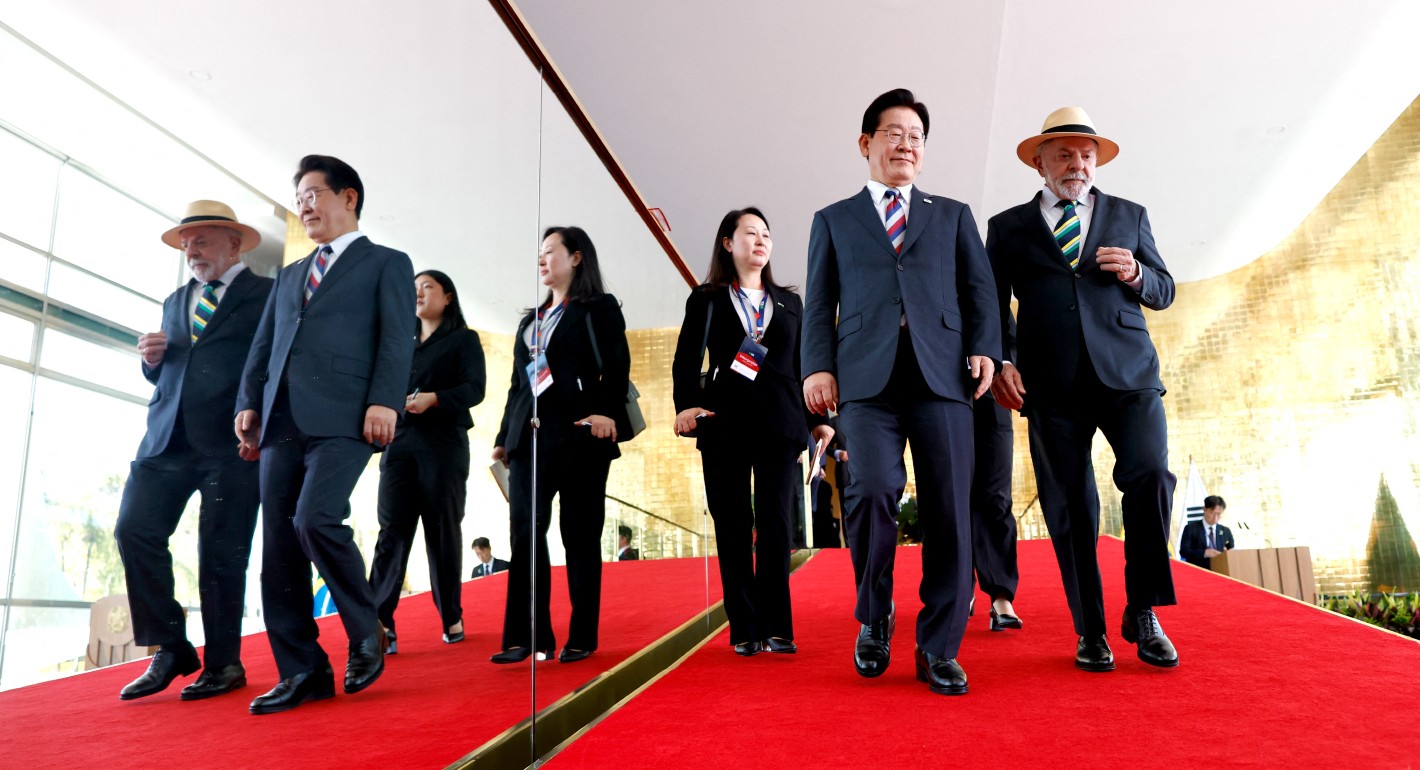
Lee’s tour shows how Seoul is reorganizing its diplomacy away from Pyongyang and toward industrial networks and the geography of the compute economy.

Darcie Draudt-Véjares

Most migrants may have left Ceuta, but the effects may linger.


Alejandro Martin Rodriguez, Sarah Yerkes
Saied’s main accomplishment has been to destroy a decade’s worth of democratic progress.
Sarah Yerkes
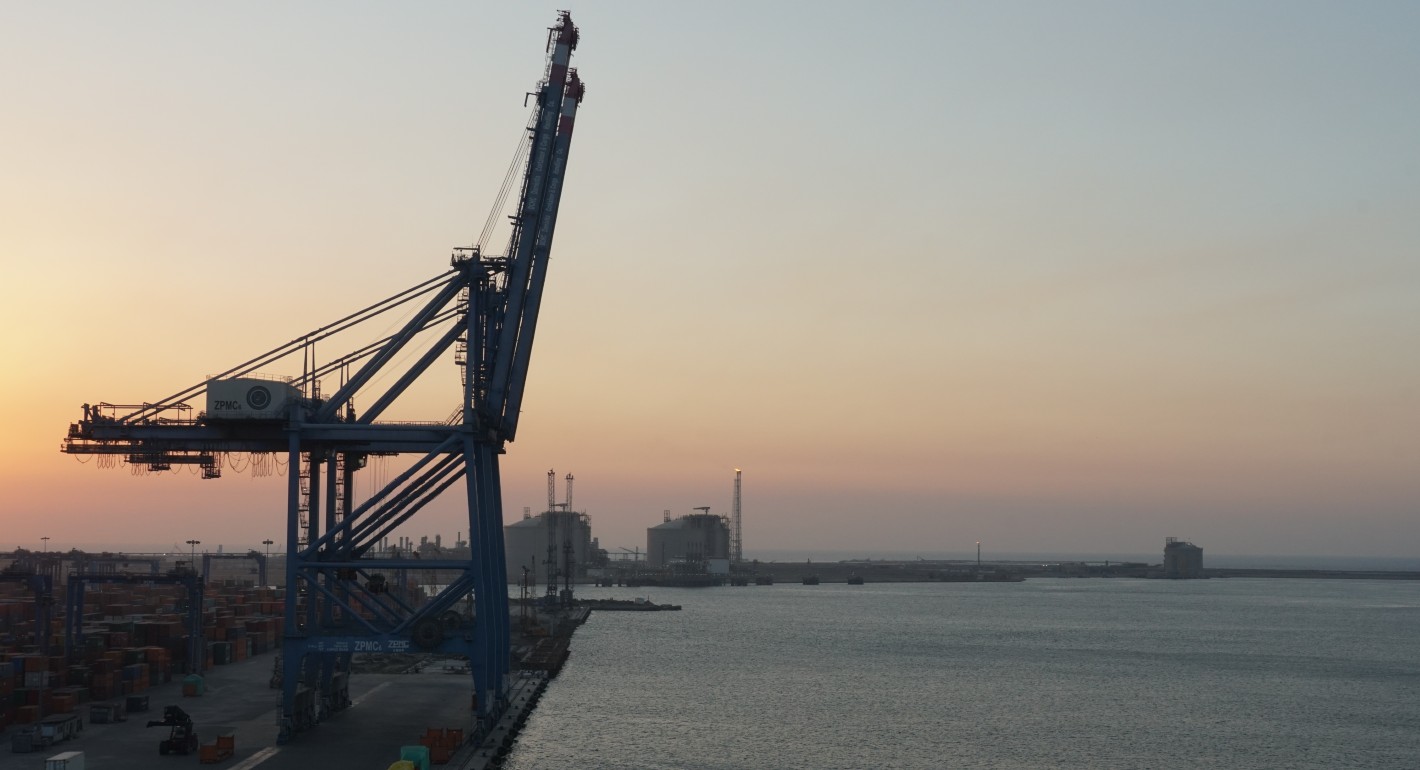
The targeting of Damietta Port appears to be more than a mere security message.

Amr Hamzawy
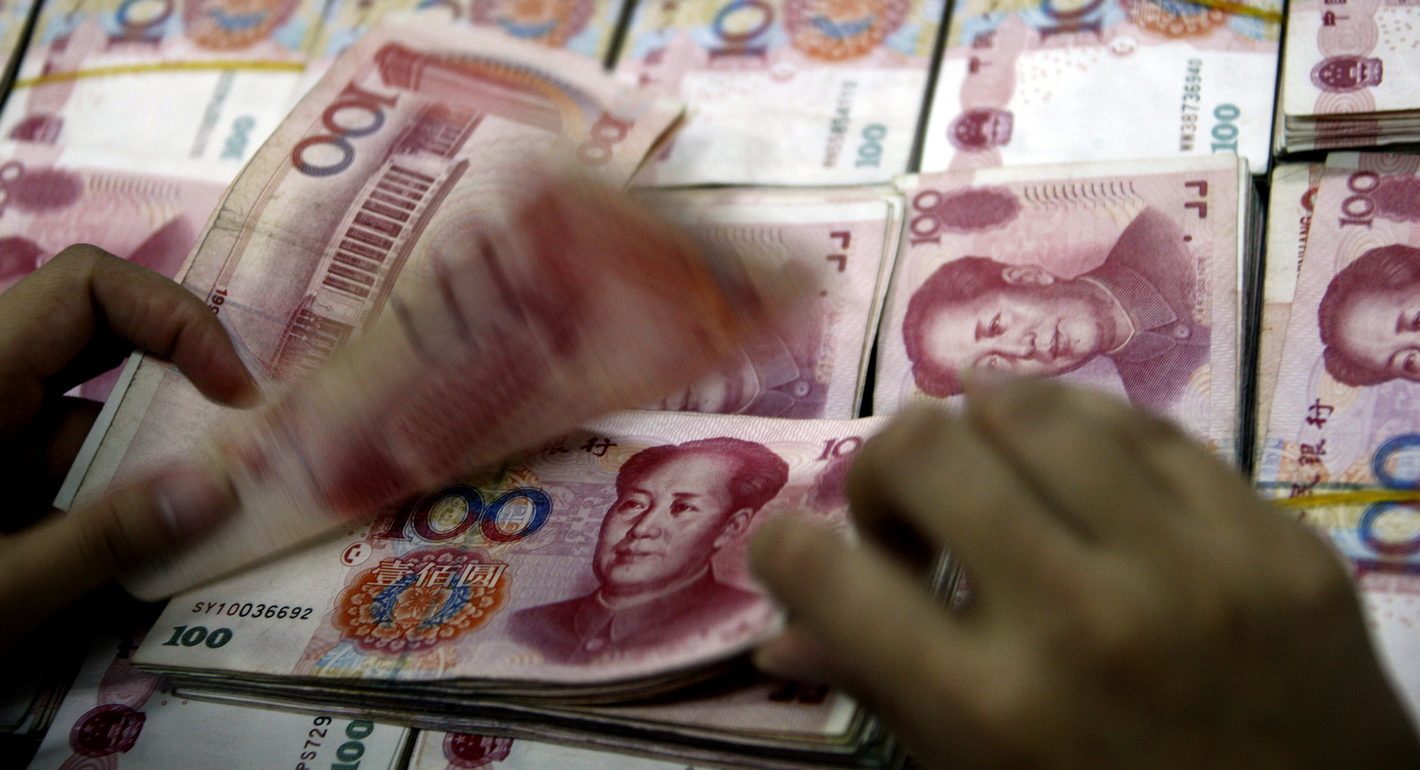
Is the Gulf moving beyond the dollar? This article examines how China is expanding the renminbi's role across Gulf markets, what that means for regional finance, and why the future of global currencies is more complex than the de-dollarization debate suggests.
Andrew Bonney