


• Research
  • Emissary
  • About
  • Experts
Carnegie Global logoCarnegie lettermark logo
DemocracyIran
  • Donate
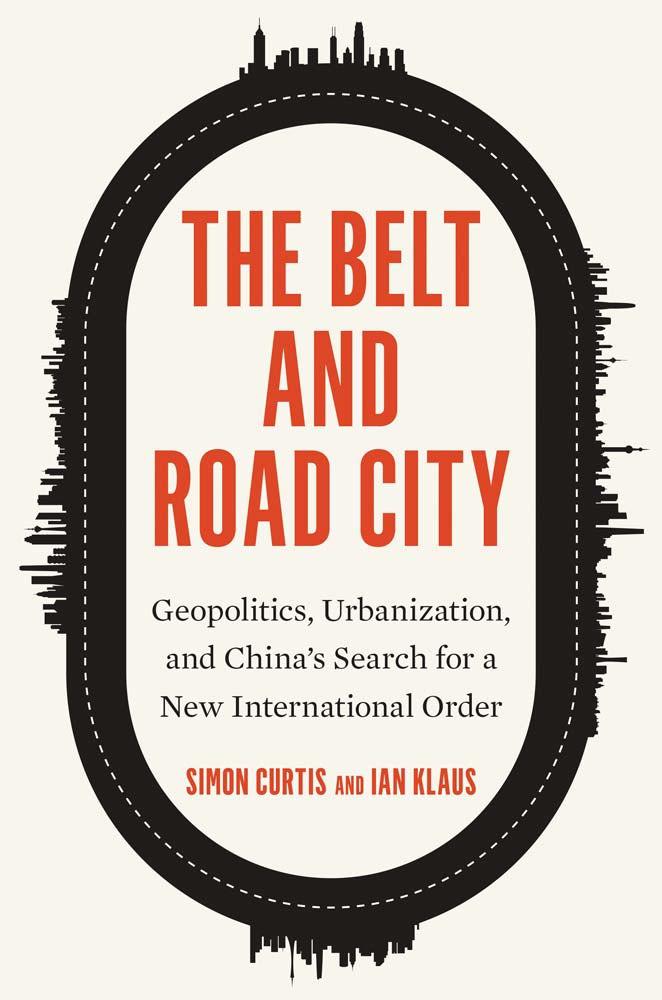
The Belt and Road City: Geopolitics, Urbanization, and China’s Search for a New International Order
Book

The Belt and Road City: Geopolitics, Urbanization, and China’s Search for a New International Order

An exploration of how China’s Belt and Road Initiative seeks to reshape international order and how it has catalyzed a new era of infrastructural geopolitics.

Link Copied
By Simon Curtis and Ian Klaus
Published on Apr 2, 2024

Additional Links

Hardback - $35.00Kindle - $26.49

Source: Yale University Press

An exploration of how China’s Belt and Road Initiative seeks to reshape international order and how it has catalyzed a new era of infrastructural geopolitics
 
Over the past decade China has put infrastructural and urban development at the heart of a strategy aimed at nothing less than the transformation of international order. The Belt and Road Initiative, which seeks to revitalize and reconnect the ancient Silk Roads that linked much of the world before the rise of the West, is an attempt to place China at the center of this new international order, one shaped by Chinese power, norms, and values. It seeks to do so, in part, by shaping our shared urban future.
 
Simon Curtis and Ian Klaus explore how China’s specific investments in urban development—cities, roads, railways, ports, digital and energy connectivity—are directly linked to its foreign policy goals. Curtis and Klaus examine the implications of these developments as they evolve across the vast Afro-Eurasian region.
 
The distinctive model of international order and urban life emerging with the rise of Chinese power and influence offers a potential rival to the one that has accompanied the rise and zenith of Western power, marking a new age of infrastructural geopolitics and Great Power competition.

Advance Praise

“An important and invaluable resource that offers insights and detail not only about China’s Belt and Road Initiative but about the future of global geopolitics, the new world order, and the future of the city. Curtis and Klaus are crystal clear about the opportunities and challenges that lie behind these—and how crucial it is to understand what is going on in parts of the world that often receive scant attention during a time of profound change.”
—Peter Frankopan, author of The Silk Roads: A New History of the World

“The Belt and Road City is a must-read for urbanists and foreign policy specialists alike. Compellingly and with a breadth of viewpoints that literally span continents, Curtis and Klaus call on us to set aside ‘grand masterplan’ visions of the BRI, whilst not ditching the momentous impact that some of these Chinese-influenced developments have on urban lives and forms the world over.”
—Michele Acuto, University of Melbourne

“The Belt and Road City is a timely book as China’s Belt and Road Initiative (BRI) enters its second decade. By bringing theoretical insights from both international relations and urban studies to bear on the BRI, this book reveals the BRI’s infrastructural and urban impacts across Afro-Eurasia that elude much of the current scholarship. The book deserves to be read by all who want to be informed of the BRI’s powerful role in reshaping the existing international order and global urban landscape.”
—Xiangming Chen, Trinity College, Connecticut, and Fudan University, Shanghai

About the Authors

Simon Curtis

Simon Curtis is associate professor in international relations at the University of Surrey and senior fellow at the Chicago Council on Global Affairs.

Ian Klaus

Founding Director, Carnegie California

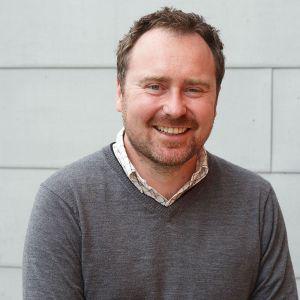
Ian Klaus is the founding director of Carnegie California. He is a leading scholar on the nexus of urbanization, geopolitics, and global challenges, with extensive experience as a practitioner of subnational diplomacy.

Authors

Simon Curtis

Simon Curtis is associate professor in international relations at the University of Surrey and senior fellow at the Chicago Council on Global Affairs.

Simon Curtis
Ian Klaus
Founding Director, Carnegie California
Ian Klaus
Southern, Eastern, and Western AfricaSouth AsiaEast AsiaChinaSoutheast AsiaEconomyTradeForeign Policy

Carnegie does not take institutional positions on public policy issues; the views represented herein are those of the author(s) and do not necessarily reflect the views of Carnegie, its staff, or its trustees.

More Work from Carnegie Endowment for International Peace

  • Xi walking into a room with people standing and applauding around him
    Commentary
    Emissary
    The Xi Doctrine Zeros in on “High-Quality Development” for China’s Economic Future

    In the latest Five-Year Plan, the Chinese president cements the shift to an innovation-driven economy over a consumption-driven one.

      • Damien Ma

      Damien Ma

  • apan's 8,900-ton Maritime Self-Defense Force supply ship Oosumi leaves Muroran port escorted by the 4,550-ton destroyer Murasame bound for Kuwait February 20, 2004 in Muroran, Japan.
    Article
    Japan’s Security Policy Is Still Caught Between the Alliance and Domestic Reality

    Japan’s response to U.S. pressure over Hormuz highlights a broader dilemma: How to preserve the alliance while remaining bound by legal limits, public opinion, and an Asia-centered security agenda. Tokyo gained diplomatic space through an alliance-embracing strategy, but only under conditions that may not endure.

      • Ryo Sahashi

      Ryo Sahashi

  • Article
    Kenya’s Health Deal Is a Stress Test for the America First Global Health Strategy

    U.S. agreements must contend with national data protection laws to make durable foreign policy instruments.

      • A Black woman with long hair wears a black blazer

      Jane Munga, Rose Mosero

  • Trump seated and gesturing while speaking
    Commentary
    Emissary
    The Iran War Is Making America Less Safe

    A conflict launched in the name of American security is producing the opposite effect.

      • Sarah Yerkes

      Sarah Yerkes

  • Commentary
    Strategic Europe
    Taking the Pulse: Is it NATO’s Job to Support Trump’s War of Choice?

    Donald Trump has demanded that European allies send ships to the Strait of Hormuz while his war of choice in Iran rages on. He has constantly berated NATO while the alliance’s secretary-general has emphatically supported him.

      • Rym Momtaz

      Rym Momtaz, ed.

Get more news and analysis from
Carnegie Endowment for International Peace
Carnegie global logo, stacked
1779 Massachusetts Avenue NWWashington, DC, 20036-2103Phone: 202 483 7600Fax: 202 483 1840
  • Research
  • Emissary
  • About
  • Experts
  • Donate
  • Programs
  • Events
  • Blogs
  • Podcasts
  • Contact
  • Annual Reports
  • Careers
  • Privacy
  • For Media
  • Government Resources
Get more news and analysis from
Carnegie Endowment for International Peace
© 2026 Carnegie Endowment for International Peace. All rights reserved.











