

In The Media
Mr. David Bosco
{
  "authors": [
    "David Bosco"
  ],
  "type": "legacyinthemedia",
  "centerAffiliationAll": "",
  "centers": [
    "Carnegie Endowment for International Peace"
  ],
  "collections": [],
  "englishNewsletterAll": "",
  "nonEnglishNewsletterAll": "",
  "primaryCenter": "Carnegie Endowment for International Peace",
  "programAffiliation": "",
  "programs": [],
  "projects": [],
  "regions": [
    "Afghanistan"
  ],
  "topics": [
    "Political Reform",
    "Democracy",
    "Economy"
  ]
}
REQUIRED IMAGE
Source: Slate magazine
There's all sorts of good news coming out of the Afghan drug war. Hamid Karzai recently announced that opium cultivation might be down as much as 30 percent this year. In April, the United States nabbed alleged Afghan drug lord Haji Bashir Noorzai. U.S. and European money are helping Karzai's government build special drug courts and train paramilitary interdiction teams. One might almost be convinced that Afghanistan—site of an ongoing political renaissance—has pulled off another miracle. Don't believe it. MORE
Former Senior Editor, Foreign Policy
David Bosco joined FP in 2004 as a senior editor responsible for commissioning and editing reviews, feature articles, and essays. Prior to joining FP, he was an attorney at the law firm of Cleary, Gottlieb, Steen & Hamilton with a focus on international arbitration, litigation, and antitrust matters. Previously, he researched judicial reform in Chile as a Fulbright Scholar.
Recent Work
Mr. David Bosco
Carnegie does not take institutional positions on public policy issues; the views represented herein are those of the author(s) and do not necessarily reflect the views of Carnegie, its staff, or its trustees.

AI could hollow out jobs, reshape them gradually, create entirely new ones—or do all three at once. The case for starting to act now doesn’t depend on knowing which.
Teddy Tawil

The Russian state has opted for complete ideological control of the internet and is prepared to bear the associated costs.

Maria Kolomychenko
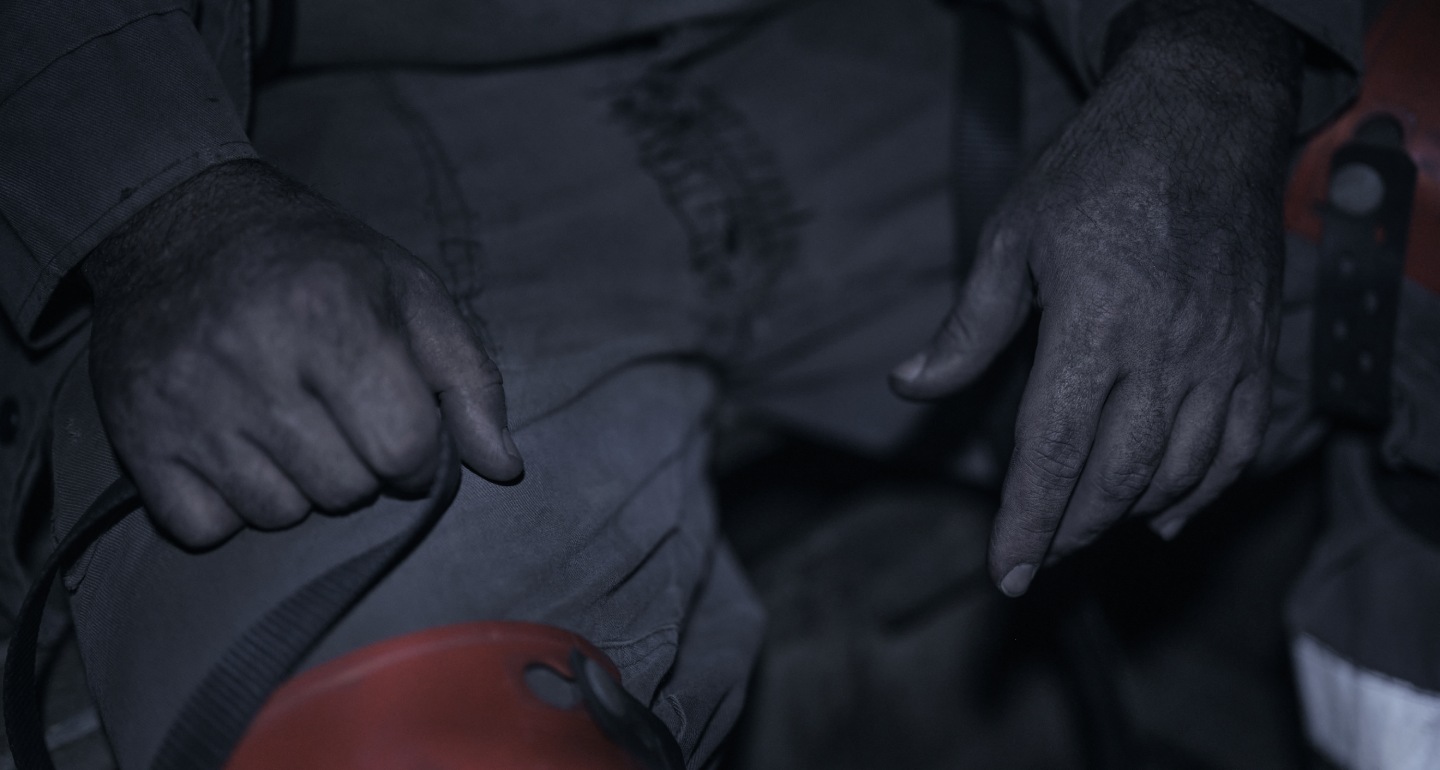
Powerful lobbyists and inertia led to Russia’s coal-mining sector missing an excellent opportunity to solve its structural problems.
Alexey Gusev

After four years of war, there is no one who can stand up to the security establishment, and President Vladimir Putin is increasingly passive.

Tatiana Stanovaya

Five problems—and solutions—to make it actually work as a tool of great power competition.

Afreen Akhter