Article
Sarah Yerkes, Amr Hamzawy
{
  "authors": [
    "Amr Hamzawy"
  ],
  "type": "other",
  "centerAffiliationAll": "dc",
  "centers": [
    "Carnegie Endowment for International Peace"
  ],
  "collections": [],
  "englishNewsletterAll": "democracy",
  "nonEnglishNewsletterAll": "",
  "primaryCenter": "Carnegie Endowment for International Peace",
  "programAffiliation": "DCG",
  "programs": [
    "Democracy, Conflict, and Governance",
    "Middle East"
  ],
  "projects": [],
  "regions": [
    "North America",
    "United States",
    "Middle East",
    "North Africa",
    "Egypt",
    "Algeria",
    "Morocco",
    "Jordan",
    "Kuwait",
    "Yemen"
  ],
  "topics": [
    "Political Reform",
    "Democracy",
    "Foreign Policy"
  ]
}
REQUIRED IMAGE
For decades, Arab regimes have used scare tactics to encourage the United States and Europe to support their repressive measures toward Islamist movements by invoking the image of anti-Western fanatics taking power through the ballot box. However, today’s moderate Islamists no longer match this nightmare.
Source: Carnegie Endowment
For decades, Arab regimes have used scare tactics to encourage the United States and Europe to support their repressive measures toward Islamist movements by invoking the image of anti-Western fanatics taking power through the ballot box. However, today’s moderate Islamists no longer match this nightmare. Political actors or observers who still insist that there is no such thing as a “moderate Islamist” miss the reality that activist organizations in Morocco, Algeria, Egypt, Jordan, Kuwait, and Yemen have evolved after decades of failed opposition to repressive regimes. Instead of clinging to fantasies of theocratic states, many Islamist movements now see the wisdom of competing peacefully for shares of political power and working within existing institutions to promote gradual democratic openings.
To advance significant political reform in the Arab world, the United States and Europe need to engage moderate Islamists, argues Carnegie Endowment senior associate Amr Hamzawy in this new Policy Brief. This is less thorny than it might seem, as many Islamists groups and parties have embraced democratic procedures and shown a strong commitment to the rule of law.
A limited number of print copies are available.
Request a copy
About the Author
Amr Hamzawy is a senior associate at the Carnegie Endowment. He is also an Egyptian political scientist who previously taught at Cairo University and the Free University of Berlin.

Director, Middle East Program
Amr Hamzawy is a senior fellow and the director of the Carnegie Middle East Program. His research and writings focus on governance in the Middle East and North Africa, social vulnerability, and the different roles of governments and civil societies in the region.
Recent Work

Sarah Yerkes, Amr Hamzawy
Amr Hamzawy
Carnegie does not take institutional positions on public policy issues; the views represented herein are those of the author(s) and do not necessarily reflect the views of Carnegie, its staff, or its trustees.
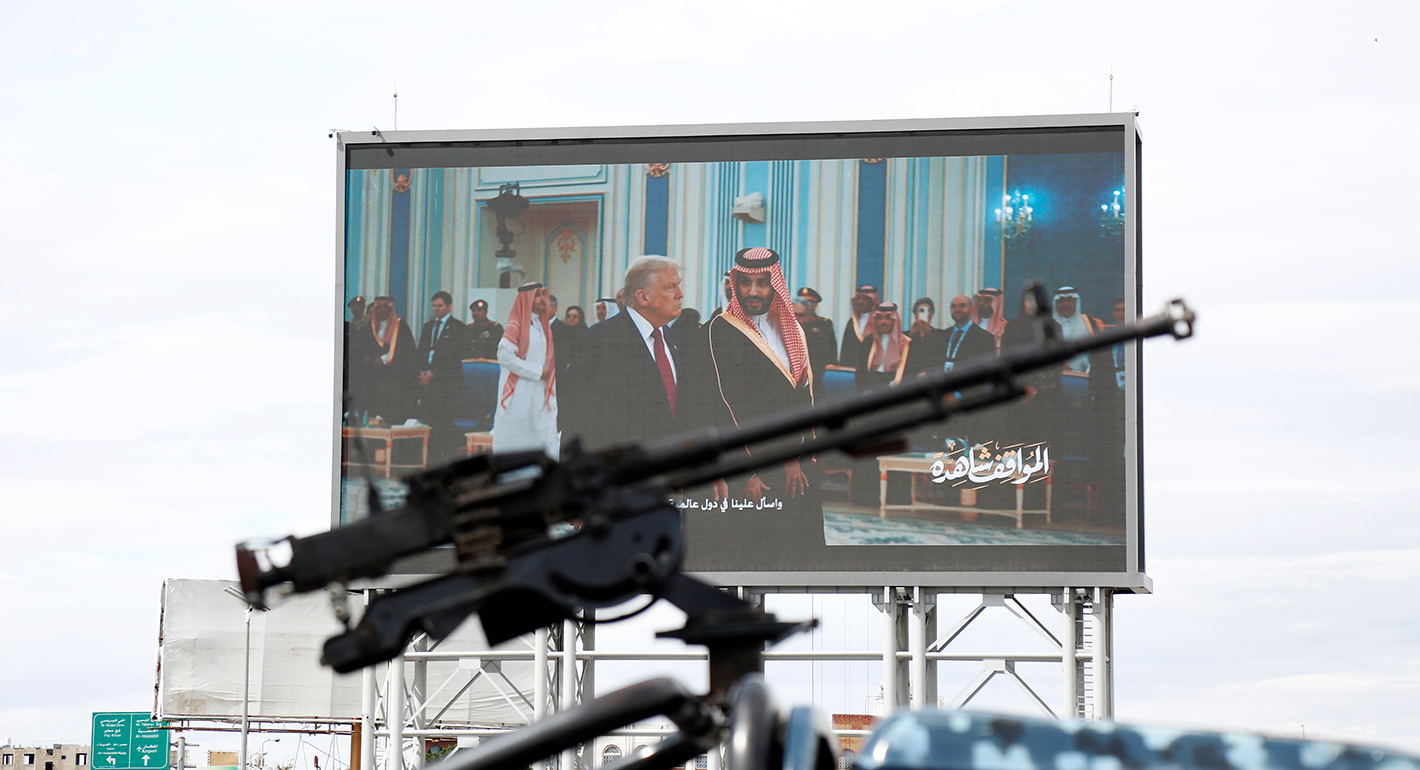
As the war between the United States, Israel, and Iran continues, Carnegie scholars contribute cutting-edge analysis on the events of the war and their wide-reaching implications. From the impact on Iran and its immediate neighbors to the responses from Gulf states to fuel and fertilizer shortages caused by the effective shutdown of the Strait of Hormuz, the war is reshaping Middle East alliances and creating shockwaves around the world. Carnegie experts analyze it all.
The return of war as the organizing factor in Middle Eastern politics has predictable consequences: governments are prioritizing regime stability and becoming averse to political and social reform.
Sarah Yerkes, Amr Hamzawy

Central Asia’s digital ambitions are achievable, but only if policy is aligned with the region’s physical constraints.

Aruzhan Meirkhanova
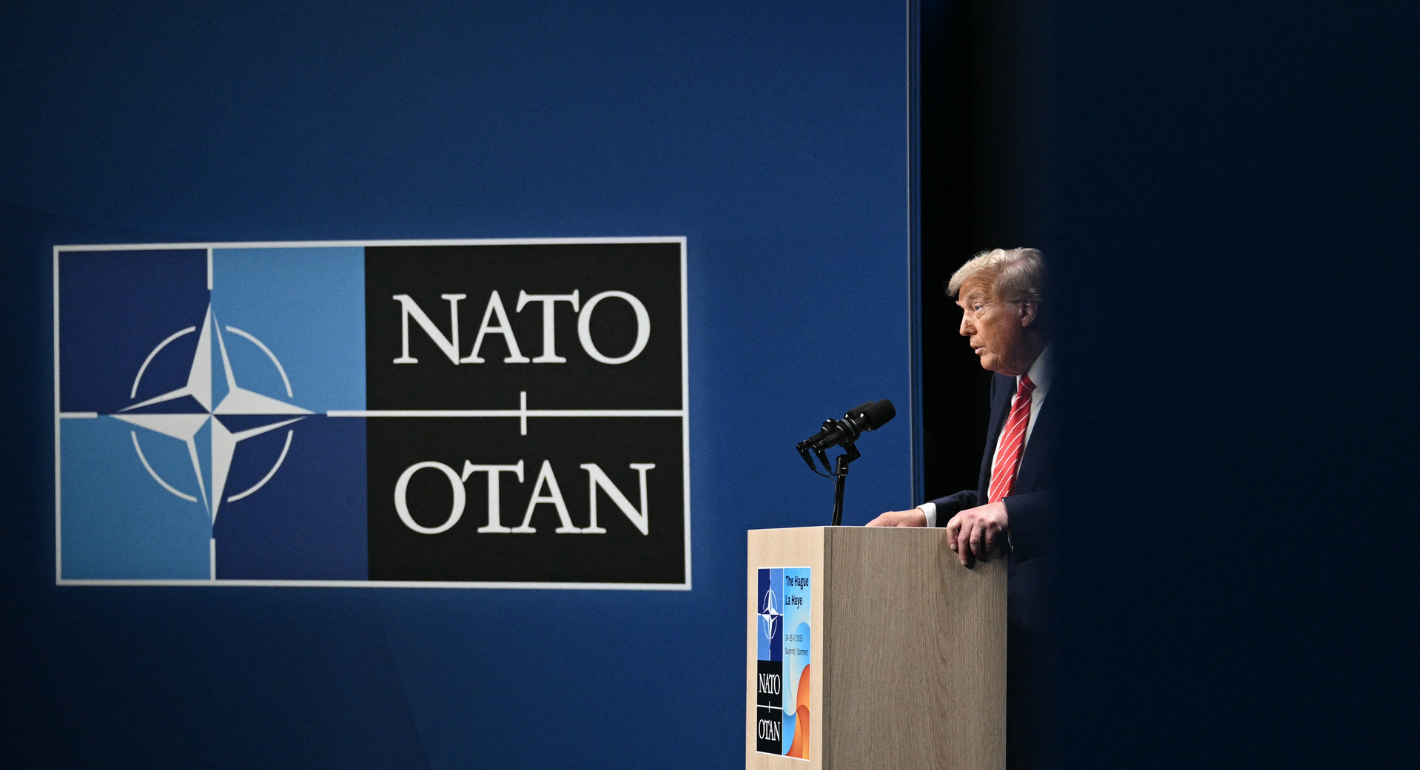
Donald Trump has repeatedly bashed NATO and European allies, threatening to annex Canada and Greenland and deploring their lack of enthusiasm for his war of choice in Iran. Is this latest round of abuse the final straw?

Rym Momtaz, ed.
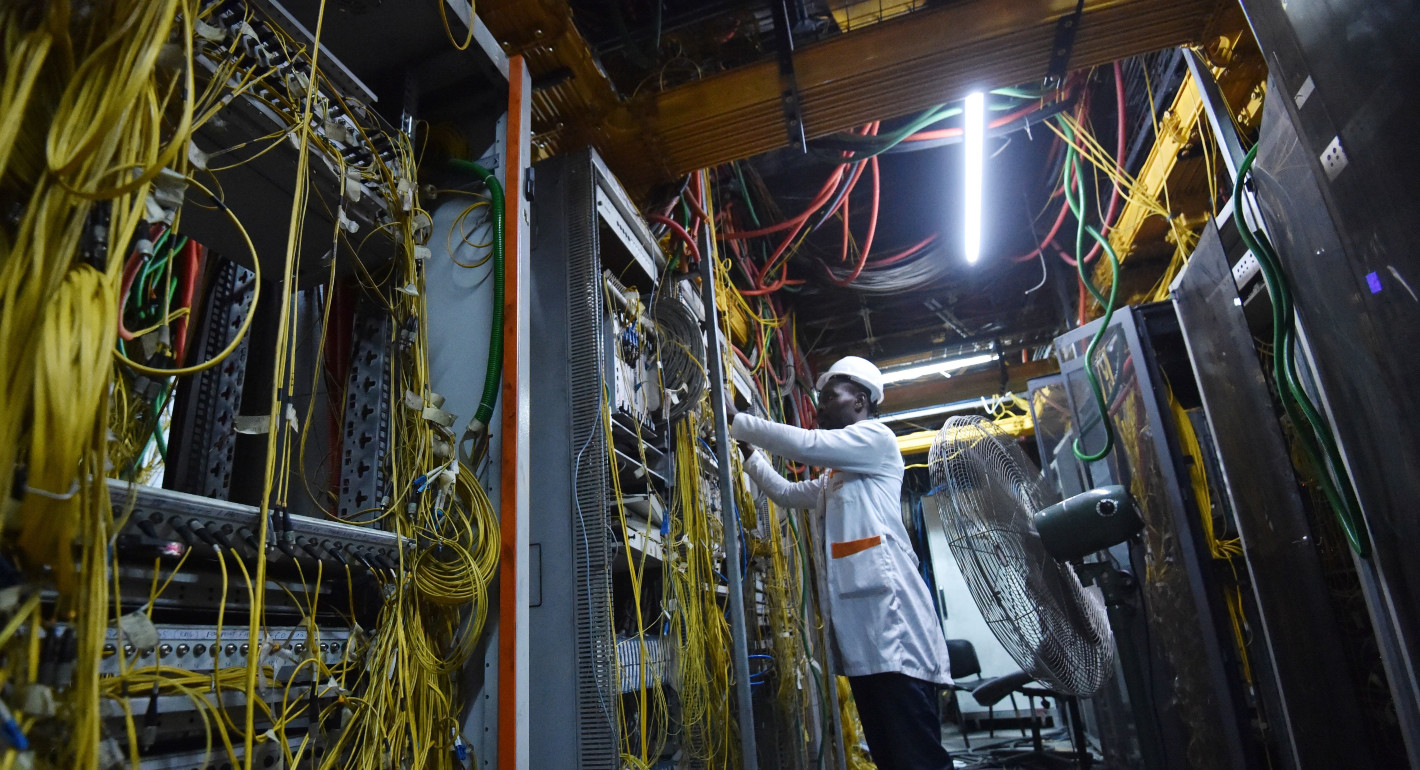
The Africa Technology Policy Tracker reveals policymakers’ priorities for the continent’s digital transformation.
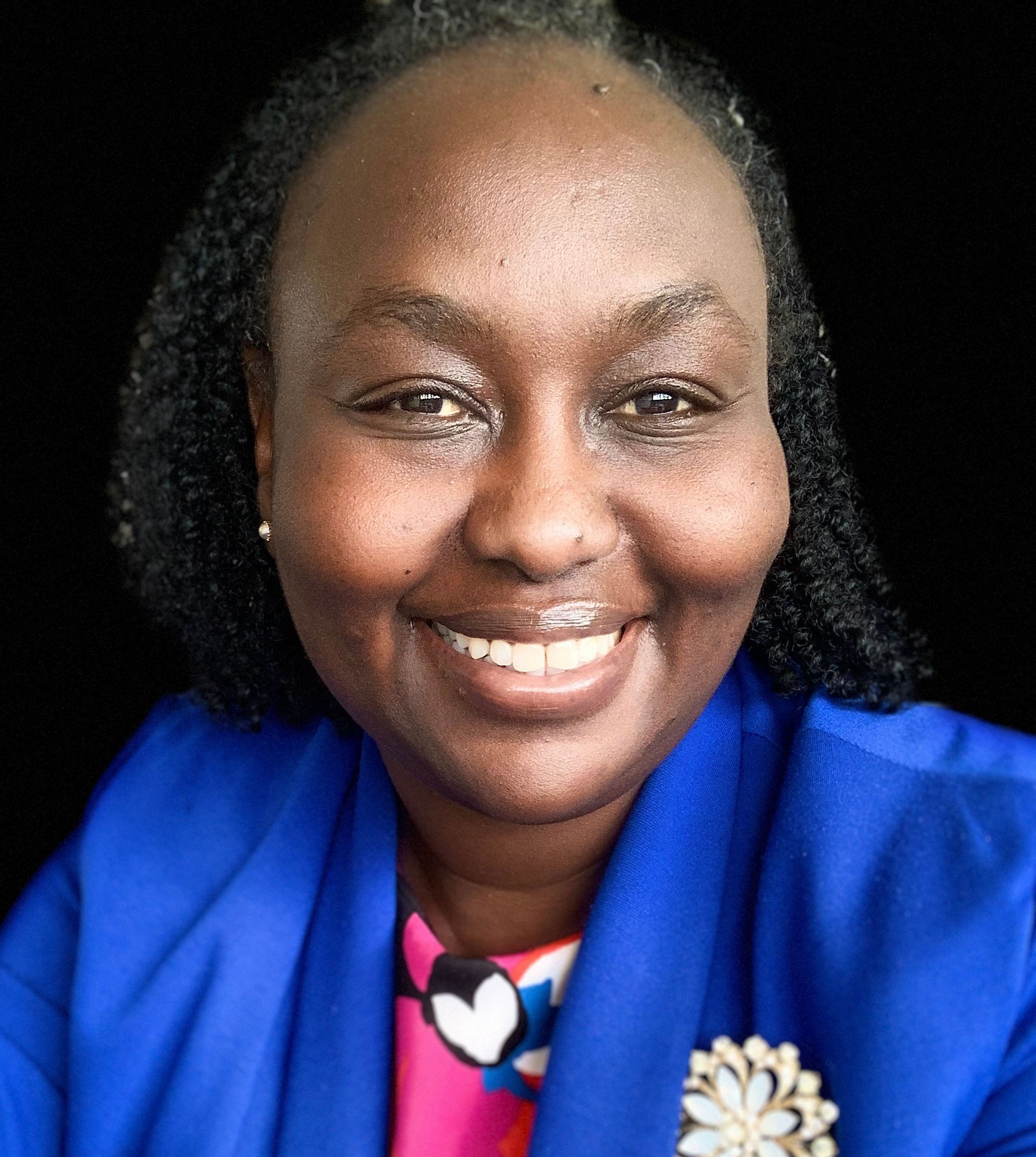
Jane Munga