

Report
- +2
George Perkovich, Jessica Tuchman Mathews, Joseph Cirincione, …

REQUIRED IMAGE
ISSUE BRIEF--The crisis is not over and there are important verification and implementation details to negotiate. But we have turned an important nuclear corner on the Korean Peninsula. The new agreement by North Korea to give up all nuclear weapons and existing nuclear programs and return to the Non-Proliferation Treaty is a major success for all the nations in the Six-Party talks. It is a victory for the United States who insisted on the complete end of these programs. It is a victory for North Korea, which has won a non-aggression pledge from the US and economic and energy aid. It is a victory for China, which patiently insisted on solving the stand-off through negotiations and played the key role in reaching the agreement. Finally, it is a victory for the “Libya model” over the “Iraq model”: end threats by changing a regime’s behavior, not by eliminating the regime. (Read More)
The crisis is not over and there are important verification and implementation details to negotiate. But we have turned an important nuclear corner on the Korean Peninsula. The new agreement by North Korea to give up all nuclear weapons and existing nuclear programs and return to the Non-Proliferation Treaty is a major success for all the nations in the Six-Party talks. It is a victory for the United States who insisted on the complete end of these programs. It is a victory for North Korea, which has won a non-aggression pledge from the US and economic and energy aid. It is a victory for China, which patiently insisted on solving the stand-off through negotiations and played the key role in reaching the agreement. Finally, it is a victory for the “Libya model” over the “Iraq model”: end threats by changing a regime’s behavior, not by eliminating the regime.
The chief US negotiator at the talks, Assistant Secretary of State Christopher Hill, praised the agreement as a “win-win situation.” Indeed, all successful negotiations have to be so. The parties must be able to leave the table declaring victory and returning to their countries and peoples with tangible achievements.
To be sure, tough negotiations lie ahead and the agreement is by no means secure. The most important hour in negotiations is the last hour, and that is still a ways off. But the agreement shows the wisdom of strong, persistent diplomacy and the value of multilateral cooperation.
The 2005 Carnegie study, Universal Compliance recommended such a change in US policy:
“It may prove more feasible for the United States to test the will of North Korea to fully, verifiably, and irreversibly dismantle all its nuclear weapon capabilities in exchange for a fundamentally different relationship with the United States, including diplomatic relations and peaceful reconstruction assistance. This will involve real negotiations with North Korea, although these could take place in the broad context of the six-party talks.”
This is what the agreement has achieved. If implemented, it opens the way for concluding a final peace agreement to end the Korean War and the establishment of diplomatic relations between North Korea and the United States. It will also achieve President Bush’s goal of a complete, verifiable dismantlement of the nuclear weapons program. Presumably, this can be extended to include the North Korean long-range missile programs as well.
Finally, this is a significant victory for Secretary of State Condoleezza Rice, who recognized that the U.S. policy of the past four years was not working, slowly changed that policy to allow real negotiations with North Korea, and skillfully denied that any change had taken place. She thus preserved the confidence of the president while morphing his policy from confrontational posture to constructive engagement. She and Christopher Hill have done a masterful job.
"Joint Statement from North Korea Nuclear Talks," 19 September 2005
Universal Compliance, March 2005
Former Senior Associate, Director for NonProliferation
Recent Work

George Perkovich, Jessica Tuchman Mathews, Joseph Cirincione, …
Joseph Cirincione
Carnegie does not take institutional positions on public policy issues; the views represented herein are those of the author(s) and do not necessarily reflect the views of Carnegie, its staff, or its trustees.

Five problems—and solutions—to make it actually work as a tool of great power competition.

Afreen Akhter
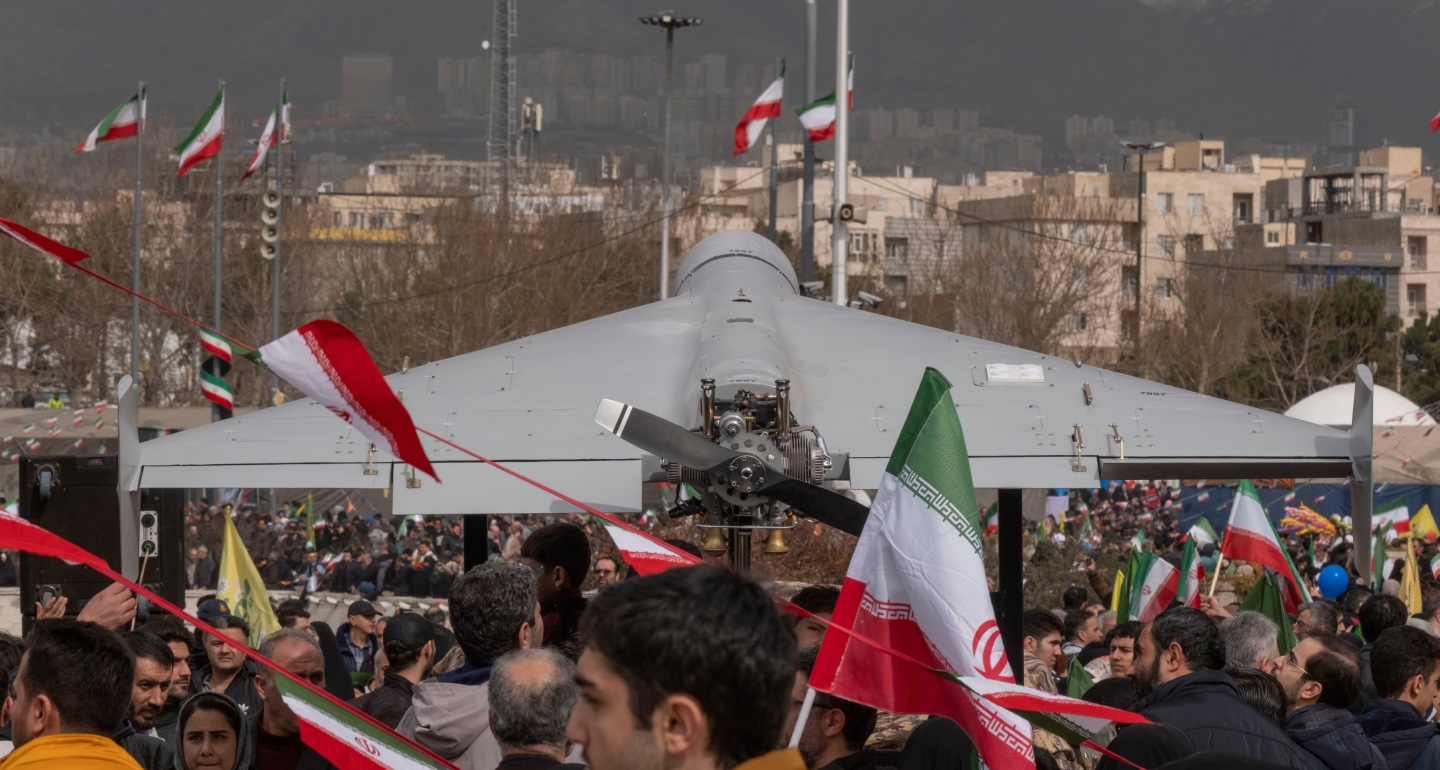
The Russian leadership wants to avoid a dangerous precedent in which it is squeezed out of Iran by the United States and Israel—and left powerless to respond in any meaningful way.

Nikita Smagin
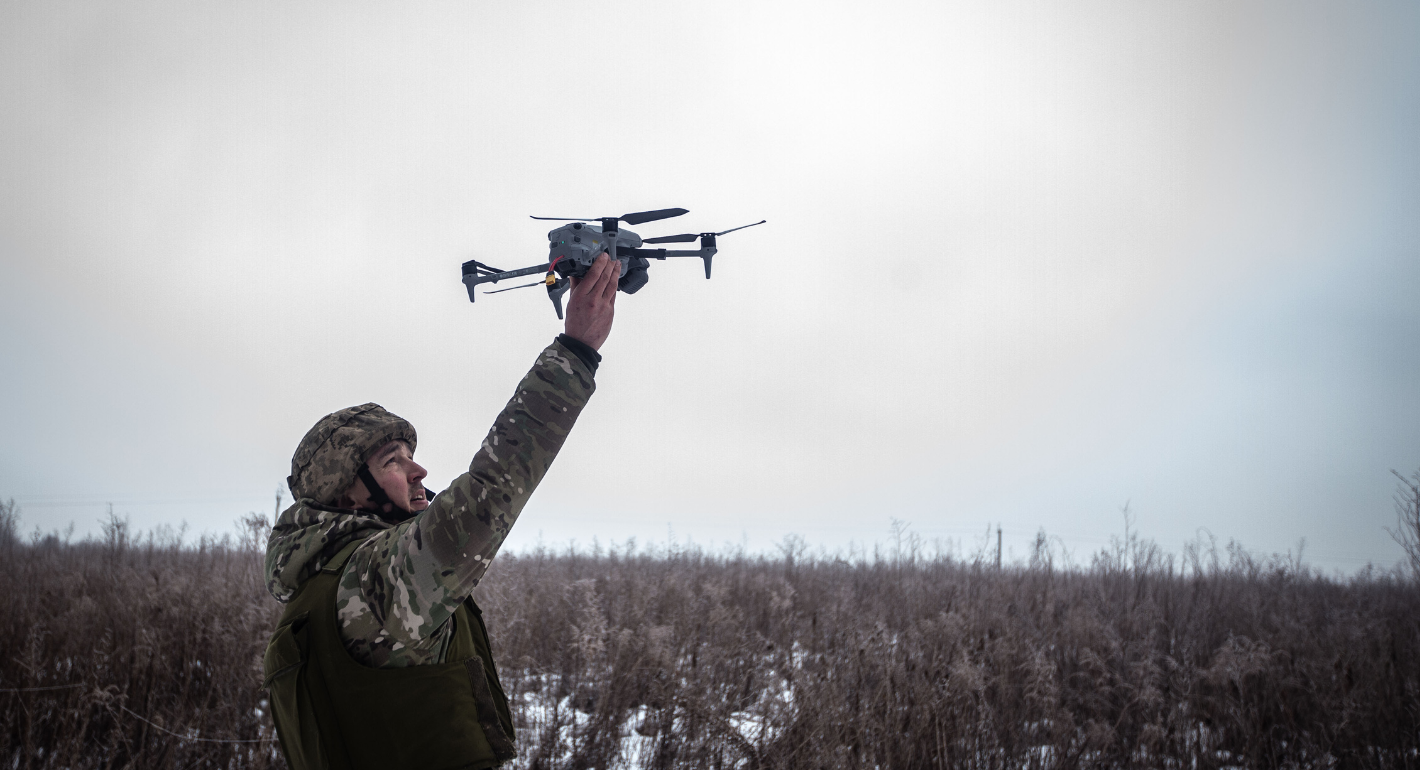
In Ukraine, Gaza, and Iran, AI warfare has come to dominate, with barely any oversight or accountability. Europe must lead the charge on the responsible use of new military technologies.

Raluca Csernatoni
Cairo’s efforts send a message to the United States and the region that it still has a place at the diplomatic table.

Angie Omar
Beirut’s desire to break free from Iranian hegemony may push it into a situation where it has to accept Israel’s hegemony.

Michael Young