

Report
- +2
George Perkovich, Jessica Tuchman Mathews, Joseph Cirincione, …
Source: Getty
If Francis Fukuyama is right, the neoconservative movement is dying. Good riddance. Through their network within the Bush administration, these intellectuals wreaked havoc on American national security interests, ruined the international reputation of the country and drove up a staggering national debt.

“The so-called Bush doctrine,” he writes, “is now in shambles. The doctrine…argued that, in the wake of the Sept. 11 attacks,
But
The Way We Were Wrong
The current danger is that some still cling to this view, encouraging military action against
“It is hard to read these lines without irony in the wake of the global reaction to the
There are domestic problems as well, he notes, for the American people have sharp limits to how much they are willing to bear for “projects oversees that do not have clear benefits to American interests.”
But he saves his sharpest knife for last: “Finally, benevolent hegemony presumed that the hegemon was not only well intentioned but competent as well. Much of the criticism of the Iraq intervention from Europeans and others was…[based] on the belief that it had not made an adequate case for invading Iraq in the first place and didn't know what it was doing in trying to democratize Iraq. In this, the critics were unfortunately quite prescient.”
Neo-Woodrow
Fearful that the backlash against the
This is the sort of arrangement
Do not abandon this goal, though, rather accept that “good governance, which involves not just democracy but also the rule of law and economic development, is critical to a host of outcomes we desire, from alleviating poverty to dealing with pandemics to controlling violent conflicts.” Then realize that it is not the military that plays the lead role in these efforts. Rather,
“If we are serious about the good governance agenda, we have to shift our focus to the reform, reorganization and proper financing of those institutions of the United States government that actually promote democracy, development and the rule of law around the world, organizations like the State Department, U.S.A.I.D., the National Endowment for Democracy and the like.”
Good advice. The essay itself and the policy prescriptions are so well written that they should be read as a piece. For more
Related Links:
“After Neoconservatism,” Francis Fukuyama, New York Times Op-Ed, February 19, 2006
“Speaking to
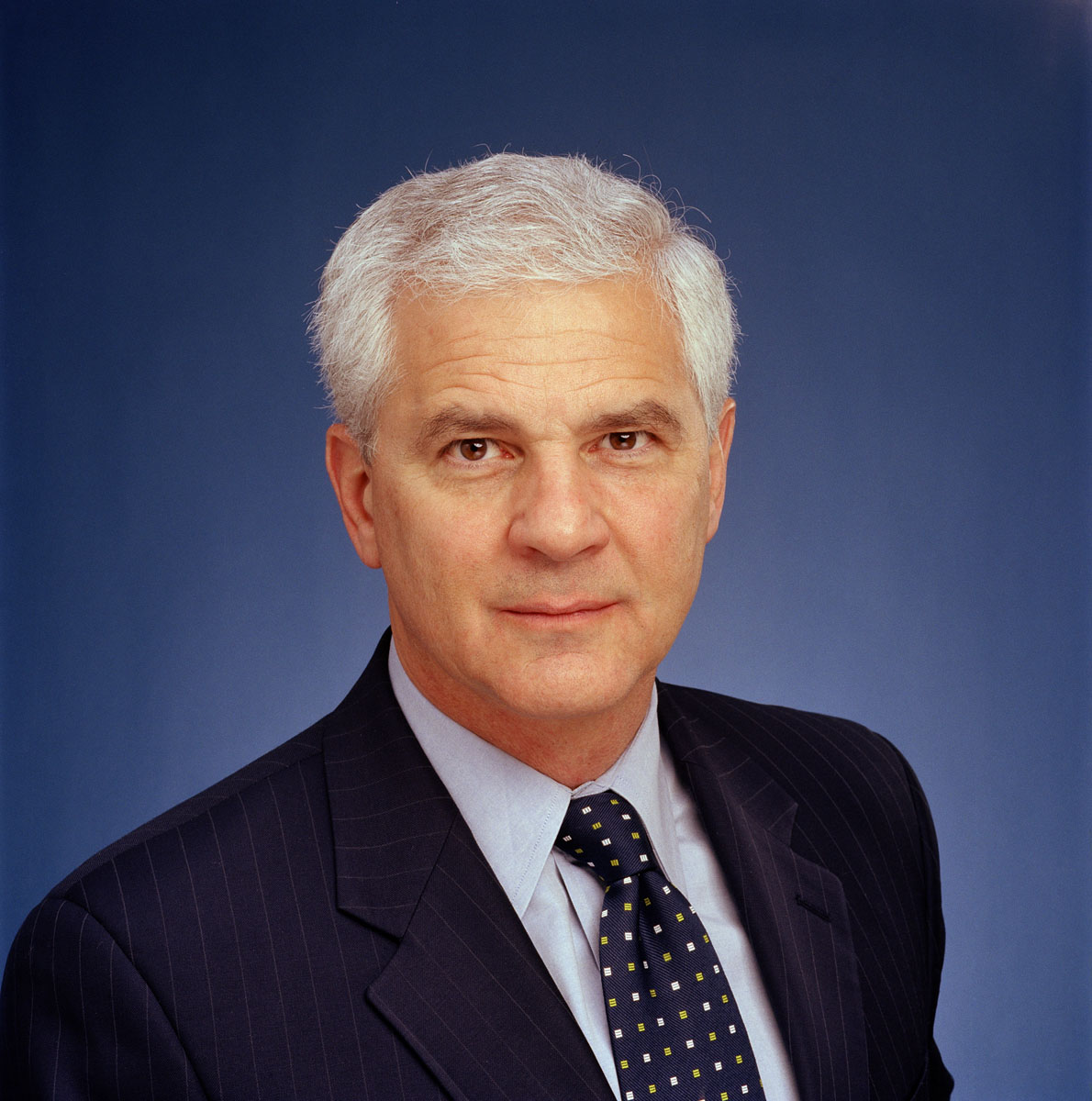
Former Senior Associate, Director for NonProliferation
Recent Work


George Perkovich, Jessica Tuchman Mathews, Joseph Cirincione, …
Joseph Cirincione
Carnegie does not take institutional positions on public policy issues; the views represented herein are those of the author(s) and do not necessarily reflect the views of Carnegie, its staff, or its trustees.

Despite its flop at the box office, the film raises important questions for the climate community to answer.

Leonardo Martinez-Diaz

Russian strikes are weakening the economy sustaining Ukraine’s war effort. Closing the growing funding gap will require more European support and politically contentious reforms in Kyiv.

Balázs Jarábik

In an interview, Rozina Ali discusses her new book on the rise and manifestations of Islamophobia in the United States.

Michael Young

While the EU and European governments are embracing the much-lauded middle-power moment, this entails three difficult conundrums.

Richard Youngs

Producing nuclear fuel quickly enough remains a major risk factor for the emerging advanced reactor industry.
Elmer W. Dyke