Article
Viji Rangaswami, Lionel Johnson
{
  "authors": [
    "Viji Rangaswami"
  ],
  "type": "other",
  "centerAffiliationAll": "",
  "centers": [
    "Carnegie Endowment for International Peace"
  ],
  "collections": [],
  "englishNewsletterAll": "",
  "nonEnglishNewsletterAll": "",
  "primaryCenter": "Carnegie Endowment for International Peace",
  "programAffiliation": "",
  "programs": [],
  "projects": [],
  "regions": [
    "North America",
    "United States",
    "South America"
  ],
  "topics": [
    "Economy",
    "Trade"
  ]
}
REQUIRED IMAGE
In the wake of the WTO's elimination of apparel export quotas, analysts predict that China and a handful of other efficient, low-cost producers will dominate the global market within a few years, shutting smaller, less industrialized countries out of an industry that created millions of jobs and often was the first step in the process of industrialization.
On January 1, 2005, the United States and other members of the WTO eliminated all quotas limiting the amount of textiles and apparel developing countries can send abroad. Analysts predict that China and a handful of other efficient, low-cost producers will dominate the global market within a few years, shutting smaller, less industrialized countries out of an industry that created millions of jobs and often was the first step in the process of industrialization.
In this new Policy Outlook, Carnegie associate Viji Rangaswami gives detailed prescriptions in four areas: 1) enhanced trade preferences for vulnerable countries; 2) targeted technical assistance to help affected countries improve competitiveness (for example, through infrastructure improvement and customs facilitation); 3) assistance to help countries differentiate their exports in the global marketplace; and 4) assistance to help affected countries manage inevitable dislocations.
Click on the link above for the full text of the Carnegie publication.
About the Author
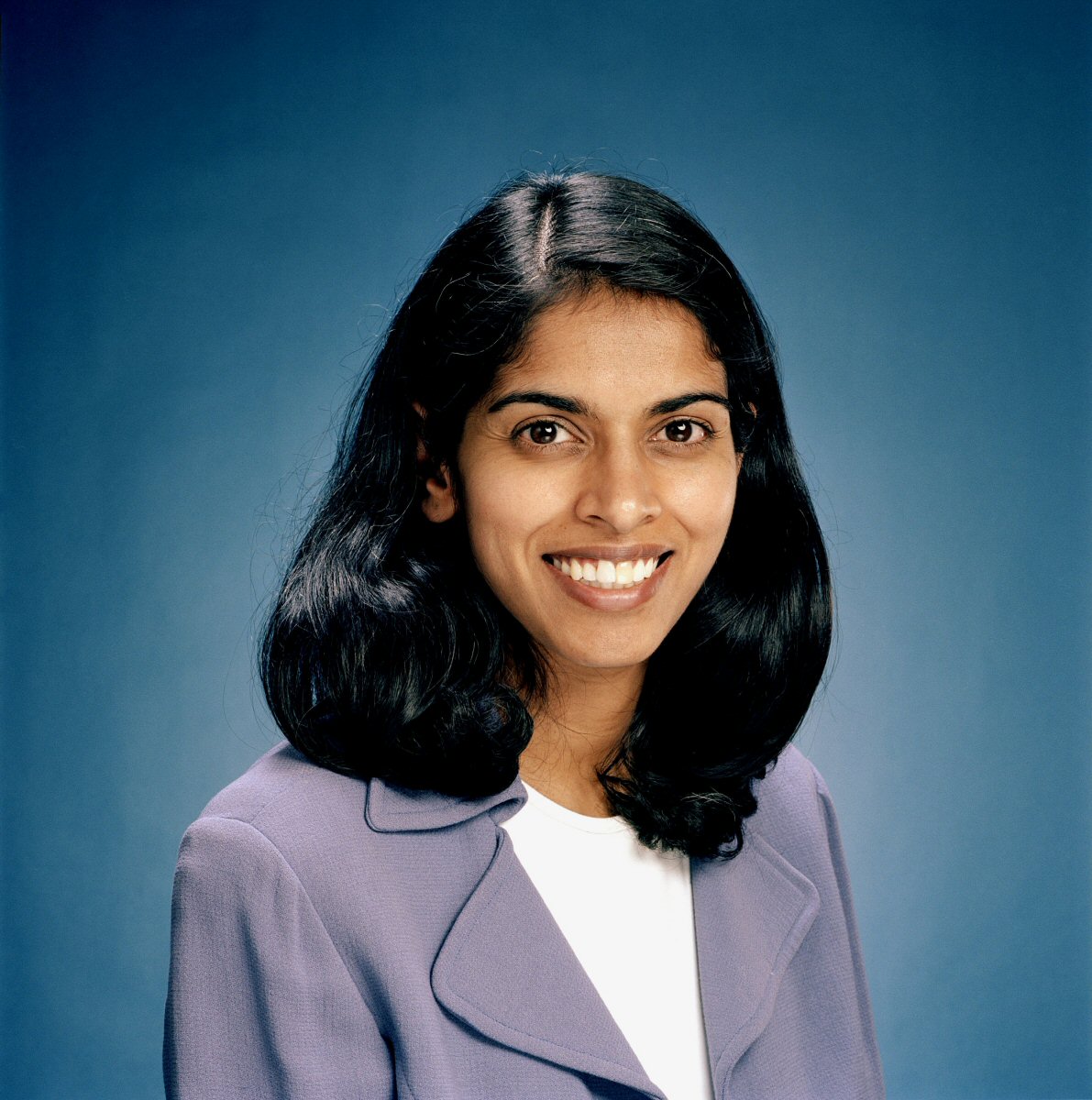
Viji Rangaswami is an associate in the Trade, Equity, and Development Project at the Carnegie Endowment.
Former Associate
Recent Work
Viji Rangaswami, Lionel Johnson
Viji Rangaswami
Carnegie does not take institutional positions on public policy issues; the views represented herein are those of the author(s) and do not necessarily reflect the views of Carnegie, its staff, or its trustees.

Its reinstatement should be celebrated, but it retains some major shortcomings.

Leonardo Martinez-Diaz
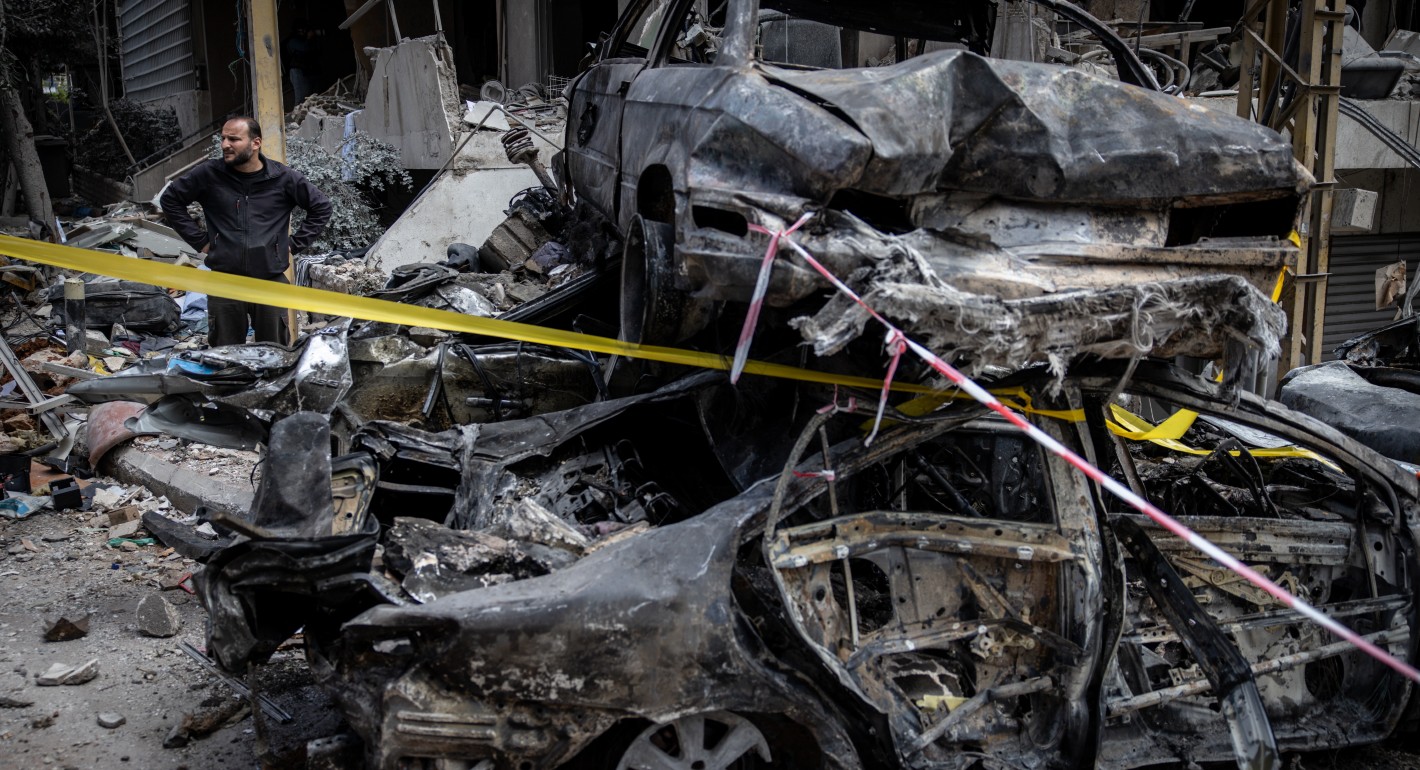
Four Middle East experts analyze the region’s reactions and next steps.



Amr Hamzawy, Andrew Leber, Eric Lob, …
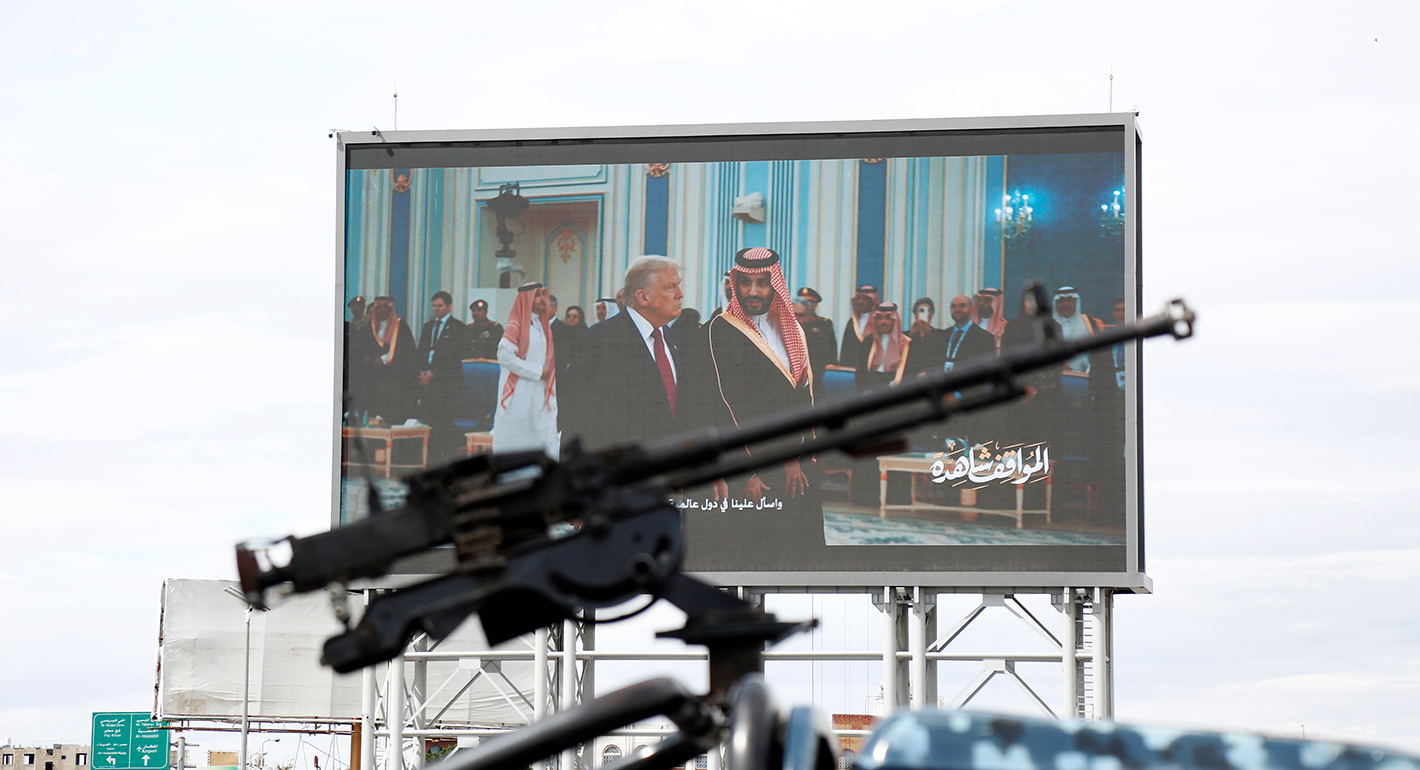
As the war between the United States, Israel, and Iran continues, Carnegie scholars contribute cutting-edge analysis on the events of the war and their wide-reaching implications. From the impact on Iran and its immediate neighbors to the responses from Gulf states to fuel and fertilizer shortages caused by the effective shutdown of the Strait of Hormuz, the war is reshaping Middle East alliances and creating shockwaves around the world. Carnegie experts analyze it all.
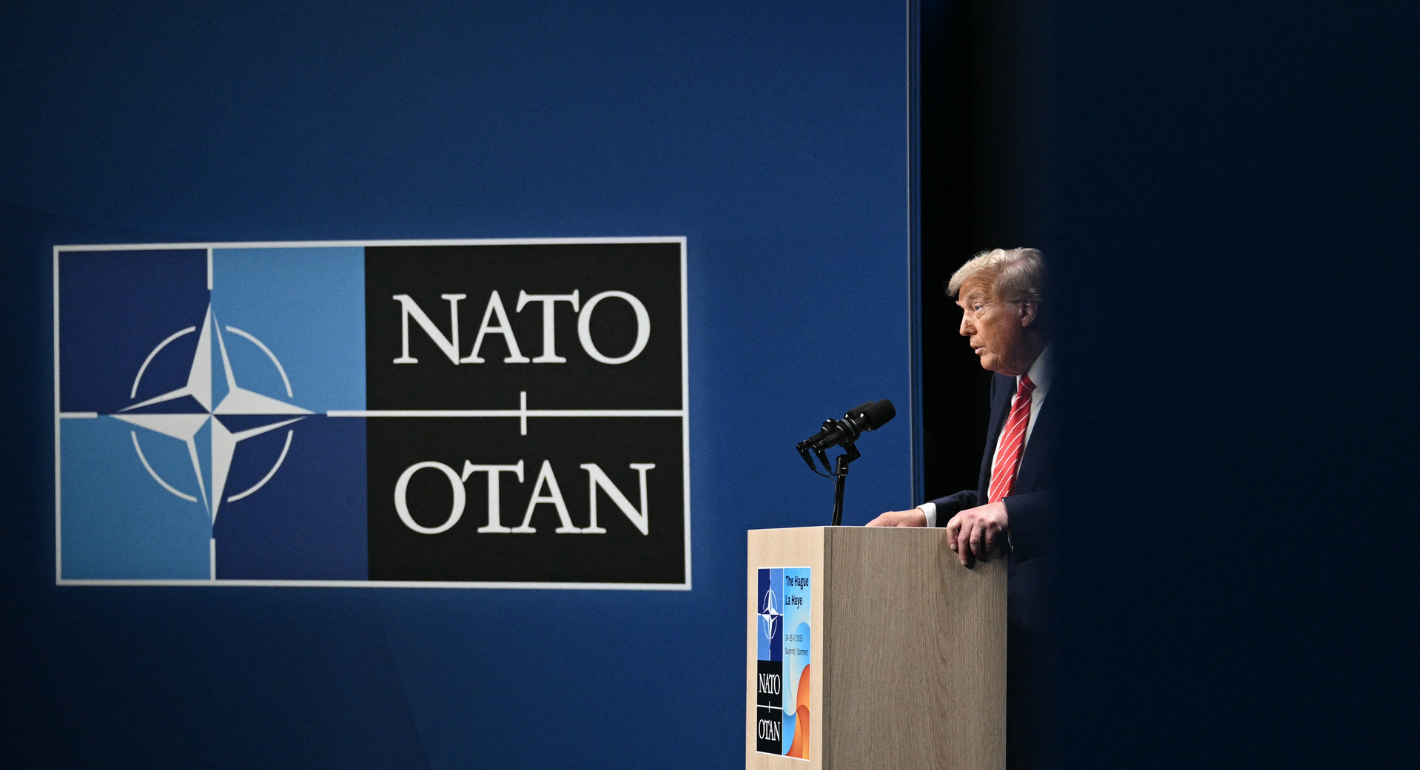
Donald Trump has repeatedly bashed NATO and European allies, threatening to annex Canada and Greenland and deploring their lack of enthusiasm for his war of choice in Iran. Is this latest round of abuse the final straw?

Rym Momtaz, ed.

The future looks bleak for independent media worldwide, but there is a robust infrastructure of knowledge, organizations, and people to build upon.


Daniel Sabet, Susan Abbott