

Article
Viji Rangaswami, Lionel Johnson
{
  "authors": [
    "Viji Rangaswami"
  ],
  "type": "other",
  "centerAffiliationAll": "",
  "centers": [
    "Carnegie Endowment for International Peace"
  ],
  "collections": [],
  "englishNewsletterAll": "",
  "nonEnglishNewsletterAll": "",
  "primaryCenter": "Carnegie Endowment for International Peace",
  "programAffiliation": "",
  "programs": [],
  "projects": [],
  "regions": [
    "North America",
    "United States"
  ],
  "topics": [
    "Economy",
    "Trade"
  ]
}
REQUIRED IMAGE
The U.S. should provide open access for least developed country exports, which would yield real benefits to the global poor and allow the U.S. to reclaim its leadership position in the struggling WTO round.
Source: Carnegie Endowment
The United States has an opportunity to change the dynamics of the stalemated global trade talks at the World Trade Organization (WTO). Over the past few months, countries have criticized the United States for demanding that they open their markets to U.S. farm and manufactured goods exports, while at the same time refusing to open the U.S. market to goods from the poorest countries.
In a new Policy Outlook, Nickel and Diming the Poor: U.S. Implementation of the LDC Initiative, Viji Rangaswami argues that the U.S. should provide open access for least developed country exports, which would yield real benefits to the global poor and allow the U.S. to reclaim its leadership position in the struggling WTO round.
About the Author
Viji Rangaswami is an associate in the Trade, Equity, and Development Project at the Carnegie Endowment for International Peace. Her work focuses on how multilateral and regional trade agreements, as well as unilateral preference programs, can promote development, particularly among the least developed countries.
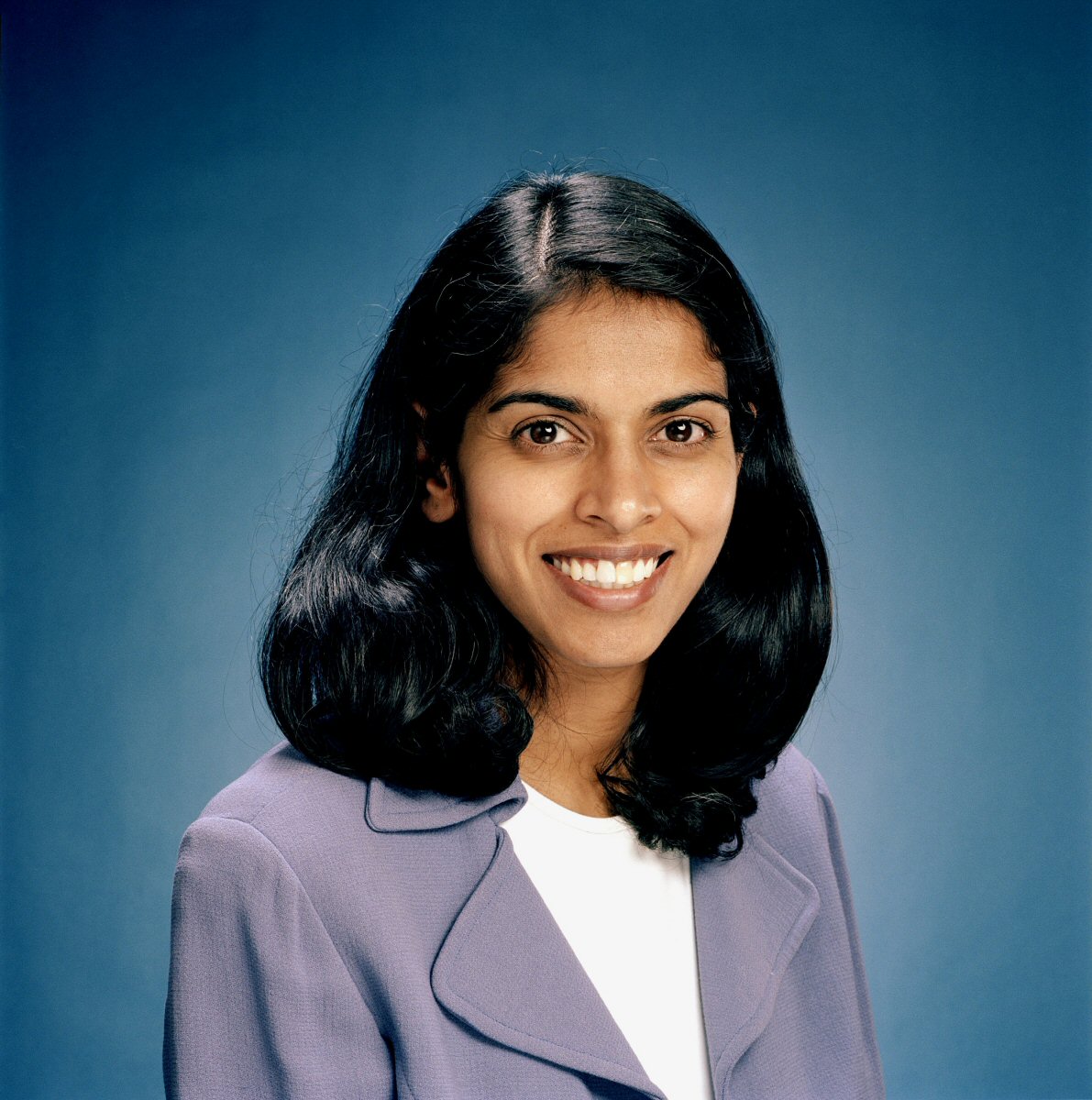
Former Associate
Recent Work
Viji Rangaswami, Lionel Johnson
Carnegie does not take institutional positions on public policy issues; the views represented herein are those of the author(s) and do not necessarily reflect the views of Carnegie, its staff, or its trustees.
It would provide a golden opportunity to reconsider what success looks like.

Michael Mazarr
A leak of Russian gas price data helps establish that China is paying Russia far less than Central Asian countries and Gazprom’s former European customers.

Sergey Vakulenko

The EU can impose sanctions but struggles to enforce them without the United States. With Washington increasingly disinterested in backing European interests, the bloc must now fend for itself.


Nicu Popescu, Tiago Antunes

Rubio’s recent visit brought welcome attention, but more capital requires governance changes that may be a hard sell for regional governments.

Jennifer B. Murtazashvili

America’s foreign-policy objectives have grown more demanding while Americans have demanded greater focus on their own affairs.

Stephen Wertheim