

Article
China has showcased its engineering prowess with small modular reactor demonstration projects. But turning these technological achievements into commercial success will be a greater challenge.
Tong Zhao

REQUIRED IMAGE
Iranian President Mahmoud Ahmadinejad’s demagoguery has triggered a strong European backlash that may produce the Western unity long lacking in negotiations with Iran. European leaders have denounced Ahmadinejad’s screeds against Israel and his denial of the Holocaust, linked them to deep suspicions of Iran’s nuclear program and begun talk of sanctions and other actions to force Iranian compliance with its treaty obligations. Ahmadinejad’s radical statements did not start EU-US collaboration, but will strengthen their partnership in support of Security Council referral.
EU-Iranian negotiations, set to begin December 21, will be the first time since August of this year that the EU (led by Britain, France and Germany) will hold direct talks with the Iranians. On August 5, the Europeans gave Iran a “Framework for a Long-term Agreement,” but negotiations stalled 3 days later when Iran restarted its uranium conversion program at Isfahan.(Read More)
Iranian President Mahmoud Ahmadinejad’s demagoguery has triggered a strong European backlash that may produce the Western unity long lacking in negotiations with Iran. European leaders have denounced Ahmadinejad’s screeds against Israel and his denial of the Holocaust, linked them to deep suspicions of Iran’s nuclear program and begun talk of sanctions and other actions to force Iranian compliance with its treaty obligations. Ahmadinejad’s radical statements did not start EU-US collaboration, but will strengthen their partnership in support of Security Council referral.
EU-Iranian negotiations, set to begin December 21, will be the first time since August of this year that the EU (led by Britain, France and Germany) will hold direct talks with the Iranians. On August 5, the Europeans gave Iran a “Framework for a Long-term Agreement,” but negotiations stalled 3 days later when Iran restarted its uranium conversion program at Isfahan.
In the past few weeks:
• UK Prime Minister Tony Blair called “unacceptable” Iran’s “attitude towards Israel, their attitude towards terrorism, and their attitude on the nuclear weapons issue.” Blair said the British are now going to start to ask, “when are you going to do something about this? Because you imagine a state like that, with an attitude like that, having a nuclear weapon?”
• President Jacques Chirac said he “was profoundly shocked by the statements of the Iranian President, which are totally senseless and irresponsible. The Iranian President is taking the risk of his country being made an outlaw state."
• The European Council (made up of heads of state of all European Union governments and the President of the European Commission) condemned “in the strongest terms the comments in respect to the State of Israel made by President Ahmadinejad.”
• The German Chancellor’s Chief of Staff Thomas de Maizière said the German government intends to explore “measures (against Iran) at the United Nations level.” According to Der Spiegel, the question is not if Germany should sanction Iran, but what type of sanctions would work. “After all, anything other than an oil embargo would likely be ineffective.”
• Pascal Boniface, a leading French expert, sometimes called the voice of the French government, claimed Ahmadinejad’s “kill Israel” remarks are confirmation of our worst fears in respect to Iran’s nuclear intentions, “wiped off the map has a correlation with nuclear attack,” he said.
European Union representatives have not gone so far as to abandon negotiations. Benita Ferrero-Waldner, EU Commissioner for External Relations condemned Ahmadinejad’s remarks in her speech to the European parliament but noted, “on the nuclear track, we still believe that engagement is far preferable to brinkmanship, confrontation and isolation.” The EU Council’s November conclusion on the issue stressed “the EU's continued support for a diplomatic solution to international concerns over Iran's nuclear programme.”
Although the EU is open to negotiate with the Iranians, after Ahmadinejad’s remarks they want to make a threat of referral to the UN Security Council more credible. Der Spiegel quoted German Foreign Minister Frank-Walter Steinmeier during an official visit to Washington, November 29, as saying that now "we need a credible threat" against Iran. On Friday, December 16, after Secretary of State Condoleezza Rice met in Paris with top French officials, Foreign Affairs Minster Douste-Blazy said similarly that “we must make the Security Council option credible."
Now, the EU will make this threat to Iran more credible by formally joining forces with the US. The EU and the US have already made separate statements to the IAEA Board of Governors in September that supported sending Iran’s “noncompliance to the U.N. Security Council.” The next step will be EU-US joint statements.
The European-Iranian negotiations will begin under an ominous cloud. Unless Iran changes course, it now seems that the Western governments will move sooner rather than later to coordinate a common position on sanctions and referral to the Security Council.
Jill Marie Parillo
Carnegie does not take institutional positions on public policy issues; the views represented herein are those of the author(s) and do not necessarily reflect the views of Carnegie, its staff, or its trustees.
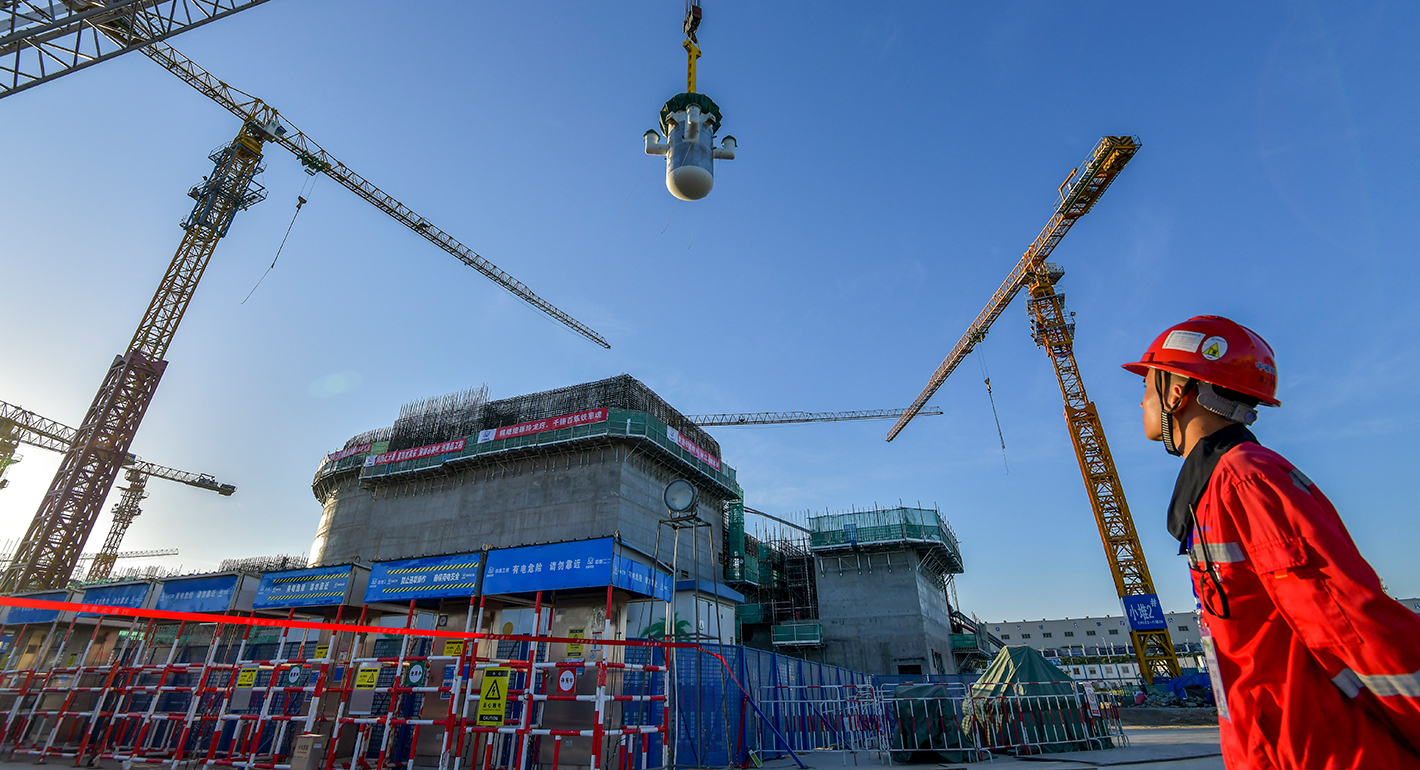
China has showcased its engineering prowess with small modular reactor demonstration projects. But turning these technological achievements into commercial success will be a greater challenge.

Tong Zhao
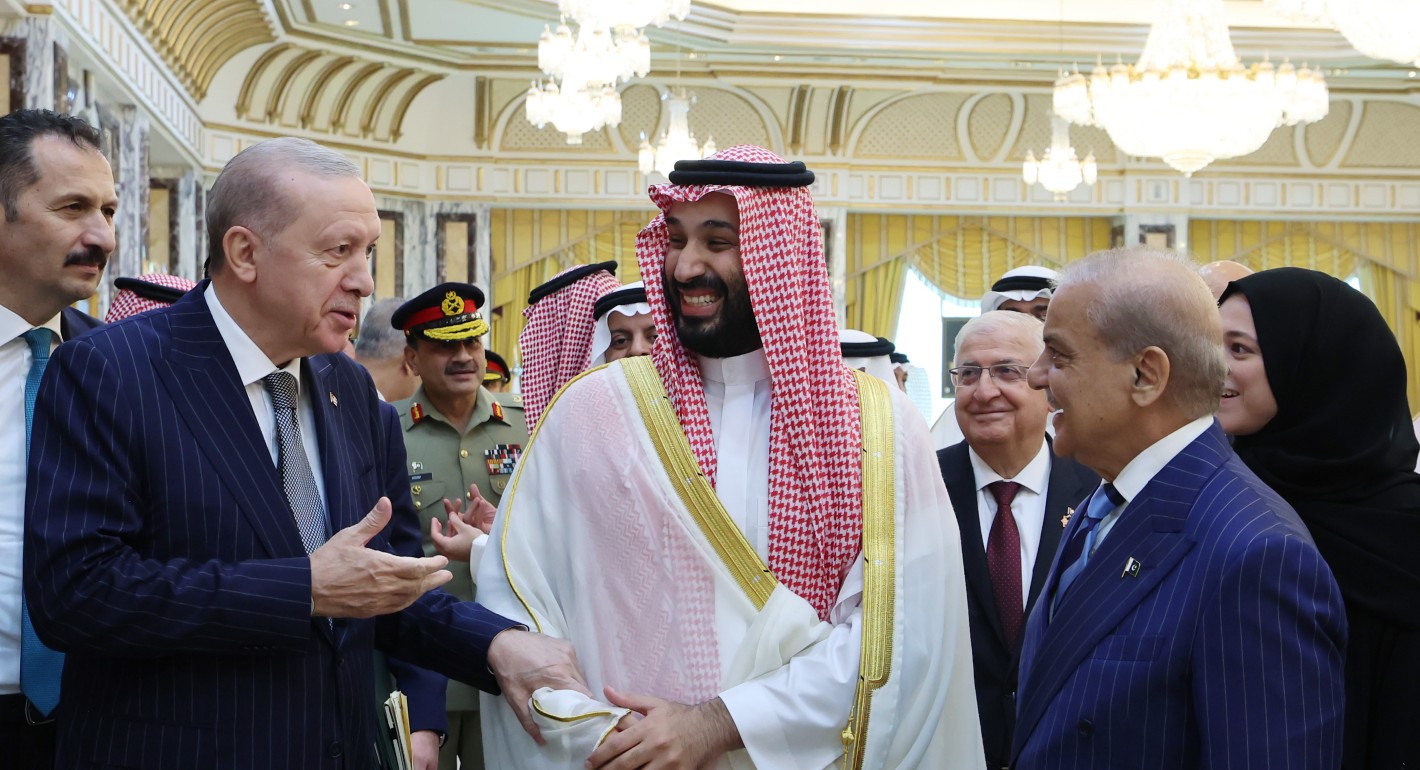
Why Pakistan, Saudi Arabia, and Turkey are joining forces on regional security.
Alper Coşkun, Amr Hamzawy
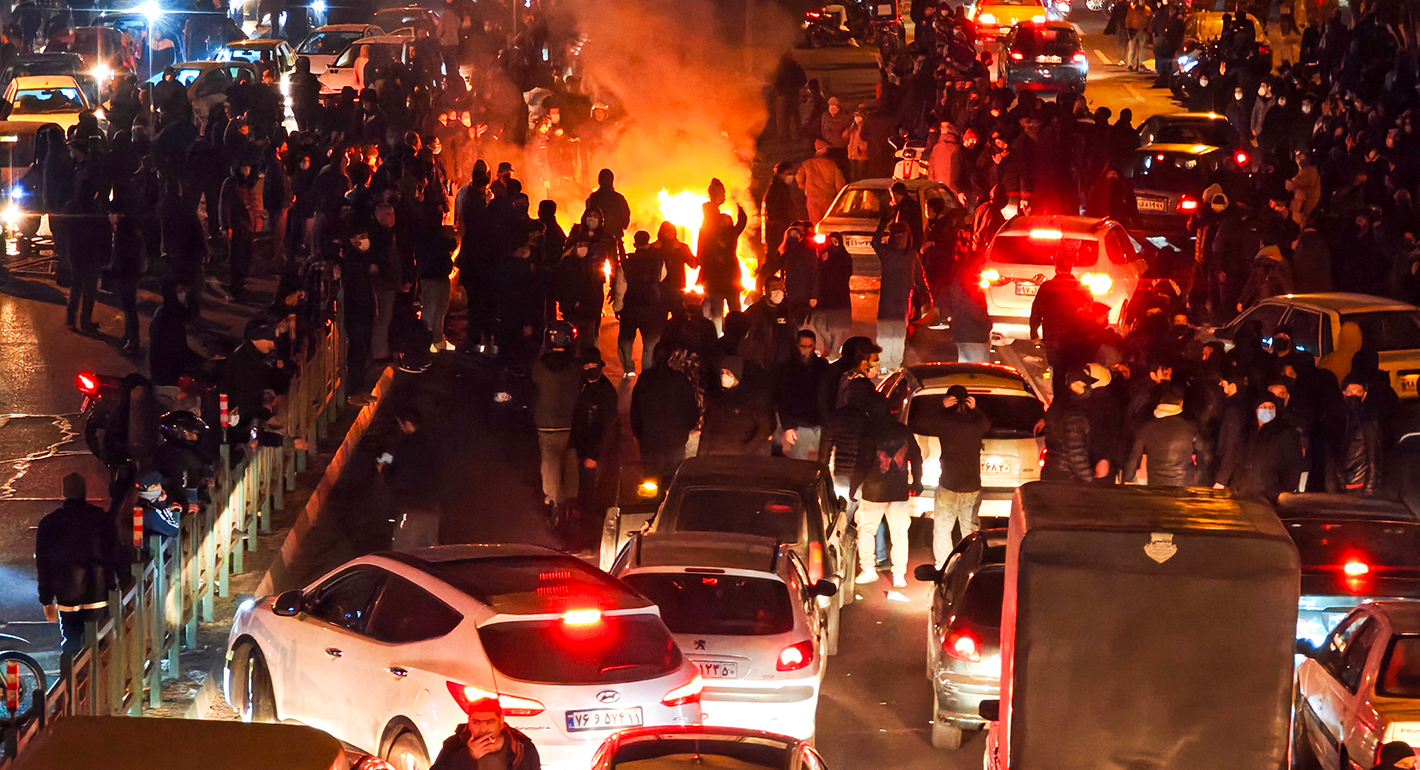
Protests in Iran follow a similar pattern: Economic grievances turn into political protests that spread nationwide. But increased state repression has begun to shift the arrangement.
Eric Lob
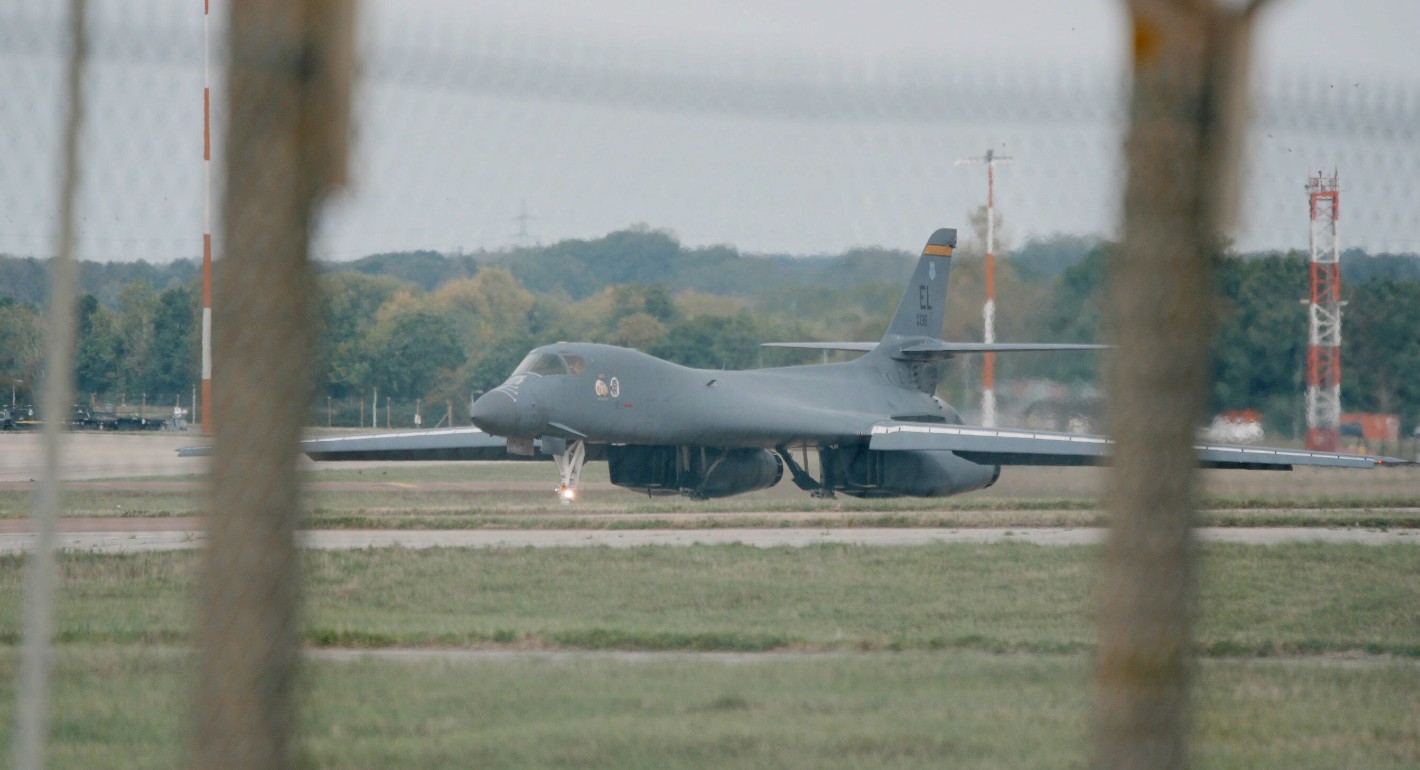
It signals a new era of tech diffusion and warfare.
Steve Feldstein
Producing nuclear fuel quickly enough remains a major risk factor for the emerging advanced reactor industry.
Elmer W. Dyke