

Commentary
Russian strikes are weakening the economy sustaining Ukraine’s war effort. Closing the growing funding gap will require more European support and politically contentious reforms in Kyiv.
Balázs Jarábik
{
  "authors": [],
  "type": "testimony",
  "centerAffiliationAll": "",
  "centers": [
    "Carnegie Endowment for International Peace"
  ],
  "collections": [],
  "englishNewsletterAll": "",
  "nonEnglishNewsletterAll": "",
  "primaryCenter": "Carnegie Endowment for International Peace",
  "programAffiliation": "",
  "programs": [],
  "projects": [],
  "regions": [
    "North America",
    "South America",
    "Middle East",
    "North Africa",
    "Southern, Eastern, and Western Africa",
    "Western Europe"
  ],
  "topics": [
    "Economy",
    "Trade"
  ]
}
REQUIRED IMAGE
EU Trade Commissioner Peter Mandelson recommends Carnegie's new study, Winners and Losers: Impact of the Doha Round on Developing Countries.
EU Trade Commissioner Peter Mandelson has told the European Parliament that a successful Doha Agreement remains possible if all parties to the negotiations accept the need to come together in an ambitious final move that reflects the needs of all players. He argued that "the time of incremental steps, small moves and small concessions, is over."
In a speech to the International Trade Committee of the European Parliament in Brussels on March 21, Commissioner Mandelson also spoke about a new Carnegie report, Winners and Losers: Impact of the Doha Round on Developing Countries:
"I want to draw your attention to a study published this month by the Carnegie Endowment entitled 'Winners and Losers: Impact of the Doha round on Developing Countries.' This excellent study is essentially a warning. It cautions against seeing simple liberalisation in the Doha Round as a panacea for development.
"The Carnegie research reminds us that the bulk of the benefits of agricultural liberalization are limited to developed countries and a core group of highly competitive farm exporters - especially Brazil, Argentina and South Africa, and that exemptions from tariff cuts, policy space to support agricultural development and small scale farming, and the impact of preference erosion in poorer developing countries when faced with steep farm tariff reductions in the developed world should be taken into account. For all these reasons, the Carnegie research suggests that the key gains for developing countries in the DDA lie not in agriculture but in trade in industrial goods, especially in labor-intensive industries like shoes and textiles. These are arguments that the EU has long accepted and that others – including some in the NGO community - would do well to absorb."
Carnegie does not take institutional positions on public policy issues; the views represented herein are those of the author(s) and do not necessarily reflect the views of Carnegie, its staff, or its trustees.

Russian strikes are weakening the economy sustaining Ukraine’s war effort. Closing the growing funding gap will require more European support and politically contentious reforms in Kyiv.

Balázs Jarábik

A notable degree of participative democracy has firmly arrived in Europe. But to have more far-reaching impact, democratic deliberation needs to move into a radically new phase.

Richard Youngs

Much has been said of the changes Brussels is trying to make to the EU enlargement process. Here’s why gradual integration might—or might not—be the answer.

Dimitar Bechev
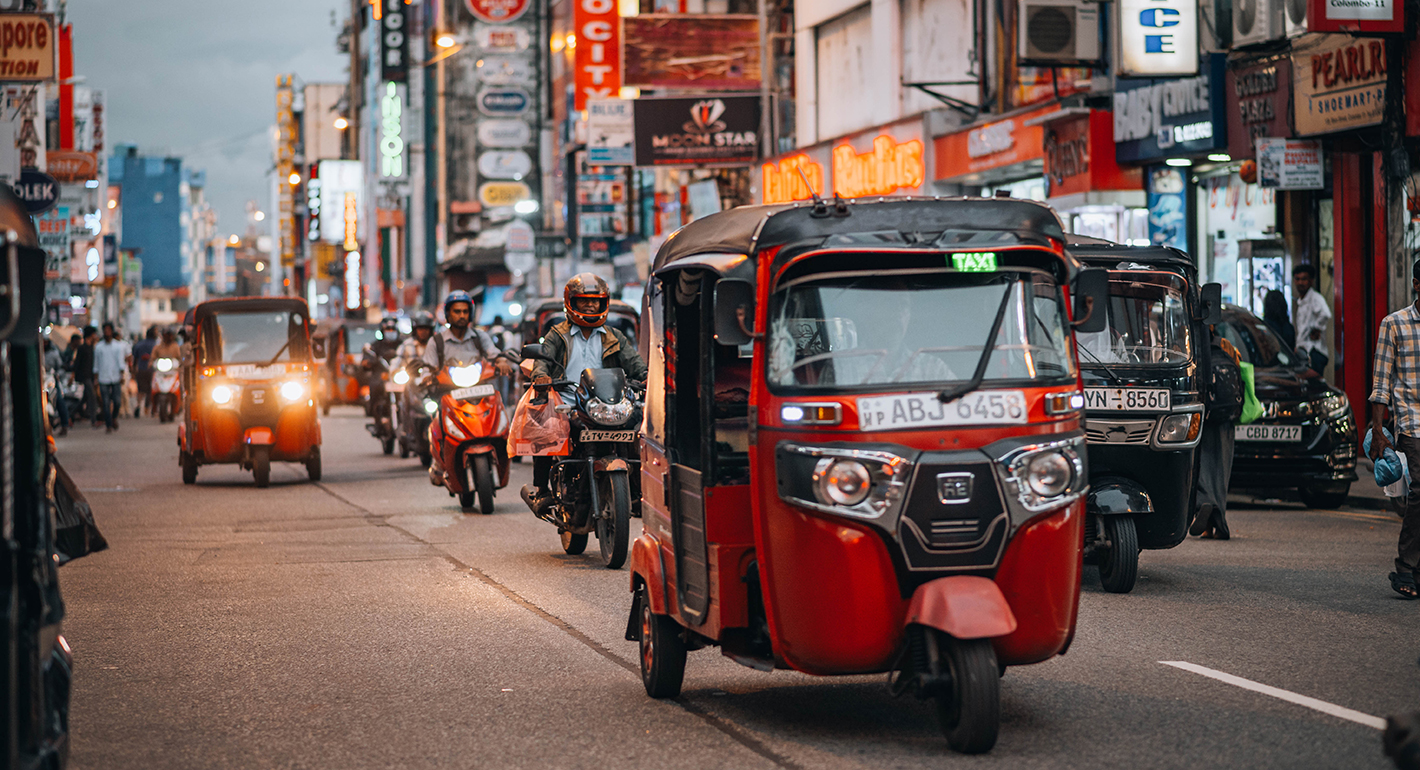
Economic recovery has brought Sri Lanka a modicum of stability, but domestic strains and great-power rivalry could test how long it lasts.

Avinash Paliwal
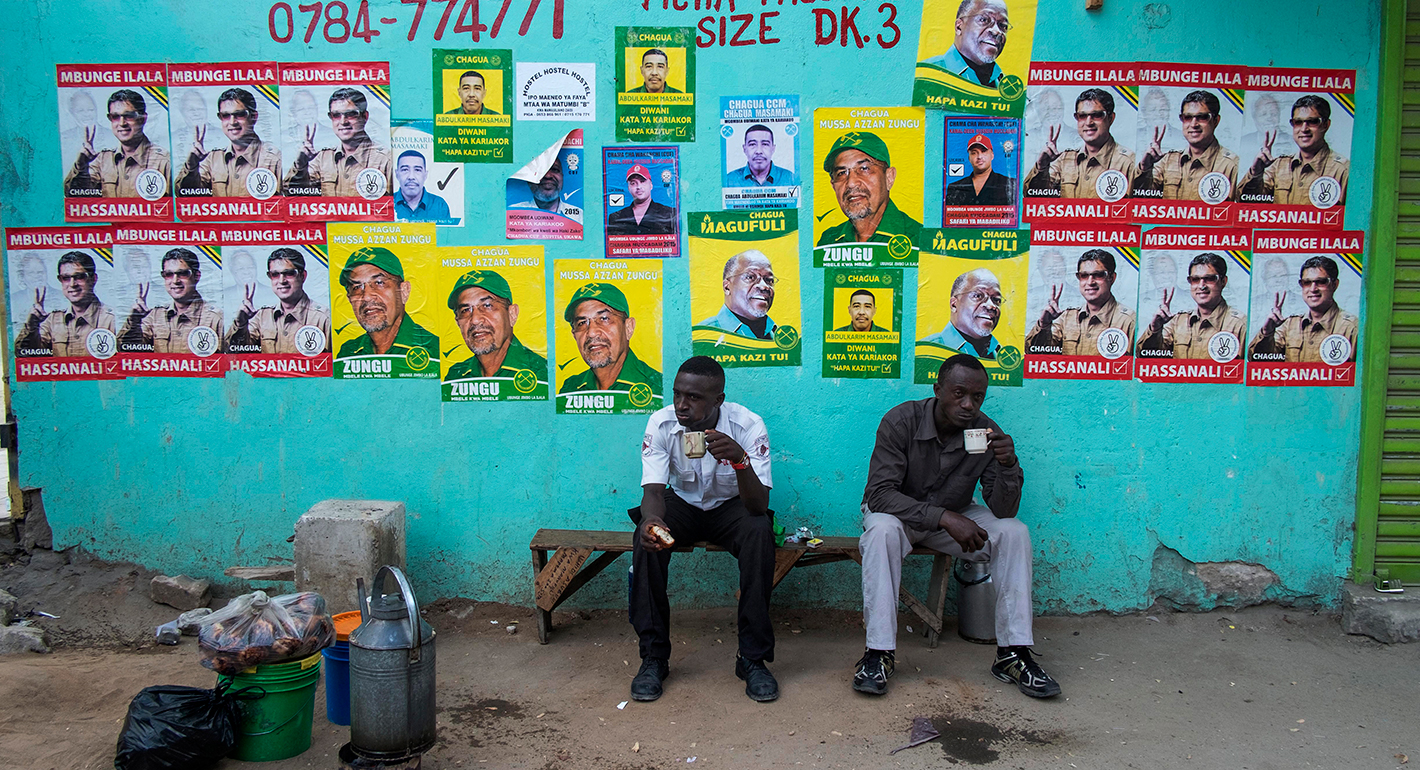
Today’s global democratic recession is partly rooted in a common perception that democracies have a delivery problem, with many citizens in both autocracies and democracies alike now believing that strongmen can achieve better governance outcomes. But a study of four countries in Africa reveals that democratic-leaning governments have demonstrated better governance performance than autocratic governments.


Sarah Yerkes, Natalie Triche, Amr Hamzawy