

Commentary
Washington’s decision to support some UN functions while letting others wither is pulling the organization apart at the seams.
Stewart Patrick, Theodore Zaritsky
{
  "authors": [
    "Josh Kurlantzick",
    "Joshua Eisenman"
  ],
  "type": "legacyinthemedia",
  "centerAffiliationAll": "dc",
  "centers": [
    "Carnegie Endowment for International Peace"
  ],
  "collections": [],
  "englishNewsletterAll": "asia",
  "nonEnglishNewsletterAll": "",
  "primaryCenter": "Carnegie Endowment for International Peace",
  "programAffiliation": "AP",
  "programs": [
    "Asia"
  ],
  "projects": [],
  "regions": [
    "Sudan",
    "China"
  ],
  "topics": [
    "Economy",
    "Military",
    "Foreign Policy"
  ]
}
REQUIRED IMAGE
Source: Current History
A decade ago, China’s influence in Africa was limited. Its aid programs were hardly significant, its diplomats relatively unskilled. And many Chinese were unsure about their country’s role as an international actor. In most international forums, China did little other than defend core interests, like the “one China” principle. Recently, however, continued strong economic growth, a more sophisticated generation of Chinese leaders, better scholarship in China on Africa, and a domestic population more confident in China as a global actor have encouraged Beijing to take a more proactive approach to foreign affairs.
Beijing’s motives are clear. China’s growing industries demand new energy and raw material suppliers; its exporters want markets; its diplomats require support in international organizations; and its propaganda still seeks support from allies to advance Chinese interests and, when necessary, to counter the United States.
For the full text of this article, please click on the link to the right.
This article originally appeared in Current History, May 2006.

Former Visiting Scholar, China Program
A special correspondent for The New Republic, a columnist for Time, and a senior correspondent for The American Prospect, Kurlantzick assesses China’s relationship with the developing world, including Southeast Asia, Africa, and Latin America.
Joshua Eisenman
Carnegie does not take institutional positions on public policy issues; the views represented herein are those of the author(s) and do not necessarily reflect the views of Carnegie, its staff, or its trustees.
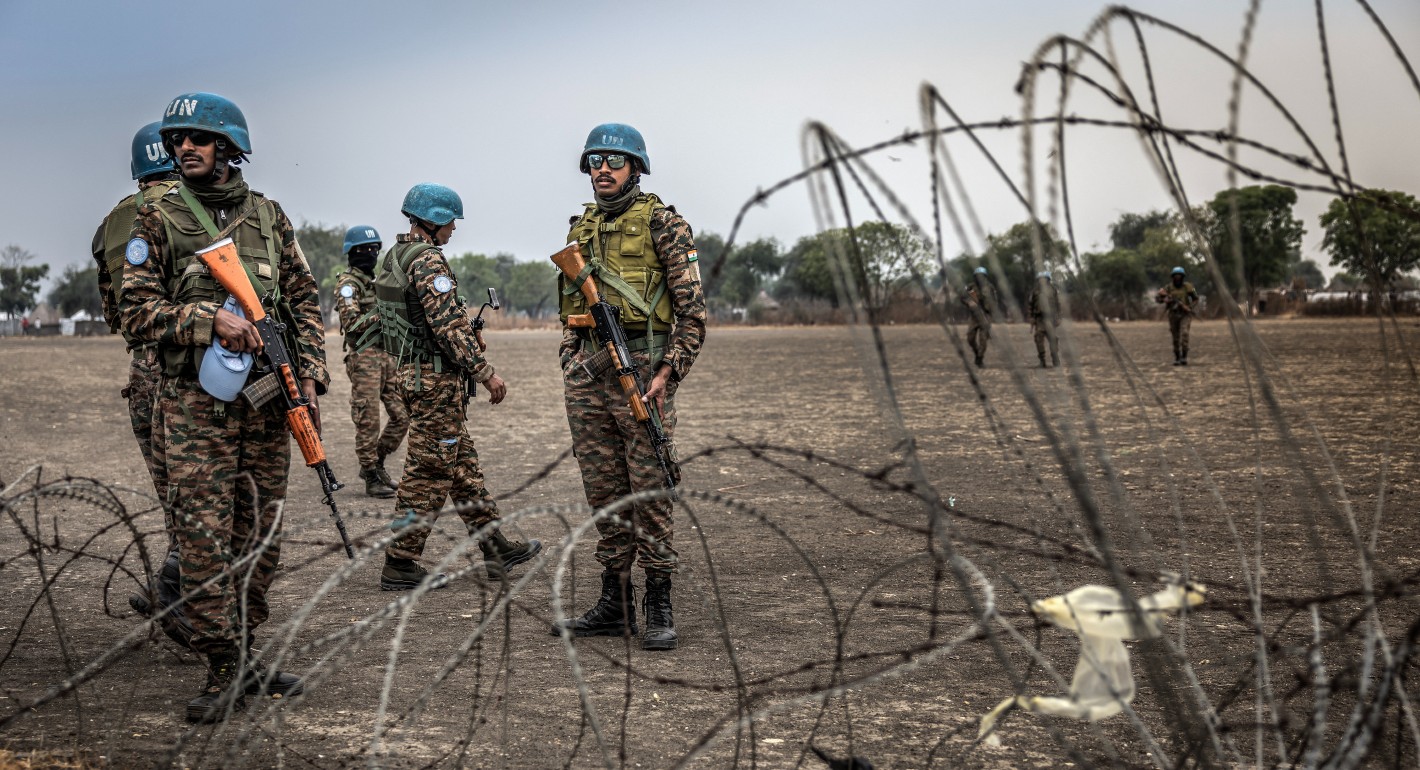
Washington’s decision to support some UN functions while letting others wither is pulling the organization apart at the seams.

Stewart Patrick, Theodore Zaritsky

Are Germany’s economic, industrial, and political struggles becoming a liability for the EU’s ability to rise to the geopolitical moment?

Rym Momtaz, ed.

China’s police training infrastructure construction projects provide benefits to recipient countries, promote China’s image as a major global security provider, and are likely to reinforce alignment between Beijing’s security priorities and those of countries in the Global South.


Cameron Waltz, Sheena Chestnut Greitens, Kim Nguyen, …
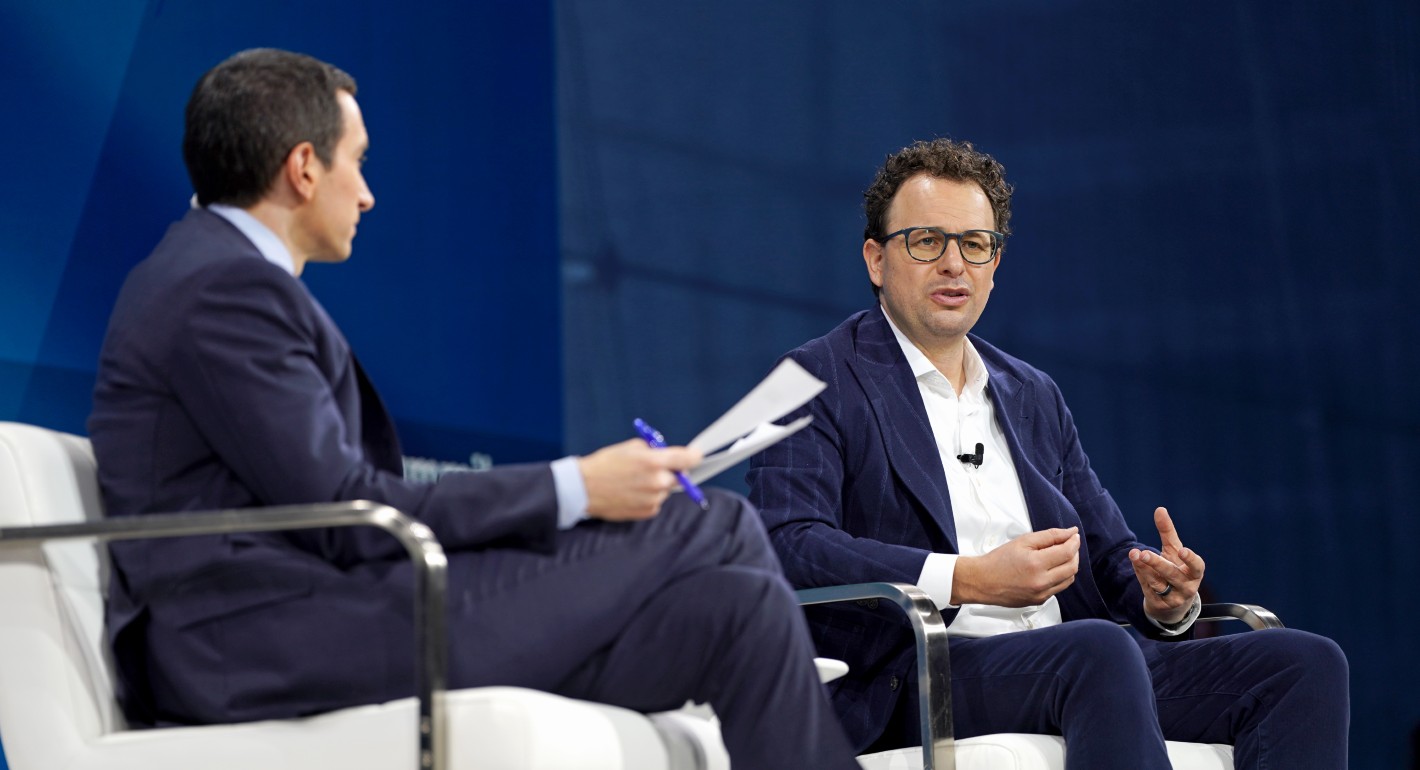
AI capabilities are moving fast. Most institutions—including governments—can’t keep up.


Anton Leicht, Scott Singer
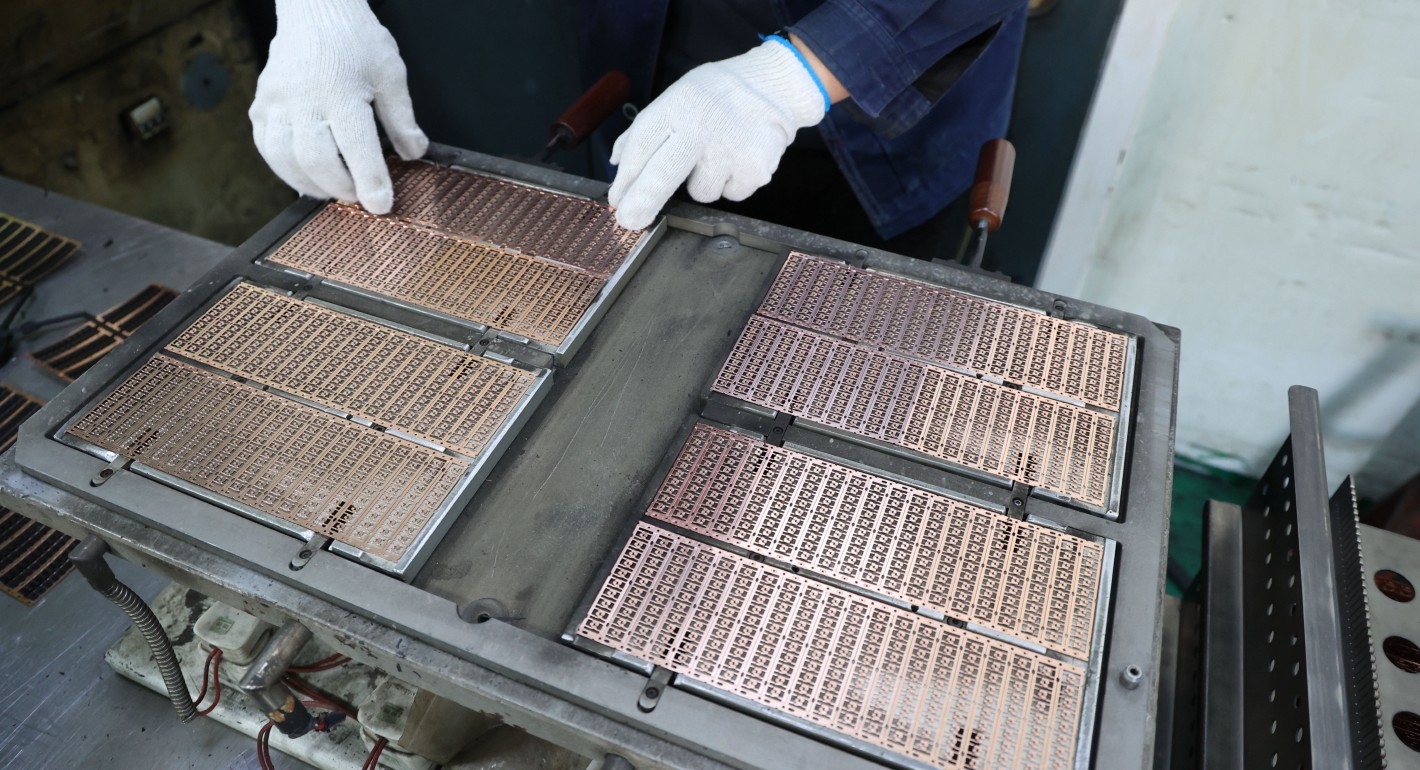
The Bureau of Industry and Security needs to adjust its focus and practices to maintain its position as the U.S. government’s primary champion of international technological competition.
Geoffrey Irving