

Commentary
Montenegro and Albania are frontrunners for EU enlargement in the Western Balkans, but they can’t just sit back and wait. To meet their 2030 accession ambitions, they must make a strong positive case.
Dimitar Bechev, Iliriana Gjoni

REQUIRED IMAGE
The regime of Bashar al-Asad is under pressure from Syrian citizens who want a different political system and from the United States, which wants Syria to change its regional policy. As a result, it is impossible to separate completely a domestic process of political reform from the external pressures.
Source: Carnegie Endowment
The issue of political reform in Syria straddles the line between reform of political institutions and removal from power of a particular regime and entails both domestic and external actors. In a new Carnegie Paper, Reform in Syria: Steering between the Chinese Model and Regime Change, the author explores the complexity of Syrian political reform.
The regime of Bashar al-Asad is under pressure from Syrian citizens who want a different political system and different leadership. He is also under pressure from the United States, which wants Syria to change its regional policy: stop intruding in Lebanese affairs, reduce support of Palestinian groups, and make a bigger effort to prevent infiltration of radical Islamists into Iraq. As a result, it is impossible to separate completely a domestic process of political reform from the external pressures. The two are entangled to a much greater extent than in any other country in the region except Iraq, and the analysis found in this Carnegie Paper reflects this entanglement.
Click on link above for the full text of this Carnegie Paper.
A limited number of print copies are available.
Request a copy
About the Author
Ellen Lust-Okar is an associate professor in the Department of Political Science and chair of the Council on Middle East Studies at Yale University.
Ellen Lust-Okar
Carnegie does not take institutional positions on public policy issues; the views represented herein are those of the author(s) and do not necessarily reflect the views of Carnegie, its staff, or its trustees.

Montenegro and Albania are frontrunners for EU enlargement in the Western Balkans, but they can’t just sit back and wait. To meet their 2030 accession ambitions, they must make a strong positive case.


Dimitar Bechev, Iliriana Gjoni

This piece argues that the present Indian strategy, based on opportunistic diversification and utilization of limited strategic reserves, remains inadequate when confronting supply disruptions. It evaluates India’s options in the short, medium, and long terms.

Vrinda Sahai

Its reinstatement should be celebrated, but it retains some major shortcomings.

Leonardo Martinez-Diaz
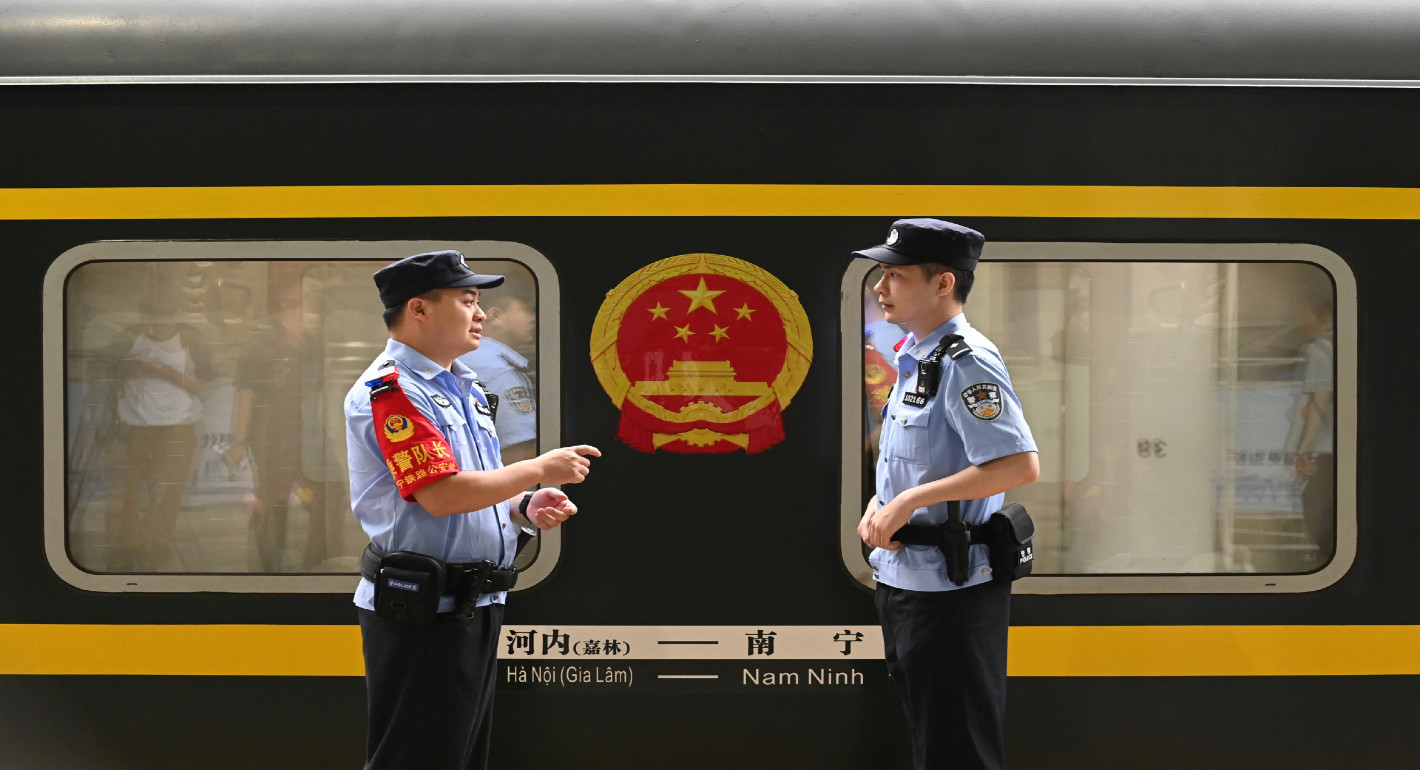
Despite long-standing differences, China and Vietnam are reinforcing common ground for collaboration, especially in public security. This internal security–centered diplomacy offers a strengthened road map for how China moves forward with Southeast Asia.
Sophie Zhuang
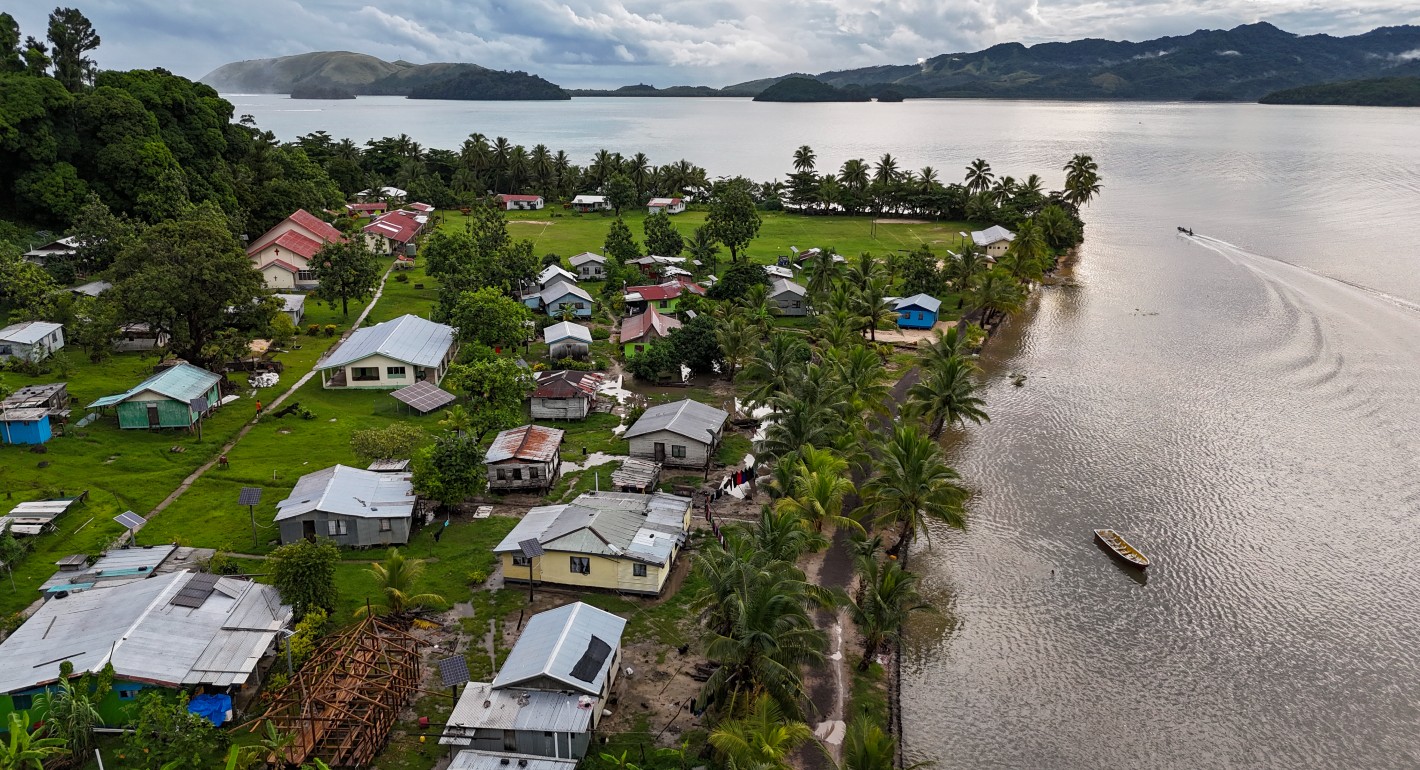
Climate mobility interventions can vary, but they all present opportunities to unlock transformative results that mitigate costs associated with inaction.

Alejandro Martin Rodriguez