Commentary
Four Middle East experts analyze the region’s reactions and next steps.
- +1
Amr Hamzawy, Andrew Leber, Eric Lob, …

REQUIRED IMAGE
Source: Carnegie Endowment
Russia has been in the process of seeking membership in the World Trade Organization (WTO) since June 1993. Currently, the United States is the only major economic power that has yet to finalize a bilateral market access agreement with the Russian Federation. Most observers of the situation concur that the enforcement of intellectual property rights laws remains, along with agriculture, one of the two major hurdles to Russian accession to the World Trade Organization.
This paper seeks to elucidate the challenges and policy options that Russia faces on enforcing intellectual property rights, highlighting lessons learned from the experiences of China and Ukraine. Its goal is to advance the United States–Russia dialogue on accession and to help achieve the kind of progress desired by all parties.
Click on icon above for the full text of this Carnegie Paper.
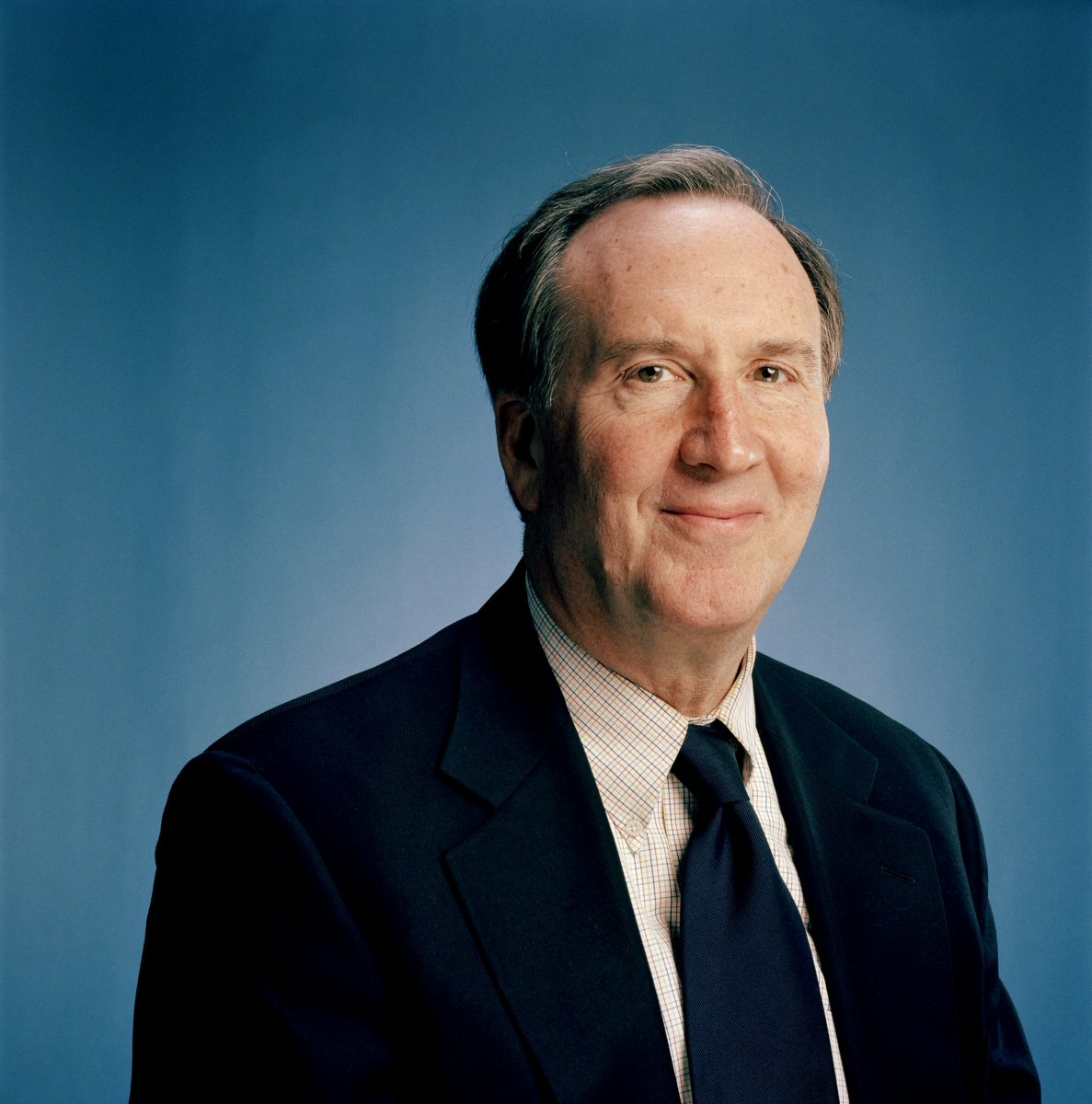
Sherman E. Katz is a senior associate at Carnegie Endowment for International Peace. His research focuses on WTO global trade negotiations in the Doha Round, implications of Chinese accession to the WTO, and the distribution of benefits from U.S. Free Trade Agreements.
Matthew Ocheltree has been a research assistant with the Trade, Equity and Development Project since February 2006.
Former Senior Associate
Matthew Ocheltree
Carnegie does not take institutional positions on public policy issues; the views represented herein are those of the author(s) and do not necessarily reflect the views of Carnegie, its staff, or its trustees.
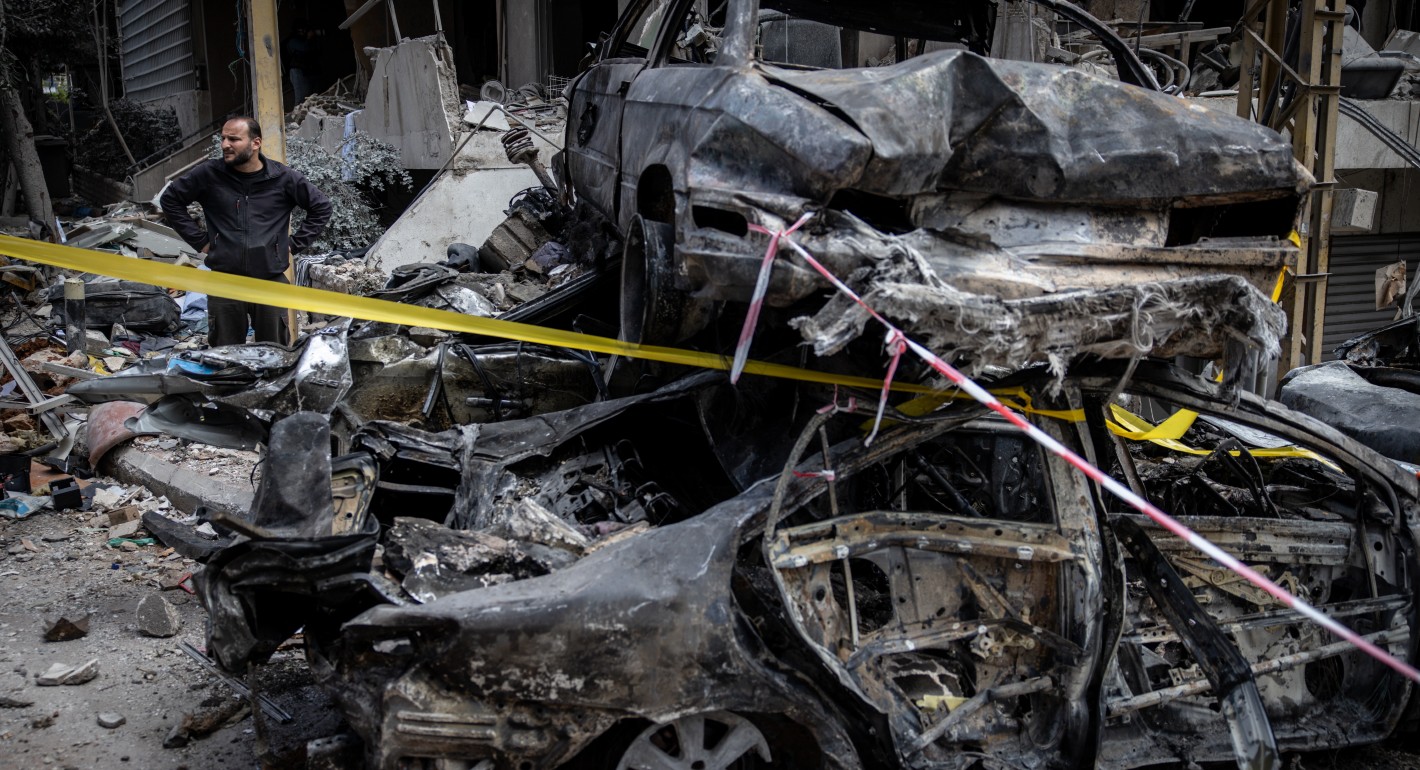
Four Middle East experts analyze the region’s reactions and next steps.



Amr Hamzawy, Andrew Leber, Eric Lob, …
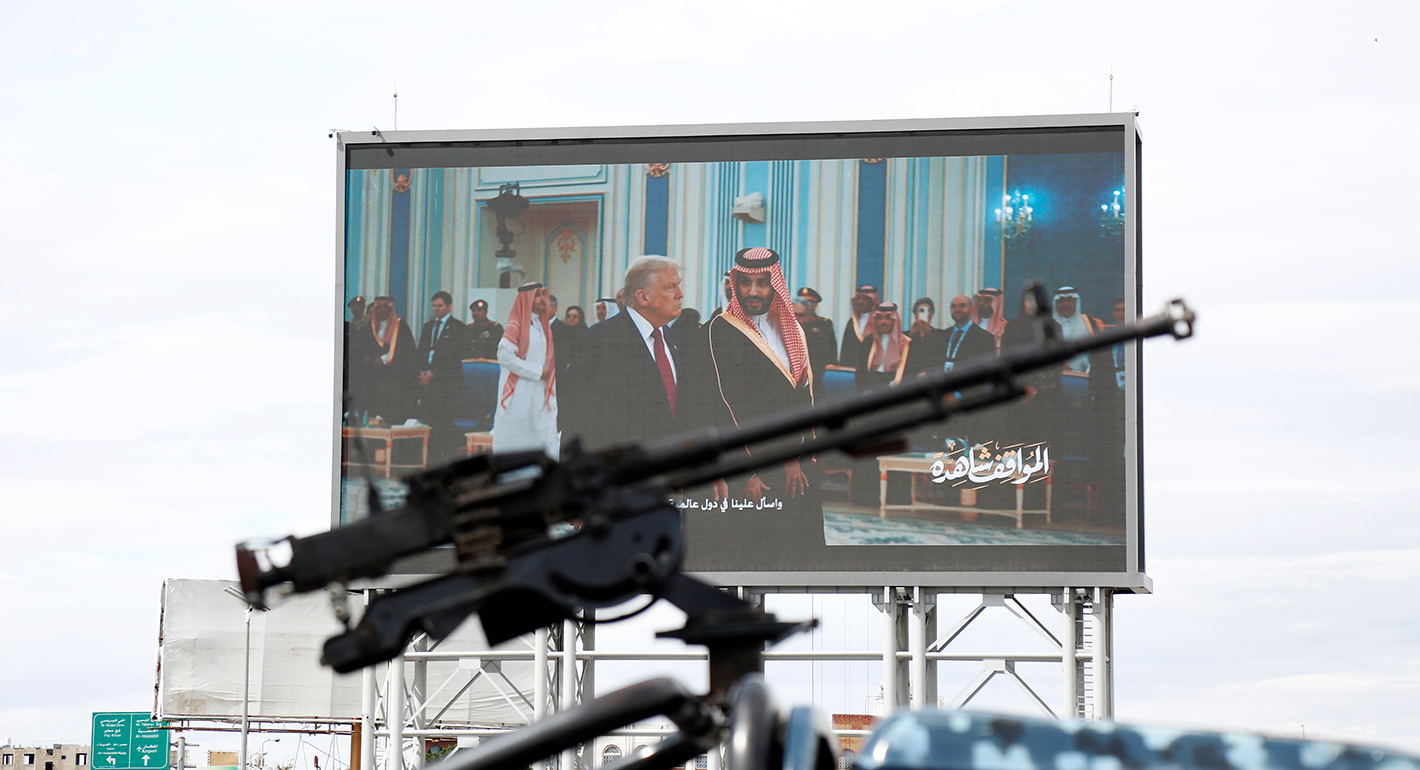
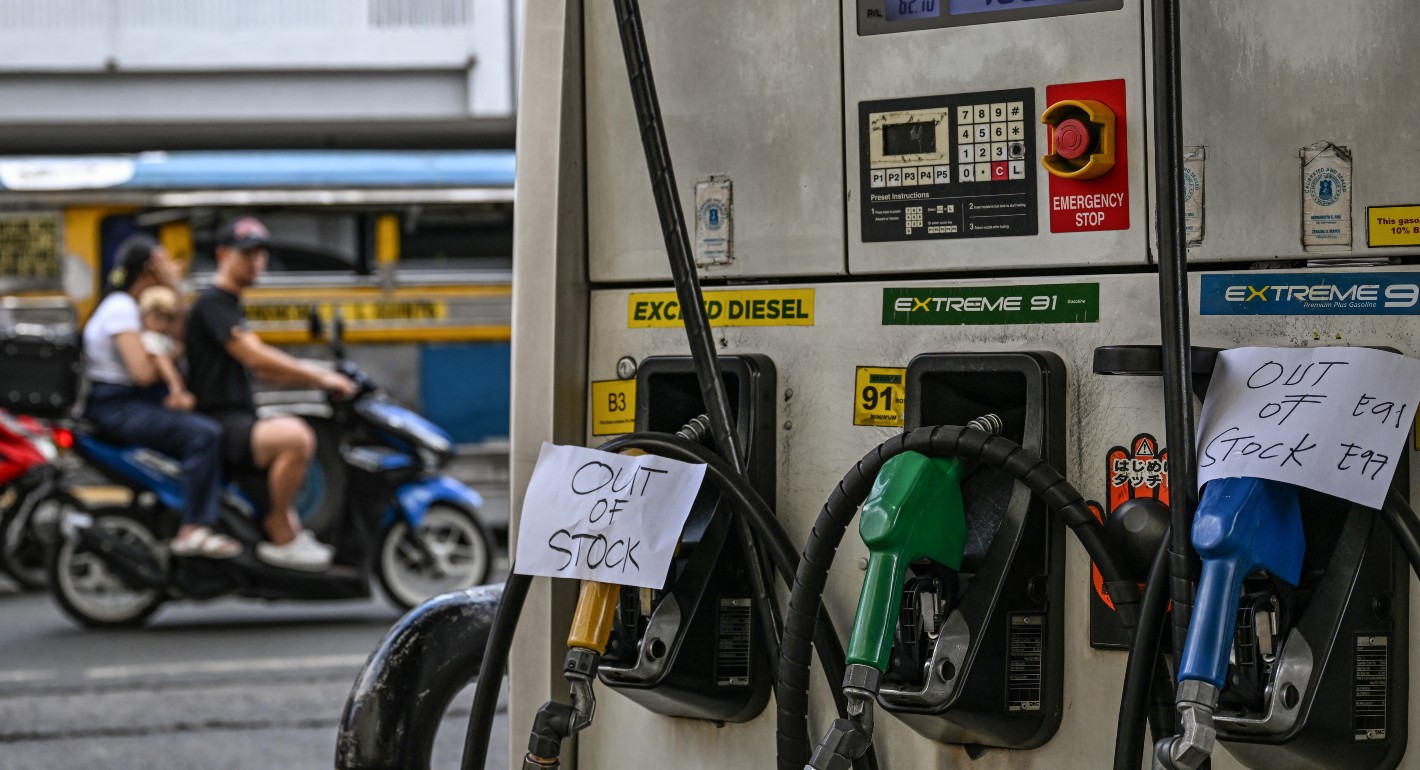
As the war between the United States, Israel, and Iran continues, Carnegie scholars contribute cutting-edge analysis on the events of the war and their wide-reaching implications. From the impact on Iran and its immediate neighbors to the responses from Gulf states to fuel and fertilizer shortages caused by the effective shutdown of the Strait of Hormuz, the war is reshaping Middle East alliances and creating shockwaves around the world. Carnegie experts analyze it all.
The return of war as the organizing factor in Middle Eastern politics has predictable consequences: governments are prioritizing regime stability and becoming averse to political and social reform.

Sarah Yerkes, Amr Hamzawy

Central Asia’s digital ambitions are achievable, but only if policy is aligned with the region’s physical constraints.

Aruzhan Meirkhanova
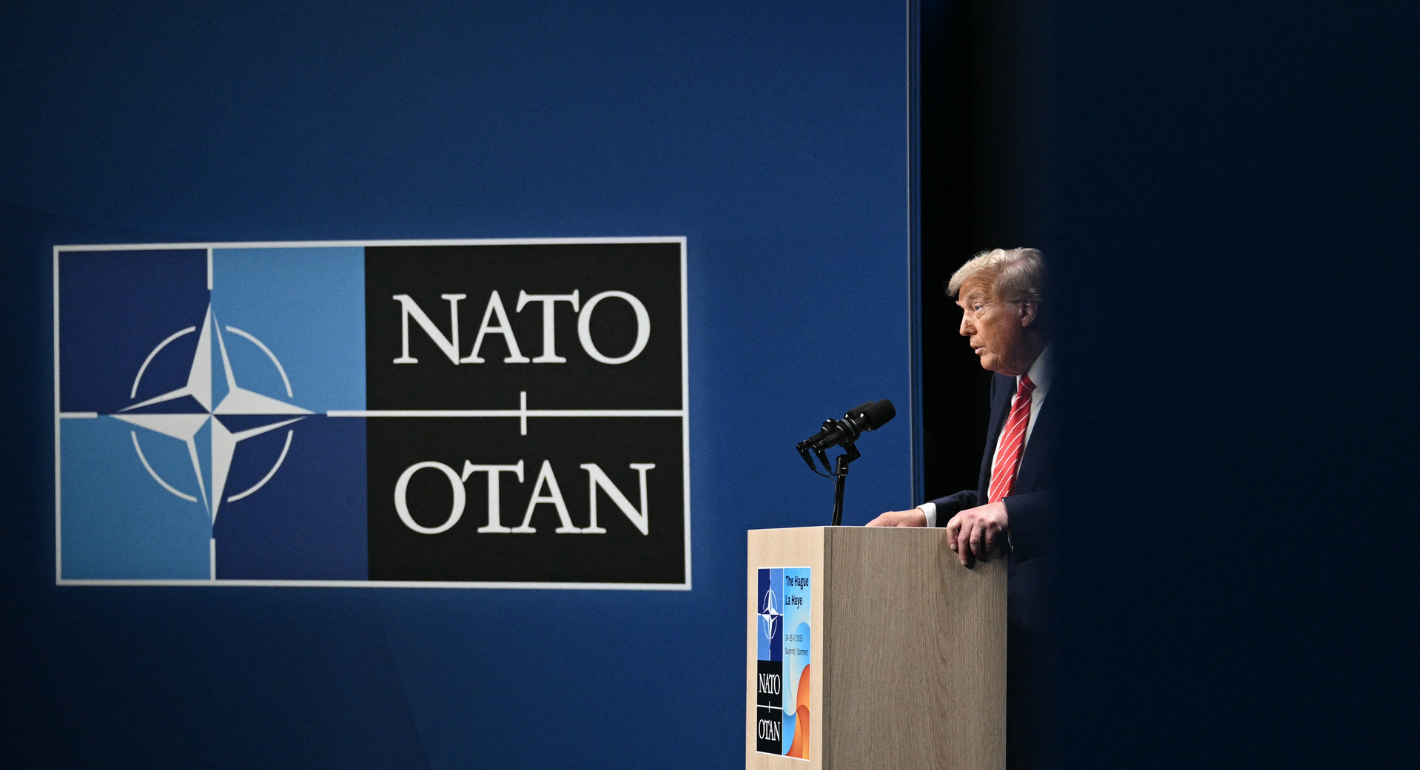
Donald Trump has repeatedly bashed NATO and European allies, threatening to annex Canada and Greenland and deploring their lack of enthusiasm for his war of choice in Iran. Is this latest round of abuse the final straw?

Rym Momtaz, ed.