Paper
George Perkovich
{
  "authors": [
    "George Perkovich"
  ],
  "type": "other",
  "centerAffiliationAll": "dc",
  "centers": [
    "Carnegie Endowment for International Peace"
  ],
  "collections": [
    "Korean Peninsula"
  ],
  "englishNewsletterAll": "ctw",
  "nonEnglishNewsletterAll": "",
  "primaryCenter": "Carnegie Endowment for International Peace",
  "programAffiliation": "NPP",
  "programs": [
    "Nuclear Policy"
  ],
  "projects": [],
  "regions": [
    "Middle East",
    "Iran",
    "East Asia",
    "North Korea"
  ],
  "topics": [
    "Nuclear Policy",
    "Nuclear Energy"
  ]
}
REQUIRED IMAGE
Instead of treating nuclear weapons and materials as problems wherever they exist, the Bush administration has pursued a “democratic bomb” strategy, bending nonproliferation rules for friendly democracies and refusing to negotiate directly with “evil” nondemocratic regimes such as North Korea and Iran. This strategy is flawed and counterproductive.
Instead of treating nuclear weapons and materials as problems wherever they exist, the Bush administration has pursued a “democratic bomb” strategy, bending nonproliferation rules for friendly democracies and refusing to negotiate directly with “evil” nondemocratic regimes such as North Korea and Iran. Yet regime change and democratization cannot solve major proliferation challenges in the necessary timeframe and actually can make them worse. Nonproliferation should take precedence over democratization. Universal rules remain essential and must be invigorated, which requires cooperation with major powers that differ on democracy.
North Korea’s nuclear test and Iran’s defiant uranium enrichment program are more than specific failures of U.S. nonproliferation policy. They are symptoms of a dysfunctional strategy that not only fails to solve tough cases but actually makes proliferation more likely. Understanding the inherent liabilities of this strategy can help American and international policy makers design a more effective replacement.
Regimes, rather than weapons, are at the heart of the Bush administration’s broader national security strategy. President George W. Bush’s famous “axis of evil” speech in January 2002 established that the United States would seek security by removing exceptionally dangerous regimes, namely, Iraq, Iran, and North Korea. Proliferation is what defined them as targets. In subsequent years, rhetorical hard edges have been filed off the strategy and the positive goal of transforming tyrannies into democracies was added.
Click on the link above for the full text of this Carnegie publication.
A limited number of print copies are available.
Request a copy
George Perkovich is vice president for studies–global security and economic development at the Carnegie Endowment for International Peace.

Japan Chair for a World Without Nuclear Weapons, Senior Fellow
George Perkovich is the Japan Chair for a World Without Nuclear Weapons and a senior fellow in the Carnegie Endowment for International Peace’s Nuclear Policy Program. He works primarily on nuclear deterrence, nonproliferation, and disarmament issues, and is leading a study on nuclear signaling in the 21st century.
Recent Work
George Perkovich
George Perkovich
Carnegie does not take institutional positions on public policy issues; the views represented herein are those of the author(s) and do not necessarily reflect the views of Carnegie, its staff, or its trustees.

Despite long-standing differences, China and Vietnam are reinforcing common ground for collaboration, especially in public security. This internal security–centered diplomacy offers a strengthened road map for how China moves forward with Southeast Asia.
Sophie Zhuang
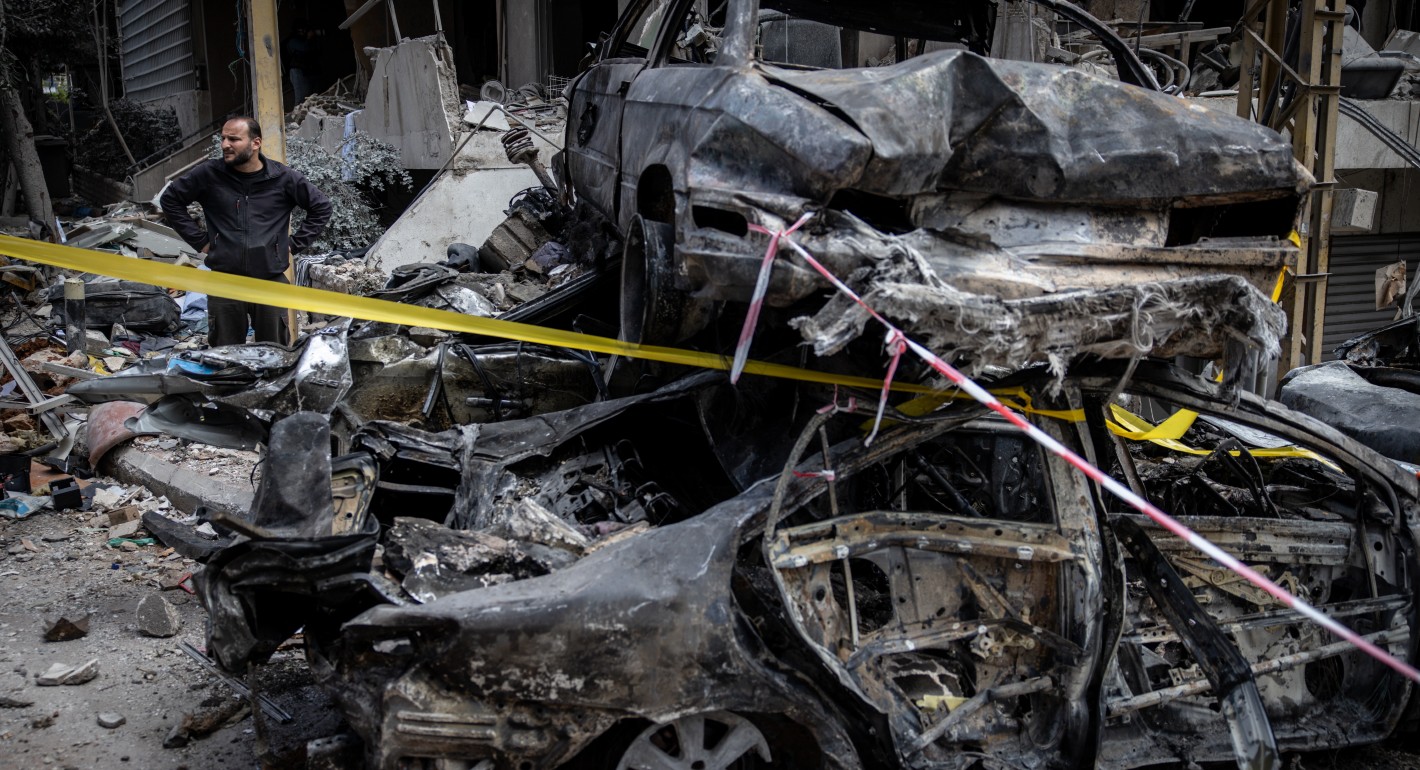
Four Middle East experts analyze the region’s reactions and next steps.



Amr Hamzawy, Andrew Leber, Eric Lob, …
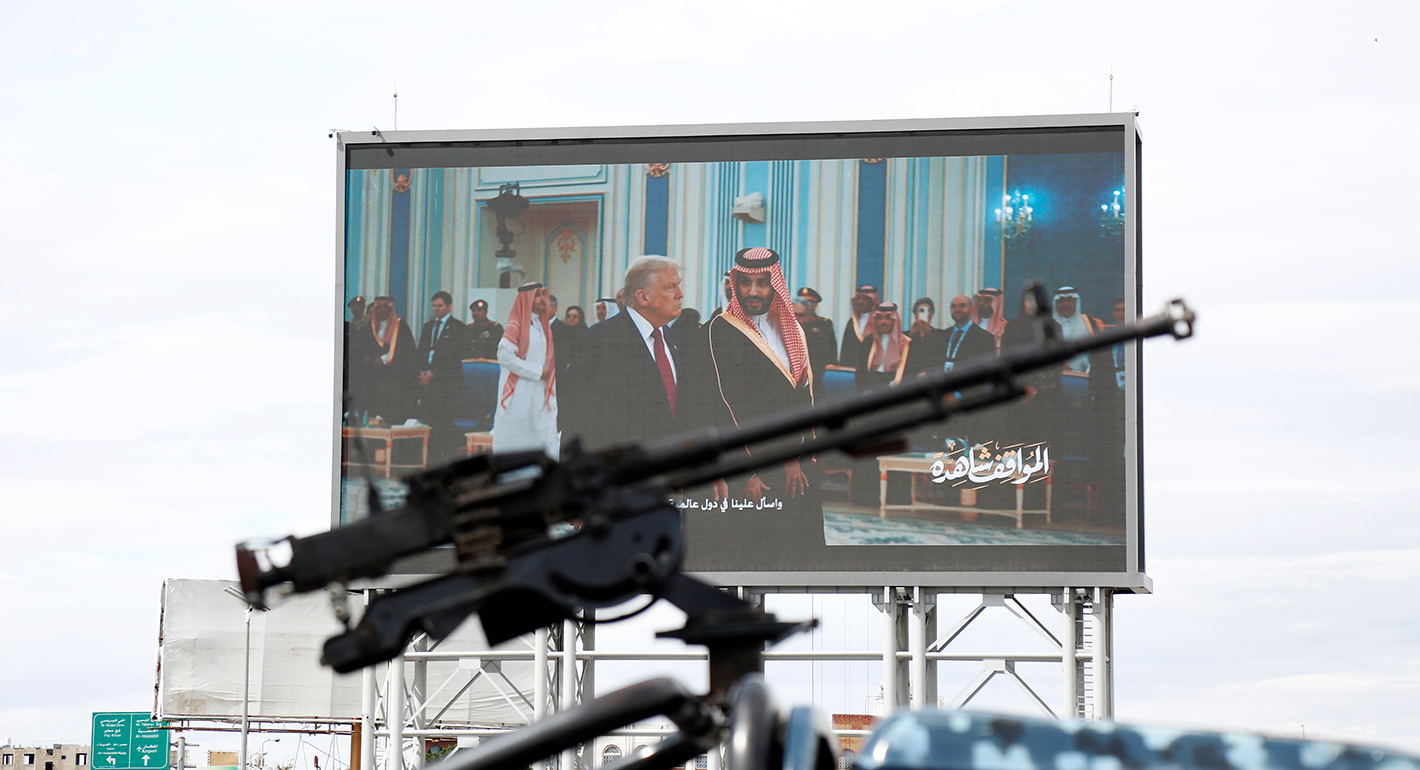
As the war between the United States, Israel, and Iran continues, Carnegie scholars contribute cutting-edge analysis on the events of the war and their wide-reaching implications. From the impact on Iran and its immediate neighbors to the responses from Gulf states to fuel and fertilizer shortages caused by the effective shutdown of the Strait of Hormuz, the war is reshaping Middle East alliances and creating shockwaves around the world. Carnegie experts analyze it all.
The return of war as the organizing factor in Middle Eastern politics has predictable consequences: governments are prioritizing regime stability and becoming averse to political and social reform.

Sarah Yerkes, Amr Hamzawy
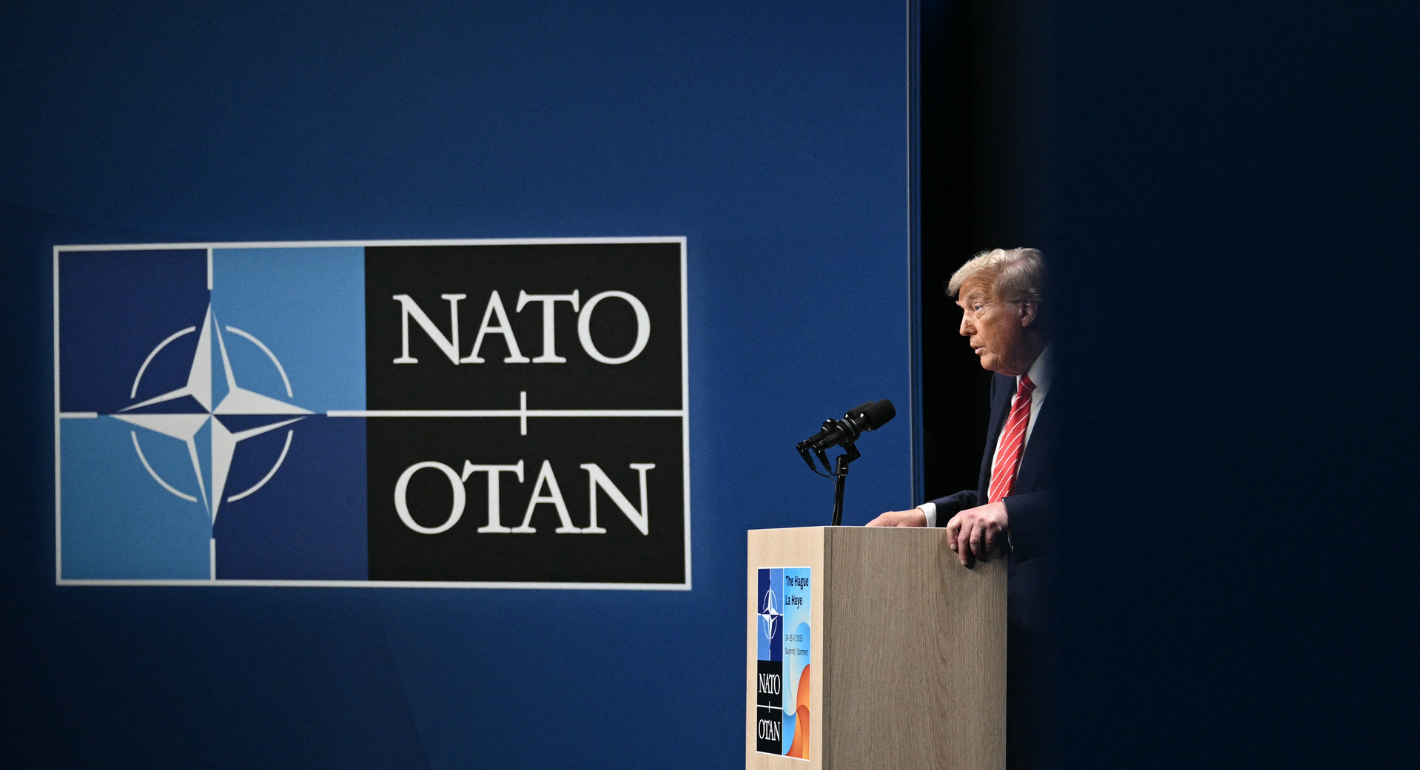
Donald Trump has repeatedly bashed NATO and European allies, threatening to annex Canada and Greenland and deploring their lack of enthusiasm for his war of choice in Iran. Is this latest round of abuse the final straw?

Rym Momtaz, ed.