
• Research
  • Emissary
  • About
  • Experts
Carnegie Global logoCarnegie lettermark logo
DemocracyIran
  • Donate
{
  "authors": [],
  "type": "pressRelease",
  "centerAffiliationAll": "dc",
  "centers": [
    "Carnegie Endowment for International Peace"
  ],
  "collections": [],
  "englishNewsletterAll": "democracy",
  "nonEnglishNewsletterAll": "",
  "primaryCenter": "Carnegie Endowment for International Peace",
  "programAffiliation": "DCG",
  "programs": [
    "Democracy, Conflict, and Governance",
    "Middle East"
  ],
  "projects": [],
  "regions": [
    "Middle East"
  ],
  "topics": [
    "Political Reform",
    "Democracy"
  ]
}
REQUIRED IMAGE

REQUIRED IMAGE

Press Release

Press Release: Islamist Parties and the West - A Search for Understanding

Link Copied
Published on Feb 22, 2007
Program mobile hero image

Program

Democracy, Conflict, and Governance

The Democracy, Conflict, and Governance Program is a leading source of independent policy research, writing, and outreach on global democracy, conflict, and governance. It analyzes and seeks to improve international efforts to reduce democratic backsliding, mitigate conflict and violence, overcome political polarization, promote gender equality, and advance pro-democratic uses of new technologies.

Learn More
Program mobile hero image

Program

Middle East

The Middle East Program in Washington combines in-depth regional knowledge with incisive comparative analysis to provide deeply informed recommendations. With expertise in the Gulf, North Africa, Iran, and Israel/Palestine, we examine crosscutting themes of political, economic, and social change in both English and Arabic.

Learn More

FOR IMMEDIATE RELEASE: February 22, 2007

- News Release -

In March 2006, Carnegie senior associates Amr Hamzawy, Marina Ottaway, and Nathan Brown explored the ambiguous position of moderate Islamist movements on crucial political issues—what the authors referred to as “gray zones”. The paper elicited many responses, positive and negative, by representatives of Islamist movements.

In a new Carnegie Policy Outlook, What Islamists Need to Be Clear About: The Case of the Egyptian Muslim Brotherhood, Hamzawy, Ottaway, and Brown respond to the reactions and critiques by Islamists and seek to explain the issues on which Islamist movements need to achieve greater clarity in order to gain credibility in the West.  Using the case of the Egyptian Muslim Brotherhood, the authors address Western concerns over the Islamist political vision and provide new analysis into the complexity of the Brotherhood’s position on key issues such as Sharia law, religious identity, organization and leadership, universal citizenship, and women’s rights. 

“We believe that this attempt to explain Western views of a problem to an audience in the Middle East typifies the Carnegie Endowment’s New Vision of what a twenty-first century think tank should do, namely not only provide policy makers and analysts with information and insights about other regions of the world, but also provide policy makers and analysts in other parts of the world with a better understanding of the United States and the West,” said the authors.

Notes:

  1. To read this Policy Outlook, go to www.carnegieendowment.org/MiddleEast   
  2. Direct link to the PDF: http://www.carnegieendowment.org/files/ottaway_brown_hamzawy_islamists_final.pdf 
  3. Amr Hamzawy is a senior associate in the Democracy and Rule of Law Project at the Carnegie Endowment. He is a noted Egyptian political scientist whose research focuses on the changing dynamics of political participation in the Arab world, and the political role of Islamist movements. 
  4. Marina Ottaway is director of the Middle East Program and senior associate in the Democracy and Rule of Law Project at the Carnegie Endowment. She coedited with Thomas Carothers Uncharted Journey: Promoting Democracy in the Middle East (Carnegie, 2005). 
  5. Nathan Brown is a senior associate at the Carnegie Endowment and is also professor of political science and international affairs and director of the Middle East Studies Program at the George Washington University.
  6. This Policy Outlook is the first in what may become an on-going dialogue with Islamist movements to seek greater clarity on all sides of the political debate. For more information, visit: www.carnegieendowment.org/middleeast
  7. Press Contact: Trent Perrotto, 202/939-2372, tperrotto@ceip.org 

The Carnegie Endowment for International Peace is a private, nonprofit organization dedicated to advancing cooperation between nations and promoting active international engagement by the United States. Founded in 1910, its work is nonpartisan and dedicated to achieving practical results.

###

Political ReformDemocracyMiddle East

Carnegie does not take institutional positions on public policy issues; the views represented herein are those of the author(s) and do not necessarily reflect the views of Carnegie, its staff, or its trustees.

More Work from Carnegie Endowment for International Peace

  • Commentary
    Carnegie Politika
    Leaving Russian-Speakers Without Representation Is a Risk for Latvia

    If the Russian-speaking community in Latvia cannot articulate their interests without being seen as disloyal, they could end up embracing a pro-Kremlin agenda.

      Sergejs Potapkins

  • Commentary
    Carnegie Politika
    Putin Has Been a Hindrance, Not a Help, to United Russia’s Election Campaign

    Russia’s ruling party would have benefited from Putin appearing as its distant patron, but as an active frontman imposing his views on the public, he has done nothing but harm both the party’s election campaign and the ruling system overall.

      Andrey Pertsev
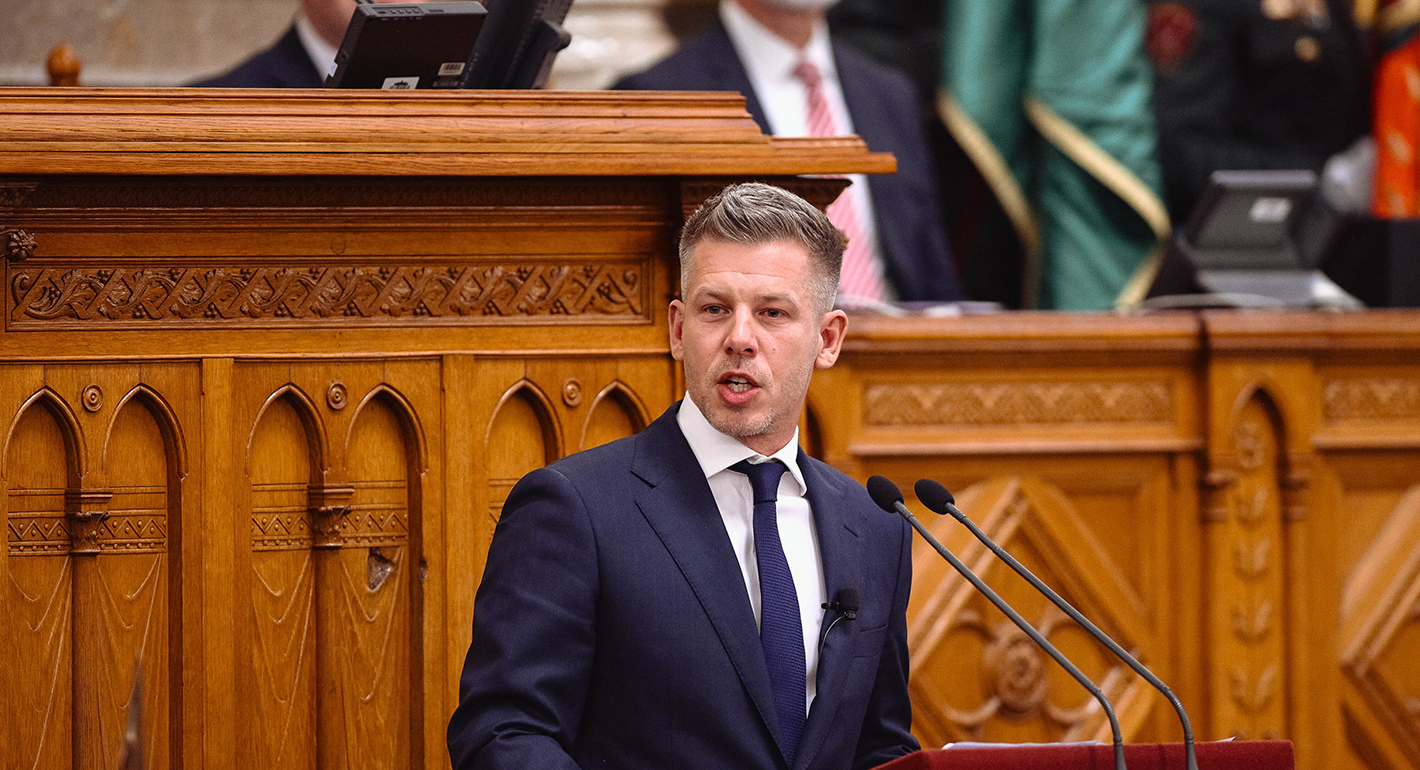
  • Peter Magyar delivers his first official speech after he was sworn into the parliament as the new Prime Minister of Hungary under the TISZA party, during today's inaugural session of the Hungarian Parliament, in Budapest, Hungary on 9 May 2026.
    Article
    How Is Hungary’s New Government Doing?

    Despite myriad challenges and occasional stumbles, the new Hungarian government is moving ahead with energy and conviction to uproot years of illiberalism and corruption and rebuild Hungarian democracy.

      Thomas Carothers
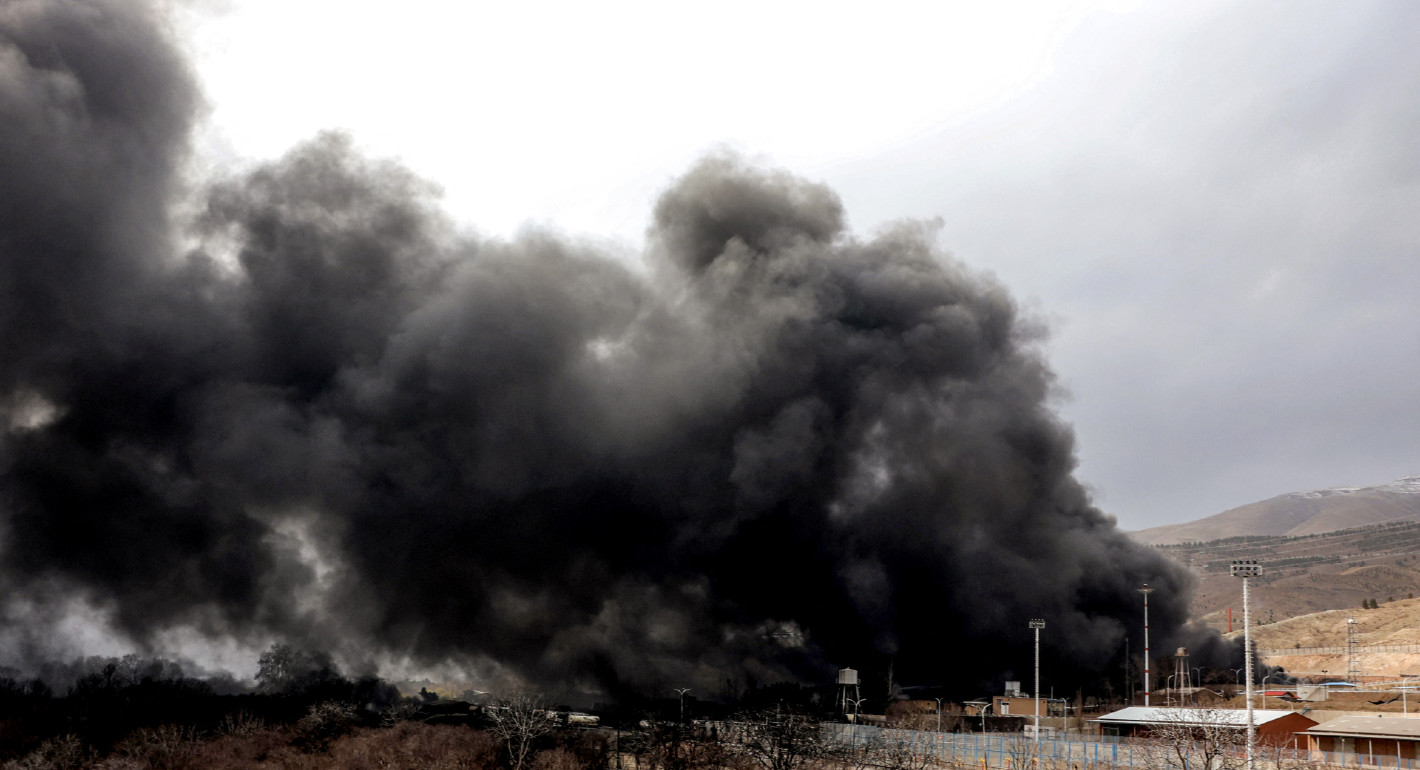
  • Photo of black smoke rising from an Iranian oil facility after an airstrike.
    Article
    The Iran War’s Climate, Environmental, and Human Security Fallout

    Understanding the climatic pain points is necessary for policymakers hoping to minimize the war’s negative environmental consequences.

      • Alejandro Rodriguez
      • Joy Arkeh
      • Sarah Yerkes

      Alejandro Martin Rodriguez, Joy Arkeh, Sarah Yerkes

  • Commentary
    Diwan
    On AI, Cairo Plays China and the U.S. Off Against Each Other

    Huawei pushed hard to enter the Egyptian data centers market, until the Americans made a better offer.

      • Angie Omar

      Angie Omar

Get more news and analysis from
Carnegie Endowment for International Peace
Carnegie global logo, stacked
1779 Massachusetts Avenue NWWashington, DC, 20036-2103Phone: 202 483 7600
  • Research
  • Emissary
  • About
  • Experts
  • Donate
  • Programs
  • Events
  • Blogs
  • Podcasts
  • Contact
  • Annual Reports
  • Careers
  • Privacy
  • For Media
  • Government Resources
Get more news and analysis from
Carnegie Endowment for International Peace
© 2026 Carnegie Endowment for International Peace. All rights reserved.
