

Paper
George Perkovich
{
  "authors": [
    "George Perkovich"
  ],
  "type": "legacyinthemedia",
  "centerAffiliationAll": "dc",
  "centers": [
    "Carnegie Endowment for International Peace"
  ],
  "collections": [],
  "englishNewsletterAll": "ctw",
  "nonEnglishNewsletterAll": "",
  "primaryCenter": "Carnegie Endowment for International Peace",
  "programAffiliation": "NPP",
  "programs": [
    "Nuclear Policy"
  ],
  "projects": [],
  "regions": [
    "Middle East",
    "Iran"
  ],
  "topics": [
    "Nuclear Policy"
  ]
}
REQUIRED IMAGE
Source: Congressional Program: Political Islam: Challenges for U.S. Policy
Since the early 1990s, the U.S. and a few other states have been highly concerned that
Iran’s revived nuclear program was intended, at least in part, to acquire the capability to make nuclear weapons. In 2003, acting on tips, the International Atomic Energy Agency began an intensive investigation that has uncovered a long list of Iranian violations of obligations to report nuclear transactions and activities. These violations of safeguard agreements center around Iran’s quest for equipment and materials to enable it to enrich uranium and separate plutonium, as well as experiments associated with other materials that can be essential in making nuclear weapons, such as polonium. In each instance, Iran has argued that the undeclared activity, while violating Iran’s reporting obligations, was for peaceful purposes, and therefore not a core violation of the Nuclear Nonproliferation Treaty.
The IAEA’s investigators also discovered activities that point to the involvement of military
institutions, which, if proved, would violate Iran’s core NPT obligation to use nuclear energy
solely for peaceful purposes. IAEA’s discovery of a document detailing how to manufacture
metallic uranium spheres, who’s only known purpose is in nuclear weapons, buttresses
suppositions that Iran has done more than violate its safeguards agreement.
To continue reading this article, please follow the PDF link above.

Japan Chair for a World Without Nuclear Weapons, Senior Fellow
George Perkovich is the Japan Chair for a World Without Nuclear Weapons and a senior fellow in the Carnegie Endowment for International Peace’s Nuclear Policy Program. He works primarily on nuclear deterrence, nonproliferation, and disarmament issues, and is leading a study on nuclear signaling in the 21st century.
Recent Work
George Perkovich
George Perkovich
Carnegie does not take institutional positions on public policy issues; the views represented herein are those of the author(s) and do not necessarily reflect the views of Carnegie, its staff, or its trustees.
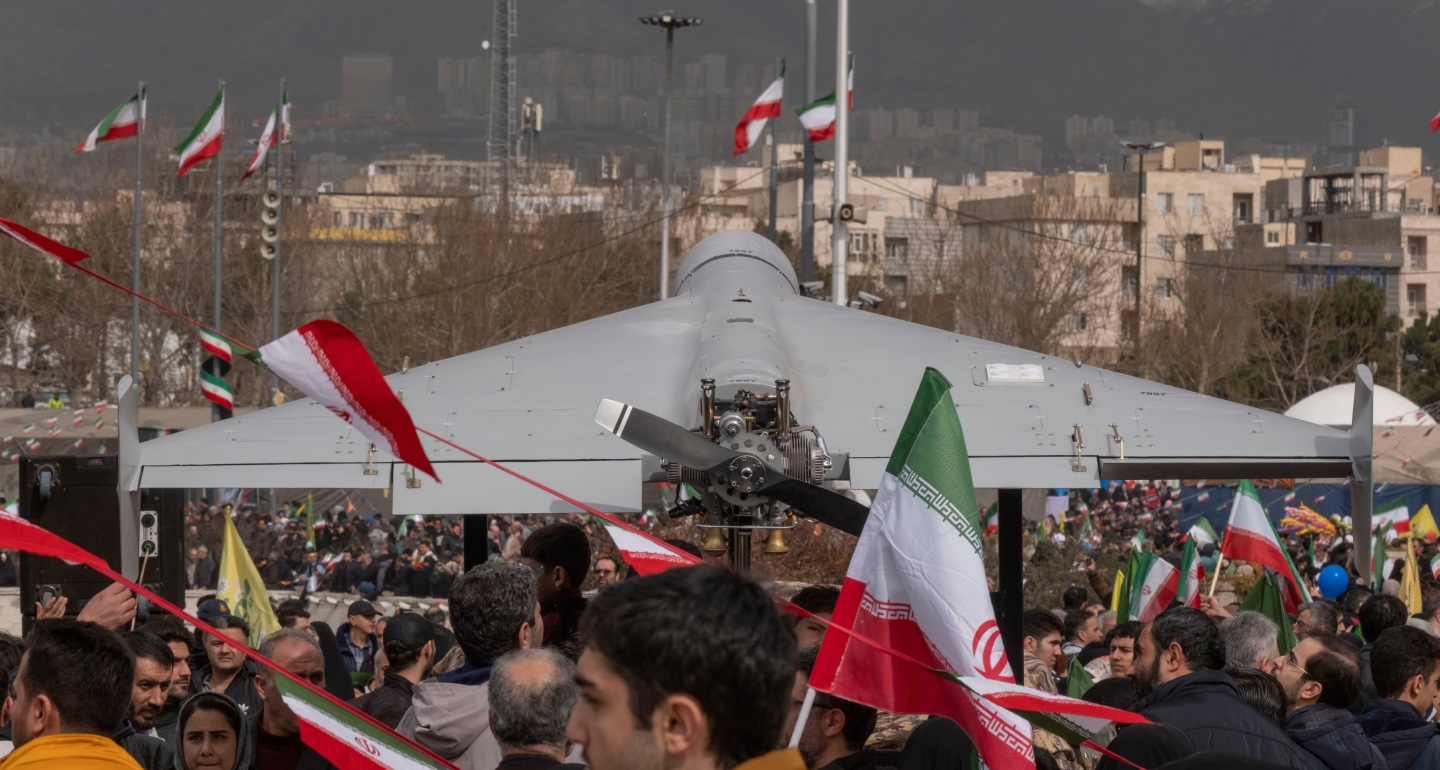
The Russian leadership wants to avoid a dangerous precedent in which it is squeezed out of Iran by the United States and Israel—and left powerless to respond in any meaningful way.

Nikita Smagin
One is hopeful. One is realistic. One is cautionary.

Andrew Leber, Sam Worby
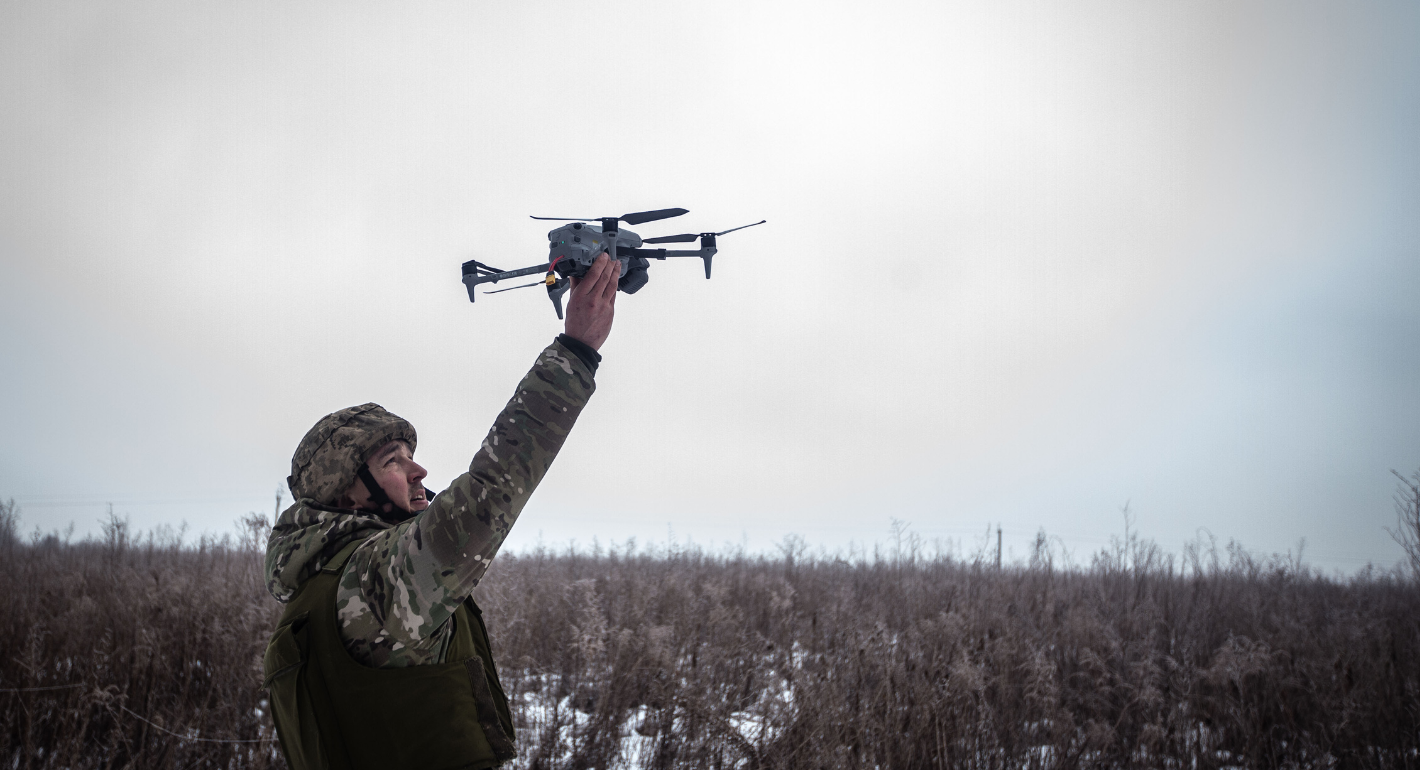
In Ukraine, Gaza, and Iran, AI warfare has come to dominate, with barely any oversight or accountability. Europe must lead the charge on the responsible use of new military technologies.

Raluca Csernatoni
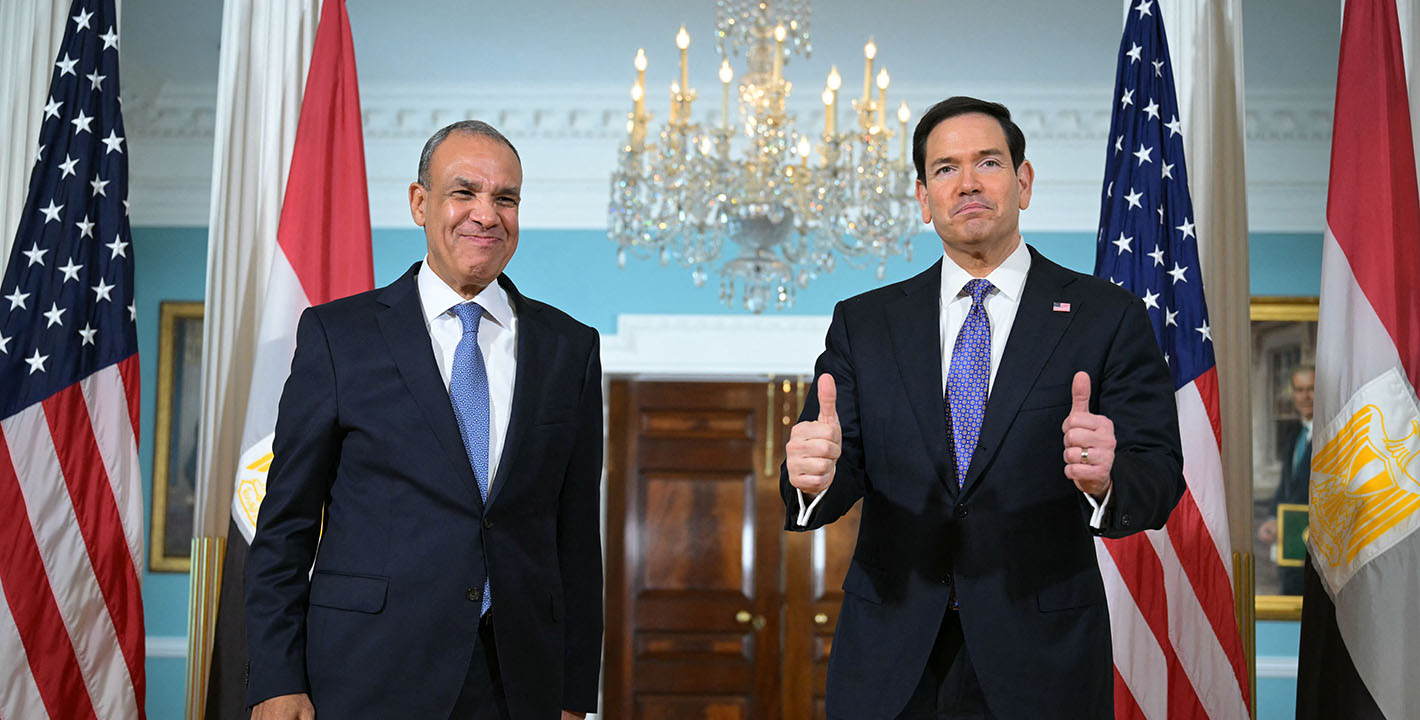
Cairo’s efforts send a message to the United States and the region that it still has a place at the diplomatic table.

Angie Omar
Beirut’s desire to break free from Iranian hegemony may push it into a situation where it has to accept Israel’s hegemony.

Michael Young