Article
Dr. Albert Keidel

For a rapidly growing economy like China's, with major income and consumption increases in all regions, inequality can serve to provide incentives for labor to move voluntarily to locations and occupations where it is more productive and hence better able to earn a higher standard of living.
Source: December

The paper's innovations aggregate China's 31 provincial-level jurisdictions into 7 major regions and then compare trends in rural income and consumption over a 20-year period. This approach is an improvement over the two most common alternatives. One standard approach compares trends for all 31 provincial level entities. But this leads to results that are difficult to interpret for policy purposes because it puts city-states like Shanghai and Beijing on the same status as heavily rural provinces, and in at least one case, Hebei Province, a province that has been stripped of its major urban areas (Beijing and Tianjin). The second standard approach dates from the late 1980s and aggregates China into three belts, coastal, central and western. While useful, these groupings fail to identify differences in patterns and trends for important sub-regions, like China's south coast.
The paper's initial conclusions are that the pattern of regional disparities in rural income and consumption have remained intact over 20 years (1985-2005) and have in fact worsened. However, increases in per-capita income and consumption in all regions have been so rapid that disparities are of secondary importance. The paper stresses that rather than comparing average income or wealth by region, the most important perspective for policy makers should reflect differences in the incidence of poverty between various sections of the country. This is especially so if a more accurate PPP (purchasing power parity) measure for China is used for identifying poverty levels by the World Bank dollar-a-day poverty standard.
The paper argues that for a rapidly growing economy like China's, with major income and consumption increases in all regions, inequality can serve to provide incentives for labor to move voluntarily to locations and occupations where it is more productive and hence better able to earn a higher standard of living. The paper uses census data to show that this is precisely the direction that nationwide migration is taking.

Former Senior Associate, China Program
Keidel served as acting director and deputy director for the Office of East Asian Nations at the U.S. Department of the Treasury. Before joining Treasury in 2001, he covered economic trends, system reforms, poverty, and country risk as a senior economist in the World Bank office in Beijing.
Recent Work
Dr. Albert Keidel
Dr. Albert Keidel
Carnegie does not take institutional positions on public policy issues; the views represented herein are those of the author(s) and do not necessarily reflect the views of Carnegie, its staff, or its trustees.

Despite long-standing differences, China and Vietnam are reinforcing common ground for collaboration, especially in public security. This internal security–centered diplomacy offers a strengthened road map for how China moves forward with Southeast Asia.
Sophie Zhuang
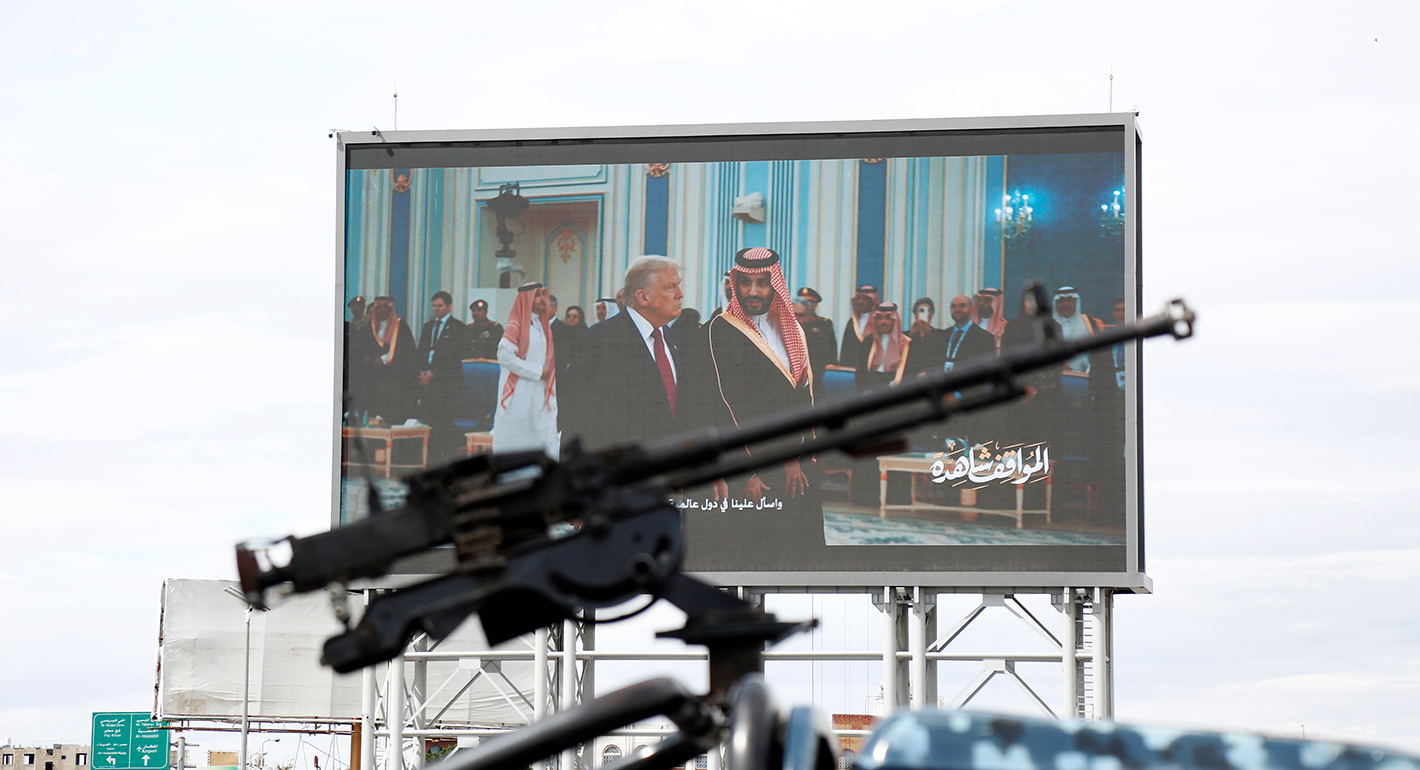
As the war between the United States, Israel, and Iran continues, Carnegie scholars contribute cutting-edge analysis on the events of the war and their wide-reaching implications. From the impact on Iran and its immediate neighbors to the responses from Gulf states to fuel and fertilizer shortages caused by the effective shutdown of the Strait of Hormuz, the war is reshaping Middle East alliances and creating shockwaves around the world. Carnegie experts analyze it all.
The return of war as the organizing factor in Middle Eastern politics has predictable consequences: governments are prioritizing regime stability and becoming averse to political and social reform.


Sarah Yerkes, Amr Hamzawy

Across Asia, China is better positioned to withstand energy shocks from the fallout of the Iran war. Its abundant coal capacity can ensure stability in the near term. Yet at the same time, the country’s energy transition away from coal will make it even less vulnerable during the next shock.

Damien Ma
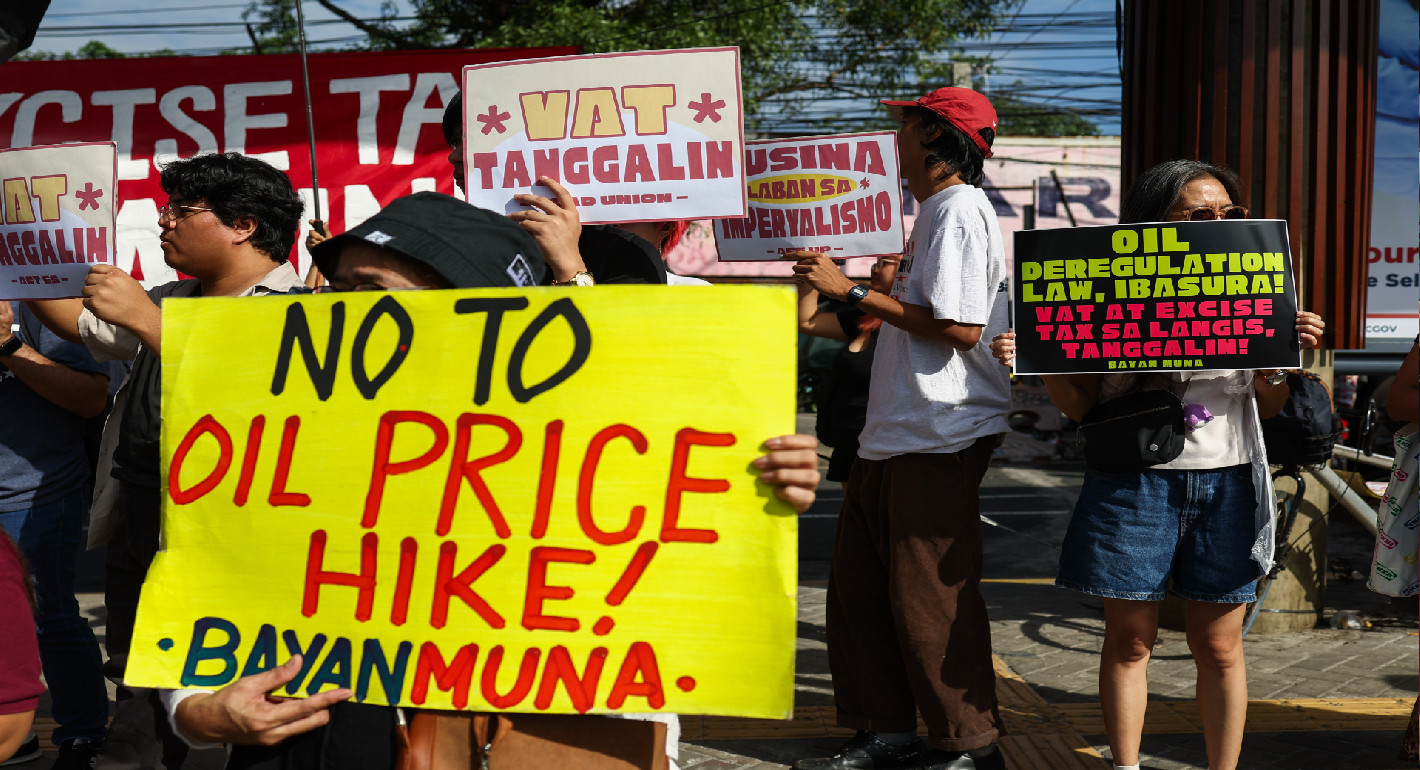
There is no better time for the countries of Southeast Asia to reconsider their energy security than during this latest crisis.

Gita Wirjawan