

• Research
  • Emissary
  • About
  • Experts
Carnegie Global logoCarnegie lettermark logo
DemocracyIran
  • Donate
{
  "authors": [
    "Michael McFaul",
    "Kathryn Stoner-Weiss"
  ],
  "type": "legacyinthemedia",
  "centerAffiliationAll": "dc",
  "centers": [
    "Carnegie Endowment for International Peace",
    "Carnegie Europe"
  ],
  "collections": [],
  "englishNewsletterAll": "ctw",
  "nonEnglishNewsletterAll": "",
  "primaryCenter": "Carnegie Endowment for International Peace",
  "programAffiliation": "russia",
  "programs": [
    "Russia and Eurasia"
  ],
  "projects": [],
  "regions": [
    "Caucasus",
    "Russia"
  ],
  "topics": [
    "Political Reform",
    "Democracy",
    "Economy",
    "Trade",
    "Foreign Policy"
  ]
}

Source: Getty

In The Media

The Myth of Putin's Success

Carnegie Senior Associate Michael McFaul takes on the conventional wisdom that Vladimir Putin's tight-fisted rule has been behind the economic growth and stability over the past seven years. "The emergence of Russian democracy in the 1990s did indeed coincide with state breakdown and economic decline, but it did not cause either," McFaul writes.

Link Copied
By Michael McFaul and Kathryn Stoner-Weiss
Published on Dec 13, 2007
Program mobile hero image

Program

Russia and Eurasia

The Russia and Eurasia Program continues Carnegie’s long tradition of independent research on major political, societal, and security trends in and U.S. policy toward a region that has been upended by Russia’s war against Ukraine.  Leaders regularly turn to our work for clear-eyed, relevant analyses on the region to inform their policy decisions.

Learn More

Source: International Herald Tribune

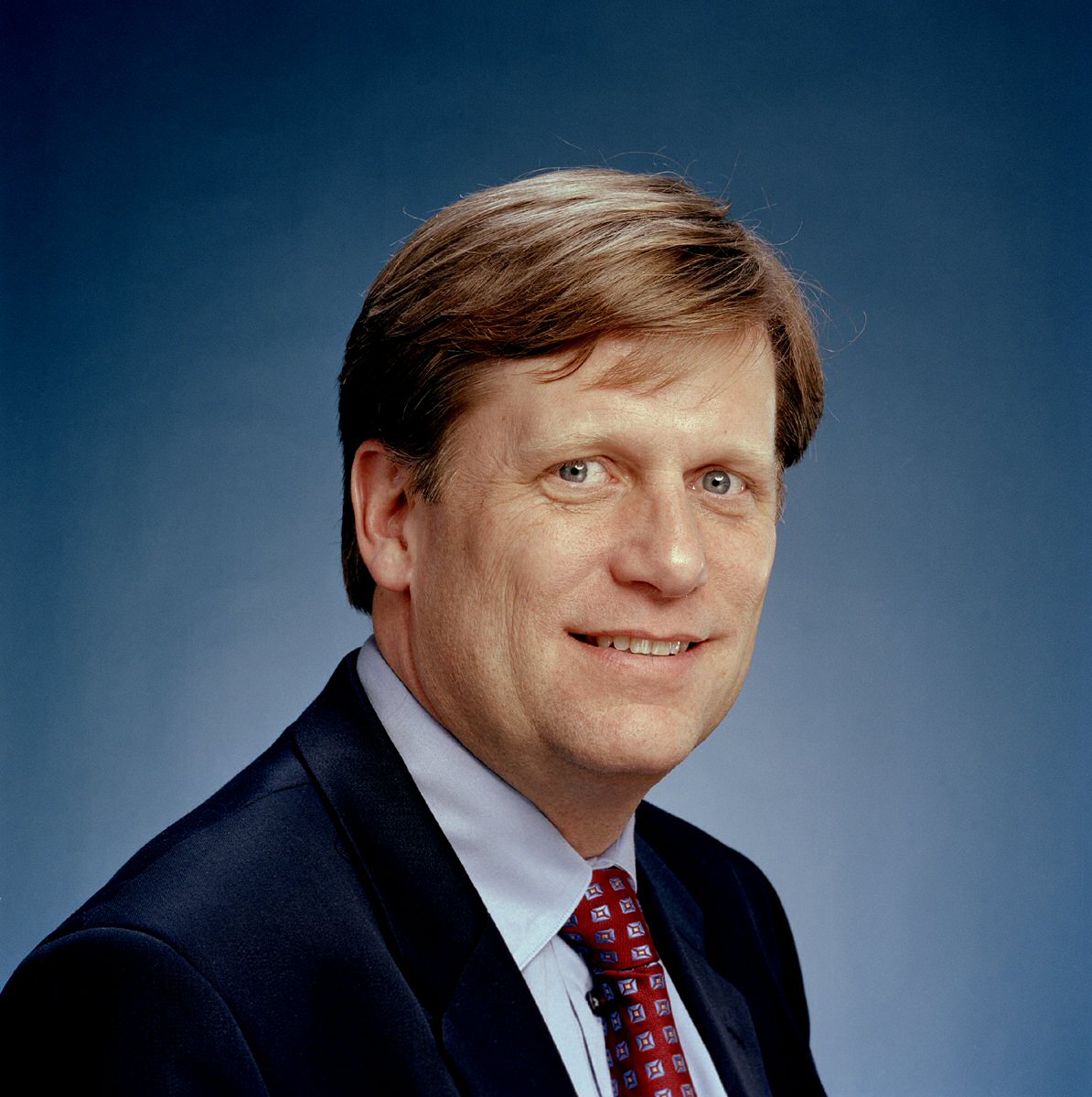
Michael McFaulCarnegie Senior Associate Michael McFaul takes on the conventional wisdom that Vladimir Putin's tight-fisted rule has been behind the economic growth and stability over the past seven years. "The emergence of Russian democracy in the 1990s did indeed coincide with state breakdown and economic decline, but it did not cause either," McFaul writes. "The reemergence of Russian autocracy under Putin, conversely, has coincided with tremendous economic growth but did not cause it. If anything, Putin's autocratic turn over the last several years has reduced gains from what they would have been had democracy survived."

Click here to read the article.

About the Authors

Michael McFaul

Former Senior Associate

In addition to his role at Carnegie, McFaul is Peter and Helen Bing Senior Fellow at the Hoover Institution and associate professor of political science at Stanford University.

Kathryn Stoner-Weiss

Authors

Michael McFaul
Former Senior Associate
Michael McFaul
Kathryn Stoner-Weiss
Political ReformDemocracyEconomyTradeForeign PolicyCaucasusRussia

Carnegie does not take institutional positions on public policy issues; the views represented herein are those of the author(s) and do not necessarily reflect the views of Carnegie, its staff, or its trustees.

More Work from Carnegie Endowment for International Peace

  • Commentary
    China Financial Markets
    The Plaza Accord and Its Relevance for China

    The Plaza Accord was not an externally imposed punishment of Japan but part of a broader restructuring that Japanese economists and policymakers themselves recognized was necessary. Its effects were undermined, however, when Tokyo responded to the resulting slowdown with policies that exacerbated investment, credit expansion, and the very imbalances the adjustment was intended to resolve.

      Michael Pettis

  • Commentary
    Carnegie Politika
    Belarus Wants More From the West Than a ‘Massive Deal’ on Potash

    Trump has promised Belarus a massive potash deal. But Minsk is seeking something greater: restored Western transit and greater room for maneuver from Russia.

      Balázs Jarábik

  • Ukraine Poland Zelensky Tusk Enlargement EU
    Commentary
    Strategic Europe
    The Uncomfortable Truth About EU Enlargement

    Before the next wave of EU enlargement takes place, the union needs to grapple with thorny questions of how power is distributed among its members.

      • Ditte Brasso Sørensen

      Emil Sondaj Hansen, Ditte Brasso Sørensen

  • Commentary
    Emissary
    What to Watch When Trump and Xi Meet in Washington

    The real test may come after the leaders leave the room.

      • Sheena Chestnut Greitens
      • Oriana Skylar Mastro's headshot
      • +1

      Sheena Chestnut Greitens, Oriana Skylar Mastro, Yukon Huang, …

  • large boat sitting off a coastline
    Commentary
    Emissary
    The Impacts of the Houthis’ Advance Could Extend Well Beyond Saudi Arabia

    The Horn of Africa countries are among those facing a new security calculus.

      • Andrew Leber
      • Dr. Lesley Anne Warner

      Andrew Leber, Lesley Anne Warner

Get more news and analysis from
Carnegie Endowment for International Peace
Carnegie global logo, stacked
1779 Massachusetts Avenue NWWashington, DC, 20036-2103Phone: 202 483 7600
  • Research
  • Emissary
  • About
  • Experts
  • Donate
  • Programs
  • Events
  • Blogs
  • Podcasts
  • Contact
  • Annual Reports
  • Careers
  • Privacy
  • For Media
  • Government Resources
Get more news and analysis from
Carnegie Endowment for International Peace
© 2026 Carnegie Endowment for International Peace. All rights reserved.











