

Commentary
Why Pakistan, Saudi Arabia, and Turkey are joining forces on regional security.
Alper Coşkun, Amr Hamzawy
{
  "authors": [],
  "type": "pressRelease",
  "centerAffiliationAll": "dc",
  "centers": [
    "Carnegie Endowment for International Peace"
  ],
  "collections": [],
  "englishNewsletterAll": "menaTransitions",
  "nonEnglishNewsletterAll": "",
  "primaryCenter": "Carnegie Endowment for International Peace",
  "programAffiliation": "MEP",
  "programs": [
    "Middle East"
  ],
  "projects": [],
  "regions": [
    "Middle East",
    "Iran",
    "Lebanon",
    "Syria"
  ],
  "topics": [
    "Political Reform",
    "Democracy",
    "Security",
    "Foreign Policy"
  ]
}
REQUIRED IMAGE
Lebanon’s prolonged political crisis erupted in violence following the Lebanese government's dismissal of an official close to Hizbollah and the launch of an investigation into the organization’s telecommunications network. Contrary to a similar escalation in December 2006, Iran has not interceded to halt the violence.
BEIRUT, May 13—Lebanon’s prolonged political crisis erupted in violence last week following the Lebanese government's dismissal of an official close to Hizbollah and the launch of an investigation into the organization’s telecommunications network. Paul Salem, director of the Carnegie Middle East Center in Beirut, outlines the key actors of Lebanon’s worst violence since the end of its civil war in 1990 and their aims.
Key Conclusions:
"The situation in Lebanon remains extremely tense. An Arab League ministerial delegation is to arrive to help negotiate an end to the crisis. The next days will indicate whether the opposition will escalate and widen its military assaults, or whether Lebanon is entering a lull in which discussions and political bargaining will come to the fore,” concludes Salem.
###

Carnegie does not take institutional positions on public policy issues; the views represented herein are those of the author(s) and do not necessarily reflect the views of Carnegie, its staff, or its trustees.
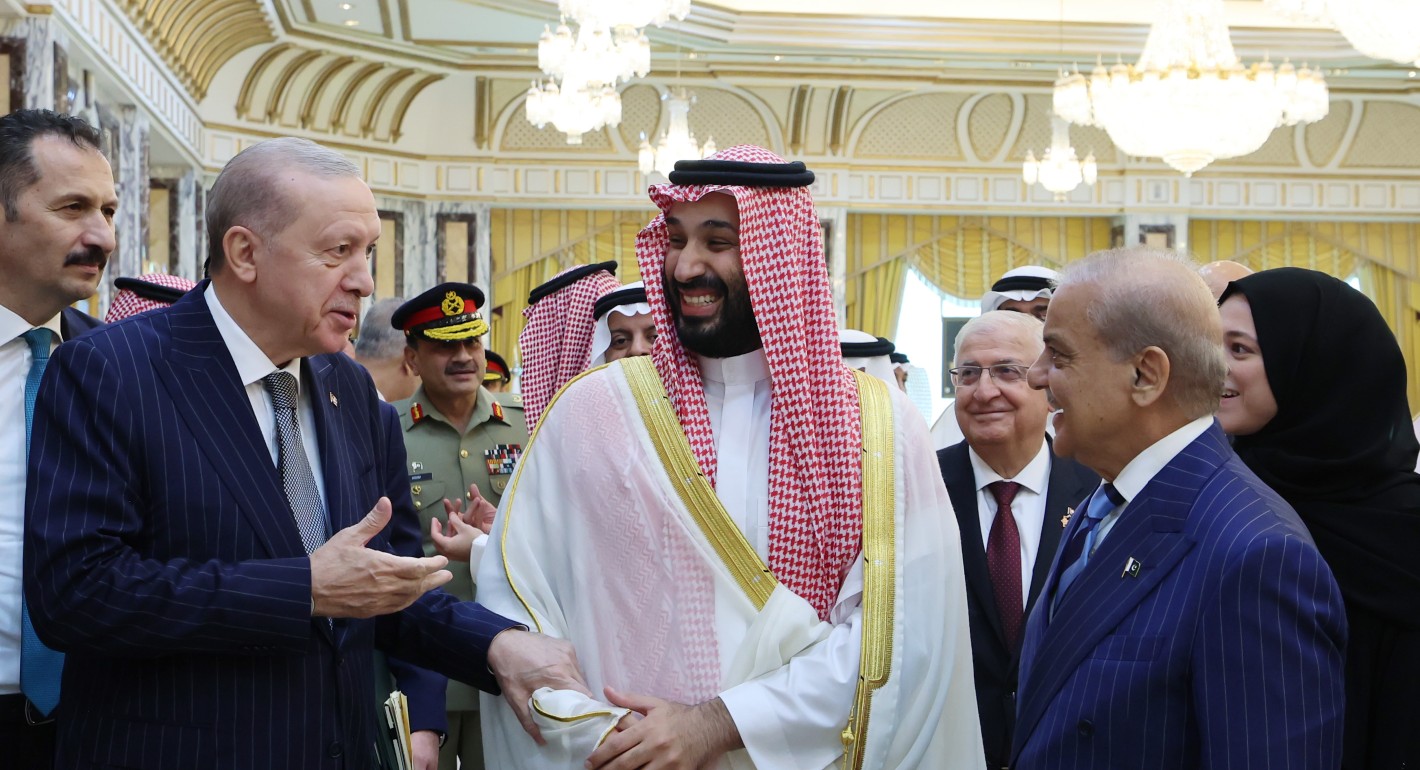
Why Pakistan, Saudi Arabia, and Turkey are joining forces on regional security.


Alper Coşkun, Amr Hamzawy
The truth of the strategic situation is that Europe and Russia are extremely unlikely to be able to “turn the page” on their confrontation within the next two decades.
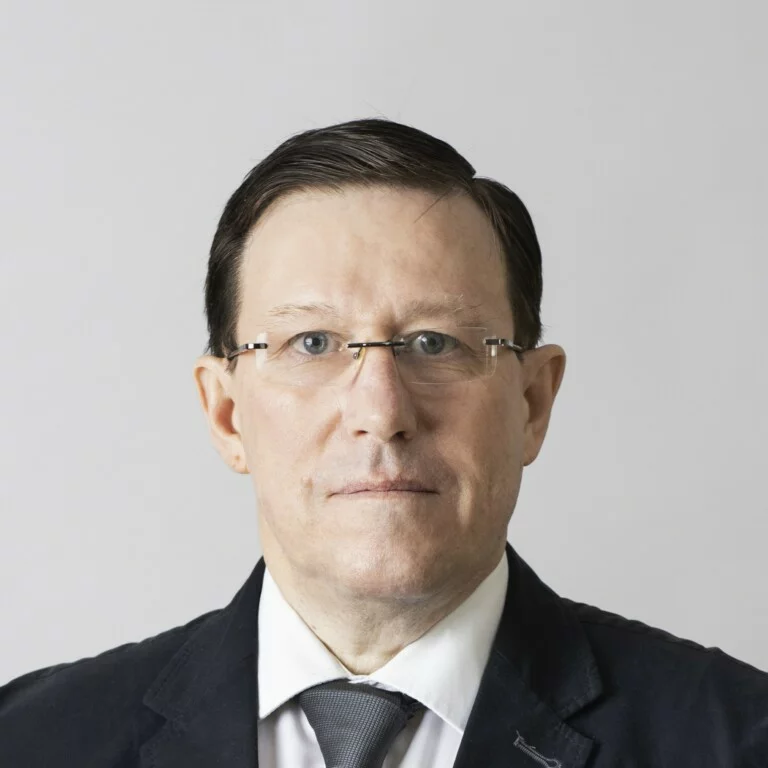
Arkady Moshes
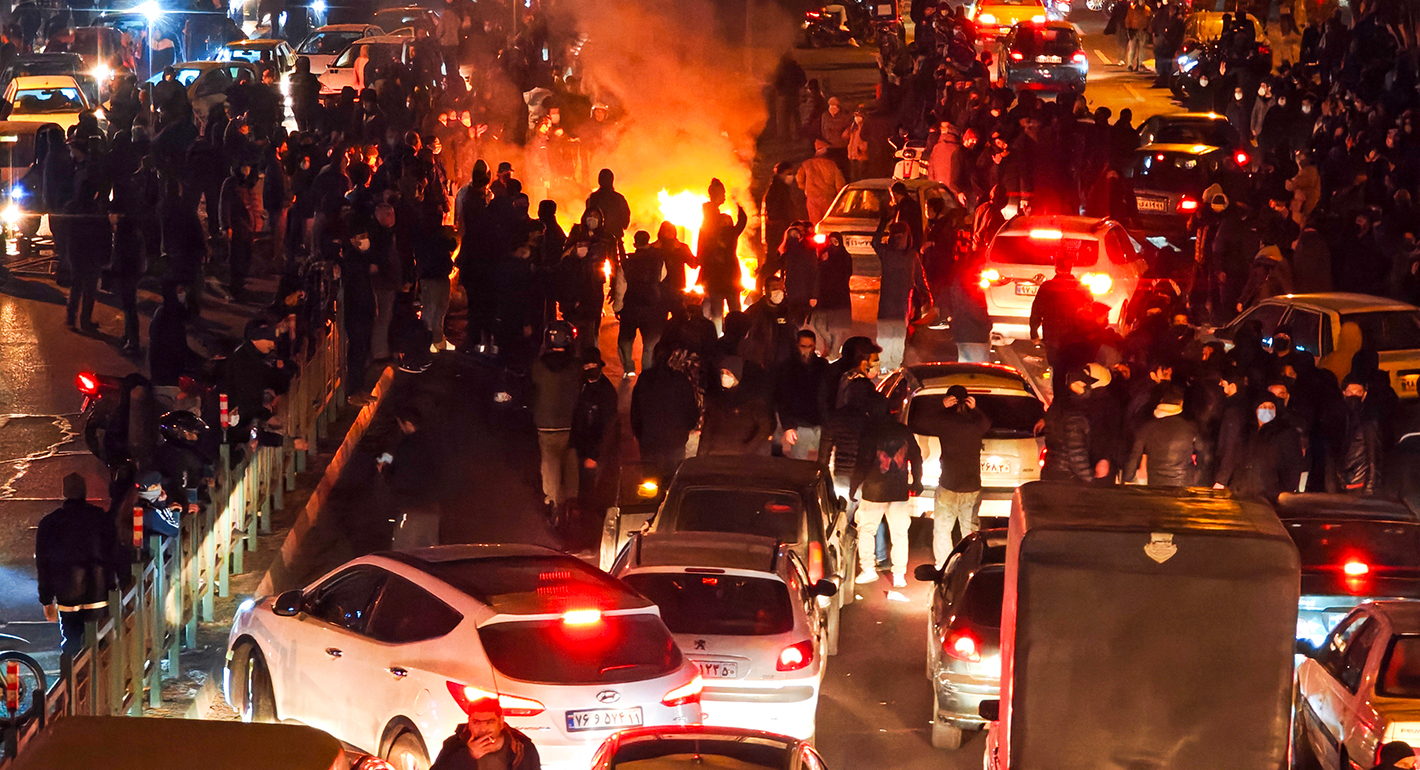
Protests in Iran follow a similar pattern: Economic grievances turn into political protests that spread nationwide. But increased state repression has begun to shift the arrangement.

Eric Lob

Despite public disputes over trade and immigration, the strategic partnership’s foundations remain sturdy.

Sameer Lalwani

It signals a new era of tech diffusion and warfare.

Steve Feldstein