

Commentary
With the growth in points of friction between the great powers, organizations like the SCO will continue to play a role in the strategic adaptation of the smaller powers caught between them.
Temur Umarov
{
  "authors": [],
  "type": "pressRelease",
  "centerAffiliationAll": "dc",
  "centers": [
    "Carnegie Endowment for International Peace"
  ],
  "collections": [
    "U.S. Nuclear Policy"
  ],
  "englishNewsletterAll": "democracy",
  "nonEnglishNewsletterAll": "",
  "primaryCenter": "Carnegie Endowment for International Peace",
  "programAffiliation": "DCG",
  "programs": [
    "Democracy, Conflict, and Governance",
    "Nuclear Policy",
    "South Asia"
  ],
  "projects": [],
  "regions": [
    "North America",
    "United States",
    "Middle East",
    "Egypt",
    "Pakistan"
  ],
  "topics": [
    "Political Reform",
    "Democracy",
    "Foreign Policy"
  ]
}
REQUIRED IMAGE
Influential policy experts on both sides of the U.S. political aisle are proposing a "League of Democracies." However, the proposal rests on a false assumption that democracies share sufficient common interests to work effectively together on a wide range of global issues.

WASHINGTON, May 20—Influential policy experts on both sides of the U.S. political aisle are proposing a "League of Democracies" as a way for the next administration to restore the credibility of U.S. foreign policy priorities and put democracy promotion efforts back on track. However, in a new policy brief, Is a League of Democracies a Good Idea?, Thomas Carothers argues that the proposal rests on a false assumption that democracies share sufficient common interests to work effectively together on a wide range of global issues.
Although the proposed "League of Democracies" reflects a useful recognition of the need to rebuild credibility through greater multilateralism, such a league could aggravate rather than alleviate global sensitivities over U.S. democracy promotion and the U.S. global security agenda. Carothers outlines steps the next U.S. president should take to bolster democracy promotion and foreign policy in general.
Recommendations for the next U.S. president:
"The idea for a League of Democracies reflects a valid concern with the fact that the overall state of democracy in the world is troubled and that alternative power centers with an authoritarian character are gaining in strength. The best way to respond to this new context and to rebuild the legitimacy of the United States as a global actor is not to circle the ideological wagons. Instead it is to make the United States a better global citizen on numerous fronts and get the country's own economic and political houses in order."
###

Carnegie does not take institutional positions on public policy issues; the views represented herein are those of the author(s) and do not necessarily reflect the views of Carnegie, its staff, or its trustees.

With the growth in points of friction between the great powers, organizations like the SCO will continue to play a role in the strategic adaptation of the smaller powers caught between them.

Temur Umarov
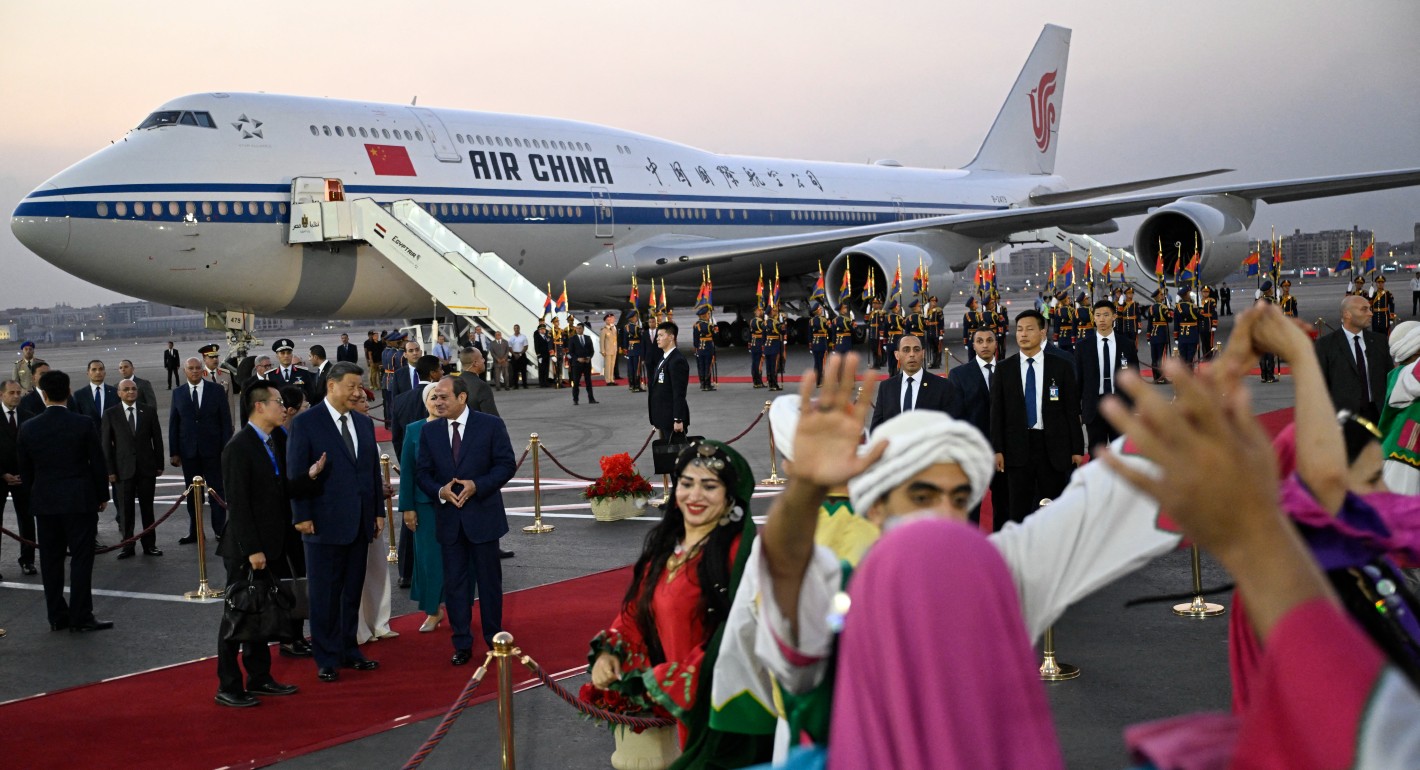
Amid celebrations of bilateral ties was a deeper focus on stability in the Middle East.

Amr Hamzawy

Canadian Prime Minister Mark Carney has twice inspired praise for standing up to U.S. President Donald Trump: at the 2026 World Economic Forum in Davos and on Canada-U.S. trade negotiations. Is Carney showing a third way better than the EU has in dealing with the Trump administration?

Rym Momtaz, ed.

Middle Eastern states should welcome an accelerated U.S. disengagement from their region.

Michael Young
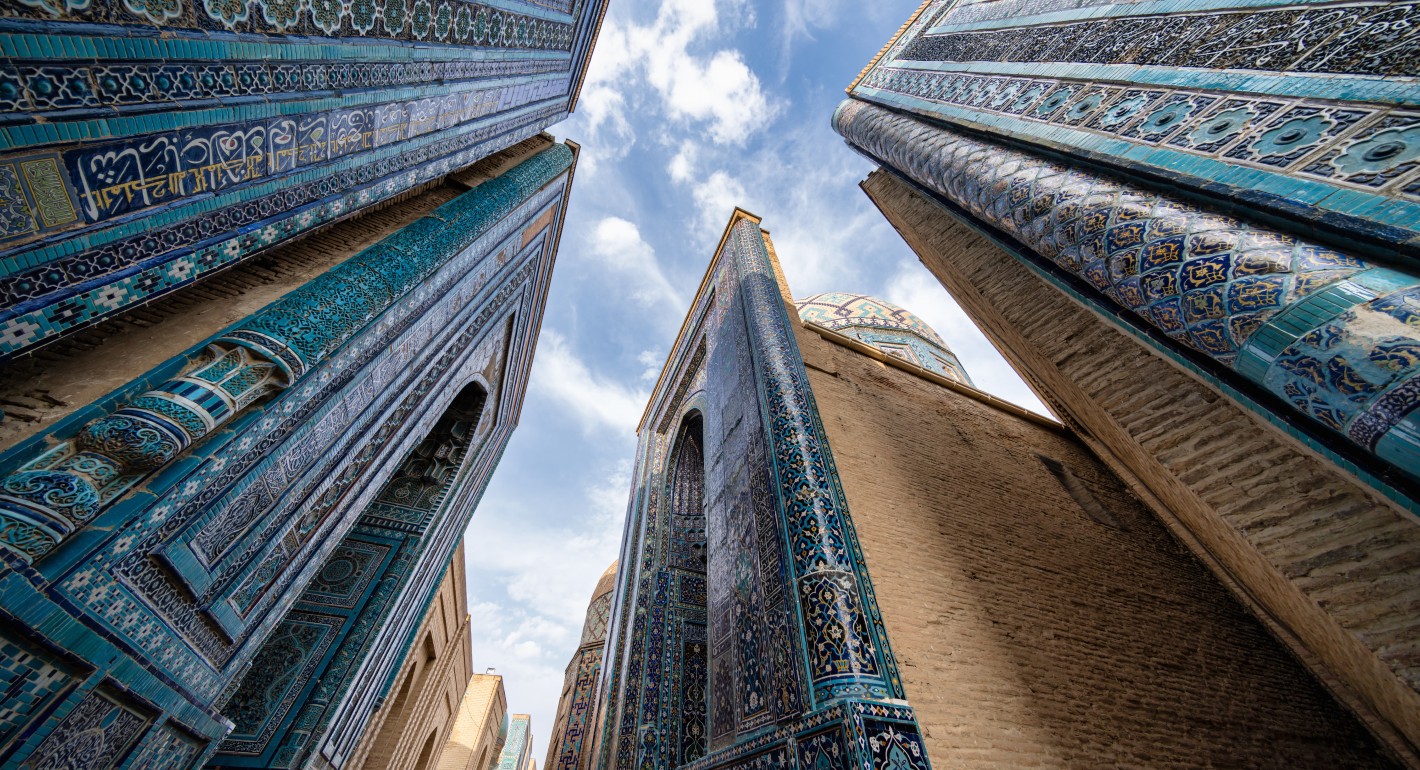
Xi, Putin, and other regional leaders are back-slapping in Bishkek, but the SCO has yet to answer the most serious questions about continental Asia's economic future.

Evan A. Feigenbaum