• Research
  • Emissary
  • About
  • Experts
Carnegie Global logoCarnegie lettermark logo
DemocracyIran
  • Donate
{
  "authors": [
    "George Perkovich"
  ],
  "type": "legacyinthemedia",
  "centerAffiliationAll": "dc",
  "centers": [
    "Carnegie Endowment for International Peace"
  ],
  "collections": [],
  "englishNewsletterAll": "ctw",
  "nonEnglishNewsletterAll": "",
  "primaryCenter": "Carnegie Endowment for International Peace",
  "programAffiliation": "NPP",
  "programs": [
    "Nuclear Policy"
  ],
  "projects": [],
  "regions": [
    "Middle East",
    "Iran",
    "Pakistan"
  ],
  "topics": [
    "Nuclear Policy",
    "Nuclear Energy"
  ]
}
Source: Getty

In The Media

Experts Discuss Nuclear Proliferation

Carnegie's George Perkovich discusses the discovery of electronic blueprints for an advanced nuclear weapon on computers belonging to a Swiss family under investigation for involvement in the A.Q. Khan network and the latest status of negotiations with Iran over its nuclear program.

Link Copied
By George Perkovich
Published on Jun 22, 2008
Program mobile hero image

Program

Nuclear Policy

The Nuclear Policy Program aims to reduce the risk of nuclear war. Our experts diagnose acute risks stemming from technical and geopolitical developments, generate pragmatic solutions, and use our global network to advance risk-reduction policies. Our work covers deterrence, disarmament, arms control, nonproliferation, and nuclear energy.

Learn More

Source: NPR's Weekend Edition

Carnegie's George Perkovich discusses the discovery of electronic blueprints for an advanced nuclear weapon on computers belonging to a Swiss family under investigation for involvement in the AQ Khan network and the latest status of negotiations with Iran over its nuclear program.

Click here to listen to the broadcast.

About the Author

George Perkovich

Japan Chair for a World Without Nuclear Weapons, Senior Fellow

George Perkovich is the Japan Chair for a World Without Nuclear Weapons and a senior fellow in the Carnegie Endowment for International Peace’s Nuclear Policy Program. He works primarily on nuclear deterrence, nonproliferation, and disarmament issues, and is leading a study on nuclear signaling in the 21st century.

    Recent Work

  • Paper
    How to Assess Nuclear ‘Threats’ in the Twenty-First Century

      George Perkovich

  • Commentary
    “A House of Dynamite” Shows Why No Leader Should Have a Nuclear Trigger

      George Perkovich

George Perkovich
Japan Chair for a World Without Nuclear Weapons, Senior Fellow
George Perkovich
Nuclear PolicyNuclear EnergyMiddle EastIranPakistan

Carnegie does not take institutional positions on public policy issues; the views represented herein are those of the author(s) and do not necessarily reflect the views of Carnegie, its staff, or its trustees.
More Work from Carnegie Endowment for International Peace

  • Commentary
    Carnegie Politika
    Russia Is Meddling for Meddling’s Sake in the Middle East

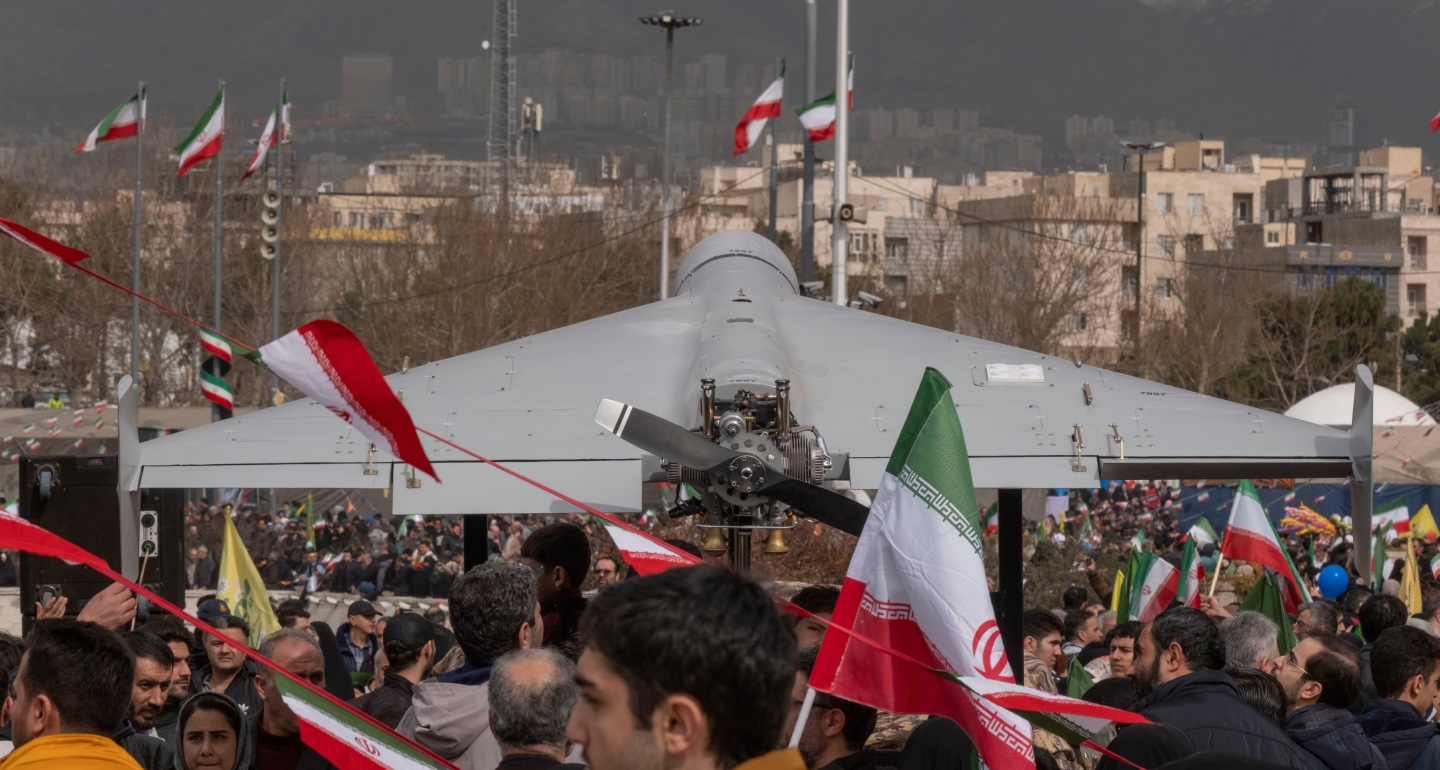
    The Russian leadership wants to avoid a dangerous precedent in which it is squeezed out of Iran by the United States and Israel—and left powerless to respond in any meaningful way.

      Nikita Smagin
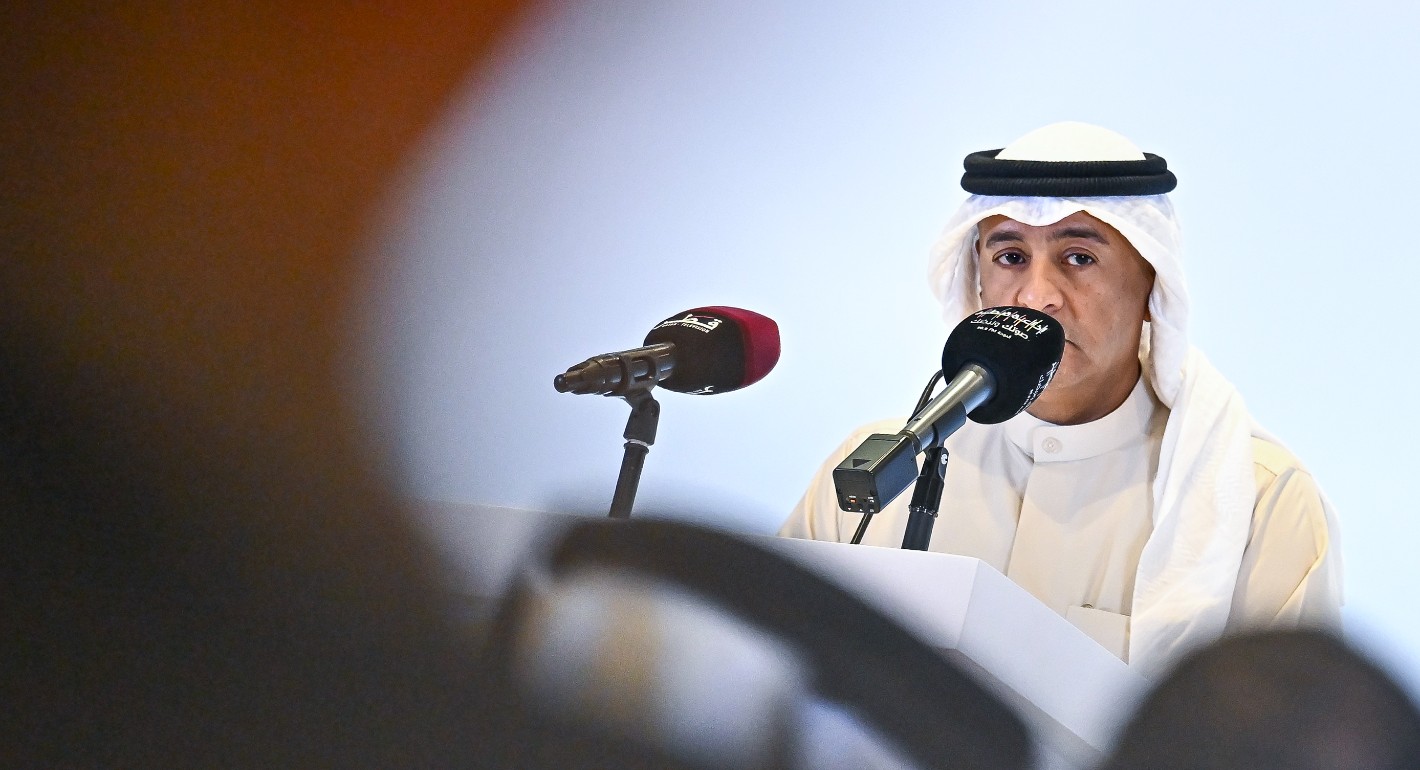
  • Man speaking into two mics
    Commentary
    Emissary
    Three Scenarios for the Gulf States After the Iran War

    One is hopeful. One is realistic. One is cautionary.

      • Andrew Leber

      Andrew Leber, Sam Worby

  • Commentary
    Strategic Europe
    The Fog of AI War

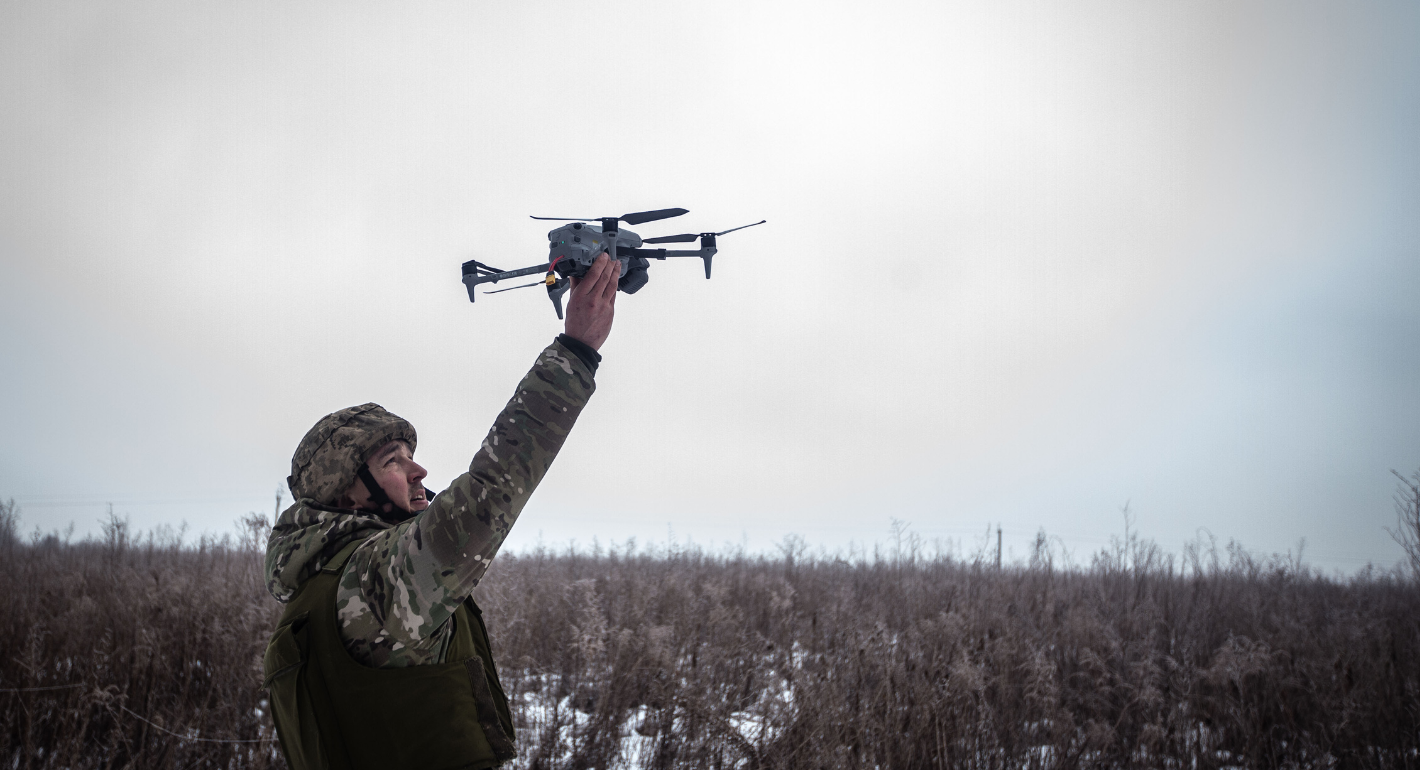
    In Ukraine, Gaza, and Iran, AI warfare has come to dominate, with barely any oversight or accountability. Europe must lead the charge on the responsible use of new military technologies.

      Raluca Csernatoni
  • Commentary
    Diwan
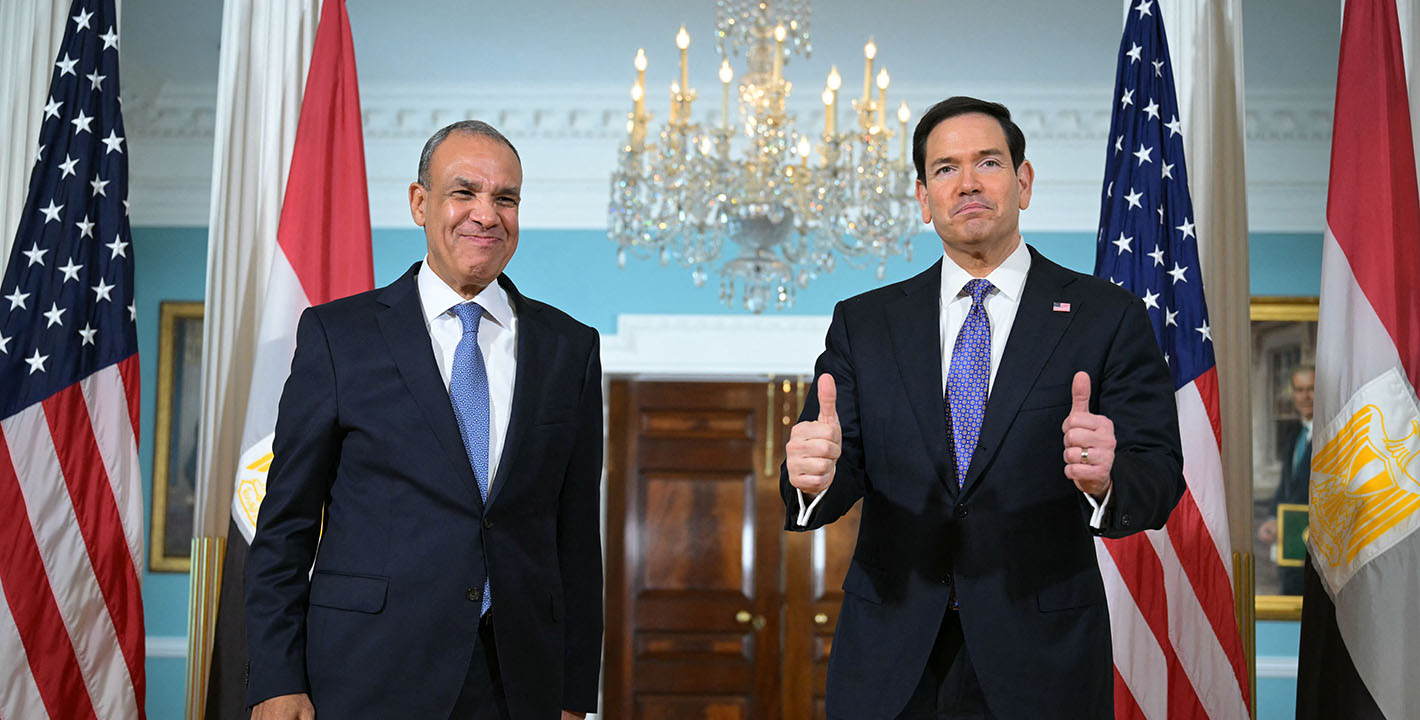
    Egypt’s Discrete Role in the Ceasefire with Iran

    Cairo’s efforts send a message to the United States and the region that it still has a place at the diplomatic table.

      • Angie Omar

      Angie Omar

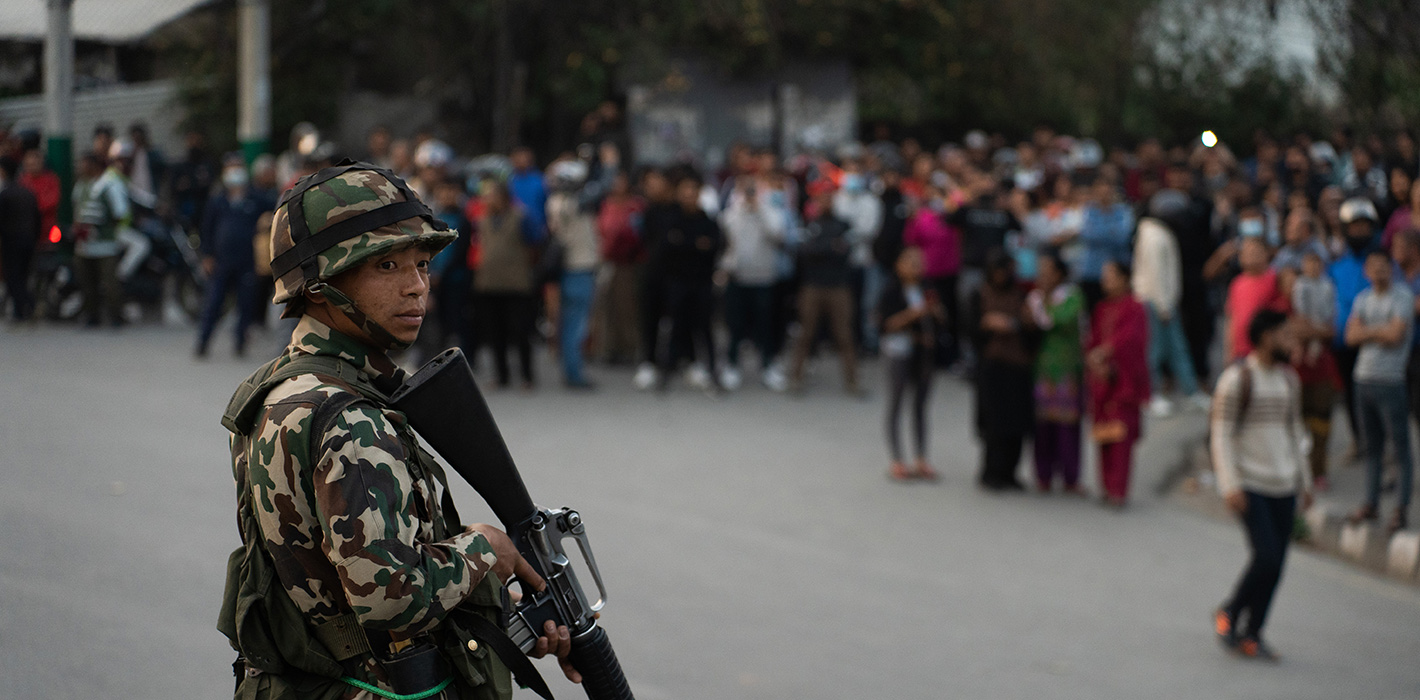
  • Army personnel stand guard after a pro-monarchy protest turns violent in Kathmandu, Nepal, on March 28, 2025.
    Article
    The Shadow of the Military in Modern South Asia

    Military rule is now a defining political factor in South Asia. Here’s how analysts can understand and account for it.

      Paul Staniland

Get more news and analysis from
Carnegie Endowment for International Peace
Carnegie global logo, stacked
1779 Massachusetts Avenue NWWashington, DC, 20036-2103Phone: 202 483 7600Fax: 202 483 1840
  • Research
  • Emissary
  • About
  • Experts
  • Donate
  • Programs
  • Events
  • Blogs
  • Podcasts
  • Contact
  • Annual Reports
  • Careers
  • Privacy
  • For Media
  • Government Resources
Get more news and analysis from
Carnegie Endowment for International Peace
© 2026 Carnegie Endowment for International Peace. All rights reserved.