Article
Henri J. Barkey
{
  "authors": [
    "Henri J. Barkey"
  ],
  "type": "legacyinthemedia",
  "centerAffiliationAll": "dc",
  "centers": [
    "Carnegie Endowment for International Peace"
  ],
  "collections": [],
  "englishNewsletterAll": "menaTransitions",
  "nonEnglishNewsletterAll": "",
  "primaryCenter": "Carnegie Endowment for International Peace",
  "programAffiliation": "MEP",
  "programs": [
    "Middle East"
  ],
  "projects": [],
  "regions": [
    "Middle East",
    "Türkiye"
  ],
  "topics": [
    "Political Reform",
    "Foreign Policy"
  ]
}
Source: Getty
Turkey stepped short of an abyss late last month when, by a very narrow decision, the Constitutional Court declined to outlaw the ruling Justice and Development Party (AKP).
Source: Washington Post

American and European officials showed palpable signs of relief after the decision, as the State Department's spokesperson expressed U.S. confidence in Turkey's democracy. International currency markets were also buoyed by the decision, but the crisis is not over. The case is only the second skirmish in a long-standing battle in civil-military relations. As the drama plays out in the coming months, it will necessarily involve the EU and the U.S., as Turkish factions look to them for support.
In my conversations with AKP members last month in Turkey, many expressed anger at the American government for not defending the principle that an elected government can be removed through electoral means only. Unlike the EU, which had taken an uncompromising stand in defending democratic procedures, the U.S. was perceived as hedging its bets between the government and the military. Leading AKP cadres in no uncertain terms made it clear that they would be delighted with a verdict that only penalized them.
AKP officials recognized that they had squandered their electoral gains, having abandoned many of the reforms -- like those relating to freedom of speech, Kurdish rights and a new constitution,-- that had earned them the right to begin accession negotiations with the EU. They further realized that they had unnecessarily antagonized their secular opponents, especially women.
Nonetheless, the court case was a pathetic attempt to label the AKP as a node of anti-secularist activity, and it consisted largely of newspaper clippings and comments by critics of the party. It was, in essence, an attempted judiciary coup by a secular civilian-military elite that is deeply suspicious of AKP's pro-Islamist trajectory, its relationships with the outside world, and ultimately its intentions regarding EU-related reforms. The EU reforms are perceived as an agent of a major transformation for Turkey insofar as they would ultimately make the country far more democratic, concede rights to minorities, and threaten the prerogatives of the entrenched civilian-military bureaucratic elite.
Even anti-AKP politicians and journalists were embarrassed by the mediocrity of the court's brief. But the court is not a real judicial instrument; its judges are not required to have law degrees, so it is constituted largely by people with no legal qualifications. In the end, the court did not have the audacity to overturn the electorate's will.
To be sure, the AKP has committed colossal errors of judgment, and become distracted by issues of lesser importance, like changing the law to allow women with headscarves to attend university. After its reelection in 2007, the AKP governed as if it had embarked on a second term and, given the size of its mandate, not as the vessel of the aspirations of a people hungry for change.
The AKP will use this case -- as it must -- to reenergize its leadership. It has to start with a radical overhaul the cabinet, where some ministers have served since 2002. By the time the 2007 elections were over, serious discontent was already brewing among parliamentarians who thought many capable candidates were being denied seats in the cabinet.
In a bald-faced act of tokenism, Prime Minister Recep Tayyip Erdogan had appointed only one woman to a cabinet post: head of "women's affairs." This was particularly galling to voters after the party had gone out of its way to recruit so many academic and professional women to its ranks.
By making the changes more moderate and secular voters demand, the AKP has to send a message that it is still the party of reform, and that it will make good on its promises to revise the constitution, reenergize the EU accession process, and deal with Turkey's thorniest problem: relations with the minority Kurdish population.
Ironically, were the AKP to deliver on these reforms, it would emerge far stronger, but civil-military tensions would likely escalate even further. The court case was the last hurrah for the hard-line secularists who wish to overthrow the ruling party by any means necessary.
The only antidote to rising civil-military tensions is a robust political opposition within Turkey's democratic framework. Unfortunately, given the pitiful present state of the opposition, the Republican People's Party, CHP, this is too much to hope for.
Both the EU and the U.S. will increasingly find themselves implicated in Turkey's domestic politics as its factions attempt to outmaneuver each other. The next stage of this crisis will be played out against the backdrop of EU reforms and U.S. policies in Iraq, specifically in the Kurdish regions of northern Iraq. Both have been controversial and likely to arouse nationalist tensions.
Thankfully, the Constitutional Court stopped short of denying Turkish voters' mandate, but the country is not yet out of the woods.
Henri J. Barkey is Chair of the International Relations Department at Lehigh University, and a non-resident senior associate at the Carnegie Endowment for International Peace.

Former Visiting Scholar, Middle East Program
Barkey served as a member of the U.S. State Department Policy Planning Staff, working primarily on issues related to the Middle East, the Eastern Mediterranean, and intelligence from 1998 to 2000.
Recent Work
Henri J. Barkey
Henri J. Barkey
Carnegie does not take institutional positions on public policy issues; the views represented herein are those of the author(s) and do not necessarily reflect the views of Carnegie, its staff, or its trustees.

As the war between the United States, Israel, and Iran continues, Carnegie scholars contribute cutting-edge analysis on the events of the war and their wide-reaching implications. From the impact on Iran and its immediate neighbors to the responses from Gulf states to fuel and fertilizer shortages caused by the effective shutdown of the Strait of Hormuz, the war is reshaping Middle East alliances and creating shockwaves around the world. Carnegie experts analyze it all.
The return of war as the organizing factor in Middle Eastern politics has predictable consequences: governments are prioritizing regime stability and becoming averse to political and social reform.


Sarah Yerkes, Amr Hamzawy

Central Asia’s digital ambitions are achievable, but only if policy is aligned with the region’s physical constraints.

Aruzhan Meirkhanova
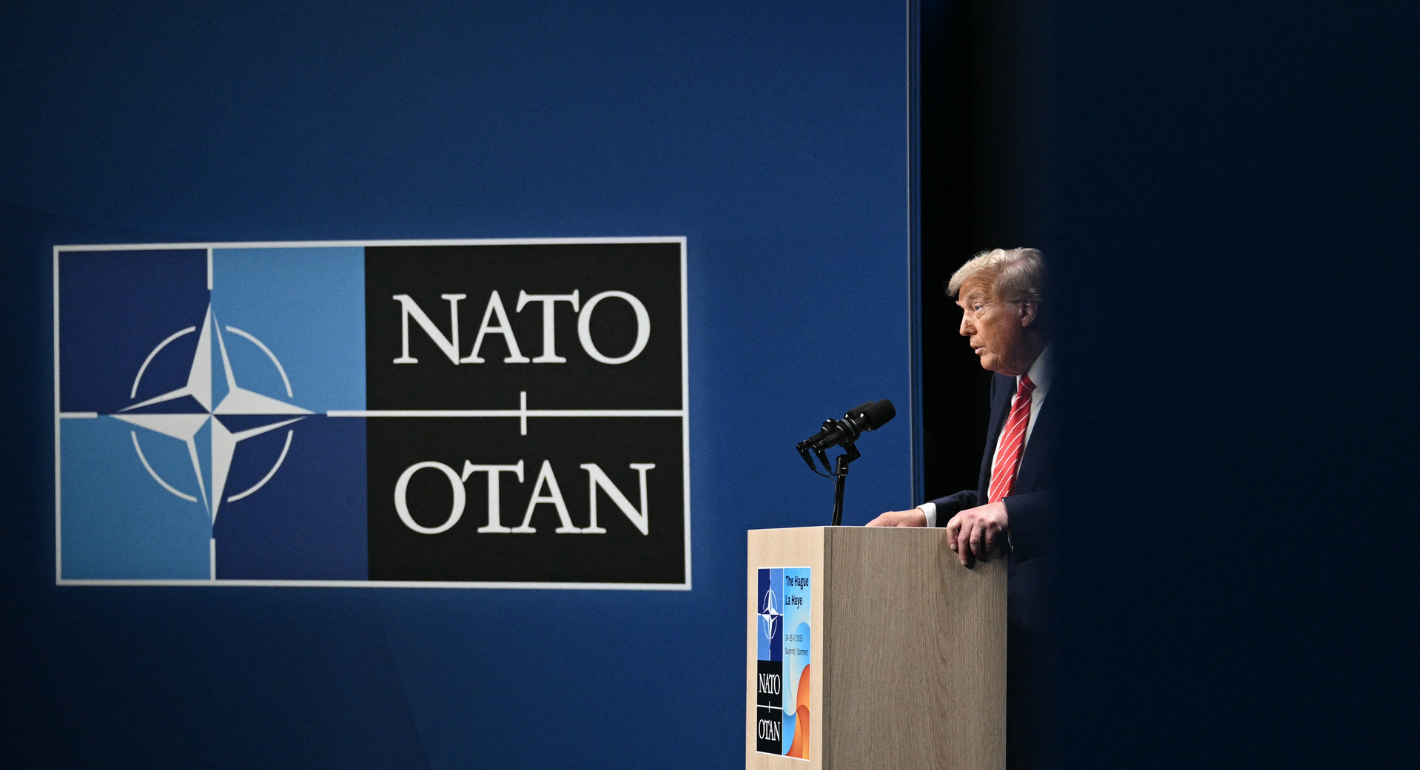
Donald Trump has repeatedly bashed NATO and European allies, threatening to annex Canada and Greenland and deploring their lack of enthusiasm for his war of choice in Iran. Is this latest round of abuse the final straw?

Rym Momtaz, ed.

Why the Iran ceasefire isn’t a quick fix to the Strait of Hormuz energy crisis.


Helima Croft, Aaron David Miller