• Research
  • Emissary
  • About
  • Experts
Carnegie Global logoCarnegie lettermark logo
DemocracyIran
  • Donate
{
  "authors": [
    "George Perkovich"
  ],
  "type": "other",
  "centerAffiliationAll": "dc",
  "centers": [
    "Carnegie Endowment for International Peace"
  ],
  "collections": [
    "U.S. Nuclear Policy"
  ],
  "englishNewsletterAll": "ctw",
  "nonEnglishNewsletterAll": "",
  "primaryCenter": "Carnegie Endowment for International Peace",
  "programAffiliation": "NPP",
  "programs": [
    "Nuclear Policy"
  ],
  "projects": [],
  "regions": [
    "North America",
    "United States"
  ],
  "topics": [
    "Military",
    "Foreign Policy",
    "Nuclear Policy"
  ]
}
Source: Getty

Other

Abolishing Nuclear Weapons: Why the United States Should Lead

Efforts to re-invigorate a movement to abolish nuclear weapons are rising on the international agenda. The next U.S. president should emphasize the goal of abolishing nuclear weapons in an effort to: prevent proliferation, prevent nuclear terrorism, reduce the threat of nuclear annihilation, and foster new optimism for U.S. global leadership.

Link Copied
By George Perkovich
Published on Oct 21, 2008
Program mobile hero image

Program

Nuclear Policy

The Nuclear Policy Program aims to reduce the risk of nuclear war. Our experts diagnose acute risks stemming from technical and geopolitical developments, generate pragmatic solutions, and use our global network to advance risk-reduction policies. Our work covers deterrence, disarmament, arms control, nonproliferation, and nuclear energy.

Learn More

Efforts to re-invigorate a movement to abolish nuclear weapons are rising on the international agenda, made clear in statements by the U.S. presidential candidates, British and Indian leaders, and a campaign led by former U.S. officials. For states without weapons, talk of nuclear disarmament is embraced as a welcome change, but viewed with skepticism. The next U.S. president should emphasize the goal of a world without nuclear weapons, explains George Perkovich in a new report.

Perkovich outlines four security areas where the long-term project of abolishing nuclear weapons would best serve U.S. interests: preventing proliferation, preventing nuclear terrorism, reducing toward zero the threat of nuclear annihilation, and fostering new optimism for U.S. global leadership.
 
Requirements for abolition of nuclear weapons include:
  • Strengthening verification and enforcement mechanisms, which augment U.S. and global security at a time when nuclear industry is rapidly expanding.
     
  • Gaining the support of non–nuclear-weapon states for strengthened nonproliferation rules, inspections, and controls over fissile material through commitment to the elimination of nuclear arsenals.
     
  • Accounting for and controlling the nuclear materials necessary to enable disarmament, greatly reducing risks that terrorists could acquire these materials. 
     
  • Wider understanding that nuclear deterrence is not a fail-safe; the long-term answer to proliferation concerns is to reduce the number and salience of nuclear weapons to zero.
Perkovich concludes:
 
“The elimination of all nuclear arsenals is not an end in itself. It is a means to global security. The verification and security conditions that would be required to enable the abolition of nuclear weapons are all conducive to a more secure world. Therefore, the goal of abolishing nuclear weapons can be a beneficial organizing principle of the national security policies of major states. The next U.S. administration should be one of its champions.”

About the Author

George Perkovich is vice president for studies–global security and economic development and director of the Nonproliferation Program at the Carnegie Endowment for International Peace. His personal research has focused on nuclear strategy and nonproliferation, with a focus on South Asia and Iran, and on the problem of justice in the international political economy.

About the Author

George Perkovich

Japan Chair for a World Without Nuclear Weapons, Senior Fellow

George Perkovich is the Japan Chair for a World Without Nuclear Weapons and a senior fellow in the Carnegie Endowment for International Peace’s Nuclear Policy Program. He works primarily on nuclear deterrence, nonproliferation, and disarmament issues, and is leading a study on nuclear signaling in the 21st century.

    Recent Work

  • Paper
    How to Assess Nuclear ‘Threats’ in the Twenty-First Century

      George Perkovich

  • Commentary
    “A House of Dynamite” Shows Why No Leader Should Have a Nuclear Trigger

      George Perkovich

George Perkovich
Japan Chair for a World Without Nuclear Weapons, Senior Fellow
George Perkovich
MilitaryForeign PolicyNuclear PolicyNorth AmericaUnited States

Carnegie does not take institutional positions on public policy issues; the views represented herein are those of the author(s) and do not necessarily reflect the views of Carnegie, its staff, or its trustees.
More Work from Carnegie Endowment for International Peace

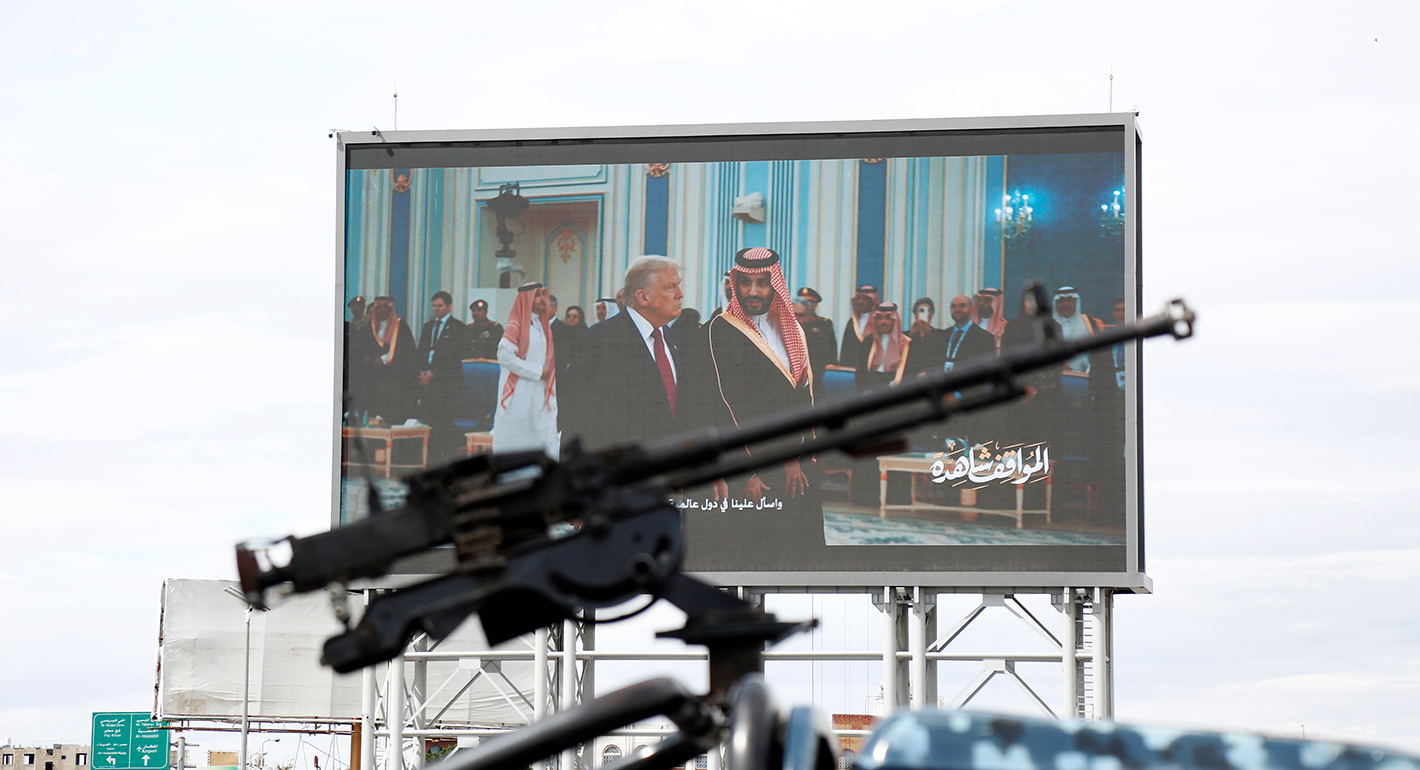
  •  A machine gun of a Houthi soldier mounted on a police vehicle next to a billboard depicting the U.S. president Donald Trump and Mohammed Bin Salman, the Crown Prince and Prime Minister of Saudi Arabia, during a protest staged to show support to Iran against the U.S.-Israel war on March 27, 2026 in Sana'a, Yemen.
    Collection
    The Iran War’s Global Reach

    As the war between the United States, Israel, and Iran continues, Carnegie scholars contribute cutting-edge analysis on the events of the war and their wide-reaching implications. From the impact on Iran and its immediate neighbors to the responses from Gulf states to fuel and fertilizer shortages caused by the effective shutdown of the Strait of Hormuz, the war is reshaping Middle East alliances and creating shockwaves around the world. Carnegie experts analyze it all.

  •  A machine gun of a Houthi soldier mounted on a police vehicle next to a billboard depicting the U.S. president Donald Trump and Mohammed Bin Salman, the Crown Prince and Prime Minister of Saudi Arabia, during a protest staged to show support to Iran against the U.S.-Israel war on March 27, 2026 in Sana'a, Yemen.
    Article
    Amid Iran War, Gulf Countries Slow the Pace of Reforms

    The return of war as the organizing factor in Middle Eastern politics has predictable consequences: governments are prioritizing regime stability and becoming averse to political and social reform.


      • Sarah Yerkes

      Sarah Yerkes, Amr Hamzawy

  • Commentary
    Carnegie Politika
    Power, Pathways, and Policy: Grounding Central Asia’s Digital Ambitions

    Central Asia’s digital ambitions are achievable, but only if policy is aligned with the region’s physical constraints.

      Aruzhan Meirkhanova
  • Commentary
    Strategic Europe
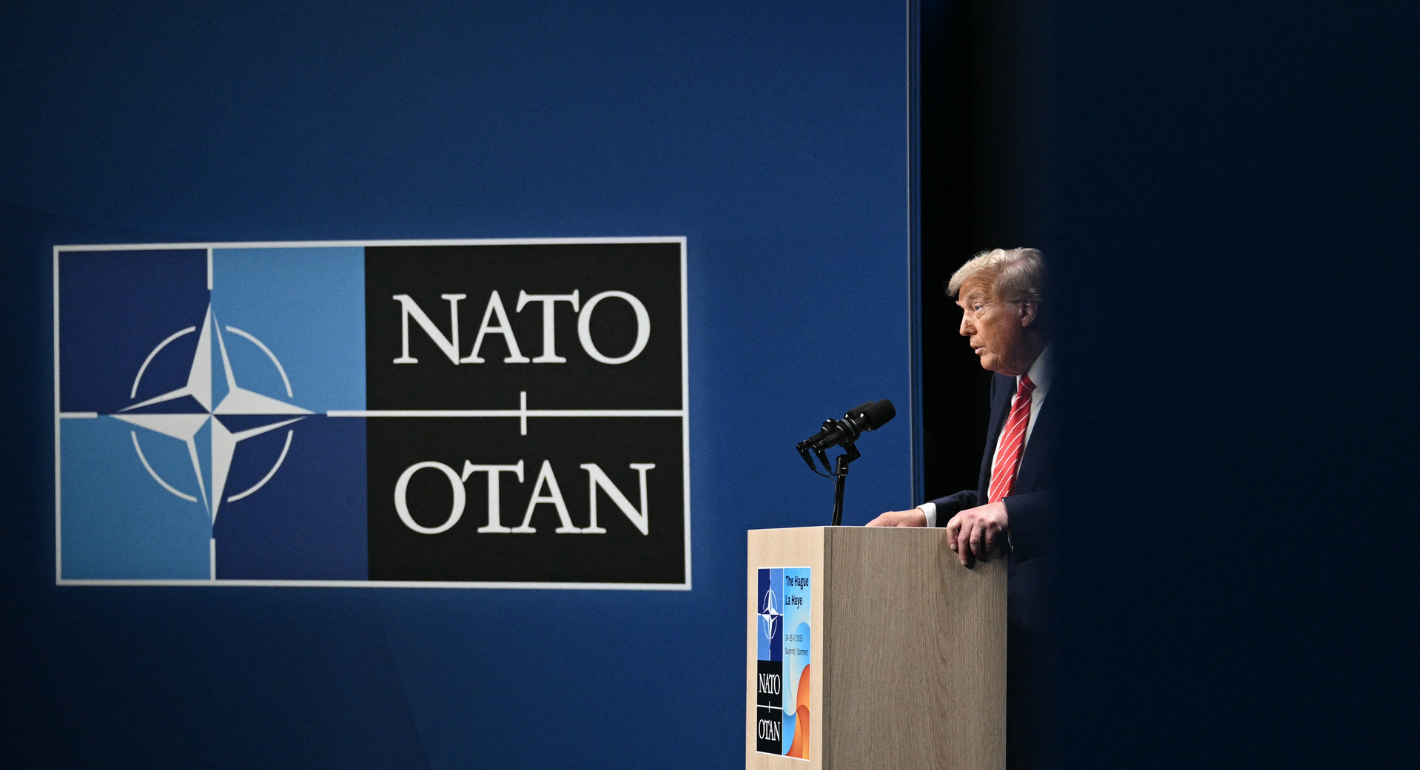
    Taking the Pulse: Can NATO Survive the Iran War?

    Donald Trump has repeatedly bashed NATO and European allies, threatening to annex Canada and Greenland and deploring their lack of enthusiasm for his war of choice in Iran. Is this latest round of abuse the final straw?

      • Rym Momtaz

      Rym Momtaz, ed.

  • A person faces away from the camera wearing a yellow jacket with "PRESS" printed across the back
    Paper
    The Impact of Ending U.S. International Media Assistance

    The future looks bleak for independent media worldwide, but there is a robust infrastructure of knowledge, organizations, and people to build upon.


      Daniel Sabet, Susan Abbott

Get more news and analysis from
Carnegie Endowment for International Peace
Carnegie global logo, stacked
1779 Massachusetts Avenue NWWashington, DC, 20036-2103Phone: 202 483 7600Fax: 202 483 1840
  • Research
  • Emissary
  • About
  • Experts
  • Donate
  • Programs
  • Events
  • Blogs
  • Podcasts
  • Contact
  • Annual Reports
  • Careers
  • Privacy
  • For Media
  • Government Resources
Get more news and analysis from
Carnegie Endowment for International Peace
© 2026 Carnegie Endowment for International Peace. All rights reserved.