

Paper
To remain effective, organizations need to master new media and legitimacy markers to make a once-in-a-century shift.
Renée DiResta, Rachel Kleinfeld, Margot Treadwell
{
  "authors": [],
  "type": "pressRelease",
  "centerAffiliationAll": "dc",
  "centers": [
    "Carnegie Endowment for International Peace"
  ],
  "collections": [],
  "englishNewsletterAll": "menaTransitions",
  "nonEnglishNewsletterAll": "",
  "primaryCenter": "Carnegie Endowment for International Peace",
  "programAffiliation": "MEP",
  "programs": [
    "Middle East"
  ],
  "projects": [],
  "regions": [
    "United States",
    "Türkiye",
    "Iraq"
  ],
  "topics": [
    "Foreign Policy"
  ]
}
REQUIRED IMAGE
The invasion of Iraq has surfaced long-suppressed nationalist aspirations among the Kurds, most notably the emergence of the federal Kurdistan Regional Government (KRG). If ignored or mishandled, Kurdish aspirations have the potential to ignite violence and instability in Iraq, as well as the region, at a particularly delicate time.
WASHINGTON, Feb 10—The invasion of Iraq has surfaced long-suppressed nationalist aspirations among the Kurds, most notably the emergence of the federal Kurdistan Regional Government (KRG). If ignored or mishandled, Kurdish aspirations have the potential to ignite violence and instability in Iraq, as well as the region, at a particularly delicate time, concludes a new report by the Carnegie Endowment.
Henri Barkey calls for renewed attention to the Kurdish issue to prevent conflict and prescribes a fresh U.S. approach. The United States must move quickly—as American forces withdraw from Iraq, U.S. influence in the region will wane.
U.S. policy recommendations:
Barkey concludes:
“The United States has to take the lead, because it remains, despite its mistakes, the only power with the requisite capacities to cajole, convince, and pressure governments and groups to act. Left to their own devices, none of the parties has shown much ability to move forward, even if the right ideas and solutions are apparent, or sustain progress once achieved. The United States can approach matters with a broader outlook and vision concerning the linkages among the issues, attributes often missing in local parties.”
###
NOTES
Carnegie does not take institutional positions on public policy issues; the views represented herein are those of the author(s) and do not necessarily reflect the views of Carnegie, its staff, or its trustees.

To remain effective, organizations need to master new media and legitimacy markers to make a once-in-a-century shift.

Renée DiResta, Rachel Kleinfeld, Margot Treadwell

Congress needs to step up and make EXIM a low-carbon financing powerhouse.

Jesse Young

The ninety-three-year-old Biya’s absence and refusal to name a vice president threaten to upend domestic and regional stability.

Lesley Anne Warner

With the growth in points of friction between the great powers, organizations like the SCO will continue to play a role in the strategic adaptation of the smaller powers caught between them.

Temur Umarov
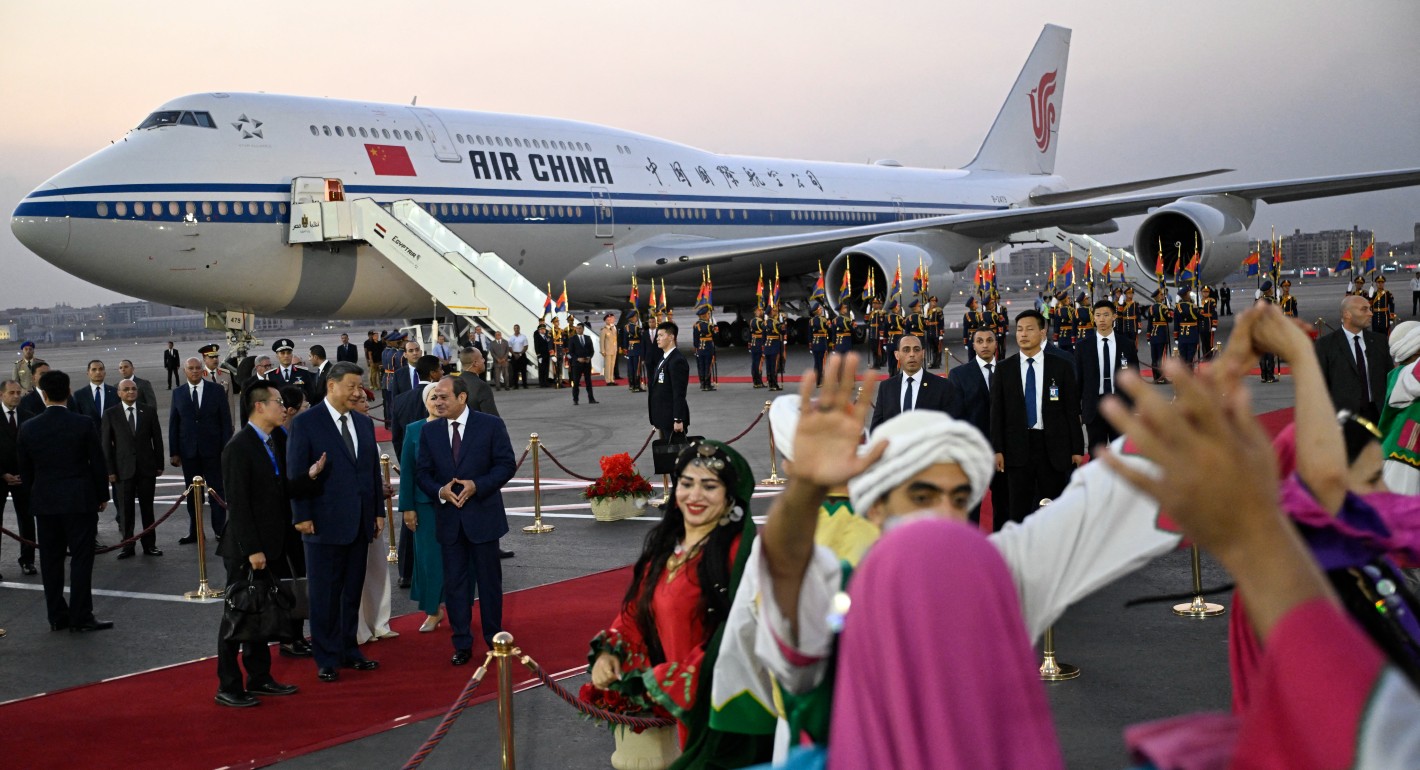
Amid celebrations of bilateral ties was a deeper focus on stability in the Middle East.

Amr Hamzawy