

Commentary
It is improbable that Israel’s forthcoming elections will alter much in terms of how the country thinks about security.
Nathan J. Brown
{
  "authors": [],
  "type": "pressRelease",
  "centerAffiliationAll": "dc",
  "centers": [
    "Carnegie Endowment for International Peace"
  ],
  "collections": [],
  "englishNewsletterAll": "menaTransitions",
  "nonEnglishNewsletterAll": "",
  "primaryCenter": "Carnegie Endowment for International Peace",
  "programAffiliation": "MEP",
  "programs": [
    "Middle East"
  ],
  "projects": [],
  "regions": [
    "Middle East",
    "Israel",
    "Palestine"
  ],
  "topics": []
}
REQUIRED IMAGE
Efforts to move the Israeli–Palestinian peace process forward will fail if the U.S. continues to marginalize or ignore Hamas. A national unity government—which would require a slower approach to the peace process and depends on difficult concessions—is the only promising solution.
WASHINGTON, June 3—Efforts to move the Israeli–Palestinian peace process forward will fail if the United States continues to marginalize or ignore Hamas. A national unity government—which would require a slower approach to the peace process than the Obama administration would like and depends on difficult concessions—is the only promising solution, explains a new commentary by Nathan Brown.
Key Conclusions:
Brown concludes:
“The new leadership in Washington is refreshingly bold in its tactics but far more conventional in its strategies. Its new approach (especially on settlements) has already attracted attention in the region. But thus far its public policy toward Gaza remains unrealistic: demanding that Hamas change and treating the movement as if it does not exist until it does so. It is difficult to envision how the Obama administration’s initiatives can gain full traction until it develops more realistic ideas on Gaza."
###
NOTES
Carnegie does not take institutional positions on public policy issues; the views represented herein are those of the author(s) and do not necessarily reflect the views of Carnegie, its staff, or its trustees.

It is improbable that Israel’s forthcoming elections will alter much in terms of how the country thinks about security.

Nathan J. Brown

Understanding the climatic pain points is necessary for policymakers hoping to minimize the war’s negative environmental consequences.



Alejandro Martin Rodriguez, Joy Arkeh, Sarah Yerkes

Huawei pushed hard to enter the Egyptian data centers market, until the Americans made a better offer.

Angie Omar

The books, podcasts, and films that explain the world it made.

Andrew Leber
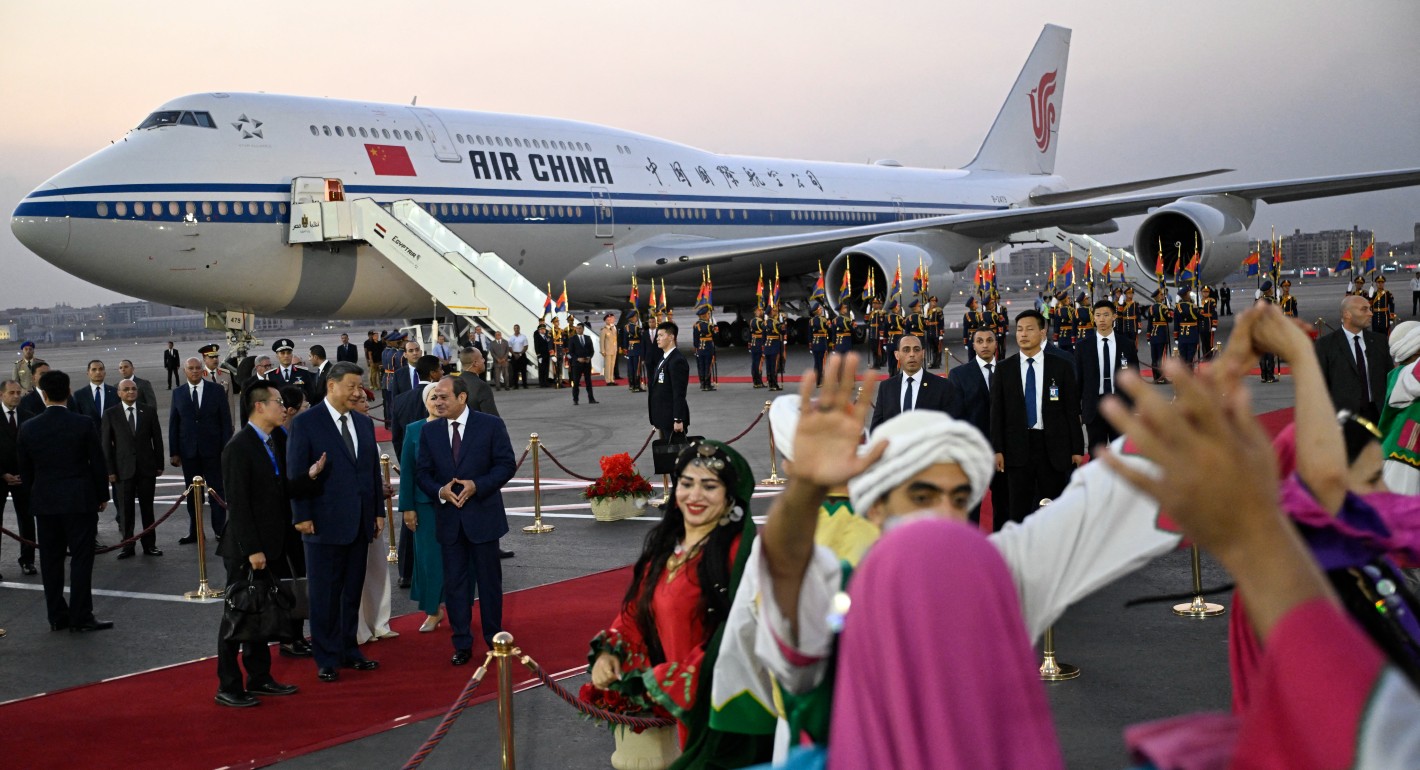
Amid celebrations of bilateral ties was a deeper focus on stability in the Middle East.

Amr Hamzawy